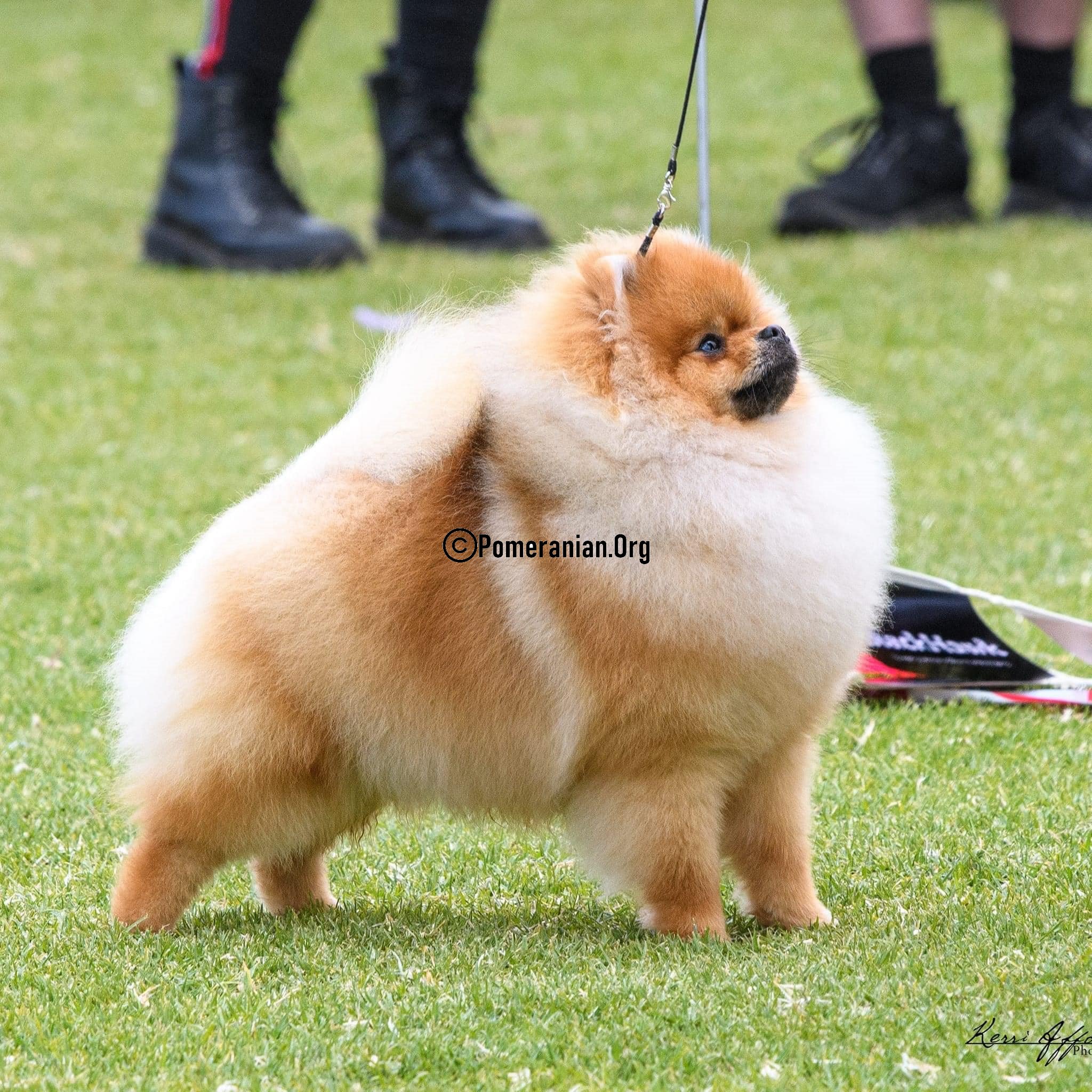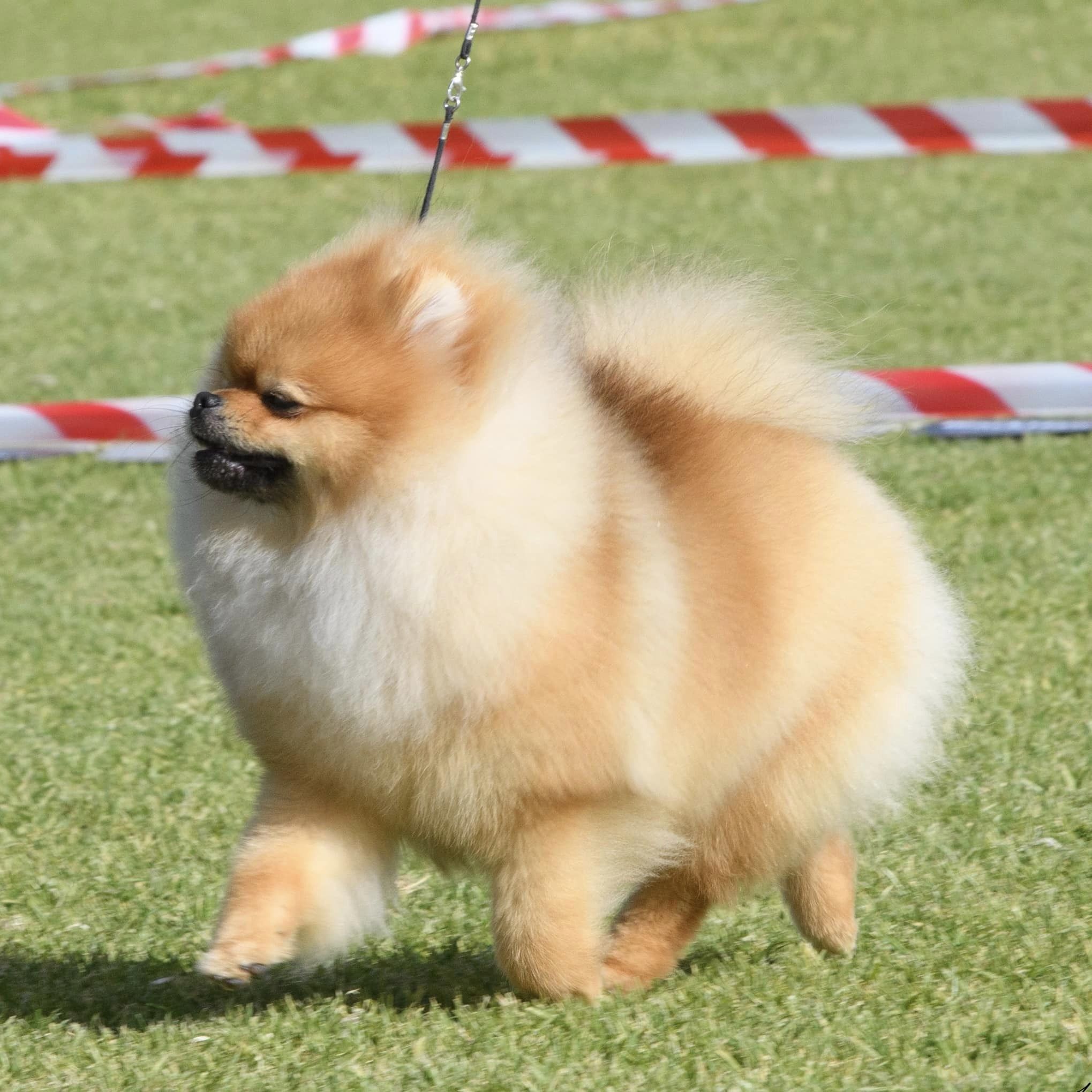

Welcoming a Pomeranian rescue into your home can be an incredibly rewarding experience. Some rescued Poms adjust quickly, while others need extra patience, veterinary attention and time to feel safe. Their needs will depend on their age, health, previous home and individual temperament.
I’m Denise Leo, a Pomeranian breeder, exhibitor, judge and author with more than 50 years of experience with this wonderful breed. In this guide, I explain how to prepare for a rescue Pom, help your new companion settle in and provide the security, care and understanding needed during the rehoming process.
Pomeranian Rescue: Quick Answer
A rescued Pomeranian needs a secure home, a quiet place to rest, an early veterinary examination and a predictable daily routine. Introduce new people, pets and experiences gradually, and allow the dog to build trust at its own pace.
If you are looking to adopt, begin with established rescue organisations, animal shelters and reputable breed-specific groups. Names such as Pomeranian rescue and networking group, Pom rescue, Pomeranian rescue & adoption network and Pomeranian rescue and adoption network may appear in online searches. Always confirm that an organisation is legitimate before sharing personal information or paying adoption fees.
Most important: Do not expect a newly adopted Pom to behave perfectly immediately. Calm handling, patience and consistency will help your new companion feel safe and become part of the family.

Bringing Home a Pomeranian Rescue
Bringing home a Pomeranian rescue is exciting, but the first few days should be quiet and carefully managed. Your new Pom may feel frightened, confused or overwhelmed by unfamiliar people, sounds, smells and routines.
Avoid inviting visitors over or immediately introducing your Pom to everyone in the household. Allow the dog to explore a small, secure area and approach family members when ready. Some rescue Pomeranians seek affection straight away, while others need days or even weeks before they feel comfortable being touched or held.
What to Do During the First Few Days
- Provide a quiet, secure area containing a comfortable bed, fresh water and safe toys.
- Keep meals, toilet breaks and bedtime as consistent as possible.
- Use a secure harness and lead whenever the dog is outside an enclosed area.
- Supervise all introductions to children and other pets.
- Avoid excessive handling, grooming or unnecessary outings.
- Arrange a veterinary examination if one has not recently been completed.
Remember the 3-3-3 Guideline
The first three days: Your rescue Pom may feel overwhelmed and may eat very little, hide, bark, pace or sleep more than expected.
The first three weeks: Your dog begins learning the household routine and may start showing more of their true personality.
The first three months: Many rescued dogs become more settled, trusting and comfortable. This is only a general guide—some Pomeranians need considerably more time.
Do not judge your new companion by their behaviour during the first few days. Fear, toileting accidents, reluctance to eat and difficulty sleeping can all occur while a rescue Pom adjusts. Calm, predictable care will help your Pomeranian understand that this is now a safe and permanent home.
Create a Safe and Peaceful Space for Your Rescue Pom
Your Pomeranian rescue should have a quiet, comfortable area where they can rest without being disturbed. An exercise pen placed in a calm part of your home is ideal because your Pom can see and hear the family while still feeling protected. Add a soft bed, fresh water, a toilet pad and a few safe toys. An open carrier or crate covered partly with a light blanket can also provide a cosy retreat.
Allow your rescue Pom to enter and leave this safe space without being forced. Never use it as punishment. It should become somewhere your dog can retreat when tired, frightened or overwhelmed by visitors, household activity, thunderstorms or other unfamiliar sounds.
Keep the household calm during the settling-in period. Avoid loud gatherings and do not allow children or other pets to crowd your new arrival. Speak gently, move slowly and let your Pom approach you when ready. Sitting nearby without demanding interaction can be one of the best ways to begin building trust.
Every rescue Pomeranian adjusts differently. One dog may be exploring and seeking cuddles within hours, while another may need several weeks before feeling secure. Respecting your Pom’s individual pace will help create a trusting relationship and make the transition into the new home much easier.

Good Nutrition Is Important for a Rescue Pomeranian
A rescue Pomeranian may arrive underweight, overweight or suffering from digestive problems caused by stress, poor nutrition or sudden changes in diet. If possible, continue feeding the food your Pom was receiving before adoption and make any changes gradually over seven to ten days.
Choose a complete, balanced food suitable for your Pomeranian’s age, size and health. Small, measured meals are often easier for a nervous rescue Pom to manage than one large meal. Avoid introducing rich treats, table scraps or several new foods during the settling-in period, as these may cause an upset stomach.
Some rescue Pomeranians have painful, missing or badly neglected teeth and may struggle to eat hard kibble. A veterinarian can examine the mouth and recommend suitable food while any dental problems are treated. Do not assume that refusing food is simply nervousness, particularly if your Pom appears unwell, vomits, has diarrhoea or cannot chew comfortably.
Fresh water should always be available. If your rescue Pom is severely underweight, has ongoing digestive problems or refuses food, seek veterinary advice rather than trying to encourage rapid weight gain at home. Weight and diet changes should be gradual and appropriate for the individual dog.
Veterinary Care for a Rescue Pomeranian
Arrange a veterinary examination soon after bringing your rescue Pomeranian home, even if the rescue organisation has already provided health records. Take all available vaccination, microchip, desexing and treatment information with you.
The veterinarian should assess your Pom’s general health, weight, teeth, heart, skin, coat, ears, eyes and joints. Depending on the dog’s age, history and location, the vet may also recommend parasite testing, blood tests, vaccinations or other health checks.
Many rescued Pomeranians need dental treatment, but other medical concerns may need attention first. Ask your veterinarian to help you create a prioritised treatment plan based on your dog’s immediate needs. Trying to complete examinations, grooming, vaccinations and procedures all at once may overwhelm a frightened or unwell dog.
If the coat is severely matted, seek professional advice before attempting to remove the mats yourself. Matted hair can pull painfully on the skin and may conceal sores, parasites or infections. A very short trim can also leave a Pomeranian vulnerable to sunburn, cold and overheating, so careful coat management is essential.
Vaccination, parasite prevention, microchipping and desexing requirements vary according to the dog’s health, age and location. Follow the advice of your veterinarian and the legal requirements that apply where you live.
Use a Secure Harness and Lead
A properly fitted harness is generally the safest choice when walking a rescue Pomeranian. It distributes pressure across the body instead of placing it directly on the delicate neck and trachea. Check the fit carefully, as a frightened Pom may reverse out of a loose harness surprisingly quickly.
During the settling-in period, attach the lead before opening an external door or gate. Walk in quiet areas at first and avoid crowded places, off-lead dogs and overwhelming situations. Keep early outings short and allow your rescue Pom to become accustomed to new surroundings gradually.
Do not allow unfamiliar dogs to rush towards your Pomeranian. Calmly create distance by changing direction or moving to a safer area. If there is an immediate danger, carefully lift your Pom while supporting the chest and hindquarters, but avoid routinely picking up your dog whenever another dog appears. Constantly lifting a Pom can unintentionally reinforce fearful reactions.
A collar with identification details may be worn in addition to the harness, but the walking lead should be attached to the harness. Regularly check both items for damage and make sure they continue to fit securely.

Learn About Your Rescue Pom’s Individual Needs
Ask the rescue organisation, shelter or previous carer for as much information as possible about your Pomeranian. Useful details include known health problems, previous veterinary treatment, diet, toilet habits, behaviour around children and other animals, and any situations that appear to cause fear or anxiety.
However, information about a rescue Pom’s past may be limited or incomplete. Observe your dog carefully and keep notes about eating, drinking, toileting, sleeping and behaviour. This can help you recognise patterns and provide useful information if you need advice from a veterinarian or qualified dog behaviour professional.
Research the needs of the Pomeranian breed, but remember that every dog is an individual. Age, health, previous experiences and temperament will all influence the care your rescue Pom requires.
Never give human medication, herbal products, supplements or calming remedies without first consulting your veterinarian. Products described as natural can still be unsuitable or unsafe for dogs. When you are unsure about your Pomeranian’s health or behaviour, seek qualified professional advice rather than relying solely on information shared in online groups.
Keep Your Rescue Pomeranian Safe While Travelling
Your rescue Pomeranian should travel in a secure, well-ventilated carrier that is correctly restrained inside the vehicle. Even if your Pom appears calm at home, unfamiliar sounds, traffic and movement may cause sudden fear or an attempt to escape.
Keep your Pomeranian secured from the moment you leave the house until you are safely inside your destination. A frightened rescue Pom may slip out of a collar, pull away from a lead or leap from your arms. A properly fitted harness attached to a lead provides extra security when transferring your dog between the house, vehicle and veterinary clinic.
Never leave your Pomeranian unattended in a parked vehicle. The temperature inside a car can become dangerous very quickly, even on a mild day. Do not place an unsecured carrier on a seat, table or bench where it could fall, and keep your Pom away from unfamiliar dogs while waiting at a veterinary clinic or other busy location.
The carrier should become a familiar and reassuring place rather than something used only for stressful journeys. Leave it open at home with comfortable bedding inside, allowing your rescue Pom to investigate and rest in it voluntarily.
Make Your Home and Garden Secure
A newly adopted Pomeranian may try to escape, particularly when frightened or unfamiliar with the home. Check fences, gates and small gaps carefully because a Pom can squeeze through surprisingly narrow spaces. Supervise all outdoor time until you are confident your dog feels settled and cannot escape.
Use baby gates or exercise pens to prevent access to open external doors, stairs and unsafe areas of the home. When visitors arrive, place your rescue Pom in a secure room or pen before opening the door. Ask family members to check where the dog is before entering or leaving the house.
Ensure your Pomeranian is microchipped and that the registration details contain your current telephone number and address. An identification tag should also be attached to the dog’s collar, although a collar should not be relied upon as the only form of identification.
Remove common household dangers, including electrical cords, human medications, poisonous plants, cleaning products and foods that are toxic to dogs. Check floors regularly for small objects or dropped food that your Pom might swallow. Taking these precautions is especially important because a newly rescued dog may not yet understand the boundaries of the home.
Introducing Your Rescue Pomeranian to Other Pets
Introduce your rescue Pomeranian to other pets slowly and under close supervision. Resident dogs may feel uncertain or protective of their home, while the rescued Pom may be frightened, defensive or unfamiliar with appropriate social behaviour.
Begin introductions in a quiet, neutral area with both dogs securely controlled. Keep the first meeting brief and relaxed, allowing them to observe and sniff each other without forcing close contact. Reward calm behaviour and separate the dogs before either becomes anxious or overexcited.
Inside the home, provide each dog with a separate bed, feeding area and safe place to rest. Remove high-value toys, treats and chews during the early stages to reduce the risk of guarding. Feed pets separately and never leave them together unsupervised until you are completely confident that they are comfortable with one another.
Because Pomeranians are very small, even friendly play with a larger dog can cause an accidental injury. Watch for stiff posture, staring, growling, hiding, snapping or attempts to escape. If either dog shows ongoing fear or aggression, separate them safely and seek help from a qualified dog behaviour professional.
Give Your Rescue Pomeranian Time and Attention
Getting to know your rescue Pomeranian is an important part of the rehoming process. Spend quiet time together and learn what is normal for your new companion. As trust develops, you will begin to recognise subtle changes in appetite, energy, posture and behaviour that may indicate fear, discomfort or illness.
Offer gentle attention without overwhelming your Pom. Sit nearby, speak softly and allow the dog to approach you. Avoid forcing cuddles, picking the dog up unnecessarily or following them when they retreat to their safe space. A frightened rescue Pom may need time before feeling comfortable with physical contact.
Short, positive activities can help strengthen your bond. Hand-feed part of a meal if your Pom is comfortable taking food, practise a simple cue, enjoy a gentle game or take a quiet walk together. Keep each experience calm and end it before your dog becomes tired or anxious.
Rescue Pomeranians often thrive when life becomes predictable. Regular meals, toilet breaks, exercise and rest will help your Pom feel secure. With patience and consistent care, your new companion can learn that attention from people is safe, kind and enjoyable.
Have Realistic Expectations of Your Rescue Pom
Your rescue Pom may initially appear frightened, shy, restless, withdrawn or overly excited. Barking, pacing, hiding, panting, toileting accidents and reluctance to eat can all occur while a dog adjusts to an unfamiliar environment. These behaviours do not necessarily reveal what your Pomeranian’s personality will be once settled.
Do not force interaction if your Pom does not want to be touched. Sit quietly nearby, speak gently and allow your dog to approach in their own time. Food can help create positive associations, but it should never be used to lure a frightened dog into handling they are not ready to accept.
Some rescue Pomeranians may not understand toys, walking on a lead or living inside a home. Others may settle immediately and behave as though they have always belonged there. Avoid comparing your dog’s progress with that of another rescue Pom because every dog has a different history and temperament.
Progress is rarely perfectly steady. Your Pomeranian may have a confident day followed by a nervous one, especially after visitors, grooming, veterinary appointments or unfamiliar experiences. Remain patient and consistent. If fearful, aggressive or distressed behaviour continues or becomes worse, ask your veterinarian or a qualified dog behaviour professional for assistance.
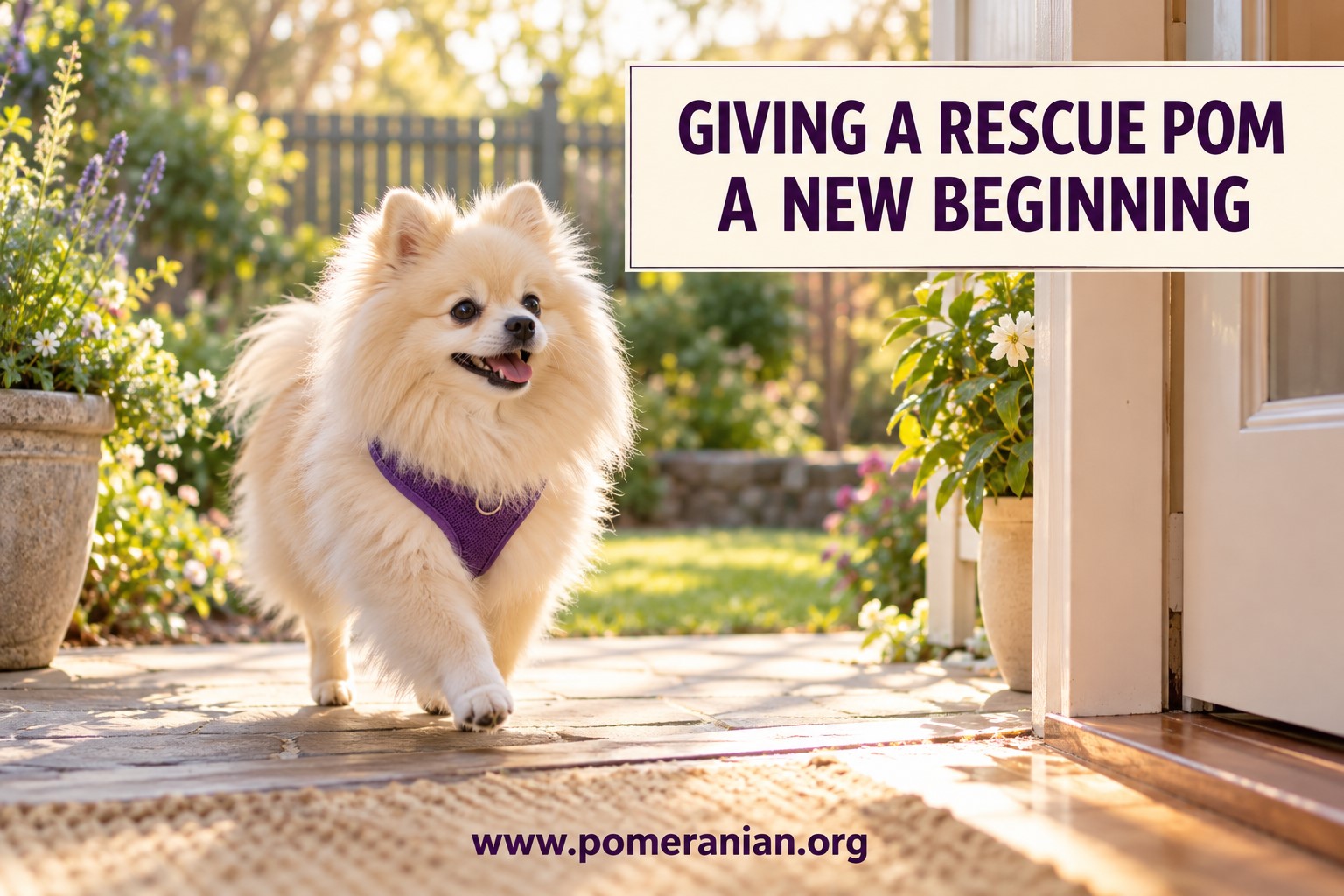
Helping a Rescue Pomeranian Cope With Being Alone
Some rescue Pomeranians become very attached to their new owners and may feel distressed whenever they are left alone. Your Pom may follow you from room to room, bark, whine, scratch at doors or become restless when unable to see you. This behaviour may reflect insecurity rather than disobedience.
During the first few days, allow your Pom to remain close while adjusting to the new home. Once your dog appears more settled, begin practising very short periods of separation. Step out of sight for a few seconds and return calmly before your Pom becomes distressed. Gradually increase the time as confidence develops.
Avoid making a great fuss when leaving or returning. Provide a comfortable resting area and a safe activity, such as a suitable food-filled toy, if your Pom enjoys one. Practise separation when you are still at home so that being alone does not always predict a lengthy absence.
Never punish barking, toileting or destructive behaviour caused by distress. Severe separation-related behaviour usually requires more than simply allowing the dog to “cry it out.” If your rescue Pom panics, attempts to escape, injures themselves or cannot settle when left alone, consult your veterinarian or a qualified dog behaviour professional.
Toilet Training a Rescue Pomeranian
A rescue Pomeranian may never have received proper toilet training. Dogs previously kept in confined conditions may have been forced to toilet where they slept, making it difficult for them to understand the difference between a sleeping area and a toilet area.
Begin with a consistent routine. Take your Pom to the chosen toilet place after waking, eating, drinking, playing and before bedtime. At first, additional toilet opportunities may be needed every few hours. Quietly praise and reward your dog immediately after toileting in the correct place.
Supervise your rescue Pom closely inside the home. Signs that your dog may need to toilet include sniffing, circling, wandering away or becoming restless. If you cannot supervise, use a comfortable exercise pen containing a separate bed and toilet area rather than giving unrestricted access to the house.
Never scold or punish your Pomeranian for an accident. Punishment can create fear and may teach a dog to hide when toileting. Clean the area thoroughly with an enzymatic pet cleaner to remove the odour and reduce the likelihood of repeated accidents.
Frequent urination, straining, excessive thirst or a sudden loss of toilet training may indicate a medical problem rather than a behavioural issue. Arrange a veterinary examination if you notice any of these signs. Patience, supervision and a predictable routine are the foundations of successful toilet training.
Finding a Reputable Pomeranian Rescue and Adoption Network
If you are searching for a Pom to adopt, begin with registered animal shelters, established breed rescue organisations and recognised welfare groups. Searching for terms such as Pomeranian rescue, Pom rescue, Pomeranian rescue and networking group or Pomeranian rescue and adoption network may help you find organisations in your area.
Before applying or paying an adoption fee, confirm that the organisation is genuine. A reputable rescue should be willing to explain its adoption process, provide available veterinary and microchip records, discuss the dog’s known behaviour and answer reasonable questions about its history.
Be cautious if someone pressures you to pay immediately, refuses to speak with you, uses copied photographs or claims that a dog must be transported before you can receive any information. Search the organisation’s name independently, check its contact details and never rely solely on a social media page.
A responsible Pomeranian rescue and adoption network will usually ask questions about your household, experience, other pets and ability to provide lifelong care. This screening process helps the organisation choose a suitable home for each dog and should not be viewed as an inconvenience.
Availability may be limited, and the right Pomeranian may not appear immediately. Be patient and consider the individual dog’s temperament, health and needs rather than choosing solely by age, colour or appearance. The best adoption is one that provides a safe, suitable and permanent home.
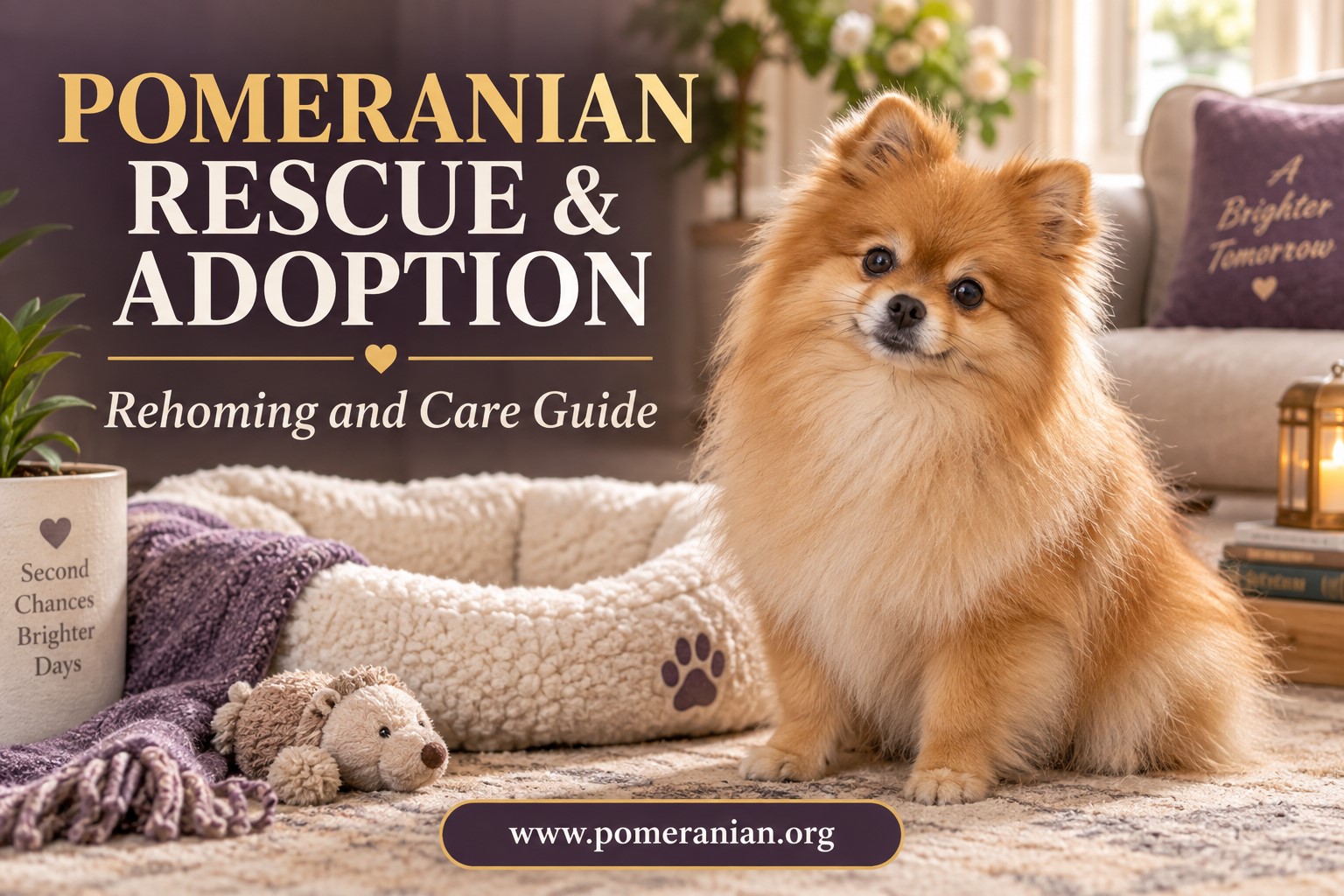
Patience and Love Can Transform a Rescue Pom’s Life
Rescue Pomeranians can show remarkable resilience. With safety, patience and consistent care, many learn to trust again and enjoy the simple pleasures of sleeping in a comfortable bed, playing with toys, exploring the garden and spending time with their new family.
Some dogs settle quickly, while others carry the effects of neglect, instability or frightening experiences for much longer. Love is important, but a rescue Pom may also need veterinary care, patient training and professional behavioural support. Progress should always occur at the dog’s own pace.
Watching a once-frightened Pomeranian begin to play, seek affection and feel secure is incredibly rewarding. By offering a safe and permanent home, you are giving a rescue Pom the opportunity to enjoy the happy and comfortable life every dog deserves.
Pomeranian Rescue FAQs
Where can I find a Pomeranian rescue?
Contact registered animal shelters, breed-specific rescue organisations and reputable welfare groups. Searching for a Pomeranian rescue and adoption network in your area may also help.
How long does a rescue Pom take to settle?
Some rescue Pomeranians settle within days, while others need several weeks or months. Maintain a calm routine and allow your Pom to adjust at their own pace.
Should a rescue Pomeranian see a veterinarian?
Yes. Arrange a veterinary examination soon after adoption and take any available health, vaccination, treatment and microchip records with you.
Can rescue Pomeranians live with other pets?
Many can live happily with other animals, but introductions should be gradual and supervised. Consider each dog’s temperament, history and size before allowing close contact.
Are online Pom rescue groups trustworthy?
Some are genuine, but always verify a Pom rescue or Pomeranian rescue and networking group before paying money or sharing personal information. Be cautious of copied photographs, pressure to pay immediately and transport scams.
Final Thoughts
Adopting a rescue Pomeranian can be a wonderfully rewarding experience. With patience, veterinary care, a secure routine and plenty of understanding, your rescue Pom can learn to feel safe, loved and truly at home.
Copyright Pomeranian.org. All Rights Reserved.
📚 References & Further Reading
- [1] AKC Pomeranian Breed Standard (2011)
- [2] English Kennel Club Breed Standard
- [3] The Pomeranian Handbook – Denise Leo
- [4] Denlinger, The Complete Pomeranian
- [5] Kimbering, 1891–1991
- [6] Taplin, The Sportsman’s Cabinet
- [7] Parker, The Popular Pomeranian
- [8] Ives, Show Pomeranians