
How can you tell if your dog is a full-breed Pomeranian? Perhaps you are choosing a puppy, checking your dog’s background or wondering why your Pom looks different from others you have seen.
The best starting point is your dog’s Pomeranian pedigree. Official pedigree papers document its recorded ancestry, while DNA parentage testing can help verify its named parents. Appearance provides clues, but a fluffy coat, small size or fox-like face alone cannot prove that a dog is a purebred Pomeranian.
It is also important to understand that a dog without papers may still be purebred. However, without reliable ancestry records, confirming its background becomes more difficult. Commercial DNA breed tests can estimate ancestry, but they do not replace kennel club registration papers.
As a Pomeranian breeder and exhibitor since 1975, an ANKC Pomeranian Specialist Judge and the breeder of over 100 champions under the Dochlaggie prefix, I understand the confusion surrounding these terms. In this guide, I explain what a pedigree Pomeranian is, which documents to check and what DNA testing can—and cannot—tell you.

Quick Answer: How Can You Tell If Your Dog Is a Purebred Pomeranian?
The best starting point is a verifiable Pomeranian pedigree issued by a recognised kennel organisation. This records your dog’s ancestry and identifies its registered parents.
To check whether your dog is a purebred Pomeranian:
- Check its pedigree papers. Confirm that the documents belong to your dog and contact the issuing organisation if you have questions.
- Ask the breeder about its parents. Request their registered names and details of your puppy’s registration.
- Understand any DNA results. Parentage testing checks specific parents, while commercial breed ancestry testing estimates breed background.
- Treat appearance as a clue. Size, coat and facial features cannot establish ancestry on their own.
A dog without papers may still be purebred, but its ancestry may be unverified. Likewise, a DNA result reporting Pomeranian ancestry does not automatically make it a registered pedigree Pomeranian.

What Is a Purebred Pomeranian?
A purebred Pomeranian is a dog whose ancestry belongs to the Pomeranian breed. Being purebred relates to the dog’s lineage—not simply its size, fluffiness or resemblance to a photograph.
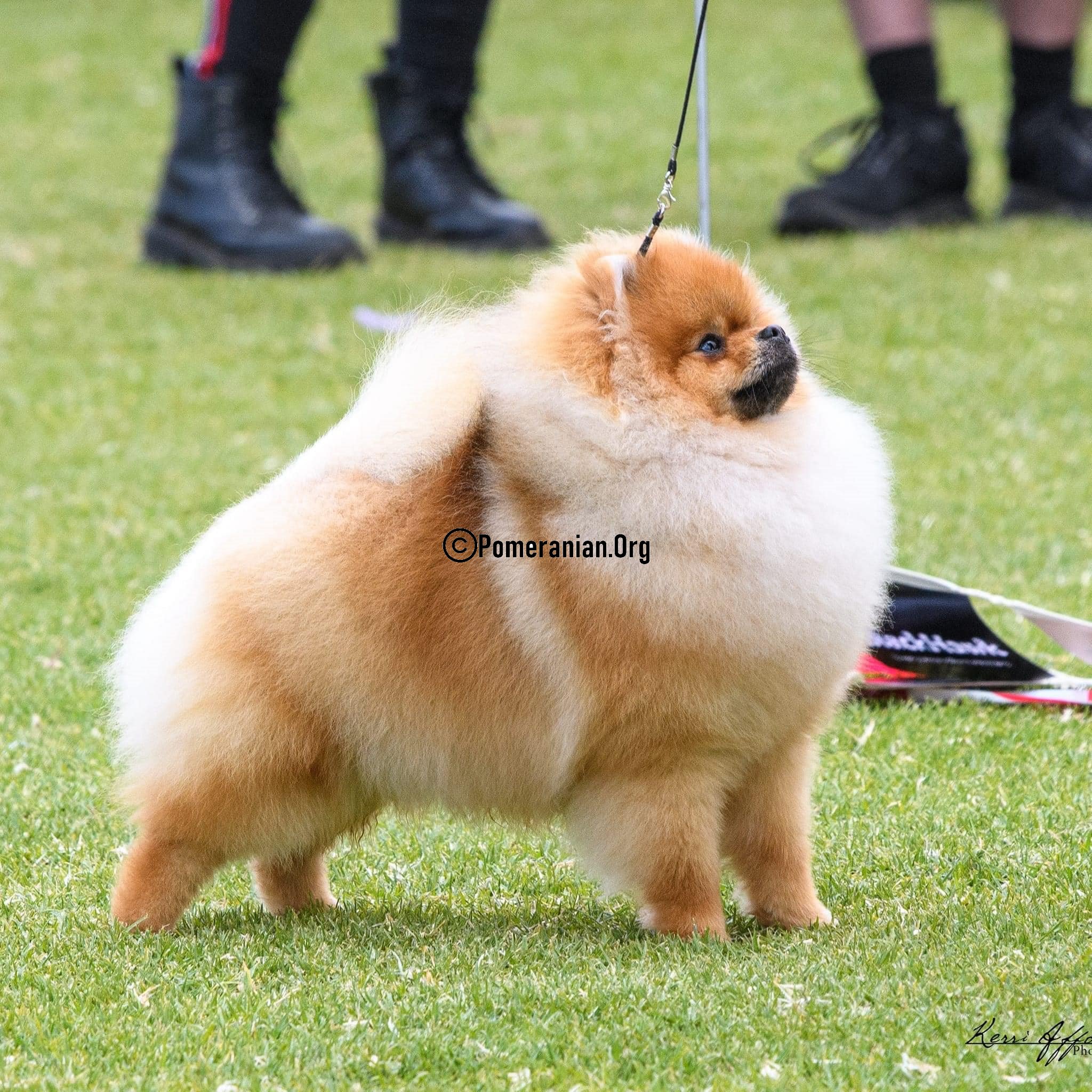
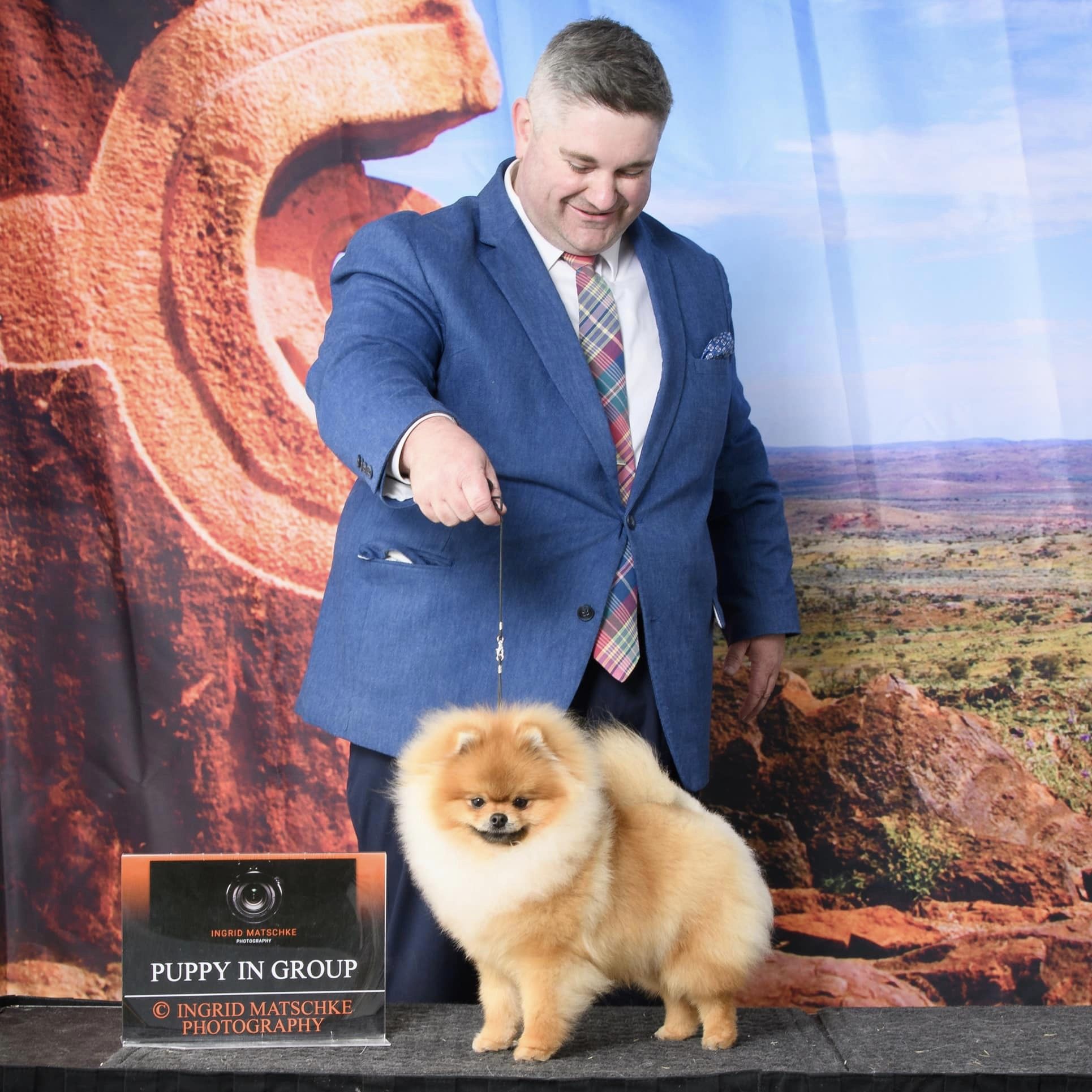
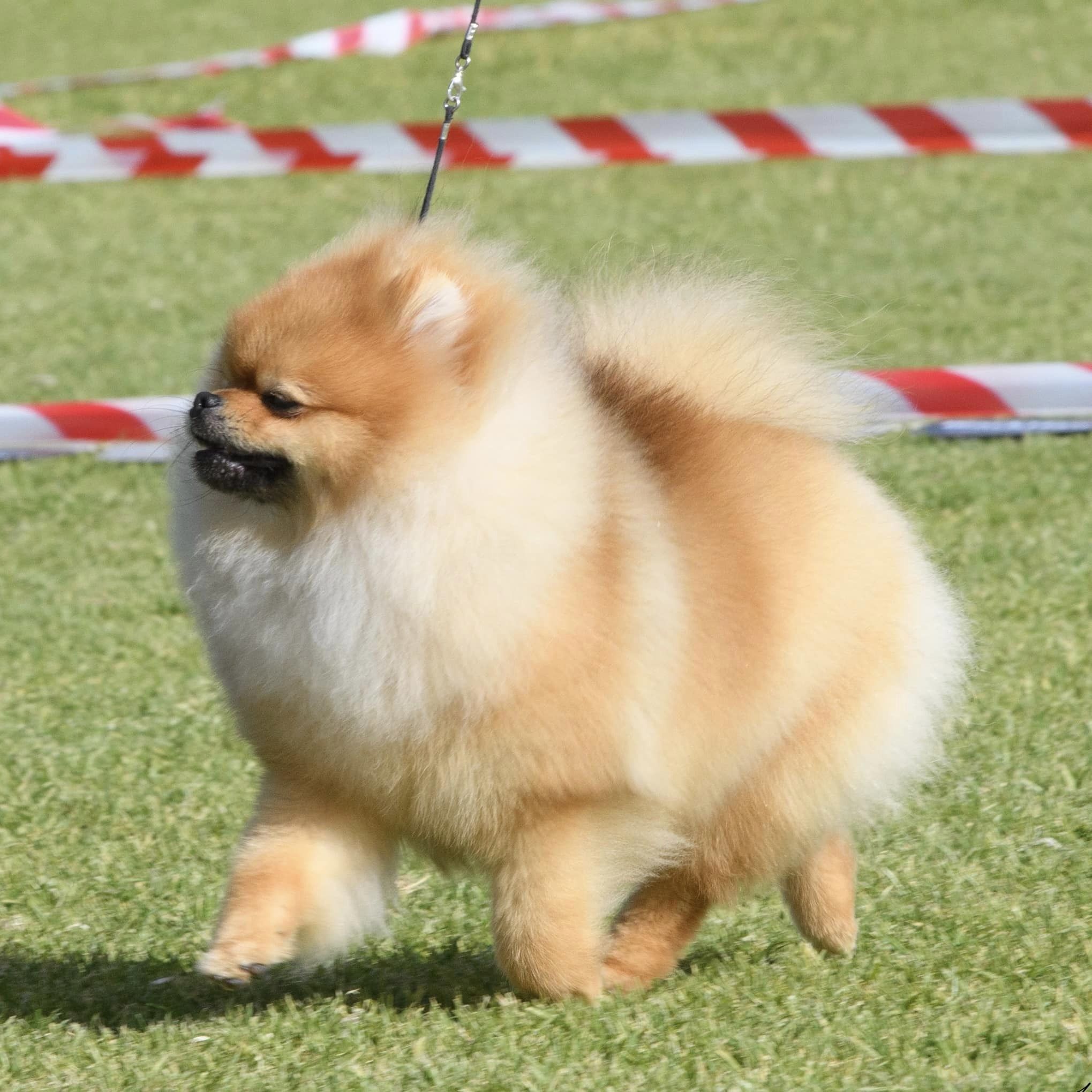
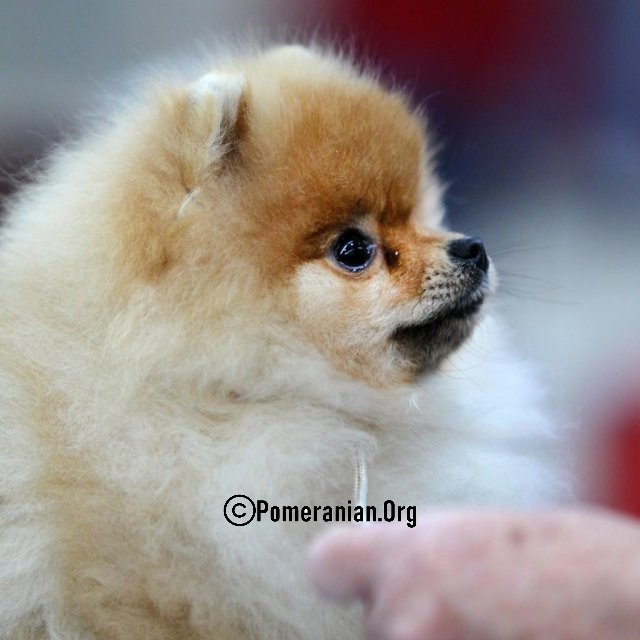
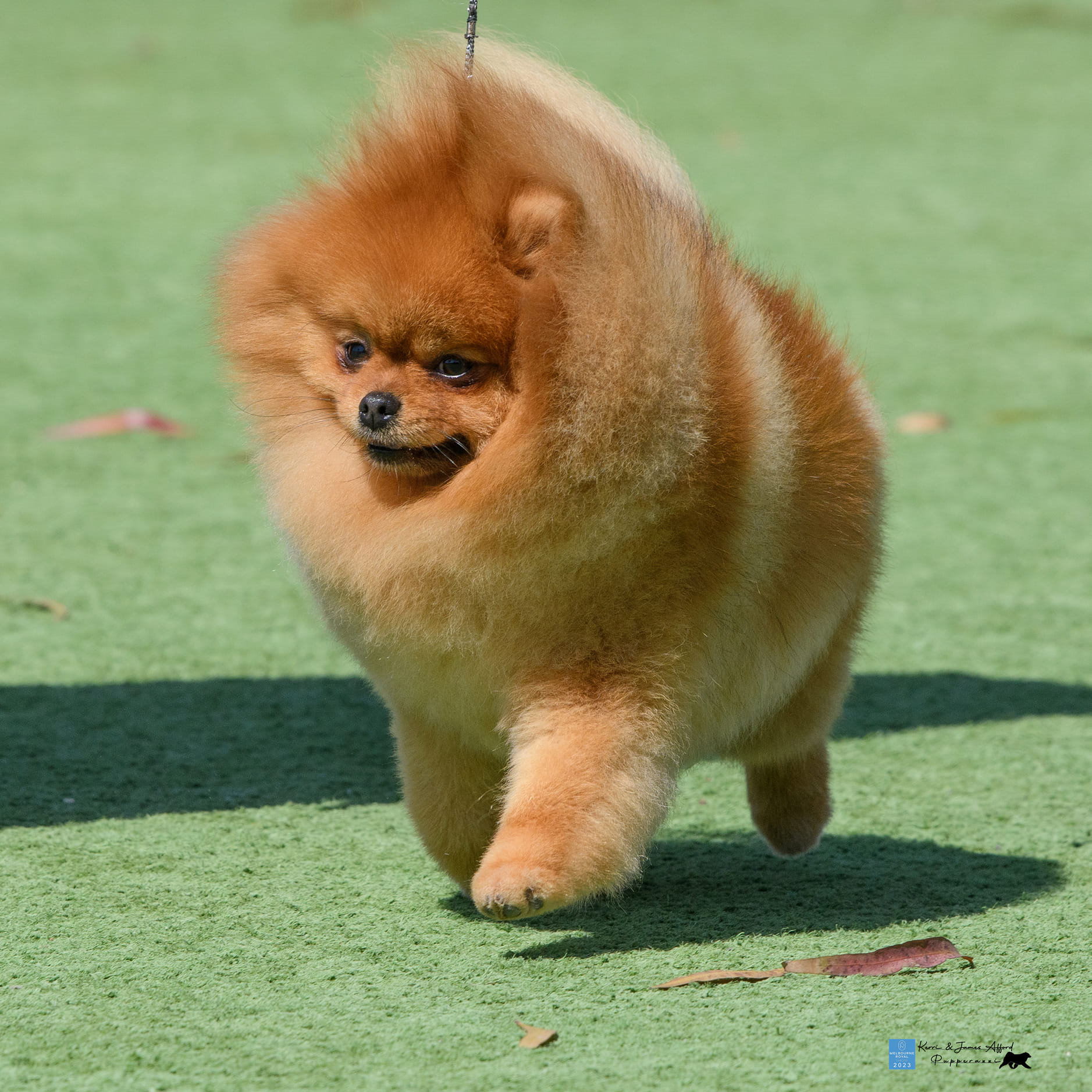
Pomeranians typically have small upright ears, a compact body, a double coat and a plumed tail carried over the back. However, these features alone cannot confirm ancestry because other Spitz breeds and some crossbred dogs share similar characteristics.
Purebred Pomeranians also vary in appearance. Not every puppy will develop into a show-quality adult, and differences in size, coat or proportions do not automatically mean a dog is mixed breed.

What Is a Pedigree Pomeranian?
A pedigree is a record of a dog’s family history, including its parents, grandparents and earlier generations. In everyday use, “pedigree Pomeranian” usually refers to a Pomeranian with ancestry documented through a recognised kennel organisation.
Your dog’s Pomeranian pedigree papers allow you to trace its recorded lineage. They are different from vaccination certificates, microchip records and council registration documents.
The distinction is straightforward:
- Purebred describes the dog’s ancestry within a breed.
- Pedigree refers to its recorded family history.
- Registered means the dog has been entered into a particular organisation’s registry.
A dog may be purebred without registration papers, but missing records can make its ancestry difficult to verify. When buying a puppy advertised as a registered pedigree Pomeranian, ask which organisation issues the papers and what documents you will receive.


How to Check Your Pomeranian’s Pedigree Papers
If your dog was sold as a registered pedigree Pomeranian, check that the papers relate to your particular dog. The parents’ registration certificates alone do not establish that your puppy has been registered.
A Pomeranian pedigree or registration certificate will usually include:
- The issuing organisation: the kennel organisation responsible for the registration.
- Your dog’s registered name and number: its official name may differ from the pet name you use at home.
- Breed, date of birth and sex: check these against the information supplied by the breeder.
- Breeder and ownership details: ask about any transfer paperwork needed.
- The sire and dam: the registered names of your dog’s father and mother.
- Earlier generations: a pedigree generally records several generations of ancestors.
Where a microchip number appears, check that it matches your dog’s microchip record. The format and information shown will vary between organisations.
What Does the Breeder Mean by “Papers”?
Ask specifically whether your puppy will receive official kennel club pedigree registration papers.
A vaccination certificate records vaccinations. A microchip record identifies the dog, and council registration records it with the local authority. These documents are useful, but they do not verify a Pomeranian’s pedigree.
Before buying, ask the breeder:
“Which kennel organisation will register this puppy, what registration documents will I receive, and when will I receive them?”
If anything is unclear, contact the issuing kennel organisation directly. It can explain its documents and the process for checking registration details.
Pedigree papers document recorded ancestry; they do not guarantee health, temperament or show quality. Assess those separately through the breeder’s records, relevant health checks and how the puppy has been raised.

How Can You Tell If Your Dog Is Full Breed Without Papers?
Without pedigree papers, confirming that your dog is a purebred Pomeranian can be difficult. Appearance may suggest Pomeranian ancestry, but it cannot establish your dog’s family history.
Missing papers do not automatically mean a dog is crossbred. Its documents may have been lost during rehoming, or the breeder may never have registered the litter.
Start With the Breeder or Previous Owner
Ask whether your dog was registered and whether they have its registered name, registration number or a copy of its Pomeranian pedigree.
If the dog was registered, contact the issuing kennel organisation about obtaining replacement documents. You may need help from the breeder or recorded owner to complete the process.
Gather Any Available Background Information
Useful information may include the parents’ registered names, litter details, purchase documents and previous ownership records.
Photographs of the parents can provide context, but they do not verify parentage. Likewise, a breed description on a veterinary or microchip record may have been supplied by an owner rather than checked against pedigree documents.
Consider What DNA Testing Can Tell You
A commercial breed ancestry test may help you explore your dog’s background. However, it estimates ancestry by comparing DNA with the testing company’s reference database.
DNA parentage verification answers a different question: whether particular tested dogs are your dog’s biological parents. It requires suitable DNA information from the proposed parents.
Neither type of test automatically replaces missing pedigree papers or makes your dog eligible for kennel club registration.
What If You Cannot Confirm Its Ancestry?
If reliable records are unavailable, your dog’s ancestry may remain uncertain. You can describe its appearance and discuss any DNA findings without claiming more than the evidence supports.
Your companion’s pedigree status does not change the affection you share. Understanding its background simply helps you distinguish a documented pedigree Pomeranian from a dog whose ancestry has not been verified.

Can Appearance Identify a Purebred Pomeranian?
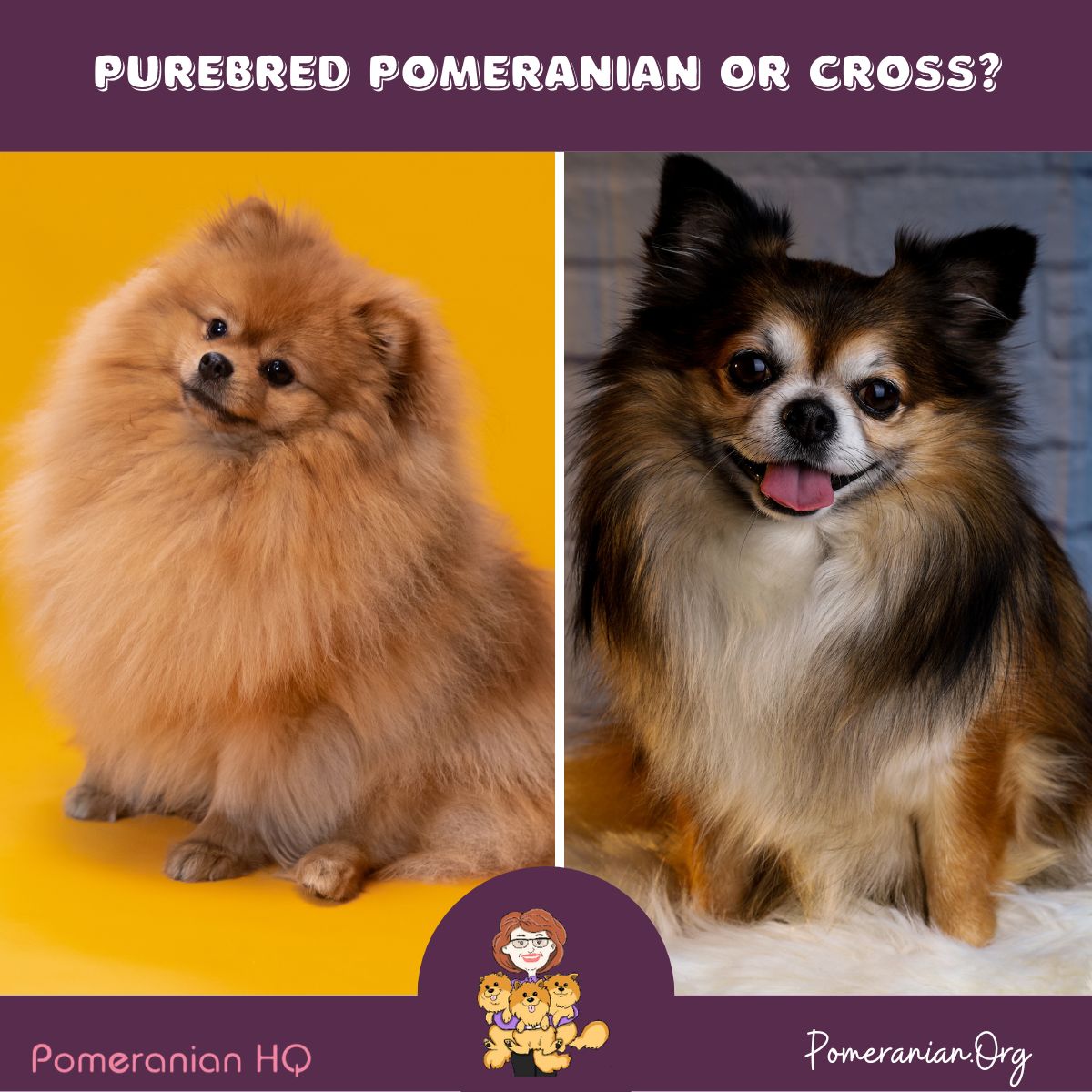
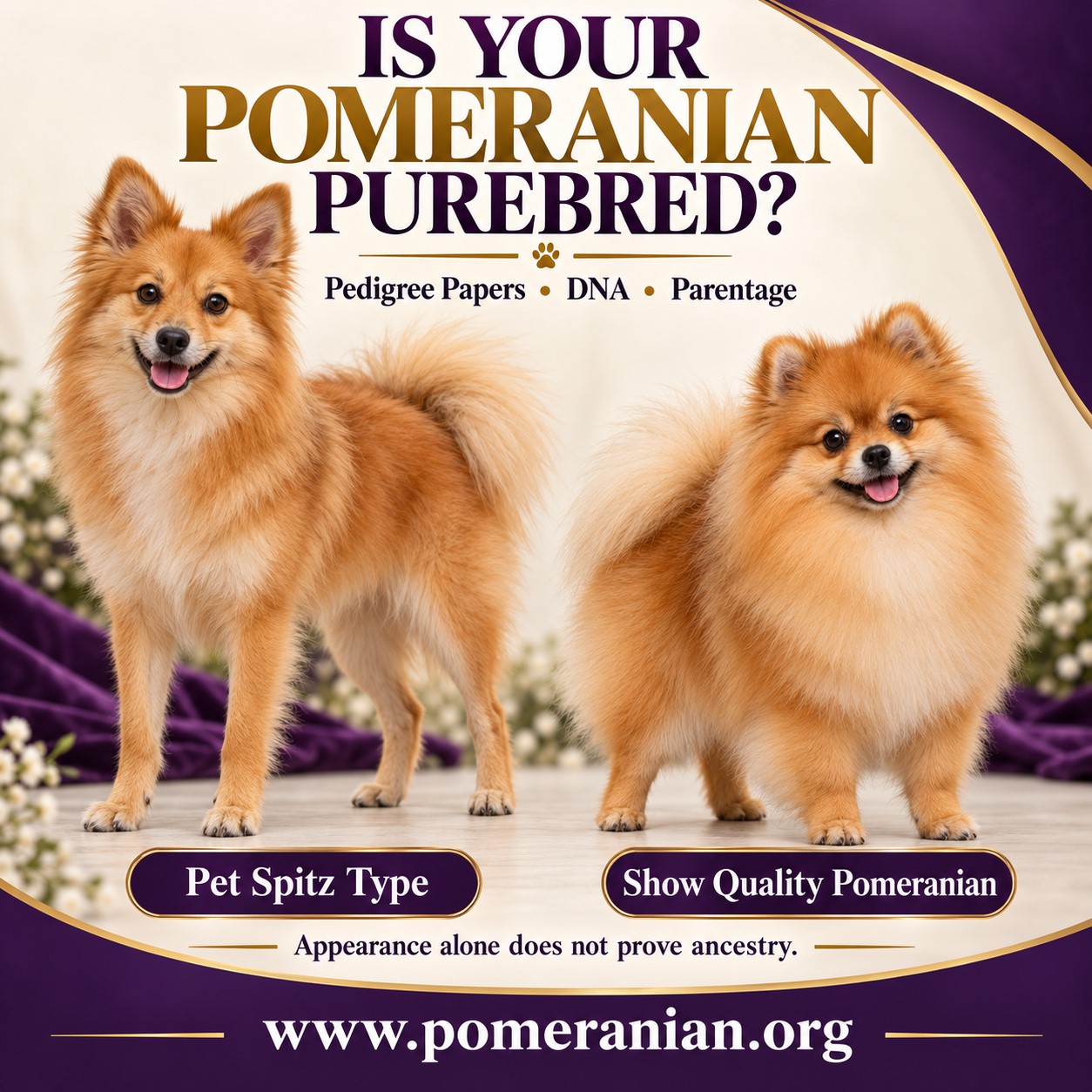
Appearance can help you recognise Pomeranian characteristics, but it cannot prove that a dog is a purebred Pomeranian. Some other Spitz breeds and crossbred dogs have similar coats, ears and tails.
Typical Pomeranian features include:
- A compact body with balanced proportions.
- Small, upright ears set on the head.
- A double coat with a soft undercoat and longer outer coat.
- A plumed tail carried over the back.
- An alert expression and lively manner.
These features should be considered together. A fluffy coat alone does not establish breed ancestry, and a dog’s haircut can make its natural appearance harder to assess.
Does a Larger Pomeranian Mean It Is Mixed Breed?
No. A dog’s size alone cannot tell you whether it is purebred.
A Pomeranian may grow larger than the size preferred in the breed standard while still having documented Pomeranian ancestry. Equally, a very small dog is not automatically purebred.
To investigate your dog’s background, check its Pomeranian pedigree and breeder records rather than drawing conclusions from weight alone.
Can the Puppy Uglies Make a Pomeranian Look Different?
Yes. During the transition from puppy coat to adult coat, a Pomeranian may look less fluffy, and its ears, muzzle and legs can appear more prominent.
Owners sometimes worry that these changes mean their puppy is not a full-breed Pomeranian. However, a temporary stage of coat development cannot establish ancestry.
Compare photographs taken at similar ages, rather than comparing a growing puppy with a mature, fully coated show dog.
Are All Purebred Pomeranians Show Quality?
No. Purebred ancestry and show quality are separate matters.
A registered pedigree Pomeranian may have characteristics that make it unsuitable for showing while still being a much-loved companion. Show assessment considers how closely a dog meets the breed standard, including its structure, proportions and movement.
The most useful approach is to assess appearance alongside reliable ancestry records. Neither a photograph nor resemblance to a champion can replace a documented pedigree.
Can DNA Testing Confirm Pomeranian Ancestry?
DNA testing can provide useful information about your dog, but different tests answer different questions. Before purchasing a test or accepting a claim that a puppy is “DNA tested”, find out exactly what the test covers.
Breed Ancestry Tests
Commercial breed ancestry tests compare your dog’s DNA with reference samples to estimate its breed background.
For owners asking, “How can you tell if your dog is full breed?”, these tests may offer clues when pedigree records are unavailable. However, they do not create a documented family history or replace official Pomeranian pedigree papers.
A result reporting “100% Pomeranian” means the company’s analysis assigned the tested ancestry to Pomeranian within its reference system. It does not automatically establish eligibility for kennel club registration.
DNA Profiling and Parentage Verification
DNA profiling provides genetic identification information. When a puppy’s profile is compared with suitable profiles from its proposed sire and dam, parentage testing can check whether those dogs are its biological parents.
This helps breeders verify parentage and maintain accurate pedigree records. However, a DNA profile alone does not identify a dog’s breed, and parentage verification depends on having the relevant parents’ DNA information available.
Genetic Health Tests
Genetic health testing looks for particular variants associated with inherited conditions. It serves a different purpose from ancestry testing or parentage verification.
A health test result does not prove that a dog is a purebred Pomeranian. It also applies only to the variants included in that test.
Questions to Ask About a DNA Test
Before relying on a report, ask:
- Is this an ancestry test, a DNA profile, a parentage test or a health test?
- What information does the result establish?
- Were the puppy’s proposed parents tested?
- Does the report clearly identify the dog sampled?
- Will the relevant kennel organisation accept this test for its particular requirements?
For a registered pedigree Pomeranian, DNA parentage verification can support the recorded ancestry. Commercial ancestry testing provides a breed estimate. Understanding this difference helps you interpret the results correctly.
Can You Get Pedigree Papers for a Pomeranian Without Papers?
The answer depends on whether your Pomeranian was previously registered and whether the records required by the relevant kennel organisation are available.
Replacing lost papers is different from registering a dog whose ancestry has never been documented. A photograph or commercial DNA ancestry result does not automatically qualify a dog for pedigree registration.
If Your Pomeranian Was Already Registered
Contact the breeder or previous owner for your dog’s registered name, registration number and the name of the issuing organisation.
The kennel organisation can explain its requirements for replacement documents and ownership transfers. The recorded owner or breeder may need to apply or provide authorisation.
If the Parents Were Registered but Your Puppy Was Not
Ask the breeder whether the litter was registered and whether your puppy is eligible for registration.
Having registered parents does not mean your puppy has automatically been registered. The breeder will need to address any missing applications or records according to the organisation’s rules.
Before paying for promised paperwork, confirm the process with the organisation concerned.
If Your Pomeranian’s Ancestry Is Unknown
A commercial DNA test may provide an ancestry estimate, but it cannot supply missing generations of registered ancestors.
Contact your country’s recognised kennel organisation to ask what options apply. Some organisations offer separate programmes for participation in certain activities, but these should not be confused with pedigree breed registration.
Be Careful With Offers of “Instant Pedigree Papers”
Before purchasing a certificate, check who issues it and what records support it. A document describing your dog as a Pomeranian is not necessarily evidence of verified ancestry.
For a genuine Pomeranian pedigree, focus on traceable records and the issuing organisation’s registration requirements. If those records cannot be recovered, your dog’s ancestry may remain unverified.
Questions to Ask Before Buying a Purebred Pomeranian
If you want a registered pedigree Pomeranian, clarify the puppy’s registration and ancestry before committing to a purchase. Ask for specific information rather than relying on phrases such as “purebred”, “has papers” or “DNA tested”.
Will This Puppy Receive Official Pedigree Papers?
Ask which kennel organisation will register the puppy, what documents you will receive and when they will be supplied.
The breeder should explain the puppy’s registration status and any restrictions that apply. Record these details in your purchase agreement.
Can You Explain the Puppy’s Pomeranian Pedigree?
Ask for the registered names of the sire and dam and information about the puppy’s ancestry.
A knowledgeable breeder should be able to discuss their dogs, explain the purpose of the mating and describe what they hope to preserve or improve in their breeding programme.
What Health Checks and DNA Tests Have Been Completed?
Request details of the parents’ relevant health checks and the puppy’s veterinary examination.
If the breeder says their dogs are “DNA tested”, ask whether this means genetic health testing, DNA profiling or verified parentage. These tests serve different purposes.
What Can You Tell Me About the Puppy’s Development?
Discuss temperament, socialisation, grooming experience and the puppy’s current routine. Ask what the breeder expects as the puppy grows, while recognising that adult size and appearance cannot be guaranteed precisely.
A responsible breeder should give realistic guidance rather than promising that every puppy will become a tiny, fully coated show dog.
What Support Will You Provide After Purchase?
Ask whether the breeder will help with settling in, feeding, grooming and other questions. Also discuss their policy if you can no longer keep the dog.
Choosing a purebred Pomeranian involves more than checking papers. Consider documented ancestry alongside health, temperament, how the puppy has been raised and the breeder’s knowledge and ongoing support.
Purebred Pomeranian and Pedigree FAQs
Before buying a Pomeranian puppy, ensure it has been DNA tested to verify correct parentage. Ask the breeder for a parentage verification report confirming that the puppy matches its named sire and dam.
How can you tell if your dog is full breed?
Start with a verifiable pedigree from a recognised kennel organisation. This documents your dog’s recorded ancestry. DNA parentage verification can support those records, while appearance alone cannot prove that a dog is purebred.
What is the difference between a purebred Pomeranian and a pedigree Pomeranian?
“Purebred Pomeranian” describes ancestry within the Pomeranian breed. “Pedigree Pomeranian” usually refers to a dog with a documented family history. When buying a puppy, ask whether its pedigree is recorded with a recognised kennel organisation.
Should I check DNA parentage before buying a Pomeranian puppy?
Yes. Ask for a DNA parentage verification report confirming that the puppy’s biological parents are the sire and dam named by the breeder. Check that the report identifies the puppy and both parents. “DNA tested” can refer to several different tests, so request confirmation that parentage has actually been verified.
Can a Pomeranian be purebred without papers?
Yes. Missing paperwork does not change a dog’s ancestry. However, without reliable records, it may be difficult to verify that ancestry.
Does a DNA result showing 100% Pomeranian replace pedigree papers?
No. A commercial DNA ancestry result estimates breed background using the provider’s reference database. It does not replace a registered Pomeranian pedigree, verify the named parents or automatically establish eligibility for registration.
Can you tell if a Pomeranian is purebred from a photograph?
No. A photograph may show typical breed features, but it cannot establish parentage. Age, coat development, grooming and camera angle can also affect how a dog looks.
Is a larger Pomeranian necessarily mixed breed?
No. Size alone does not establish ancestry. A Pomeranian can grow larger than the size preferred in the breed standard while still having documented Pomeranian ancestry.
Does a thin puppy coat mean my Pomeranian is not purebred?
No. Pomeranian puppies can look less fluffy during the transition to their adult coat. This stage, often called the puppy uglies, does not determine whether a puppy is purebred.
Are vaccination and microchip documents pedigree papers?
No. Vaccination documents record vaccinations, and microchip records help identify a dog. Neither provides a verified record of its ancestors.
Do pedigree papers guarantee a healthy, show-quality Pomeranian?
No. Pedigree papers document recorded ancestry. Health, temperament and suitability for showing must be assessed separately.
How do I replace lost Pomeranian pedigree papers?
Contact the breeder or previous owner for the dog’s registration details, then ask the issuing kennel organisation about its replacement process. The recorded owner may need to apply or authorise the request.

Conclusion
To check whether your dog is a purebred Pomeranian, start with its pedigree papers and reliable breeder records. Appearance alone cannot prove ancestry, and commercial DNA breed tests do not replace a documented Pomeranian pedigree.
Before buying a puppy, ask for DNA parentage verification confirming its named sire and dam. Checking these details helps you choose your new companion with confidence.
Copyright Pomeranian.Org. All Rights Reserved.
References and Further Reading:
[1] Denise Leo “The Pomeranian Handbook.”
[2] Official Standard of the Pomeranian (AKC). American Kennel Club, 2011.
[3] Official English Kennel Club Pomeranian Breed Standard, 2017.
The Pomeranian HandBook by Denise Leo