
Written by Denise Leo, ANKC Pomeranian specialist judge and preservation breeder with over 50 years of experience breeding, exhibiting, and living with champion Pomeranians worldwide. Over decades, I have raised generations of dogs and seen firsthand how proper nutrition affects coat quality, condition, energy, and overall wellbeing—both in the show ring and as beloved companions. This guide shares what I have learned over a lifetime with this wonderful breed.
Homemade dog food for Pomeranians is becoming increasingly popular with owners who want greater control over ingredients, freshness, and food quality. This page explains how to approach home-cooked meals for Pomeranians, what makes a balanced diet for this toy breed, and how to make more informed feeding decisions.
This practical guide covers Pomeranian food recipes, healthy treat ideas, ingredient choices, and important feeding principles for small dogs. Whether you are new to home cooking or looking to improve your Pom’s diet, the goal is always the same—providing safe, nutritious meals that support long-term health.
Both high-quality commercial diets and properly balanced homemade meals can be suitable for Pomeranians when chosen carefully. The most important factor is nutritional balance, because even fresh home-prepared food must provide the protein, fats, vitamins, and minerals your dog needs to thrive.
If you are considering a homemade diet for your Pomeranian, you are certainly not alone. Many owners explore home cooking because they want to know exactly what goes into the food bowl and to choose ingredients that suit their own dog’s age, condition, and preferences.
Can Pomeranians Eat Homemade Dog Food?
Yes, Pomeranians can eat homemade dog food when meals are properly balanced and suited to their size, age, and health needs. A healthy homemade diet for Pomeranians should include quality protein, appropriate fats, digestible ingredients, and the vitamins and minerals needed to support coat quality, energy, and overall wellbeing.
Pomeranian Dog Food Recipes Book
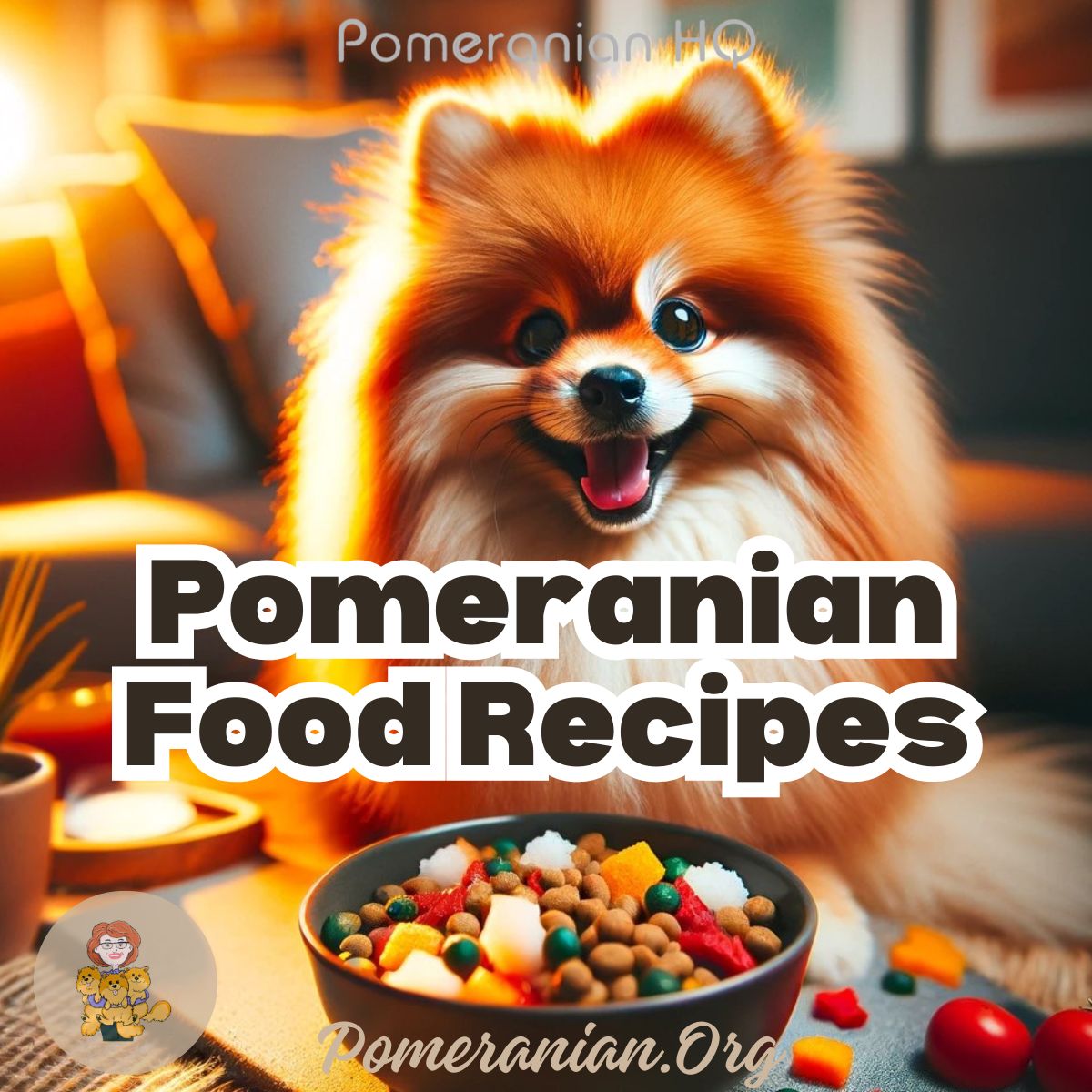
If you want to start preparing homemade dog food for Pomeranians, my recipe book is designed to help you begin with confidence.
It includes a wide variety of Pomeranian food recipes, from everyday meals to healthy treats, all created with the needs of this small and active breed in mind.
Many owners explore home cooking for their Pomeranian because they want fresher ingredients, more control over food quality, and greater variety in their dog’s diet. If you have been thinking about making homemade meals for your Pom, you are certainly not alone.
Below are some of the most common reasons owners start looking beyond standard commercially produced dog food.
Pawsitively Delicious: 250 Pages of Gourmet Recipes for Pomeranians
This recipe collection includes a wide variety of homemade meals, snacks, treats, broths, and special extras for Pomeranians. Recipes are organised into practical categories so owners can easily find ideas for everyday feeding and occasional treats.
- BREAKFAST DELIGHTS.
- Fluffy Peanut Butter Pancakes.
- Chicken and Egg Breakfast Scramble.
- Apple Cinnamon Oatmeal Bowl
- Blueberry Banana Pancake Bites.
- Sweet Potato Hash with Turkey.
- Yogurt Parfait with Berries.
- Carrot and Apple Breakfast Muffins.
- Turkey Sausage and Cheese Omelet.
- Egg Mini Quiches.
- Banana Peanut Butter Breakfast Smoothie.
- Pumpkin Spice Pancakes.
- Salmon and Egg Breakfast Bowl
- Cheese Egg Muffins for Dogs.
- Ham and Cheese Breakfast Sandwich.
- Cranberry Almond Breakfast Bars.
- WHOLESOME SNACKS.
- Carrot and Apple Bites.
- Frozen Yogurt Popsicles.
- Sweet Potato Chips.
- Blueberry and Banana Smoothie Treats.
- Peanut Butter and Pumpkin Cookies.
- Chicken and Cheese Biscuits.
- Bean and Cheese Muffins.
- Watermelon and Mint Ice Cubes.
- Coconut and Oat Bars.
- Turkey and Cranberry Bites.
- Cheese and Carrot Sticks.
- Green Bean Crunchies.
- Tuna and Rice Balls.
- Banana and Peanut Butter Frozen Treats.
- HEARTY SOUPS AND STEWS.
- Chicken and Vegetable Stew with Brown Rice.
- Beef and Barley Stew with Carrots and Peas.
- Turkey and Sweet Potato Chowder.
- Turkey Soup with Quinoa.
- Lamb and Lentil Stew with Green Beans.
- Chicken and Pumpkin Stew with Apples.
- Beef and Potato Soup with Green Peas.
- Turkey and Rice Stew with Carrot.
- Fisherman’s Catch Chowder with Mixed Veggies.
- Pork and Potato Stew.
- Chicken and Rice Soup with Celery and Parsley.
- Turkey and Pumpkin Stew with Zucchini
- Lamb and Brown Rice Soup with Butternut Squash.
- TASTY TREATS.
- Cheesy Chicken Meatballs.
- Peanut Butter and Banana Biscuits.
- Turkey Jerky Strips.
- Carrot and Apple Pupcakes.
- Pumpkin and Oatmeal Cookies.
- Blueberry and Yogurt Drops.
- Beef Liver Bites.
- Cheese and Oats Square Cookies.
- Tuna and Rice Balls.
- Chicken and Carrot Muffins.
- Cranberry and Turkey Treats.
- Cheese and Bacon Twists.
- Sweet Potato and Chicken Nuggets.
- Coconut Chews.
- NUTRITIOUS MAIN COURSES.
- Salmon and Sweet Potato Mash.
- Turkey and Quinoa Bowl
- Beef and Vegetable Stir-Fry.
- Chicken and Brown Rice Casserole.
- Lamb and Pea Stew.
- Tuna and Beans Pasta.
- Pork and Carrot Medley.
- Venison and Potato Hash.
- Duck and Green Bean Stir-Fry.
- Rabbit and Pumpkin Stew.
- Bison and Bean Bowl.
- Cod and Cauliflower Bake.
- Kangaroo and Sweet Pea Mash.
- Trout and Zucchini Medley.
- SUPPLEMENTS AND BROTHS.
- Chicken Bone Broth Boost.
- Omega-3 Power Bites.
- Pumpkin Puree Pup Potion.
- Glucosamine Gelatin Gummies.
- Coconut Oil Coolers.
- Calcium Crunchies.
- Probiotic Paradise.
- Carrot Calcium Cookies.
- Turmeric Tonic.
- Flaxseed Fiber Fix.
Start Cooking Healthy Homemade Meals for Your Pomeranian
Discover my Pomeranian Food Recipes eBook, packed with homemade meal ideas, healthy treats, and practical inspiration created especially for Pomeranians.
If you want more control over ingredients and would love to prepare fresh, delicious meals for your Pom, this book is the perfect place to begin.
- Recipes designed with Pomeranians in mind
- Meal ideas, treats, broths, and extras
- Easy-to-follow inspiration for home cooking
- Created by Denise Leo, Pomeranian breed expert
What Is the Best Food for a Pomeranian?
The best food for a Pomeranian is a balanced diet that suits the individual dog. Some Pomeranians do well on carefully selected commercial diets, while others may do well on properly planned homemade meals. The right choice depends on the dog’s age, activity level, health, digestion, and the owner’s ability to provide consistent, balanced feeding.
When comparing commercial food and homemade dog food for Pomeranians, the goal should never be hype or trend-driven feeding. The real priority is choosing a diet that provides appropriate nutrition, quality ingredients, and long-term support for your dog’s health and condition.
For owners who prefer home cooking, meals must be prepared correctly. Fresh ingredients alone do not automatically make a diet complete. Pomeranians are a toy breed and still need the right balance of protein, fats, vitamins, minerals, and variety to remain healthy.
Why Some Owners Prefer Homemade Dog Food for Pomeranians
Many owners begin exploring homemade diets because they want greater transparency about ingredients and more control over what their Pomeranian eats. This is especially common in homes where owners are concerned about food quality, sensitivities, digestibility, or the amount of processing in some manufactured diets.
Not all commercial dog foods are poor quality, and many can be suitable when chosen carefully. However, some owners feel more confident preparing meals themselves because they can select the meats, vegetables, and other ingredients used in each recipe.
Home cooking can also be useful when a dog has specific preferences or does better with particular proteins or ingredients. The key is not simply to replace commercial food, but to do so in a way that keeps the diet balanced and appropriate for a small breed.
Important: Homemade Diets Must Be Balanced
The biggest mistake owners make with homemade dog food is assuming that fresh ingredients automatically create a balanced diet. They do not.
Pomeranians need the right combination of protein, fats, carbohydrates if used, vitamins, minerals, and variety. An unbalanced homemade diet can lead to nutritional deficiencies and long-term health problems, even when the owner has the best intentions.
If you decide to feed homemade meals, do it carefully. The goal is not simply fresh food. The goal is a balanced homemade diet for Pomeranians that supports healthy growth, coat quality, body condition, and long-term wellbeing.
Healthy Ingredients for Pomeranian Diets
A healthy Pomeranian diet should be based on high-quality, balanced ingredients that support coat condition, energy levels, digestion, and overall wellbeing. Whether feeding homemade or commercial food, ingredient quality matters.
Best Protein Sources
- Chicken, turkey, beef, lamb
- Fish such as salmon and sardines
- Eggs (excellent source of protein and nutrients)
Healthy Vegetables
- Carrots, pumpkin, sweet potato
- Green beans and leafy greens
- Vegetables that support digestion and overall health
Carbohydrates (Optional but Useful)
- Rice, oats, barley
- Whole grains (if well tolerated)
Healthy Fats
- Fish oils and natural fats
- Support skin, coat, and overall health
Protein is especially important for Pomeranians, helping maintain muscle, coat quality, and body condition. Meals should always be balanced and suited to your dog’s age and activity level.
The goal is simple: provide a variety of fresh, appropriate ingredients combined into a balanced diet that supports your Pomeranian’s long-term health.
Ingredient Quality Matters
One of the biggest attractions of homemade feeding is ingredient control. When owners prepare meals at home, they can choose the proteins, vegetables, and other ingredients used in every dish.
This allows greater flexibility for dogs with preferences, sensitivities, or owners who simply want to use fresh ingredients they trust. For many Pomeranian owners, that control is one of the main reasons home cooking feels appealing.
However, ingredient quality alone is not enough. Even the freshest homemade food must still be part of a properly balanced diet if it is to support a Pomeranian’s long-term health.
Do Pomeranians Need Grain-Free Food?
Not every Pomeranian needs a grain-free diet. Some dogs do well with grains, while others may do better with different ingredient choices depending on the individual dog.
Rather than assuming grain-free is automatically better, owners should focus on overall diet quality, digestibility, and how the food suits their own Pomeranian. The most important question is whether the diet is balanced and appropriate for the dog—not whether it follows a trend.
If you are planning a homemade diet, ingredients should be selected with care and variety, and any major dietary changes should be discussed with your veterinarian if your dog has health concerns.
Preservatives and Additives in Dog Food
Many owners begin looking into homemade dog food for Pomeranians because they are concerned about the preservatives, additives, artificial colourings, and flavour enhancers found in some commercial pet foods.
While not every manufactured dog food is poor quality, ingredient lists can vary greatly from one brand to another. This is why some owners prefer preparing meals themselves, so they can choose fresh ingredients and reduce their dog’s exposure to unnecessary additives.
For Pomeranian owners who value simplicity and ingredient control, home cooking can feel like a more natural and transparent approach to feeding. The key, however, is always to ensure that homemade meals remain balanced and nutritionally appropriate.
Commercial Dog Food vs Homemade Feeding
Some owners compare lower-quality commercial dog food to convenience or “fast” food—designed for ease and shelf life rather than freshness. While many commercial diets can be suitable when chosen carefully, ingredient quality and processing levels can vary significantly between brands.
For this reason, some Pomeranian owners prefer homemade dog food, where meals can be prepared using fresh ingredients and tailored to their dog’s individual needs.
The key is not whether food is commercial or homemade—but whether it is balanced, appropriate, and supports your Pomeranian’s long-term health.
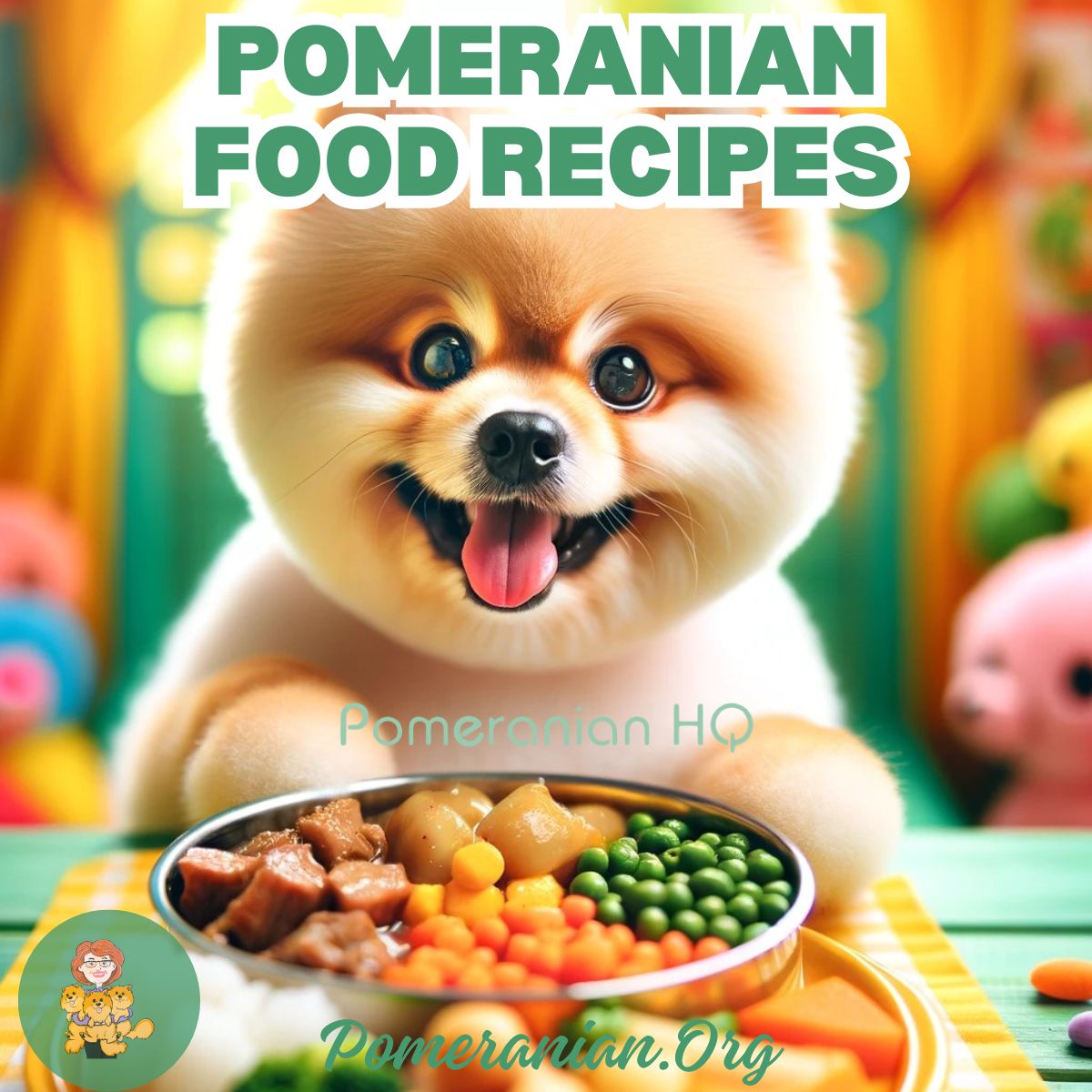
Benefits of Homemade Dog Food for Pomeranians
Homemade dog food for Pomeranians offers greater control, flexibility, and transparency in your dog’s diet.
- Ingredient control – Choose exactly what your Pomeranian eats and avoid unnecessary additives.
- Tailored nutrition – Adjust meals to suit your Pom’s age, condition, and individual needs.
- Protein choice – Select meats that suit your dog, especially for sensitivities or preferences.
- Fresh ingredients – Use foods you trust for better quality and palatability.
- Batch preparation – Cook ahead, portion, and freeze for convenience.
- Cost control – Buy in bulk or on special to manage feeding costs.
- Peace of mind – Know exactly what goes into your Pomeranian’s meals.
When properly balanced, homemade meals can support coat quality, energy, and overall health.
Why Some Owners Move Away from Commercial Dog Food
Many Pomeranian owners explore homemade dog food because of concerns about ingredient quality, processing, and how some foods may affect their dog’s long-term health. While not all commercial diets are poor quality, standards can vary widely between brands.
- Ingredient quality varies – Lower-quality foods may rely on fillers, by-products, or heavily processed ingredients that provide limited nutritional value.
- Additives and preservatives – Some products include artificial colours, flavour enhancers, and preservatives that many owners prefer to avoid.
- Limited ingredient control – With commercial foods, owners cannot always choose specific proteins or tailor diets for sensitivities or preferences.
- Food sensitivities – Some Pomeranians may react to certain ingredients such as wheat, corn, or additives, leading to skin issues, digestive upset, or poor coat condition.
- Lack of variety – Feeding the same food long-term may not suit every dog, particularly if the diet is not well matched to the individual.
- Marketing vs reality – Terms like “balanced and complete” indicate minimum nutritional standards, but do not always reflect ingredient quality or suitability for every dog.
- Dental myths – Dry kibble alone does not reliably maintain dental health, and proper dental care is still essential for Pomeranians.
For these reasons, some owners prefer homemade feeding, where ingredients can be selected carefully and meals tailored to the individual dog. However, whether feeding commercial or homemade food, the priority should always be a balanced, nutritious diet that supports your Pomeranian’s health, coat, and overall wellbeing.
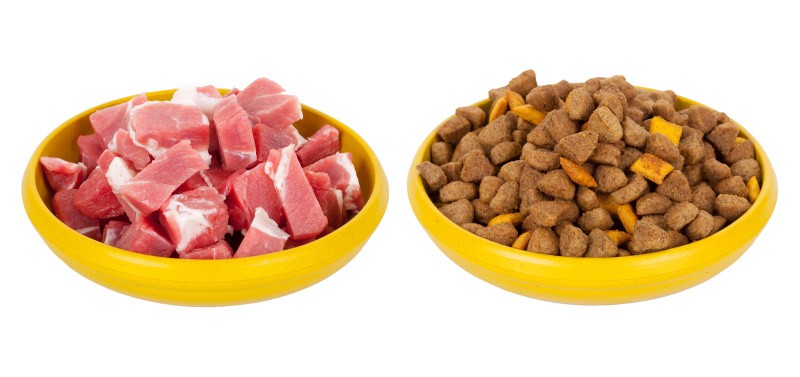
Kibble vs Canned Dog Food
When comparing kibble and canned dog food, the main differences come down to processing, moisture content, and ingredient composition. Kibble is a dry, highly processed product designed for long shelf life, while canned food is preserved through the sealing process and typically contains higher moisture levels.
Because kibble is processed at high temperatures, some nutrients may be reduced during manufacturing. Canned food, while still processed, generally retains more moisture and can be more palatable for some dogs.
Neither option is perfect, and quality varies greatly between brands. Some Pomeranians do well on carefully selected commercial diets, while others may benefit from fresh, home-prepared meals.
For owners seeking alternatives, fresh cooked meals, frozen diets, or freeze-dried options can offer additional variety. The key is always choosing a balanced diet suitable for your Pomeranian.
Important: Avoid feeding rawhide chews and cooked bones, as they can pose choking risks or cause serious digestive injuries. Always choose safe, appropriate chew options for your Pomeranian.
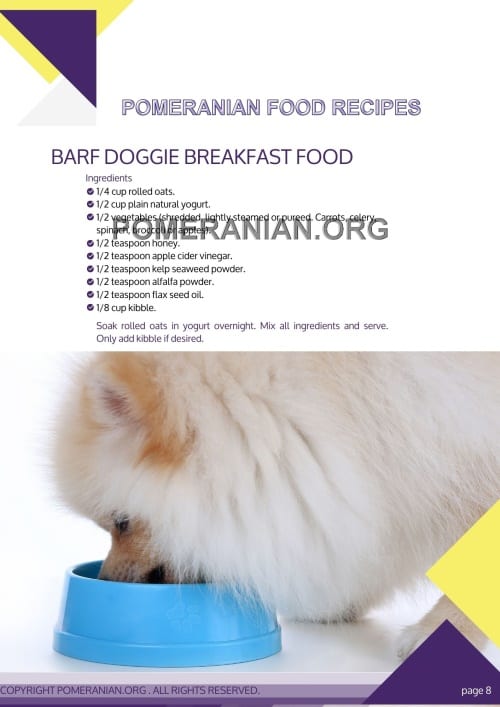
Healthy Feeding Options for Pomeranians
Many foods people eat can also be suitable for Pomeranians when prepared correctly. Fresh meats, vegetables, and other simple ingredients can provide excellent nutrition, as long as harmful foods such as grapes, onions, and heavily seasoned dishes are avoided.
Some owners also explore raw or minimally processed diets, while others prefer cooked meals. Regardless of the approach, the goal is always the same—providing a balanced diet with quality ingredients suited to your dog.
Healthy Ingredients for Pomeranian Diets
- Proteins: chicken, beef, lamb, fish, eggs
- Carbohydrates: rice, oats, barley, whole grains (if suitable)
- Vegetables: carrots, green beans, pumpkin, leafy greens
- Healthy fats: fish oils and natural fats for coat and skin health
Protein is essential for both puppies and adult Pomeranians, supporting growth, muscle maintenance, and overall condition.
Why Some Owners Choose Homemade Feeding
- Greater control over ingredients and quality
- Ability to tailor meals to individual needs or sensitivities
- Improved palatability for fussy eaters
- Flexibility to vary meals and ingredients
- Option to prepare meals in advance and manage costs
Homemade meals can be especially useful for fussy eaters or dogs with sensitive stomachs, as recipes can be adjusted to suit the individual dog.
Feeding by Life Stage
- Puppies (under 12 months): require high-quality, balanced diets designed for growth
- Adults: benefit from consistent, balanced nutrition suited to activity level
- Seniors: may need adjusted diets depending on condition and health
Regardless of the feeding method, the key is balance, quality ingredients, and consistency. A well-planned diet supports coat quality, digestion, energy levels, and long-term health in Pomeranians.
Your Pomeranian Trusts You
Your Pomeranian relies on you completely—especially when it comes to what goes into their food bowl. They trust you to provide meals that support their health, comfort, and happiness every single day.
Every time you prepare or serve food, you are making an important decision about your dog’s wellbeing. The ingredients you choose can affect coat quality, digestion, energy levels, and long-term health.
By choosing fresh, balanced meals or carefully selected high-quality foods, you are giving your Pomeranian the best chance at a healthy and happy life.
Feeding is more than just routine—it is one of the most important ways you care for your dog. When done properly, it supports a lifetime of health, vitality, and companionship.
Start Cooking Healthy Homemade Meals for Your Pomeranian
Discover my Pomeranian Food Recipes eBook, packed with homemade meal ideas, healthy treats, and practical inspiration created especially for Pomeranians.
If you want more control over ingredients and would love to prepare fresh, delicious meals for your Pom, this book is the perfect place to begin.
- Recipes designed with Pomeranians in mind
- Meal ideas, treats, broths, and extras
- Easy-to-follow inspiration for home cooking
- Created by Denise Leo, Pomeranian breed expert
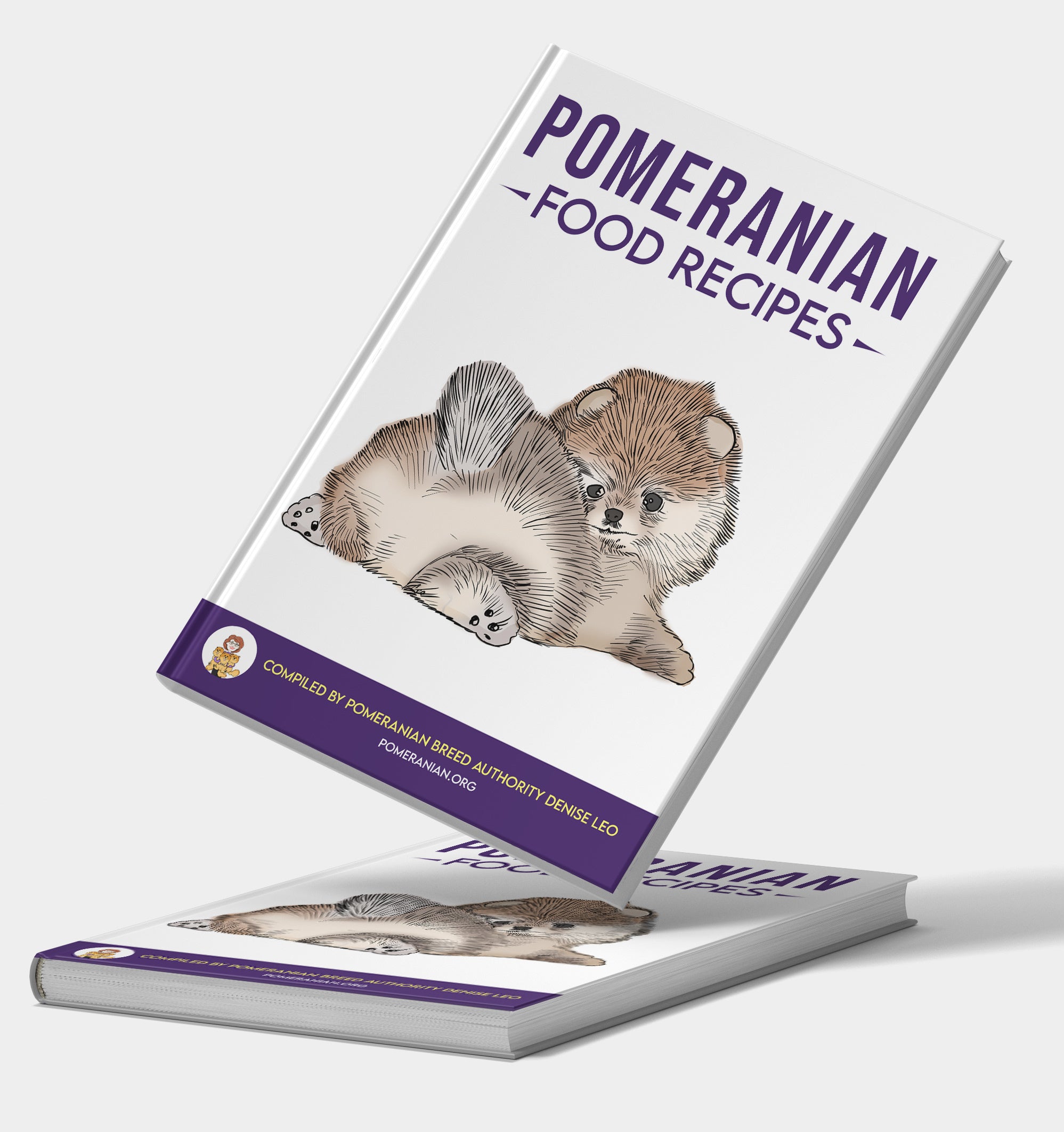
What’s Inside the Pomeranian Food Recipes eBook
This comprehensive Pomeranian Food Recipes eBook includes a wide variety of homemade meals, treats, and specialty recipes designed specifically for Pomeranians.
Main Meals & Everyday Recipes
- Casseroles, stews, and slow cooker meals
- Chicken, beef, lamb, pork, and fish recipes
- Balanced meals with vegetables and grains
- Recipes for fussy eaters
Treats & Special Recipes
- Biscuits, cookies, and muffins
- Peanut butter, banana, and pumpkin treats
- Birthday cakes and special occasion recipes
- Frozen treats and healthy snacks
Special Diet & Health Recipes
- Recipes for seniors and sensitive digestion
- Weight gain and coat support meals (including Satin Balls)
- Bone broth and nutrient-rich additions
- Wheat-free and simple ingredient options
The eBook also includes homemade dry dog food recipes, slow cooker meals, and easy-to-follow instructions to help you prepare balanced, nutritious food for your Pomeranian.
Written by Denise Leo, breeder of Best in Show-winning champion Pomeranians, this guide is based on decades of real experience with the breed.
Instant download available. Receive your eBook via email and access it on your computer, tablet, or phone—or print a copy for easy use in your kitchen.
Over 250 pages of recipes, meal ideas, and feeding inspiration for your Pomeranian.
Frequently Asked Questions
Can Pomeranians eat homemade dog food?
Yes, Pomeranians can eat homemade dog food when meals are properly balanced and suited to their size, age, and health needs.
Is homemade dog food better than commercial dog food?
Both can be suitable. The most important factor is that the diet is balanced and meets your Pomeranian’s nutritional requirements.
What is the best food for a Pomeranian?
The best food for a Pomeranian is a balanced diet made with quality ingredients, whether commercial or homemade.
How often should I feed my Pomeranian?
Most adult Pomeranians are fed twice daily, while puppies require more frequent meals.
Conclusion: Choosing the Best Diet for Your Pomeranian
Feeding your Pomeranian is one of the most important decisions you will make as an owner. Whether you choose a high-quality commercial diet or prepare homemade dog food for Pomeranians, the key is always balance, consistency, and appropriate nutrition.
Over many years of breeding and raising Pomeranians, I have seen firsthand how diet affects coat quality, condition, energy levels, and long-term health. There is no single perfect approach—but there is a correct approach for each individual dog.
When done properly, a balanced diet—whether homemade or carefully selected—will help your Pomeranian live a healthy, happy, and vibrant life.
Copyright Pomeranian.Org. All Rights Reserved.
📚 References & Further Reading
- [1] AKC Pomeranian Breed Standard (2011)
- [2] English Kennel Club Breed Standard
- [3] The Pomeranian Handbook – Denise Leo
- [4] Denlinger, The Complete Pomeranian
- [5] Kimbering, 1891–1991
- [6] Taplin, The Sportsman’s Cabinet
- [7] Parker, The Popular Pomeranian
- [8] Ives, Show Pomeranians