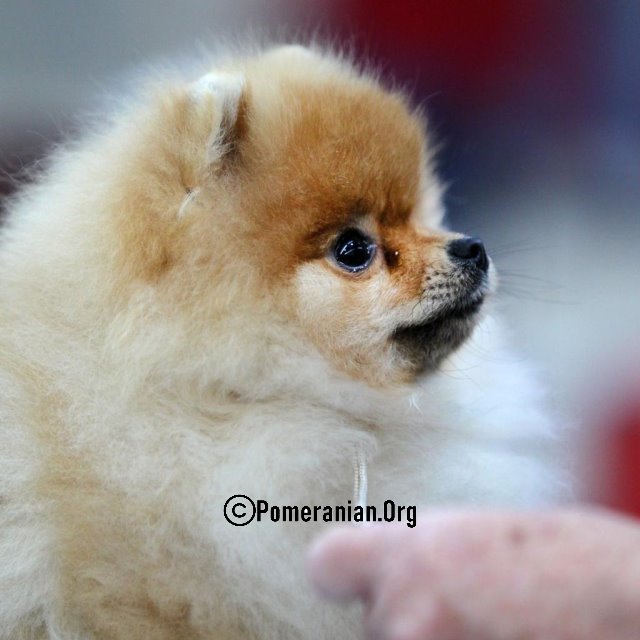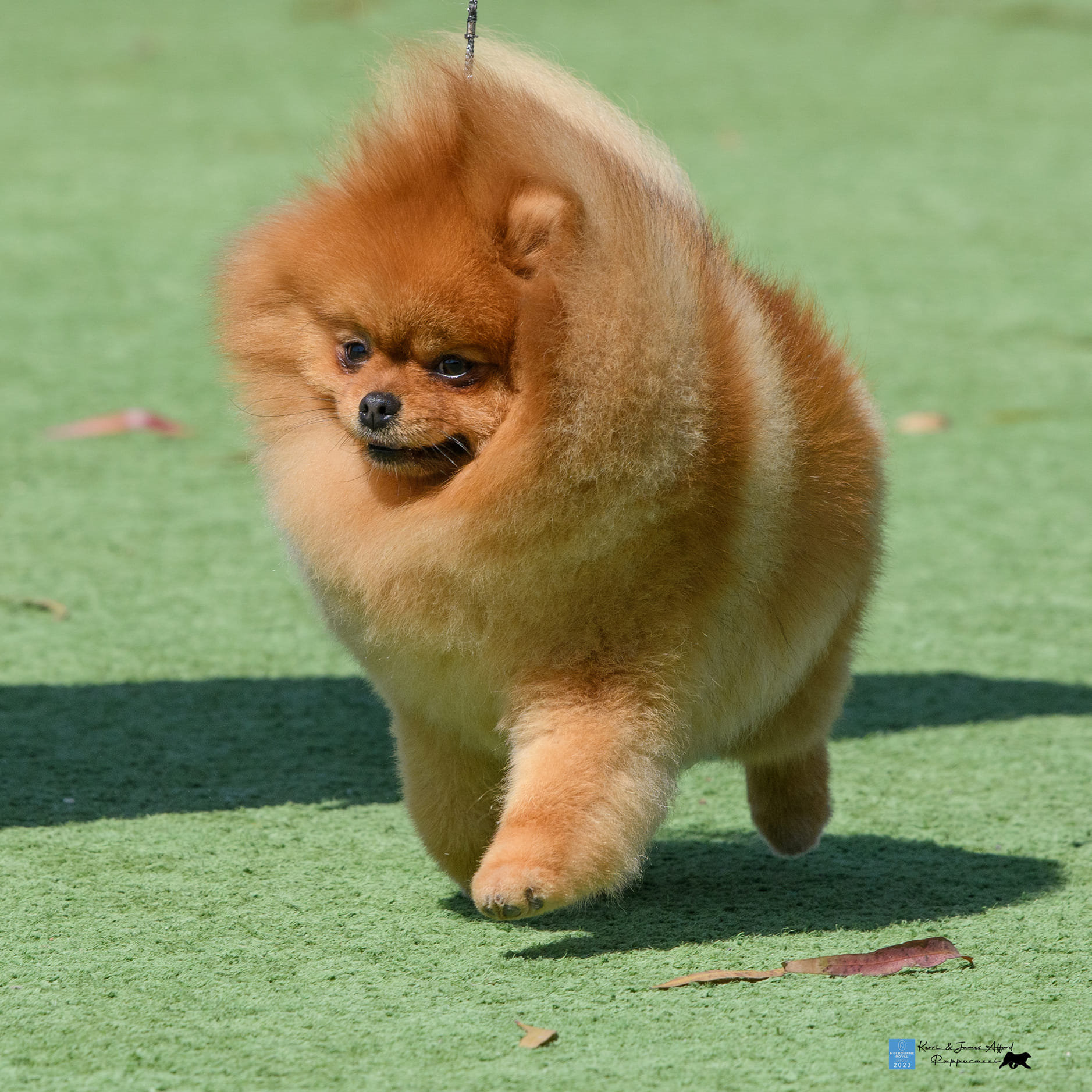

Pomeranians may be small, but they are active, intelligent dogs that benefit from daily physical exercise and mental stimulation.
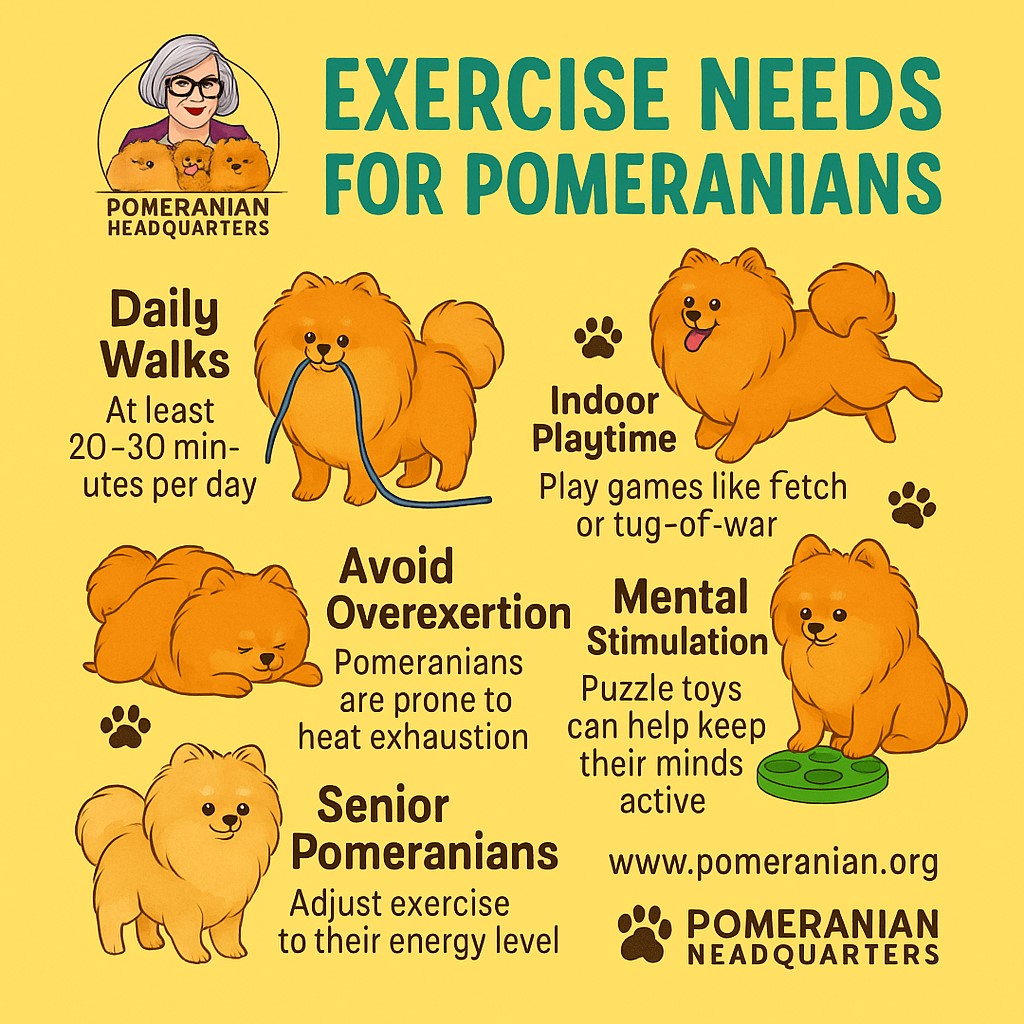
Most healthy adult Pomeranians need approximately 30 minutes of exercise each day. This is usually best divided into two short walks, together with supervised play and other activities at home.
A Pomeranian’s exercise requirements will vary according to age, health, fitness level and the weather. Puppies, senior dogs and Pomeranians with health problems require a gentler, individually planned routine.
How Much Exercise Does a Pomeranian Need Each Day?
Most healthy adult Pomeranians need around 30 minutes of daily exercise. This can include two short walks of approximately 15 minutes, combined with supervised play and mental enrichment.
- Pomeranian puppies: Several short, gentle play sessions suited to the puppy’s age and stage of development.
- Healthy adult Pomeranians: Approximately 30 minutes each day, preferably divided into shorter sessions.
- Senior Pomeranians: Shorter, slower exercise sessions adjusted to the dog’s mobility and health.
Important: These are general guidelines rather than strict rules. Stop exercising if your Pomeranian appears tired, overheated, distressed, lame or unwilling to continue. Consult your veterinarian if your dog has a heart, breathing, joint or other medical condition.
Pomeranian Exercise Needs Explained
Pomeranians are energetic, intelligent dogs that need regular exercise despite their small size. A suitable daily routine helps maintain physical health, supports good behaviour and provides important mental stimulation.
Exercise should always suit the individual dog. Age, health, fitness, weather conditions and previous activity levels must all be considered. Puppies, senior Pomeranians and dogs with health or mobility problems generally require shorter, gentler sessions.
Too little activity can contribute to boredom, restlessness, excessive barking and destructive behaviour. However, excessive or unsuitable exercise may place unnecessary strain on a Pomeranian’s developing bones, joints and small body.
Pomeranian’s Physical Health
Regular walking and play help maintain muscle tone, joint mobility, cardiovascular health and a healthy body weight. Exercise also allows a Pomeranian to stretch, move naturally and use energy in a controlled way.
Pom Dog Behaviour
Daily activity provides an appropriate outlet for a Pomeranian’s energy and curiosity. Walks, play and simple training exercises can help reduce boredom and encourage calmer behaviour at home.
Mental exercise is also important. Exploring new surroundings, practising commands, searching for treats and playing with suitable interactive toys can be just as valuable as physical activity.
Pomeranian Social Skills
Supervised outings expose a Pomeranian to different sights, sounds, people and suitable dogs. Positive experiences can help build confidence and encourage good social behaviour.
Socialisation should be gradual and appropriate for the individual dog. Never force a nervous Pomeranian to interact, and do not assume that every dog encountered will be friendly. Controlled meetings with calm, well-mannered dogs are generally safer than uncontrolled play in a busy dog park.
How Often Should You Walk a Pomeranian?
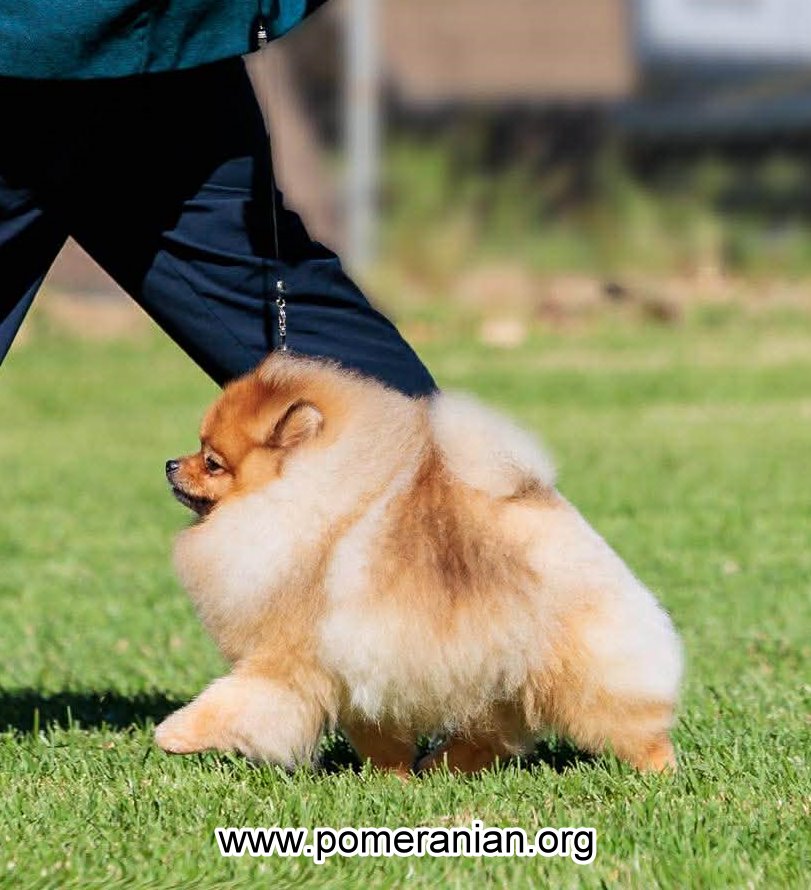
Most healthy adult Pomeranians benefit from one or two short walks each day. Around 15 to 20 minutes per walk is usually sufficient, although the right amount will depend on the dog’s age, health, fitness and the weather.
A daily walk provides more than physical exercise. It allows a Pomeranian to explore different surroundings, experience new scents and enjoy valuable mental stimulation.
How Long Should You Walk a Pomeranian?
Begin with a comfortable distance and watch your dog carefully. A Pomeranian should return home pleasantly tired, not exhausted.
Slow down, rest or end the walk if your Pomeranian:
- Lags behind or repeatedly stops.
- Pants heavily or has difficulty breathing.
- Appears unsteady or unusually tired.
- Begins limping or lifting a paw.
- Refuses to continue.
Puppies, senior dogs and Pomeranians with heart, breathing or joint conditions may need much shorter walks. Ask your veterinarian to recommend an appropriate exercise routine if your dog has an existing health problem.
How Far Can a Pomeranian Walk?
There is no single safe distance for every Pomeranian. A healthy, well-conditioned adult may comfortably walk farther than an older dog, a young puppy or a Pomeranian that is not accustomed to regular exercise.
Build walking distances gradually rather than suddenly taking your dog on a long outing. For extended walks, take regular breaks and be prepared to carry your Pomeranian or use a dog stroller if the dog becomes tired.
Always walk your Pomeranian on a secure harness and lead. Choose a safe route with a suitable walking surface, and avoid hot pavements, heavy traffic and areas where uncontrolled dogs may approach.


Pomeranian Exercise Timing
The best time to exercise a Pomeranian depends on the weather, the dog’s normal routine and when the owner can provide a relaxed, unhurried walk.
During warm weather, exercise your Pomeranian in the cooler early morning or evening. Avoid walking during the hottest part of the day, and always check the pavement with the back of your hand before allowing your dog to walk on it. If the surface feels too hot for your hand, it is too hot for your Pomeranian’s paws.
Cold weather is often more comfortable for a Pomeranian because of the breed’s dense double coat. However, supervision is still important during rain, strong winds or extreme cold.
Avoid strenuous exercise immediately before or after a meal. Allow time for your Pomeranian to settle, drink normally and cool down after returning home.
Many Pomeranians enjoy an evening walk, which can help them use excess energy and relax before bedtime. The most important consideration is to establish a safe, consistent routine that suits both you and your dog.
How Is House Training Affected by Exercise?
Walking and house training can work together successfully when a consistent routine is followed.
Before beginning a walk, take your Pomeranian puppy to the designated toileting area. Allow enough time for the puppy to relieve itself, then offer immediate praise and begin the walk.
Young puppies may also need to toilet during or immediately after exercise. If your puppy does not go during the walk, return to the usual toileting area before going back inside.
Allowing a puppy to sniff and explore during a walk is valuable mental stimulation. However, regularly using the same toileting area and a consistent verbal cue can help the puppy understand what is expected.
Never punish a Pomeranian puppy for an accident. House training takes time, patience and repetition. A predictable routine involving toileting after waking, eating, playing and exercising will usually produce the best results.
Safe Pomeranian Exercise
Safety first: A Pomeranian’s small size, short legs and dense double coat require special consideration during exercise. Every walk and play session should suit the dog’s age, fitness and health.
Use a secure, correctly fitted harness rather than placing pressure on the neck. Pomeranians can be vulnerable to tracheal problems, so pulling or jerking against a collar should always be avoided.
Watch carefully for tiredness, overheating, discomfort or breathing difficulty. Stop exercising immediately and move your dog to a safe, cool place if anything appears wrong.
Pomeranian Safe Puppy Exercise Tips
Puppies are naturally active, but they should never be forced to continue exercising when tired.
Avoid repetitive jumping, running on hard surfaces and jumping down from furniture.
Pomeranians can overheat quickly because of their dense double coats. Choose the cooler parts of the day during warm weather.
Hot pavement can burn paw pads. Sharp stones, gravel and rough surfaces may also cause pain or injury.
A puppy’s walk should never become a forced march or an attempt to cover a particular distance.
Offer regular opportunities to drink, particularly during warm weather. Water should not be withheld after exercise.
Avoid high-risk public areas and contact with unknown dogs until your veterinarian advises that your puppy has adequate protection.
Never allow a Pomeranian puppy to run loose near roads, larger dogs or other hazards.
Stop immediately if your puppy lags behind, sits down, pants excessively, limps or refuses to continue.
Contact your veterinarian: Seek individual advice if your puppy has a heart murmur, breathing difficulty, joint problem or another health concern. Sudden breathing distress, collapse, severe weakness or an inability to walk requires urgent veterinary attention.

Other Pom Activity
Walking is not the only way to keep a Pomeranian active. Indoor games, supervised outdoor play, training exercises and mental enrichment can all contribute to a healthy daily routine.
Many Pomeranians enjoy playing fetch with a small, lightweight ball or soft toy. Keep the throwing distance short and use a non-slip surface to reduce the risk of slipping or placing unnecessary strain on the joints.
Pomeranians are intelligent dogs and often enjoy learning new skills. Short training sessions involving basic commands, tricks or scent games exercise the mind while strengthening the bond between dog and owner.
Other suitable Pomeranian activities include:
- Searching for treats hidden around a safe room.
- Playing with interactive toys or food puzzles.
- Walking through a safe garden and exploring different scents.
- Practising recall, sit, stay and other simple commands.
- Participating in carefully supervised agility activities.
- Playing gently with a compatible dog of a similar size.
Any home obstacle course should remain low and safe. Avoid activities that require a Pomeranian to jump from a height, make repeated sharp turns or land heavily on hard surfaces.
Several short periods of activity throughout the day are generally more suitable for a Pomeranian than one long, exhausting exercise session.
Young Pomeranian Puppies
Young Pomeranian puppies do not need long walks or strenuous exercise. Their normal play, gentle training and exploration provide much of the activity they require during the early months.
Allow a puppy to play at its own pace in a safe, enclosed area. Several short periods of activity throughout the day are more suitable than one long exercise session. Puppies should always be allowed to rest when they become tired.
Avoid forced running, long walks, repeated stair climbing and jumping on or off furniture. A young puppy’s bones, joints and growth plates are still developing, and excessive repetitive exercise may place unnecessary strain on the body.
Exercising a Pomeranian Puppy Before Vaccinations
Socialisation should begin early, but it must be managed safely. Before your veterinarian confirms that your puppy has adequate vaccination protection, avoid dog parks, communal toileting areas and places frequently visited by unknown dogs.
Safe early experiences may include:
- Carrying your puppy in public places.
- Short car journeys.
- Exploring your own secure garden.
- Meeting calm, healthy and fully vaccinated dogs you know.
- Becoming accustomed to household sounds, grooming and gentle handling.
- Watching people, traffic and other animals from a safe distance.
Vaccination schedules and local disease risks can vary. Ask your veterinarian when and where your Pomeranian puppy can safely begin walking in public.
Over-Exercising Your Pomeranian
Can you over-exercise a Pomeranian? Yes. Although Pomeranians are lively dogs, too much exercise can cause exhaustion, overheating and unnecessary strain on their muscles and joints.
Puppies, senior Pomeranians, overweight dogs and those with heart, breathing or joint conditions are particularly vulnerable. Exercise should always be increased gradually and adjusted to the individual dog’s ability.
Signs Your Pomeranian Has Had Too Much Exercise
Stop the activity and allow your dog to rest if you notice:
- Heavy or persistent panting.
- Lagging behind or repeatedly stopping.
- Sitting or lying down during the walk.
- Weakness, trembling or unsteadiness.
- Limping or lifting a paw.
- Reluctance to walk or play.
- Excessive tiredness after returning home.
- Stiffness or soreness later that day or the following morning.
Urgent warning: A Pomeranian that is panting excessively, drooling, vomiting, confused, collapsing or having difficulty breathing may be experiencing a medical emergency. Move the dog to a cooler area and contact a veterinarian immediately.
How to Prevent Over-Exercising a Pomeranian
- Increase walking time and distance gradually.
- Divide daily exercise into several shorter sessions.
- Avoid strenuous activity during hot or humid weather.
- Provide regular rest and water breaks.
- Never force a tired Pomeranian to continue walking.
- Allow time for recovery after an unusually active day.
- Adjust exercise when your dog is unwell, injured or recovering from surgery.
Watch the dog in front of you rather than trying to reach a fixed time or distance. A suitable exercise routine should leave your Pomeranian content and comfortably tired—not exhausted or sore.
Using a Dog Stroller for Long Walks
A dog stroller, sometimes called a dog pusher, is an excellent option when taking a small Pomeranian on a long walk or family outing.
Allow your Pomeranian to walk for a comfortable distance, then place the dog in the stroller before it becomes overtired. This enables a tiny, young, senior or less-active Pomeranian to remain safely included without being forced to walk farther than it can comfortably manage.
A stroller may be particularly helpful for:
- Very small Pomeranians with limited stamina.
- Puppies that are too young for long walks.
- Senior Pomeranians with reduced mobility.
- Dogs recovering from illness, injury or surgery.
- Pomeranians attending busy events where being underfoot may be dangerous.
Choose a sturdy stroller with good ventilation, secure fastenings and enough room for your Pomeranian to sit or lie down comfortably. Attach the internal safety strap to a correctly fitted harness—never to the dog’s collar.
A stroller should supplement suitable daily exercise rather than replace it. Healthy Pomeranians still need opportunities to walk, explore and use their bodies at a pace appropriate for them.
FAQs About Pomeranian Exercise
How Much Exercise Does a Pomeranian Need?
Most healthy adult Pomeranians need approximately 30 minutes of exercise each day. This is usually best divided into two short walks, together with supervised play and mental stimulation. Puppies, senior dogs and Pomeranians with health problems may require less.
How Often Should You Walk a Pomeranian?
Most healthy adult Pomeranians benefit from one or two short walks each day. The length and pace should be adjusted to the individual dog’s age, fitness, health and the weather.
How Long Should You Walk a Pomeranian?
A walk of approximately 15 to 20 minutes is generally suitable for a healthy adult Pomeranian. Some dogs may comfortably walk longer, while puppies, seniors and dogs with health concerns may need much shorter outings.
How Far Can a Pomeranian Walk?
There is no single safe distance for every Pomeranian. Walking distance should be increased gradually and based on the dog’s condition rather than a fixed target. Stop if your Pomeranian begins lagging, panting heavily, limping or refusing to continue.
Can Pomeranians Go on Long Walks?
A healthy, well-conditioned adult Pomeranian may enjoy a longer walk if the distance is increased gradually and regular breaks are provided.
Carry fresh water and be prepared to carry your dog or use a dog stroller. Never force a Pomeranian to continue after it shows signs of tiredness.
Can Pomeranians Run?
Healthy adult Pomeranians can enjoy short periods of running at their own pace. They should not be taken on long-distance runs or forced to keep pace with a running person. Avoid repetitive running with young puppies because their bodies are still developing.
Is It Safe to Take a Pomeranian Hiking?
A healthy, fit adult Pomeranian may enjoy an easy hike on a safe, suitable track. Begin with short outings and avoid steep, rocky or difficult terrain.
Take water, schedule rest breaks and use a secure harness and lead. A dog stroller or carrier may be useful where the path allows it. Avoid hiking in hot weather and check the coat, paws and skin for grass seeds, ticks or injuries afterwards.
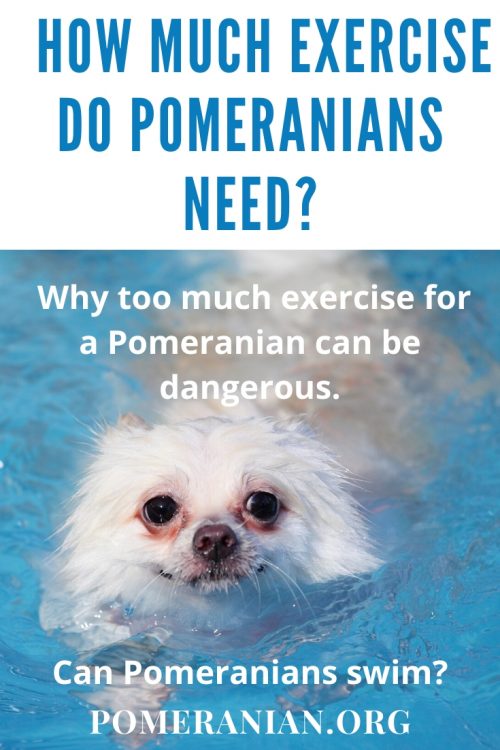
Do Pomeranians Like Water and Can They Swim?
Some Pomeranians enjoy water, while others do not. Many can swim instinctively, but their small size and heavy wet coat may cause them to tire quickly.
Always supervise a Pomeranian near water and use a correctly fitted canine life jacket around deep or moving water. Never force a dog to swim. Rinse and dry the coat thoroughly after swimming in salt water or a chlorinated pool.
Can I Take My Pomeranian Puppy to a Dog Park?
Avoid dog parks until your veterinarian confirms that your puppy has adequate vaccination protection. Even after vaccination, uncontrolled dog parks may be unsafe for a tiny Pomeranian. Carefully supervised interaction with calm, healthy dogs of a suitable size is generally a safer choice.
Can You Over-Exercise a Pomeranian?
Yes. Too much exercise can cause exhaustion, overheating, sore muscles and unnecessary strain on the joints. Puppies, seniors and dogs with heart, breathing or mobility problems are particularly vulnerable.
How Do I Know If My Pomeranian Is Tired?
Signs include lagging behind, repeatedly stopping, sitting down, heavy panting, limping, weakness or refusing to continue. End the activity and allow your dog to rest. Breathing difficulty, confusion or collapse requires immediate veterinary attention.
Remember: Exercise recommendations are general guidelines. Your Pomeranian’s age, health, fitness and the weather should always determine how much activity is appropriate. Ask your veterinarian for advice if you have any concerns.
Final Thoughts on Pomeranian Exercise Needs
Pomeranians may be small, but they are active and intelligent dogs that benefit from daily exercise, play and mental stimulation.
Most healthy adult Pomeranians need approximately 30 minutes of exercise each day, usually divided into two shorter sessions. Puppies, senior dogs and Pomeranians with health concerns require a gentler routine suited to their individual needs.
Watch your dog rather than the clock. Exercise should leave a Pomeranian happy and comfortably tired—not exhausted, overheated or sore.
With suitable walks, safe play, mental enrichment and plenty of time with their owner, a Pomeranian can remain healthy, confident and content throughout every stage of life.
If you are uncertain about the amount or type of exercise suitable for your Pomeranian, your veterinarian should always be your first source of advice.
Copyright Pomeranian.Org. All Rights Reserved.
📚 References & Further Reading
- [1] AKC Pomeranian Breed Standard (2011)
- [2] English Kennel Club Breed Standard
- [3] The Pomeranian Handbook – Denise Leo
- [4] Denlinger, The Complete Pomeranian
- [5] Kimbering, 1891–1991
- [6] Taplin, The Sportsman’s Cabinet
- [7] Parker, The Popular Pomeranian
- [8] Ives, Show Pomeranians