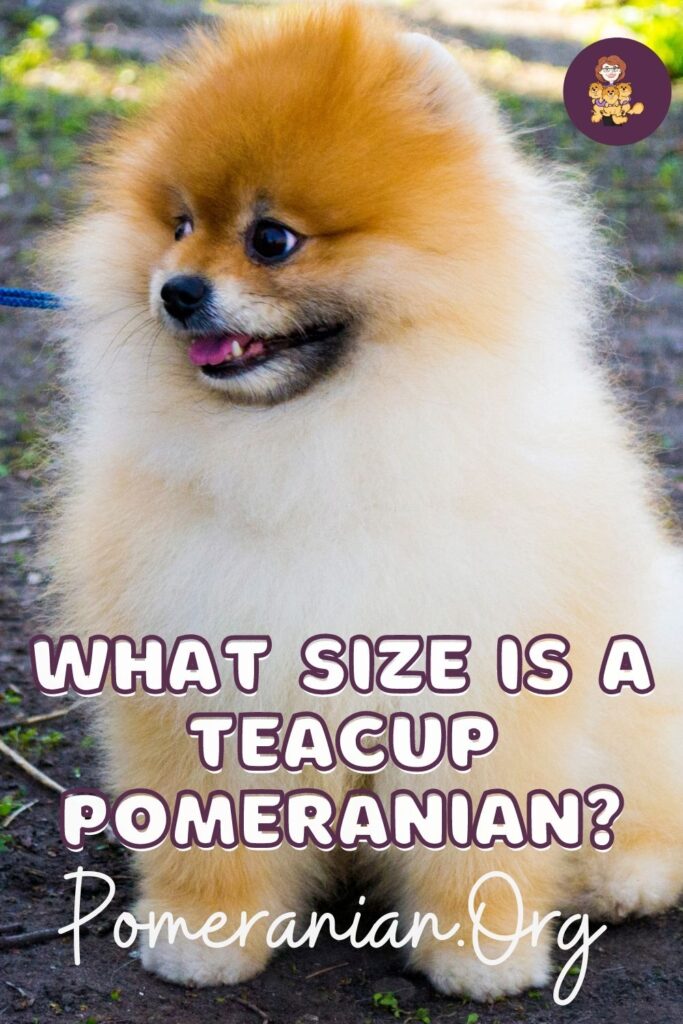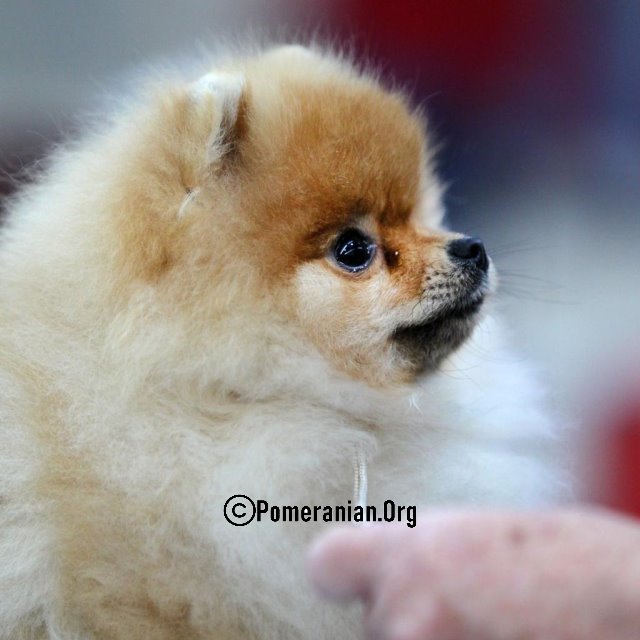

Many people search for “teacup Pomeranians” because they want to know how large these tiny dogs will be when fully grown. However, there is no separate teacup Pomeranian breed, and reputable kennel clubs do not recognise “teacup,” “micro” or “miniature” as official varieties of the Pomeranian.
In many cases, the little dog people picture when they ask about a teacup Pomeranian full grown is simply a correct-sized Pomeranian bred by an experienced preservation breeder. The Pomeranian is already a naturally small Toy breed and does not need a special label to make it appear smaller or more desirable.
Unfortunately, the word “teacup” has become a marketing gimmick. Some sellers use it to make an ordinary Pomeranian sound rare, while others deliberately promote puppies expected to remain abnormally tiny. No breeder can guarantee the exact adult size of a young puppy, and deliberately breeding for the smallest possible dog can increase the risk of weakness, injury and health problems.
After more than 50 years of breeding, raising and exhibiting Pomeranians, I believe the priority should always be a healthy, sound, true-to-type dog—not an exaggerated description or an unrealistically low number on the scales.
This guide explains how big teacup Pomeranians get, their expected adult weight and size, when they stop growing and what prospective owners should understand before buying a puppy advertised as “teacup.”
Quick Answer: How Big Do Teacup Pomeranians Get?
There is no officially recognised teacup Pomeranian breed. The terms “teacup,” “micro” and “miniature” are commonly used as marketing descriptions rather than genuine Pomeranian varieties.
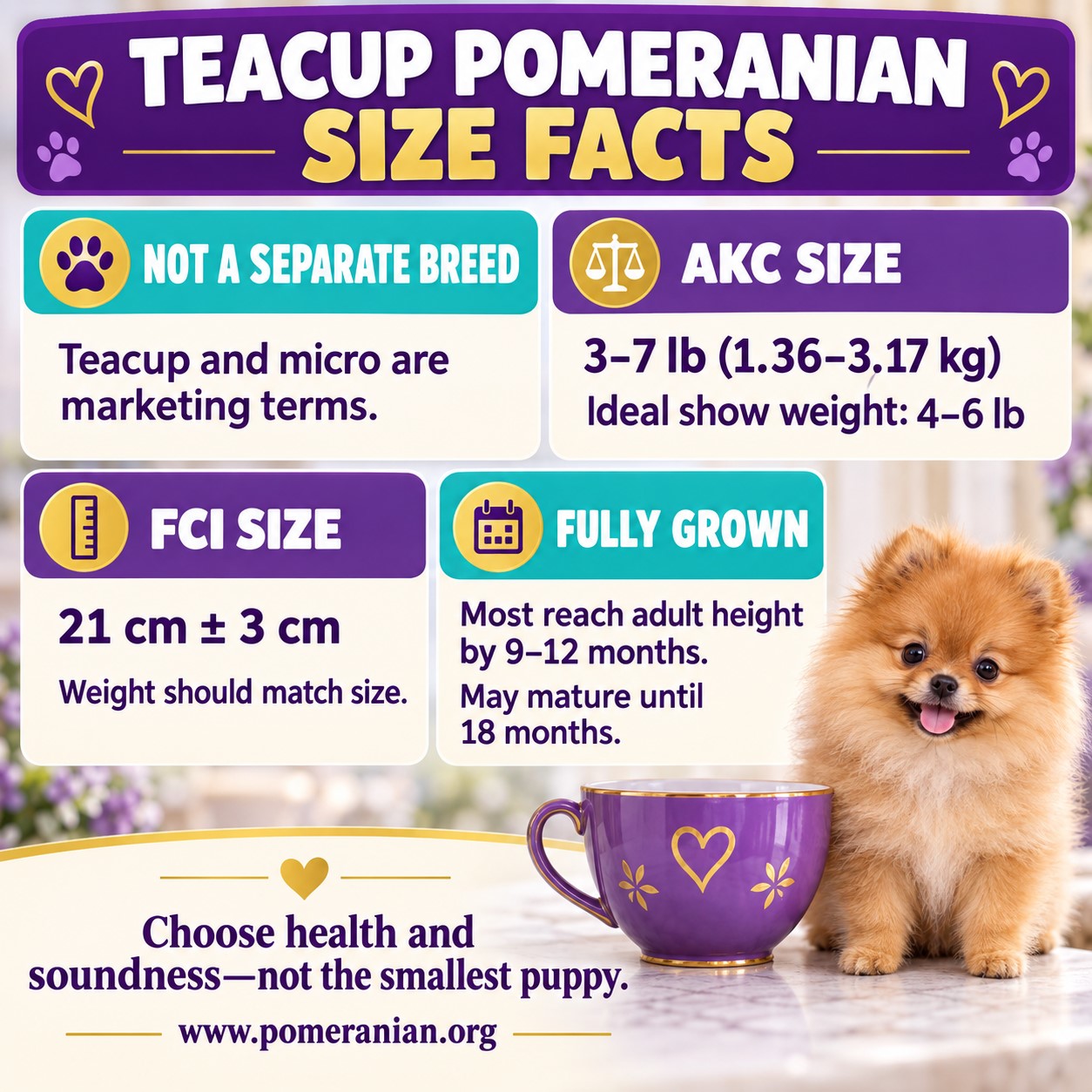
Most dogs described as teacup Pomeranians are simply small, adult Pomeranians. In countries using a weight-based standard, a mature Pomeranian is generally expected to weigh approximately 3–7 pounds (1.36–3.17 kg). Other kennel clubs describe the breed primarily by height rather than weight.
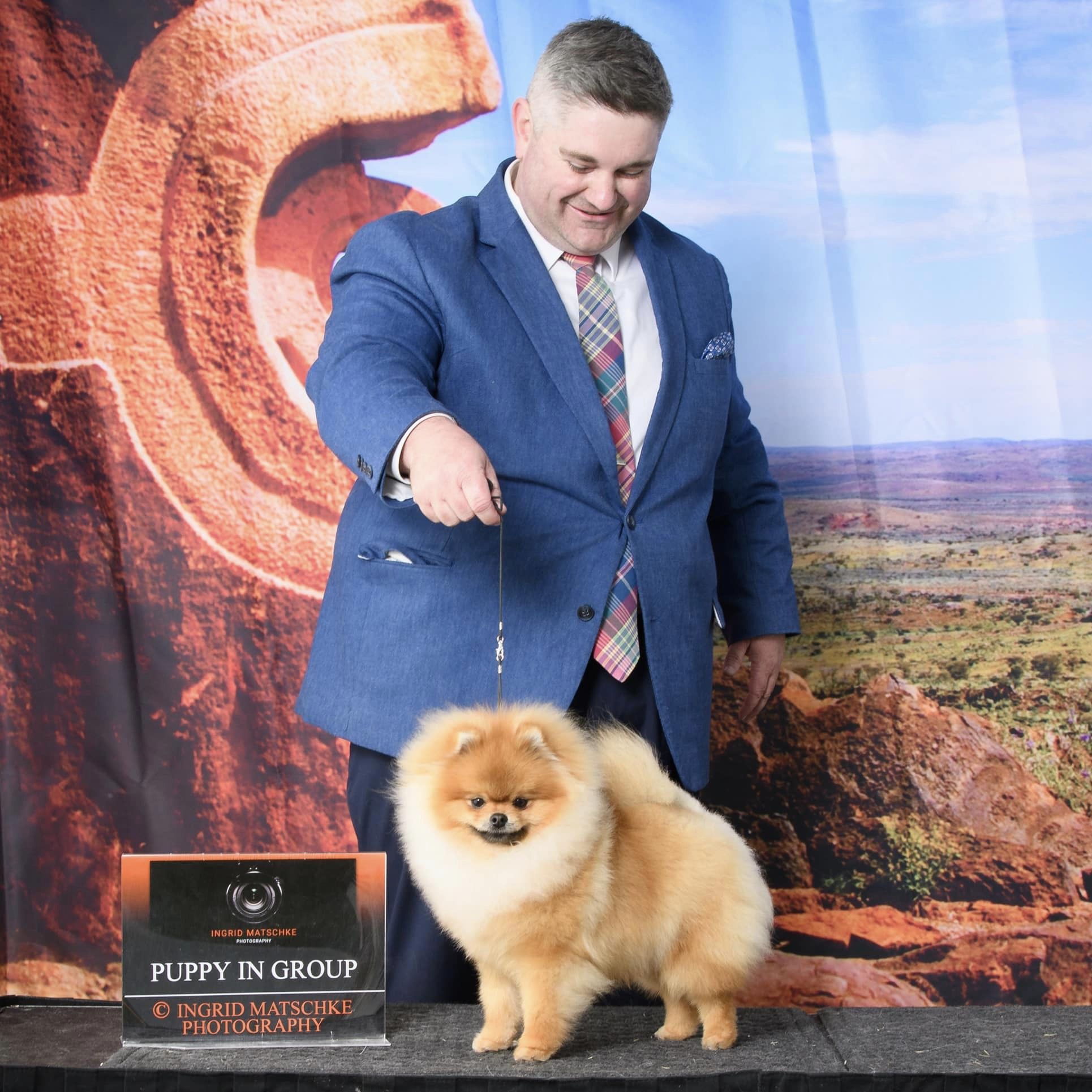
Many of the tiny, beautifully proportioned Pomeranians people admire are the correct-sized dogs produced by knowledgeable preservation breeders—not a separate teacup variety.
Important: A puppy’s exact adult size cannot be guaranteed. Be cautious of anyone promising an exceptionally tiny adult dog or charging more simply because a puppy is labelled “teacup.”

Are Teacup Pomeranians Real?
A teacup Pomeranian is not a separate breed, size variety or special bloodline. Official kennel clubs recognise only the Pomeranian. Terms such as teacup Pomeranian, micro Pomeranian, miniature Pomeranian and teacup Pom are not official breed classifications.
The name “teacup” is generally used in two ways:
- To describe a normal, small Pomeranian that falls within the accepted breed size.
- As a marketing term for a puppy expected—or claimed—to remain exceptionally tiny.
The first dog may simply be a healthy, correctly sized Pomeranian bred by a preservation breeder. The second may be an undersized dog deliberately promoted as rare or more valuable.
Pomeranians are already one of the smallest recognised dog breeds. A well-bred Pom should be compact, balanced, active and sturdy for its size. Making the dog as tiny as possible should never be more important than correct structure, sound movement, temperament and health.
Is a Teacup Pomeranian a Different Breed?
No. A Pomeranian teacup breed does not exist. Two registered Pomeranians cannot produce a new breed merely because one puppy is particularly small.
An unusually tiny puppy may be:
- Naturally smaller than its littermates.
- Young and not yet fully developed.
- Incorrectly estimated to remain tiny.
- Undersized because of poor nutrition or illness.
- Deliberately bred from extremely small parents.
- An ordinary Pomeranian being advertised under a fashionable name.
Buyers should judge the breeder’s knowledge, health practices and commitment to the breed—not persuasive labels such as “micro,” “pocket-sized” or “exclusive teacup.”
For a more detailed explanation, read: Teacup Pomeranian: Why This Term Is Wrong.
What Is the Average Teacup Pomeranian Size?
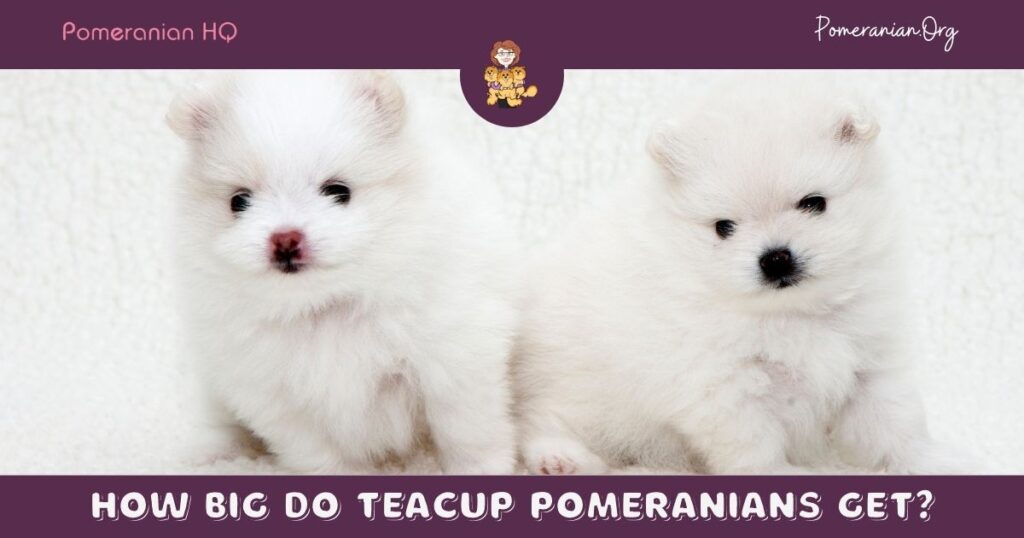
There is no official teacup Pomeranian size because “teacup” is not a recognised Pomeranian variety. The Fédération Cynologique Internationale, American Kennel Club and Royal Kennel Club recognise only one Pomeranian breed.
The breed standards differ slightly between countries. Some describe the ideal Pomeranian by weight, while the FCI standard uses height.
| Kennel Club | Official Pomeranian Size | What the Standard Means |
|---|---|---|
| Fédération Cynologique Internationale (FCI) |
Height: 21 cm, with a tolerance of 3 cm Approximately 18–24 cm or 7–9½ inches |
The dog’s weight should correspond appropriately with its size. The FCI standard does not specify a separate teacup weight. |
| American Kennel Club (AKC) |
Weight: 3–7 pounds Approximately 1.36–3.17 kg Ideal show weight: 4–6 pounds |
Dogs above or below the stated limits are considered objectionable, although overall quality should be favoured over size. |
| Royal Kennel Club, United Kingdom |
Dogs: 1.8–2 kg or 4–4½ pounds Bitches: 2–2.5 kg or 4½–5½ pounds |
These are ideal weights for adult Pomeranians. The standard does not recognise a smaller teacup variety. |
How Much Does a Teacup Pomeranian Weigh?
There is no separate official Pomeranian teacup weight. Most dogs advertised as teacup Pomeranians are simply small Pomeranians that may fall within the recognised size range.
Some advertisers claim that a full-grown teacup Pomeranian must weigh less than 3 pounds. This is a marketing definition—not one recognised by the FCI, American Kennel Club or Royal Kennel Club.
Denise’s Expert Note: A well-bred Pomeranian should be compact, balanced, sound and sturdy for its small size. The aim of a preservation breeder is to produce a healthy Pomeranian that conforms to the breed standard—not the smallest dog possible.
Many of the tiny, beautifully proportioned dogs that people call “teacup Pomeranians” are simply correct-sized Pomeranians bred by knowledgeable preservation breeders.
How Big Is a Full-Grown Teacup Pomeranian?
A teacup Pomeranian full grown is simply an adult Pomeranian that has been described using an unofficial marketing term. There is no separate adult measurement for teacup, micro or miniature Pomeranians.
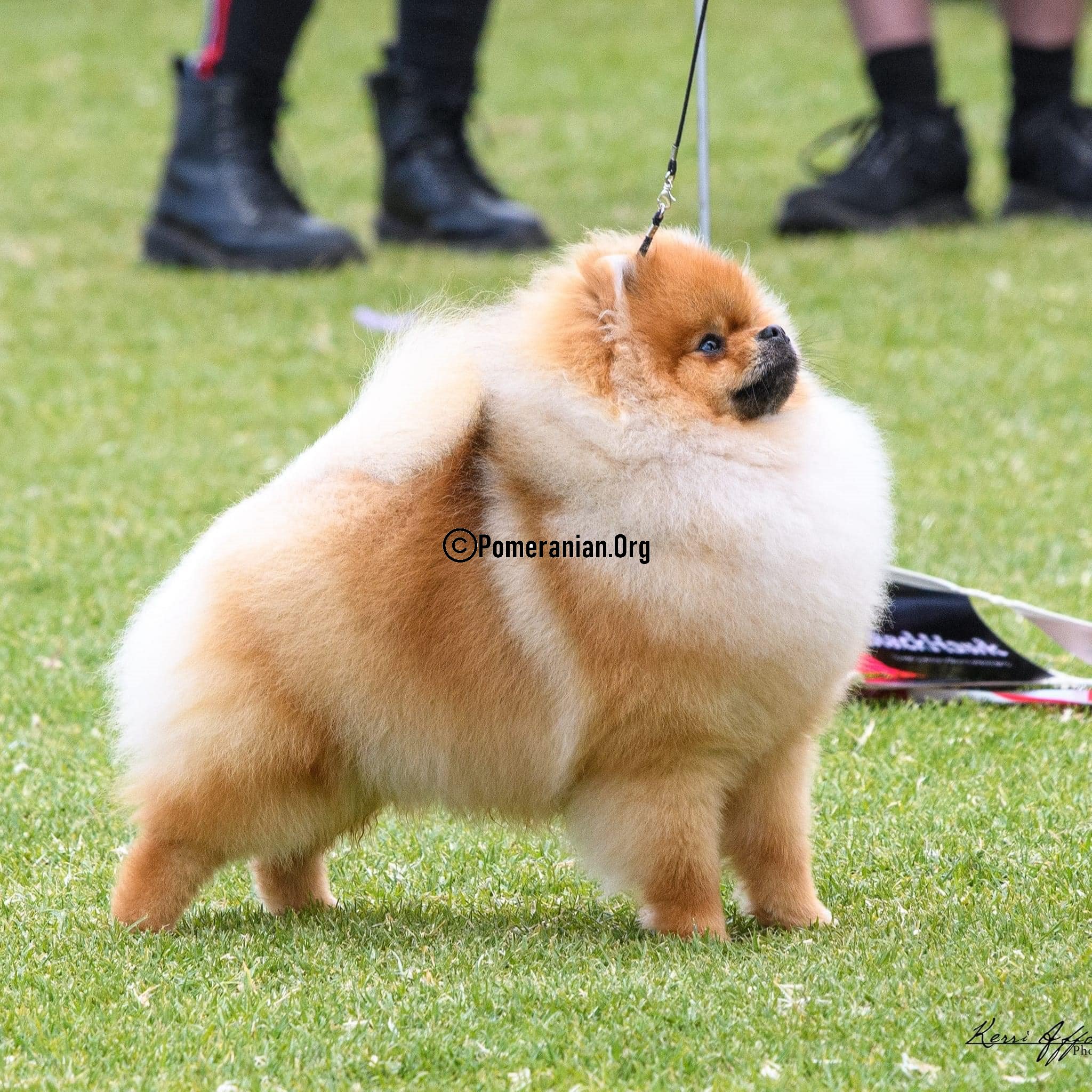
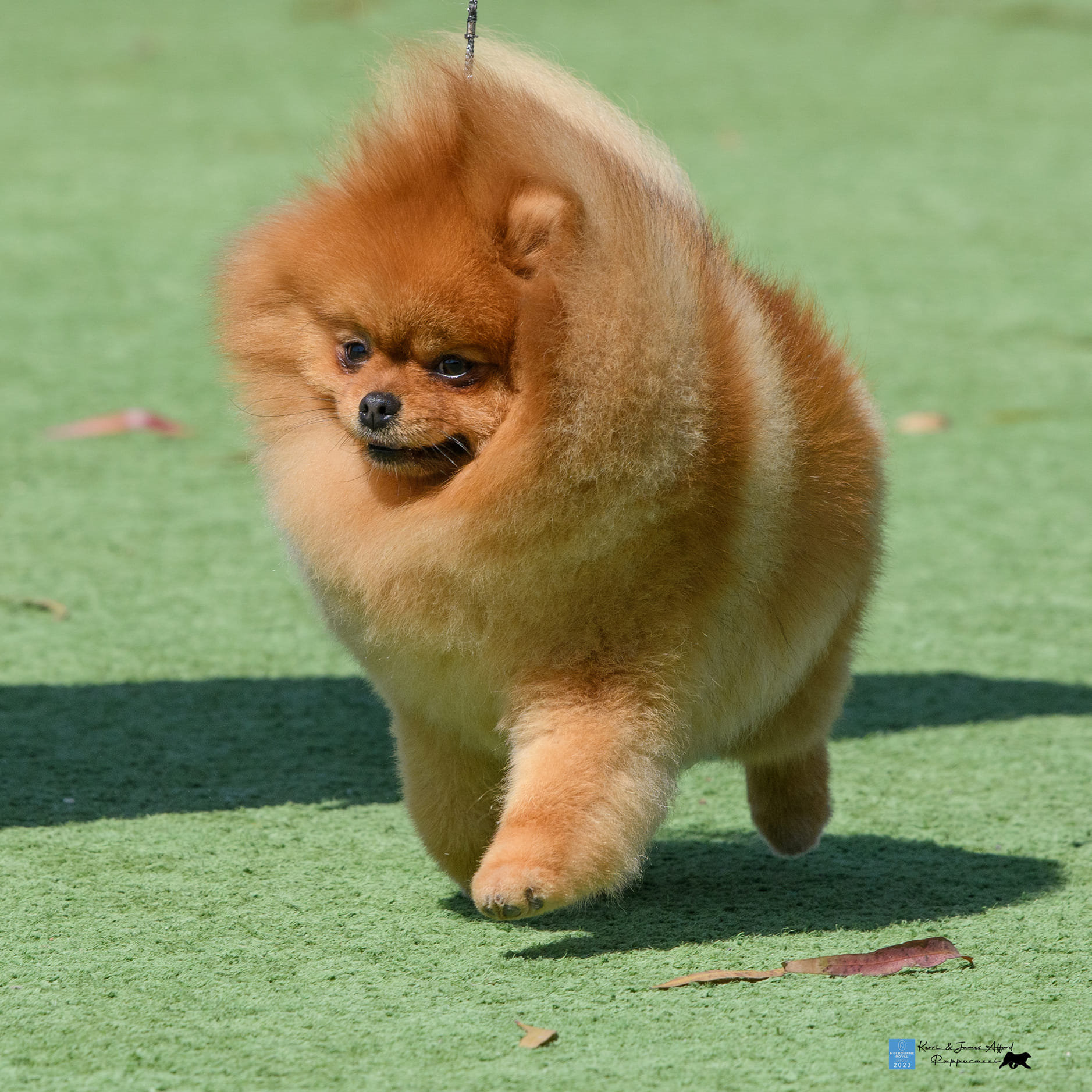
A healthy adult Pomeranian should be a compact, short-backed Toy dog with enough bone and substance to appear sturdy for its size. The profuse double coat can make a mature Pom look much larger than its actual body.
When people ask, “How big do teacup Pomeranians get?”, they are usually referring to one of three types of dog:
- A correctly sized Pomeranian within its recognised breed standard.
- A naturally small Pomeranian that remains below the ideal size.
- A puppy being marketed as “teacup” without any reliable evidence of its eventual adult size.
What Does a Teacup Pomeranian Look Like Full Grown?
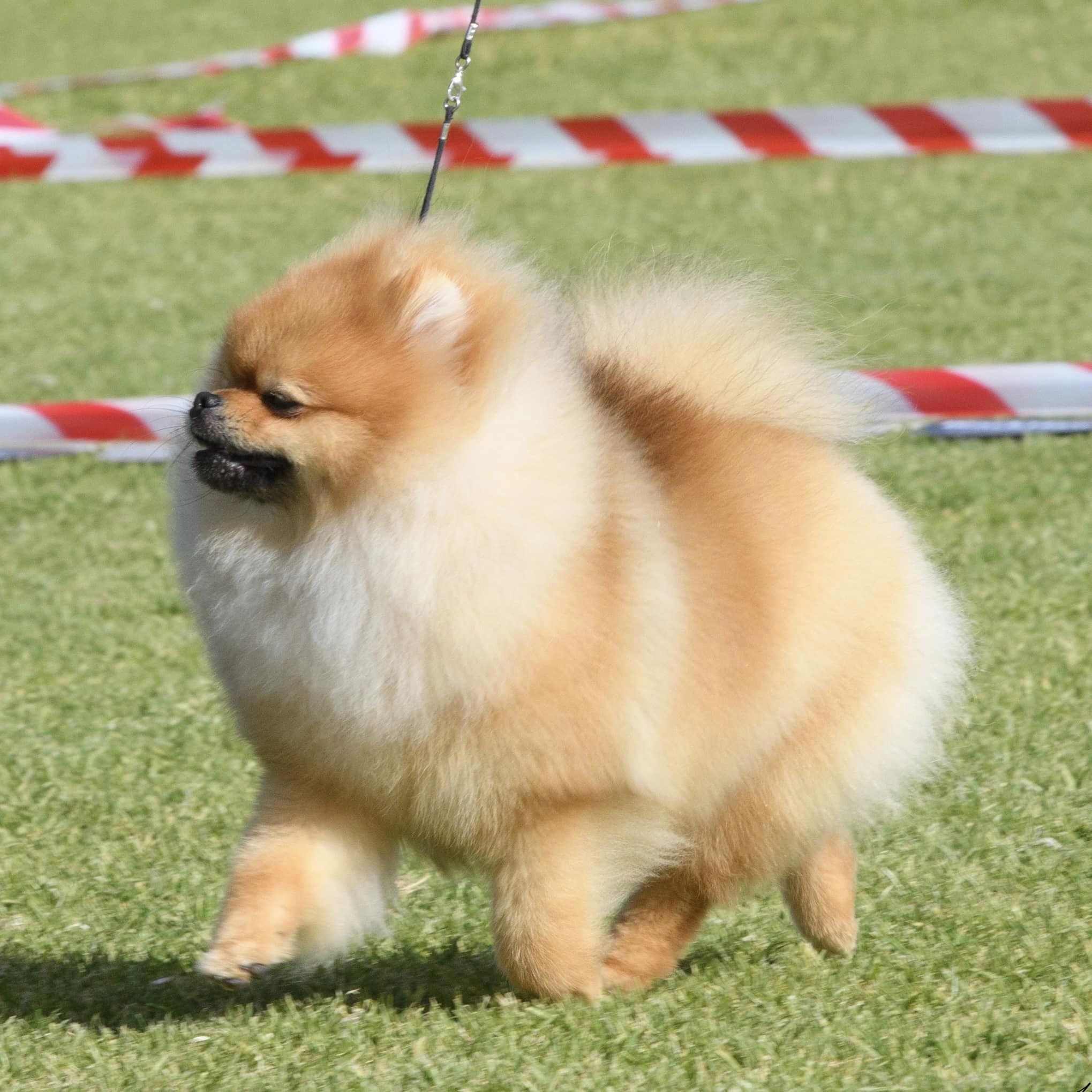
A correctly bred full-grown Pomeranian teacup should still possess the normal characteristics of the Pomeranian breed, including:
- A compact, balanced body.
- A short back.
- A fox-like expression.
- Small, erect ears.
- A dense double coat.
- A heavily plumed tail carried flat over the back.
- Sound, confident movement.
- An alert and outgoing temperament.
Being unusually tiny does not automatically make a Pomeranian more valuable or more correct. Adult size should never be considered separately from structure, soundness, health and breed type.
Do Male and Female Teacup Pomeranians Grow to Different Sizes?
Male and female Pomeranians can be similar in overall size, and an individual female may be larger than an individual male. The puppy’s sex alone does not provide an accurate prediction of its adult weight.
Genetics, the size and development of close relatives, nutrition, health and individual growth patterns all influence how large a Pomeranian teacup adult will eventually become.

When Is a Teacup Pomeranian Full Grown?
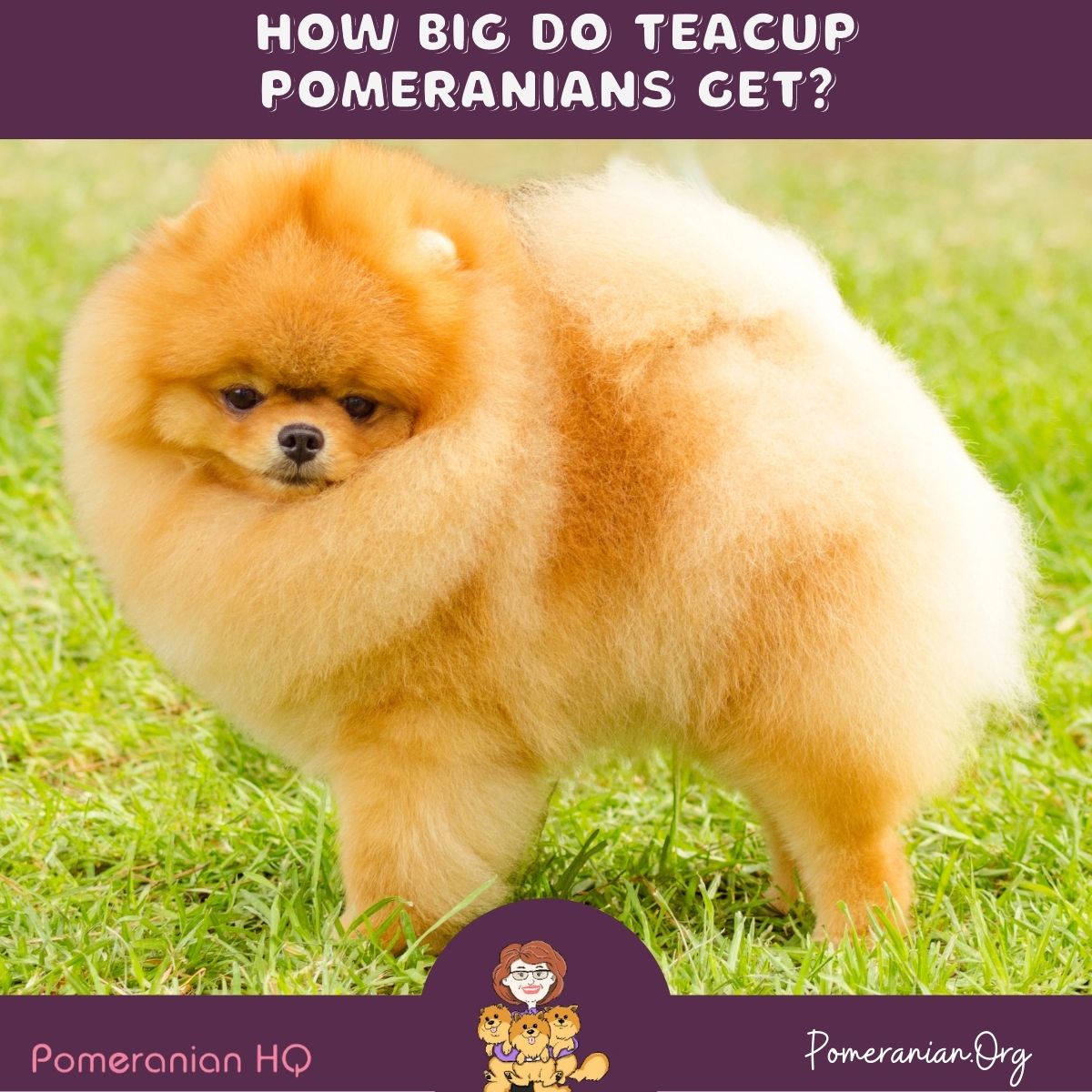
Most Pomeranians reach close to their adult height between nine and twelve months of age. However, this does not mean that every Pomeranian is completely mature by their first birthday.
A teacup Pom full grown may continue to develop in several ways:
- The body may gain additional substance.
- The chest may broaden.
- Muscle tone may improve.
- The adult double coat may become fuller.
- The dog’s final weight may change slightly.
Some Pomeranians continue maturing in appearance until approximately 18 months of age, particularly as their adult coat develops.
When Do Teacup Pomeranians Stop Growing?
The fastest period of growth occurs during the first six months. Growth then slows as the puppy approaches its adult height and weight.
A young puppy’s weight can fluctuate during teething, illness, changes in diet or periods of increased activity. One weight measurement should not be used to guarantee how big the puppy will eventually become.
A Pomeranian that gains weight after reaching adult height is not necessarily still growing. The change may be caused by developing muscle, growing a heavier coat or accumulating excess body fat.
Can a Breeder Guarantee Teacup Pomeranian Full Size?
No breeder can guarantee the exact adult weight or size of a young Pomeranian puppy. An experienced preservation breeder may provide an informed estimate based on:
- The puppy’s current age and weight.
- Their rate of growth.
- The size and development of the parents.
- The size of grandparents and other close relatives.
- Previous puppies produced from the same bloodlines.
- The breeder’s long-term experience with Pomeranian growth.
Even with this information, genetics can produce surprises. Be cautious of advertisements promising that a puppy will definitely remain below a particular weight when fully grown.
What Is a Micro Pomeranian Full Grown?
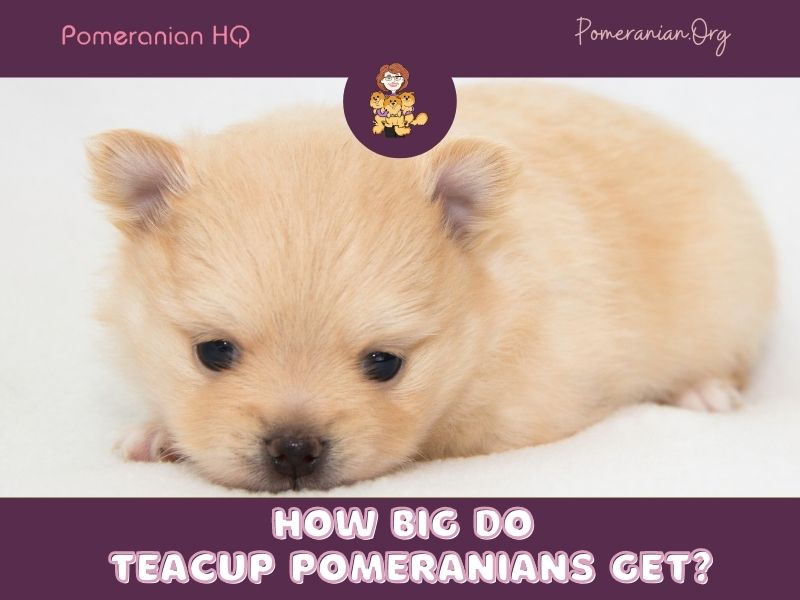
A micro Pomeranian full grown is not a recognised breed or official size of Pomeranian. Like “teacup,” the word “micro” is generally used as a marketing description for a dog claimed to be exceptionally small.
There is no agreed adult weight that makes a Pomeranian “micro.” One seller may use the term for a normal-sized Pom, while another may apply it to a puppy expected to mature below the recognised breed standard.
Other unofficial descriptions include:
- Micro teacup Pomeranian.
- Miniature Pomeranian.
- Pocket Pomeranian.
- Toy-sized Pomeranian.
- Teacup-size Pomeranian.
- Ultra-small Pomeranian.
None of these terms identifies a separate Pomeranian teacup breed.
Is a Micro Pomeranian Smaller Than a Teacup Pomeranian?
Not officially. There is no recognised size chart separating a micro Pomeranian from a teacup Pomeranian. These labels have no consistent meaning and may be used differently by individual advertisers.
A naturally small puppy may grow into a healthy adult, but deliberately breeding generation after generation for increasingly tiny size can compromise bone, structure and general health.
When considering a dog advertised as a micro Pomeranian full grown, ask for factual information instead of relying on the label:
- What is the puppy’s current age and weight?
- What do both parents weigh as mature adults?
- What sizes are found among close relatives?
- Has the puppy been examined by a veterinarian?
- Have the parents received the recommended health testing?
- Is the puppy registered simply as a Pomeranian?
A responsible preservation breeder will discuss the puppy honestly and will not claim that “micro” represents a rare or superior Pomeranian variety.
Factors Affecting a Teacup Pomeranian’s Adult Size
A Pomeranian puppy’s eventual size is influenced mainly by genetics, but health, nutrition and development also affect the puppy’s growth and adult condition.
It is important to distinguish between structural size and body weight. Exercise and food portions can change a dog’s weight and muscle condition, but they will not transform a genetically larger Pomeranian into a naturally tiny one.
Genetics and Pomeranian Bloodlines
Genetics has the greatest influence on how big a Pomeranian will become. The size of the parents is helpful, but knowledgeable breeders also consider grandparents, siblings and previous puppies produced from the same bloodlines.
Even two small parents can occasionally produce a larger puppy, while a small puppy may appear in a litter from average-sized parents.
Champions in a pedigree can demonstrate successful dogs within the bloodline, but they do not guarantee a puppy’s adult size, health or quality.
Nutrition During Puppy Growth
A growing Pomeranian requires a complete and appropriately balanced puppy food. Good nutrition supports normal development of the bones, muscles, organs, skin and coat.
Underfeeding a puppy will not create a healthy teacup-size Pomeranian. It can interfere with development and cause serious health problems. Overfeeding should also be avoided because excess weight places unnecessary strain on a small dog’s joints.
Intestinal Worms and Other Parasites
A heavy parasite burden can prevent a puppy from receiving the full benefit of its food. An affected puppy may have poor growth, a pot-bellied appearance, diarrhoea or an unhealthy coat.
Puppies should follow an appropriate worming and veterinary-care program recommended for their age and location.
Illness and Developmental Problems
Illness can interfere with appetite, nutrient absorption and normal development. A puppy that is failing to gain weight, losing weight or appearing weak should be examined by a veterinarian.
Being unusually small is not always a desirable inherited characteristic. In some cases, poor growth may indicate an underlying health or developmental problem.
Exercise and Body Condition
Appropriate exercise helps develop muscle, coordination and general fitness. However, exercise does not determine a Pomeranian’s genetically programmed adult height.
A grown-up teacup Pomeranian should feel well covered but not overweight. Because the abundant coat can hide the body, owners should regularly feel the ribs and waist rather than judging weight by appearance alone.
Health Risks of Breeding Extremely Small Pomeranians
A naturally small Pomeranian can be healthy, particularly when the dog comes from sound, carefully selected bloodlines. However, deliberately breeding for the smallest possible adult size may increase fragility and compound existing Toy-breed health concerns.
Not every undersized Pomeranian will develop health problems, and correctly sized Pomeranians can also be affected by breed-related conditions. The concern arises when tiny size is prioritised above sound structure, normal development and health.
Low Blood Sugar in Tiny Pomeranian Puppies
Young Toy-breed puppies can be susceptible to hypoglycaemia, particularly if they do not eat regularly, become stressed, are unwell or use more energy than they consume. Merck Veterinary Manual notes that puppy hypoglycaemia occurs in Toy breeds, usually during the first six months of life. (merckvetmanual.com)
Warning signs may include:
- Weakness or unusual sleepiness.
- Shaking or trembling.
- Poor coordination.
- Confusion.
- Collapse or seizures.
Hypoglycaemia can be an emergency. A weak, unresponsive or collapsing puppy requires immediate veterinary attention.
Fragile Bones and Accidental Injury
An extremely small Pomeranian has very fine bones and may be seriously injured by being stepped on, dropped or allowed to jump from furniture.
Owners must take particular care around:
- Young children.
- Larger dogs.
- Reclining chairs.
- Stairs and balconies.
- High beds and sofas.
- Gaps in fencing.
Luxating Patellas
Luxating patellas occur when the kneecap moves out of its normal position. The condition primarily affects small dogs, including Pomeranians. (acvs.org)
Breeding dogs should be assessed for sound knees, and puppies should be protected from excessive jumping, obesity and slippery flooring.
Dental Crowding
An exceptionally small jaw may not have sufficient room for a complete set of adult teeth. Retained puppy teeth and crowded adult teeth can make plaque accumulation and dental disease more difficult to manage.
Regular veterinary dental checks and home dental care are especially important for tiny Pomeranians.
Difficulty Maintaining Body Temperature
Very small puppies have less body mass and can lose heat quickly. They should be kept warm, dry and protected from extreme temperatures without being overheated.
Other Health Concerns
Conditions such as a collapsing trachea, heart problems, hydrocephalus and liver shunts may occur in small dogs. However, they should not automatically be attributed to every dog called a teacup Pomeranian.
A puppy that is unusually small, weak, poorly developed or failing to grow should receive a thorough veterinary examination. Tiny size should never be accepted as an explanation for poor health.
The goal of responsible Pomeranian breeding is not to produce the smallest puppy possible. It is to preserve a healthy, sound and correctly proportioned Pomeranian that can enjoy a full and active life.
Should I Buy a Tiny Teacup Pomeranian?
Before buying a puppy advertised as a “teacup,” ask whether you genuinely want an extremely fragile dog or whether you are simply looking for a normal, correctly sized Pomeranian.
In most cases, the best choice is a healthy Pomeranian bred to the recognised breed standard by an experienced preservation breeder. A correct-sized Pom is already a very small dog and usually provides the tiny appearance buyers are seeking without deliberately exaggerating size.
How to Choose a Healthy Pomeranian Puppy
Look for a breeder who:
- Registers their puppies with a recognised kennel club.
- Understands the strengths and weaknesses within both parents’ pedigrees.
- Completes appropriate health testing on breeding dogs.
- Breeds for health, soundness, temperament and correct Pomeranian type.
- Raises puppies in a clean, safe and stimulating environment.
- Provides veterinary, vaccination and microchip records.
- Explains the puppy’s expected size honestly.
- Is willing to discuss the size and health of close relatives.
- Provides a written sales agreement and ongoing support.
Success in the show ring can demonstrate that dogs have been assessed against the breed standard. However, championship titles alone do not guarantee the health, quality or adult size of every puppy.
Warning Signs in Teacup Pomeranian Advertisements
Be cautious if a seller:
- Claims that teacup or micro Pomeranians are separate breeds.
- Guarantees an exact adult weight for a young puppy.
- Charges considerably more merely because the puppy is called “teacup.”
- Describes weakness, poor growth or delayed development as desirable.
- Promotes the smallest puppy as automatically being the best.
- Cannot provide registration or veterinary records.
- Refuses to discuss health testing or the puppy’s parents.
- Uses edited photographs that make the puppy appear much smaller.
- Offers several invented sizes such as micro, nano, pocket and super teacup.
A reputable breeder should never make you feel pressured to buy quickly because a supposed teacup puppy is “rare.”
Choose a Pomeranian for its health, temperament, sound construction and suitability for your home—not because of an unofficial size label.
What If My Teacup Pomeranian Grows Bigger Than Expected?
A puppy advertised as “teacup” may grow into a normal-sized or larger Pomeranian. This does not mean there is anything wrong with the dog—it usually means the seller’s size estimate or marketing claim was inaccurate.
Puppies from the same litter can mature at different sizes. Pomeranians also descend from much larger Spitz dogs, and occasionally a puppy grows considerably larger than the modern breed standard. These dogs are sometimes informally called throwback Pomeranians, although they are still Pomeranians rather than a separate variety.
How Big Does a Pomeranian Get?
Most well-bred adult Pomeranians remain small Toy dogs and mature close to the size described in their applicable breed standard. However, pet Pomeranians may occasionally grow above that range.
Adult size can be influenced by:
- The sizes found throughout the pedigree.
- The puppy’s individual genetic inheritance.
- Whether the dog is a purebred Pomeranian.
- Body condition and excess weight.
- The accuracy of the breeder’s original estimate.
A larger Pomeranian can still be a delightful, healthy companion. Adult weight above a show standard does not make a beloved pet less valuable.
Owners should not restrict food in an attempt to keep a puppy “teacup size.” Feed an appropriate, nutritionally complete diet and allow the puppy to reach its natural adult size. If growth or weight appears abnormal, consult your veterinarian.
Frequently Asked Questions About Teacup Pomeranian Size
How Big Do Teacup Pomeranians Get?
There is no official teacup size. Most dogs described as teacup Pomeranians are simply small Pomeranians that should mature close to the size specified by their applicable kennel club’s breed standard.
How Much Does a Teacup Pomeranian Weigh?
There is no recognised teacup Pomeranian weight. Under the American Kennel Club standard, adult Pomeranians weigh 3–7 pounds. The Royal Kennel Club lists ideal weights of 4–4½ pounds for males and 4½–5½ pounds for females. The FCI standard assesses size by height.
How Big Will a Teacup Pomeranian Get?
An experienced breeder may provide an estimate based on the puppy’s growth and bloodlines, but nobody can guarantee an exact adult size. Some puppies sold as teacups grow into normal-sized or larger Pomeranians.
When Is a Teacup Pomeranian Full Grown?
Most Pomeranians reach close to their adult height between nine and twelve months. They may continue developing body substance, muscle and adult coat until approximately 18 months.
Are Teacup Pomeranians Real?
Teacup Pomeranians are real dogs, but “teacup” is not an officially recognised breed or size. They are registered simply as Pomeranians.
Is a Micro Pomeranian Smaller Than a Teacup Pomeranian?
There is no official difference. “Micro” and “teacup” are marketing descriptions without consistent definitions or separate breed standards.
Can a Full-Grown Teacup Pomeranian Weigh More Than Seven Pounds?
Yes. A puppy advertised as teacup may grow larger than predicted. Genetics can produce unexpected adult sizes, and the word “teacup” does not guarantee a particular mature weight.
Is the Smallest Teacup Pomeranian the Best Choice?
No. An extremely low adult weight does not indicate superior quality. Health, sound construction, temperament and responsible breeding are far more important than finding the smallest possible dog.
Final Thoughts
There is no separate teacup Pomeranian breed. Most dogs described this way are simply small Pomeranians, often the correct-sized dogs produced by knowledgeable preservation breeders.
Rather than searching for the smallest possible puppy, choose a healthy, sound and well-bred Pomeranian. Correct breed type, temperament and long-term health will always matter more than an unofficial marketing label.
Copyright Pomeranian.org. All Rights Reserved.
📚 References & Further Reading
- [1] AKC Pomeranian Breed Standard (2011)
- [2] English Kennel Club Breed Standard
- [3] The Pomeranian Handbook – Denise Leo
- [4] Denlinger, The Complete Pomeranian
- [5] Kimbering, 1891–1991
- [6] Taplin, The Sportsman’s Cabinet
- [7] Parker, The Popular Pomeranian
- [8] Ives, Show Pomeranians