
DVM, University of Animal and Veterinary Sciences, 2019
MSc. (Hons.) Animal Breeding & Genetics, University of Agriculture Faisalabad, 2021
Is Your Pomeranian Panting Excessively? Contact Your Veterinarian First
Unexplained, excessive or sudden panting should not be diagnosed at home. If your Pomeranian is panting while resting, appears distressed or has experienced a noticeable change in breathing, contact your veterinarian promptly.
Seek urgent veterinary care if panting is accompanied by difficulty breathing, blue, grey or very pale gums, weakness, collapse, confusion, repeated vomiting, excessive drooling, tremors, a swollen abdomen or suspected heatstroke or poisoning.
Panting is a normal way for Pomeranians to cool themselves after exercise, during warm weather or when they are excited. However, excessive panting, panting while resting or a sudden change in your dog’s breathing can indicate pain, overheating or an underlying health problem.
During more than 50 years of breeding and exhibiting Pomeranians, I have learned how important it is to recognise changes in a dog’s usual breathing. One of my own Pomeranians began tiring before the others and continued panting after play. I took him to my veterinarian, and examination revealed that he had a collapsed trachea.
This article explains normal and abnormal Pomeranian panting, possible causes and warning signs. It can help you understand what you are seeing, but your veterinarian should always diagnose unexplained or concerning panting.
Is It Normal for a Pomeranian to Pant?
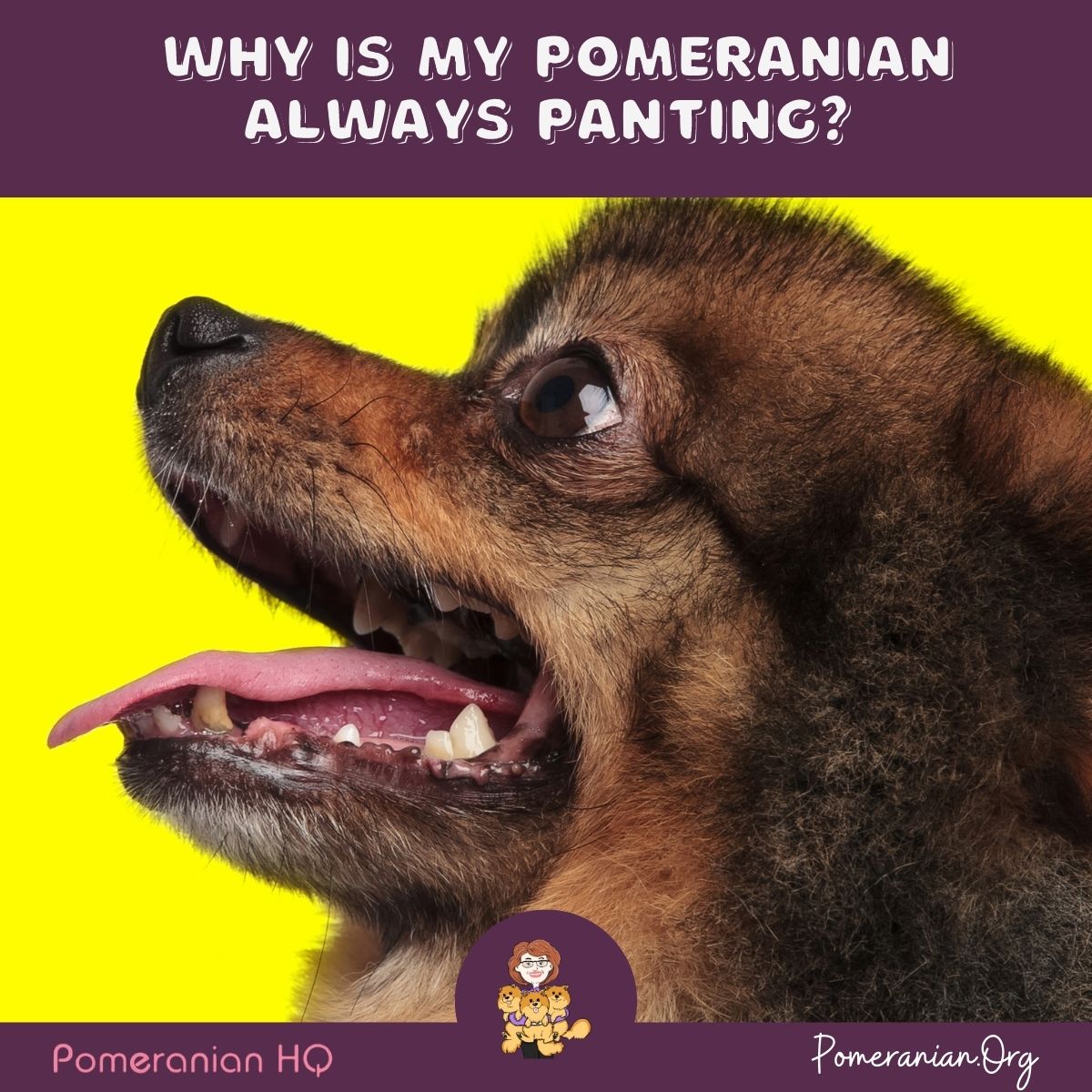
Yes, panting can be entirely normal. Dogs do not cool themselves by sweating over most of their bodies as people do. Instead, they release heat mainly by panting, which moves air across the moist surfaces of the tongue and airways.
A healthy Pomeranian may pant temporarily after exercise, during warm weather or when excited. Normal panting should gradually settle once the dog has rested, cooled down and become calm.
Panting That May Be Normal
- After walking, running or playing
- During warm weather
- Following excitement or enthusiastic barking
- During a car trip or unfamiliar experience
- When briefly anxious or frightened
- When the panting settles with rest and cooling
Panting That Needs Attention
- Begins suddenly without an obvious reason
- Occurs while the dog is resting or sleeping
- Continues well after exercise has stopped
- Appears unusually fast, noisy, strained or shallow
- Is accompanied by coughing, gagging or wheezing
- Represents a clear change from the dog’s normal behaviour
Know What Is Normal for Your Pomeranian
There is no single panting pattern that applies to every dog. Age, fitness, body condition, temperature, excitement and recent activity can all affect breathing. What matters is whether the panting is appropriate for the circumstances and whether it settles normally.
A change is often more important than a number
You know your Pomeranian’s usual behaviour. If your dog is panting more frequently, taking longer to recover or showing other changes such as reduced energy, coughing or reluctance to exercise, arrange a veterinary examination.
Common Reasons Pomeranians Pant
Pomeranians may pant for several harmless reasons. The circumstances surrounding the panting—and how quickly it settles—can help you decide whether it is an expected response or something that needs veterinary attention.
Warmth
Panting helps a dog release body heat. A Pomeranian may pant on a warm day, in a heated room or after lying in the sun.
Exercise and Play
Running, walking and energetic play increase the body’s need for oxygen and cooling. The panting should ease as your dog rests.
Excitement
Some Pomeranians pant when greeting visitors, preparing for a walk, travelling in the car or anticipating something enjoyable.
Stress or Fear
Veterinary visits, thunderstorms, unfamiliar surroundings and separation anxiety can cause panting even when the dog is not hot or active.
Does the Panting Settle Normally?
When panting has an obvious cause, move your Pomeranian to a quiet, comfortably cool place and allow time to recover. Offer fresh water, but do not force your dog to drink.
Normal panting should gradually slow as your Pomeranian cools down or becomes calm. Panting that continues without an obvious reason, repeatedly occurs at rest or appears out of proportion to the activity should be discussed with your veterinarian.
Look at the complete picture
Do not assume panting is harmless merely because the weather is warm or your Pomeranian has been active. Coughing, weakness, noisy or difficult breathing, unusual gum colour, vomiting or failure to recover normally requires veterinary attention.

Medical Causes of Excessive Pomeranian Panting
A Veterinary Check Is the First Step
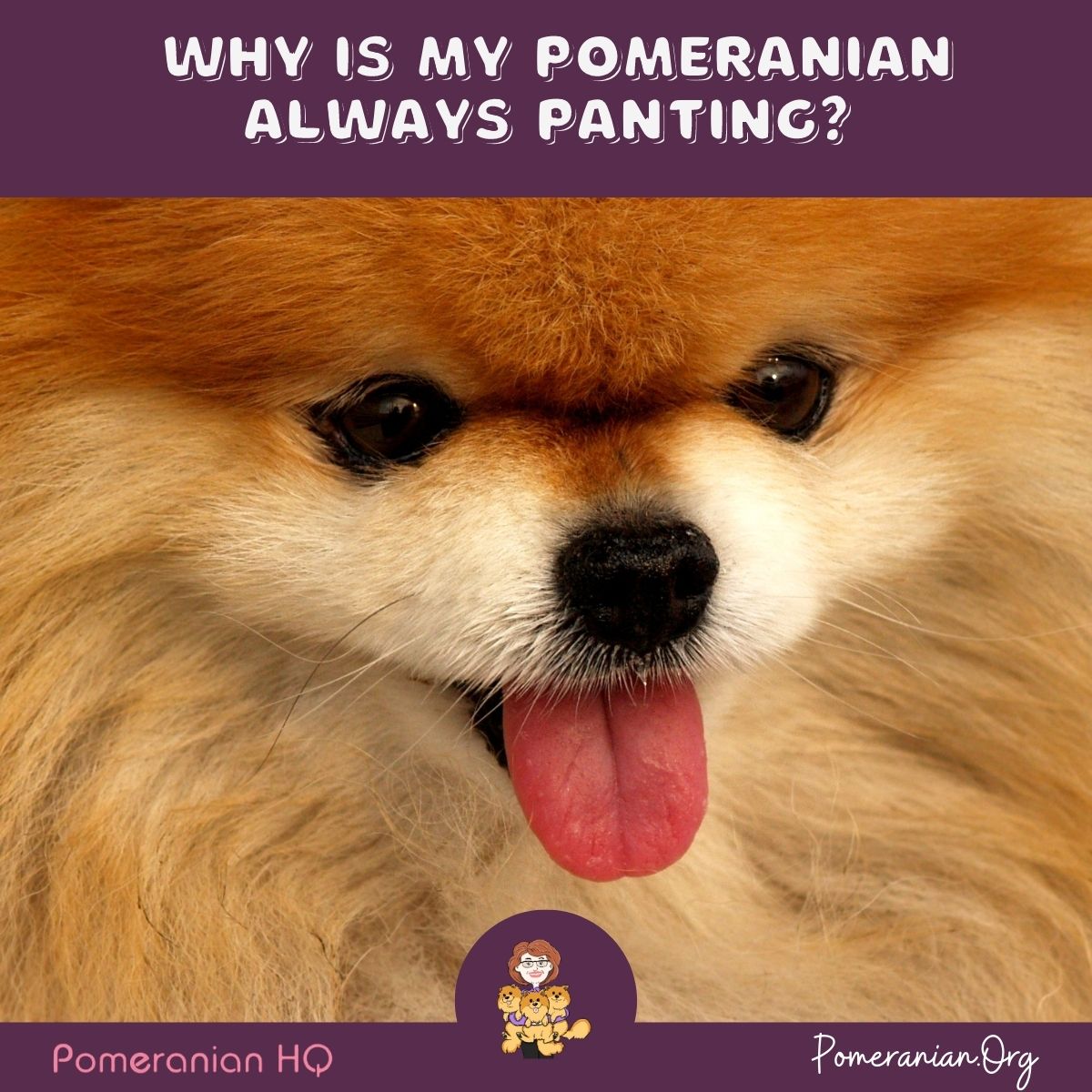
Excessive or unexplained panting can have many causes. Your veterinarian should examine your Pomeranian before you attempt to diagnose or treat the problem at home.
Possible medical causes include:
- Pain or discomfort
- Collapsed trachea or another airway problem
- Heart or lung disease
- Fever or infection
- Cushing’s disease
- Obesity
- Pregnancy complications or eclampsia in a nursing mother
- Side effects from medications, including corticosteroids
These conditions can produce similar symptoms but require very different treatment. Tell your veterinarian when the panting began, when it occurs, and whether you have noticed coughing, reduced energy, increased thirst or other changes. A short video of the panting may also be helpful.
Pomeranian Panting and Collapsed Trachea
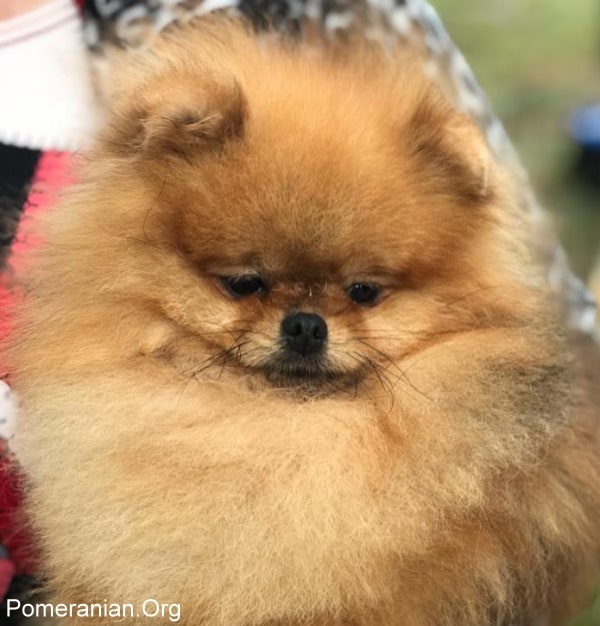
Collapsed trachea is an important possible cause of abnormal panting in Pomeranians. Other signs may include a dry “goose-honk” cough, gagging, noisy breathing, tiring easily or symptoms that worsen with excitement, heat or pressure from a collar.
One of my own Pomeranians began panting heavily and could no longer keep up with the other dogs during play. My veterinarian diagnosed a collapsed trachea.
Do not assume every cough or episode of panting is caused by the trachea. Heart, lung and other medical problems can produce similar symptoms, so a veterinary diagnosis is essential.
If your Pomeranian has been diagnosed with a collapsed trachea, use a well-fitted harness rather than attaching the lead to a collar, and follow your veterinarian’s treatment and weight-management advice.
Why Is My Pomeranian Panting at Night?
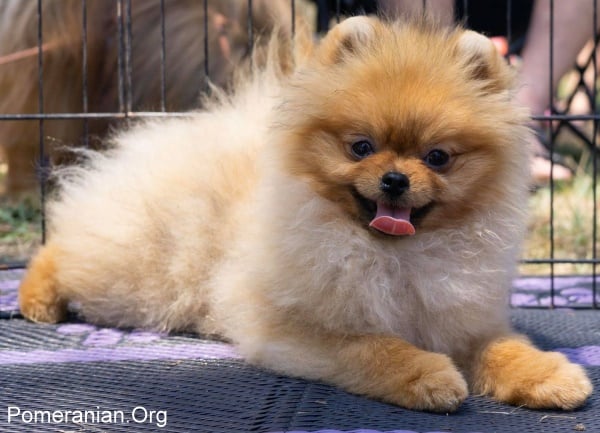
Night-time panting may be caused by a warm room, anxiety, pain or a medical condition. Older Pomeranians may also pant at night when they are uncomfortable, confused or unable to settle.
If the panting is new, occurs repeatedly or happens while your dog is resting in a comfortably cool room, arrange a veterinary examination. Note when it begins and record a short video for your veterinarian if possible.
Do not dismiss persistent night-time panting as simply old age. Pain, heart or respiratory disease, medication side effects and other health problems must first be ruled out by your veterinarian.
What to Tell Your Veterinarian
Clear information can help your veterinarian investigate the cause of your Pomeranian’s panting. Before the appointment, note:
- When the panting began and how long each episode lasts
- Whether it occurs during activity, at night or while resting
- Any coughing, gagging, weakness, pain or change in behaviour
- Changes in appetite, thirst, weight or energy
- Any medications or supplements your dog is taking
Record a short video if you can. Panting may stop before you reach the veterinary clinic, so a video showing your Pomeranian’s breathing and behaviour can provide useful information.
Final Thoughts on Pomeranian Panting
Panting can be perfectly normal after activity, during warm weather or when your Pomeranian is excited. However, unexplained, excessive or persistent panting should always be checked by your veterinarian first.
Pomeranians are very small dogs, and their condition can sometimes worsen quickly. Have your veterinarian rule out pain, breathing difficulties and other medical problems rather than trying to diagnose unusual panting at home.
Please note: while I do discuss health, care, and behavioral issues, you should never use this information as a replacement for advice from qualified veterinarians, diagnoses, or recommended treatment regimes. If you have any worries about the health of your Pomeranian, your first contact should be your regular vet or, if you don’t yet have one, a vet that works locally. Never ignore or avoid treatment and advice from your vet because of a piece of information you have read on any website.
Copyright Pomeranian.org. All Rights Reserved.
📚 References & Further Reading
- [1] AKC Pomeranian Breed Standard (2011)
- [2] English Kennel Club Breed Standard
- [3] The Pomeranian Handbook – Denise Leo
- [4] Denlinger, The Complete Pomeranian
- [5] Kimbering, 1891–1991
- [6] Taplin, The Sportsman’s Cabinet
- [7] Parker, The Popular Pomeranian
- [8] Ives, Show Pomeranians