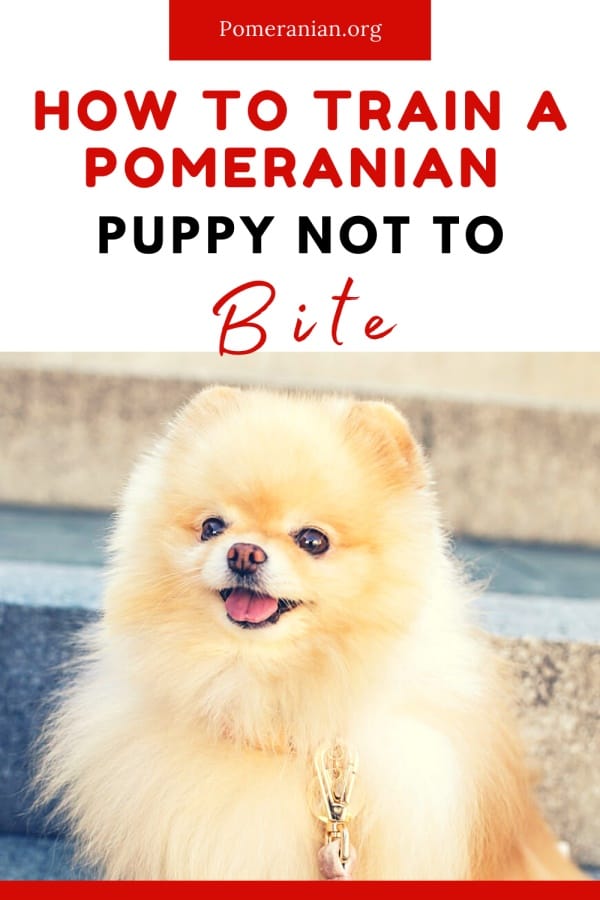

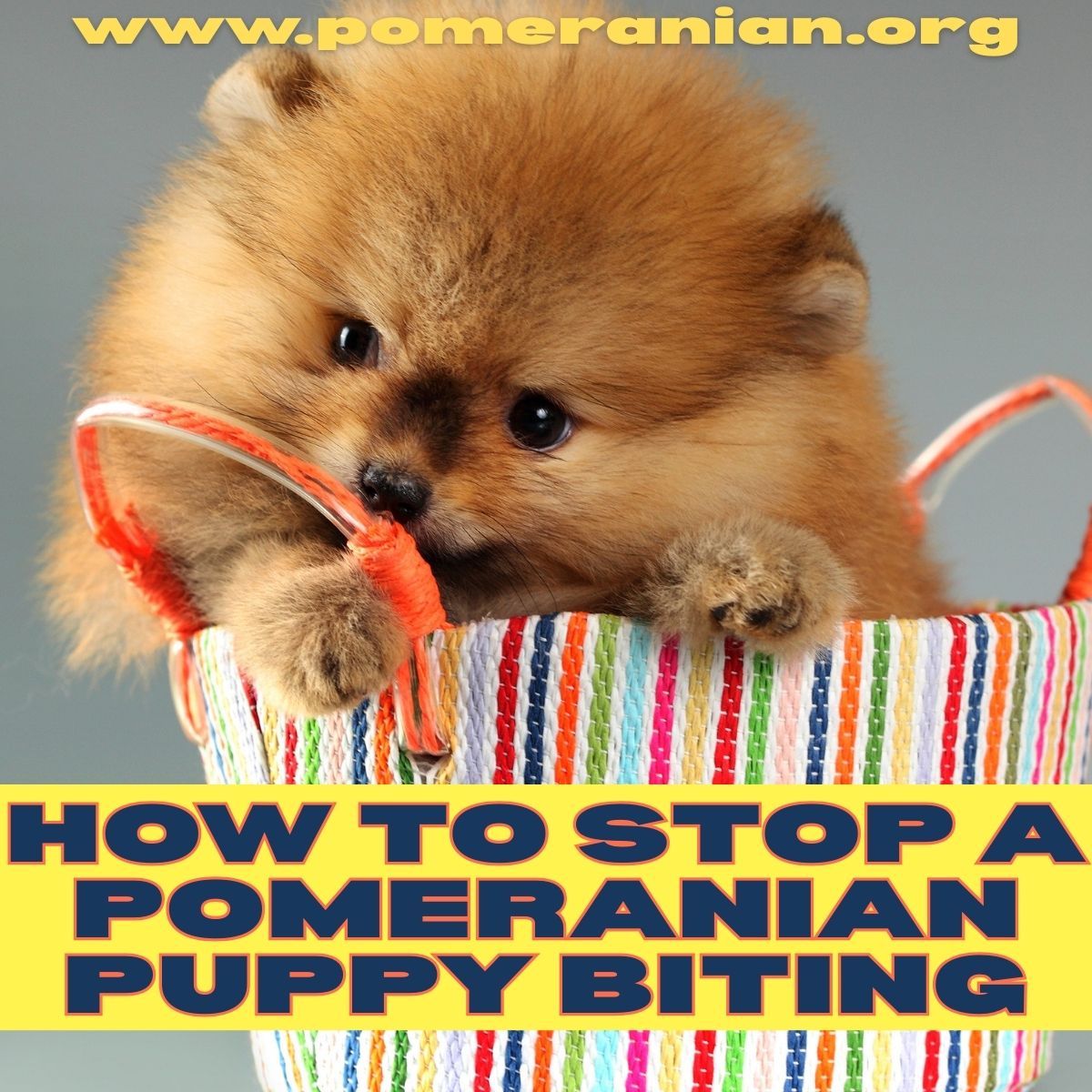
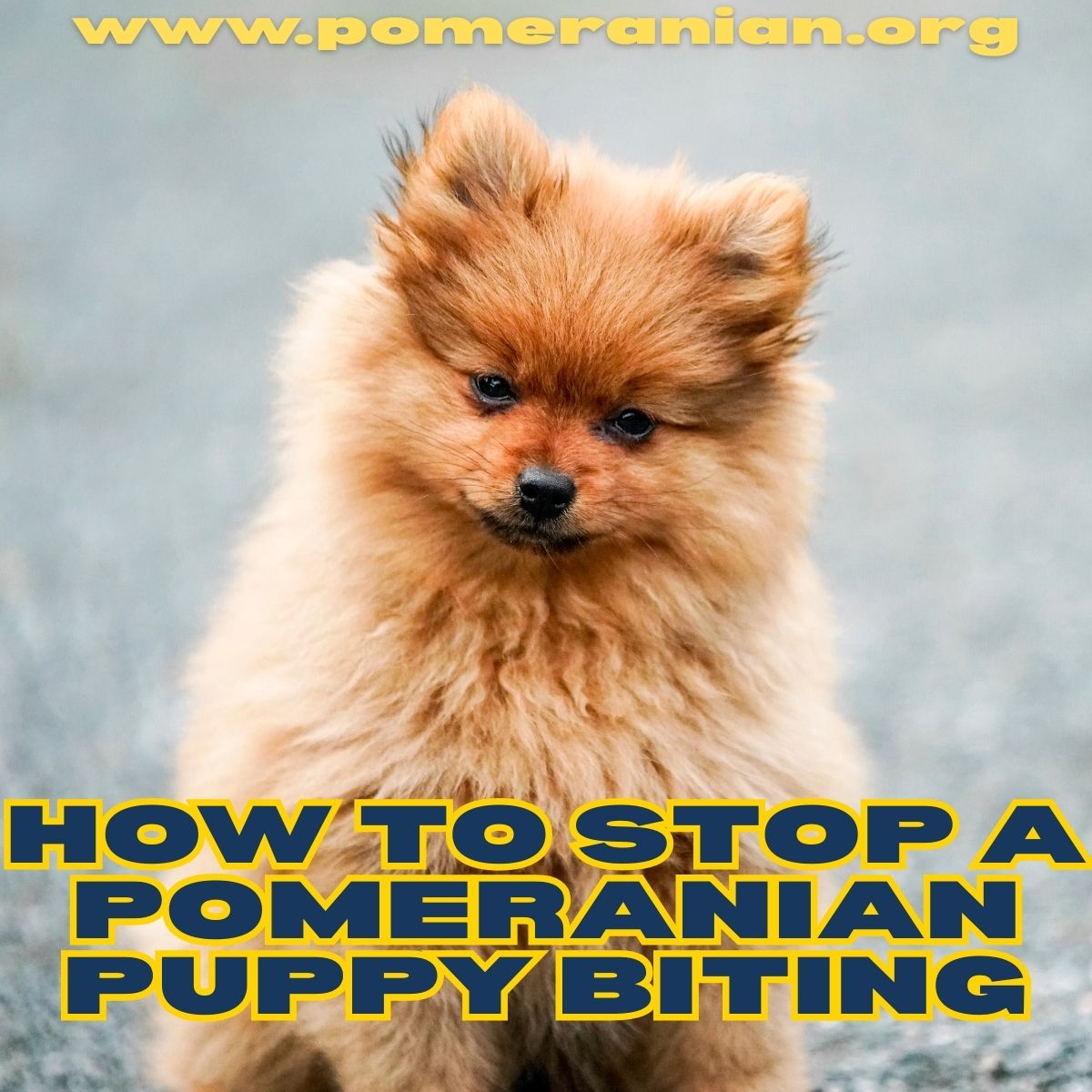
Pomeranian puppy biting is one of the most common challenges new Pom owners face. It’s perfectly natural for a young puppy to nip, chew, and mouth fingers, toes, and even clothing as part of their development.
Mouthing is how puppies explore their world, soothe teething discomfort, and interact during play. However, without proper guidance, this habit can quickly become frustrating—and in some cases, lead to long-term behavior problems.
In this guide, you’ll learn exactly how to stop a Pomeranian puppy from biting, why your Pom keeps nipping, and the best training methods to encourage gentle play and good manners.
The advice here is written by Denise Leo, an internationally recognized Pomeranian expert and preservation breeder with over 50 years of experience raising and training champion Pomeranians. Her proven techniques will help you manage biting behavior with patience, consistency, and positive reinforcement—so your Pomeranian grows into a well-behaved, happy companion.
Why Do Pomeranian Puppies Bite?
It’s completely natural for a Pomeranian puppy to bite, nip, or growl during play. A Pom puppy chewing on fingers is simply exploring the world around them. This “mouthing” stage is normal and part of healthy puppy development. Their sharp little teeth are a means of investigating everything they encounter.
My Pomeranian Puppy Keeps Biting
Many owners say, “My Pomeranian puppy keeps biting me!” During play, Pom puppies will chew, mouth, and bite hands, arms, legs, and even clothing. While this behavior is normal, it’s important to teach your puppy that human skin is sensitive and biting isn’t acceptable.
Learning how to prevent a Pomeranian puppy from biting early can help avoid more significant behavioral issues later.
Teaching Bite Inhibition
Bite inhibition is the ability of a puppy to control the strength of their bite. Puppies usually learn this while playing with littermates—if one bites too hard, the other yelps, and play stops.
This teaches the puppy to be gentle, allowing the game to continue. You can use this same principle at home by yelping or saying “ouch” when your puppy bites too hard and then briefly ignoring them.
Redirect Biting to Toys
If your Pomeranian puppy keeps biting your hands, fingers, or ankles, redirect their mouth to something appropriate. Offer chew bones, tug toys, or teething rings whenever they start nibbling on you. Keep a toy nearby or even in your pocket so you can instantly swap your skin for a safe object. Teaching fun, non-contact games like fetch or tug-of-war also helps stop biting.
Use Time-Outs for Persistent Biting
If your Pom puppy doesn’t stop nipping after redirection, apply a short time-out. As soon as teeth touch your skin, make a high-pitched yelp, stand up, and stop engaging for 30–60 seconds. If the biting continues, calmly leave the room for a short period (ensuring the area is puppy-proofed). This teaches your puppy that biting results in lost attention and playtime.
Avoid Encouraging Rough Play
Owners sometimes unintentionally encourage biting by wrestling with their puppy using their hands. Never use your body as a means to an end. Avoid overdoing lap cuddling or lying on the floor with your Pom if it leads to biting. Instead, rotate a large selection of toys—such as fetch toys, tug toys, food puzzles, and scent games—to keep your Pom busy and reduce mouthing.
Pomeranian Puppies Need Rest Too
Overtired puppies are more likely to bite and have trouble learning impulse control. Make sure your Pom is getting enough naps during the day and sleeps well at night. A well-rested puppy is calmer and learns faster.
Handling Over-Arousal
Sometimes biting happens because your Pomeranian is overstimulated. If your Pom bites while in your lap, gently place them on the floor and stand up to break the cycle. Reducing excitement and giving them a chance to settle prevents further nipping.
Pack Lessons Carry Over
In a puppy’s first home, littermates and the mother teach that biting too hard leads to being ignored. You must continue this training in your home. If your Pom nips, ignore them briefly, just as their canine pack would. Over time, they’ll learn that biting ends social interaction.
Stopping Pomeranian Puppy Biting and Growling
When your Pom nips, firmly say “No!” and change your position to assert authority. Ignore them completely until they calm down. Once your Pom stops trying to bite, reward with calm praise or gentle petting. Repetition is key. If your Pom continues biting ankles, provide a safe time-out in a gated area with no dangerous items.
Frequently Asked Questions About Pomeranian Puppy Biting
1. Why does my Pomeranian puppy keep biting me?
Pomeranian puppies bite as part of their natural development. Mouthing helps them explore their environment and relieve teething discomfort. They may also bite during play when they get excited or overstimulated.
2. How do I stop my Pomeranian puppy from biting?
Redirect biting to safe chew toys, use non-contact games like tug-of-war, and apply short time-outs when necessary. Consistency and positive reinforcement are essential to stop a Pomeranian puppy from biting.
3. At what age do Pomeranian puppies stop biting?
Most Pomeranian puppies begin to outgrow biting between 4 and 6 months of age as they mature and their teething slows. With proper training, biting and mouthing habits should improve steadily.
4. Is it normal for Pomeranian puppies to bite and growl during play?
Yes. Growling and biting are normal behaviors in puppies. However, it’s important to teach bite inhibition so your Pom learns to play gently without hurting people.
5. What should I do if my Pomeranian puppy keeps biting my ankles or feet?
Stop moving immediately and redirect your puppy’s attention with a toy. If they persist, give a short time-out until they calm down. Repeating this consistently helps break the habit.
6. Can a Pomeranian puppy’s biting turn into aggression?
In most cases, biting is just playful mouthing, not aggression. However, if biting becomes intense, frequent, or accompanied by fearful body language, consult a trainer or veterinarian to rule out any underlying issues.
Final Thoughts on Pomeranian Biting
Pomeranian puppy biting may be natural, but it’s a habit you can’t ignore. By teaching bite inhibition, redirecting to toys, using time-outs, and avoiding rough play, you’ll stop your Pomeranian puppy from biting and raise a well-mannered companion. Consistency, patience, and positive reinforcement are the keys to success.
Copyright Pomeranian.Org. All Rights Reserved.
📚 References & Further Reading
- [1] AKC Pomeranian Breed Standard (2011)
- [2] English Kennel Club Breed Standard
- [3] The Pomeranian Handbook – Denise Leo
- [4] Denlinger, The Complete Pomeranian
- [5] Kimbering, 1891–1991
- [6] Taplin, The Sportsman’s Cabinet
- [7] Parker, The Popular Pomeranian
- [8] Ives, Show Pomeranians
The Pomeranian Handbook