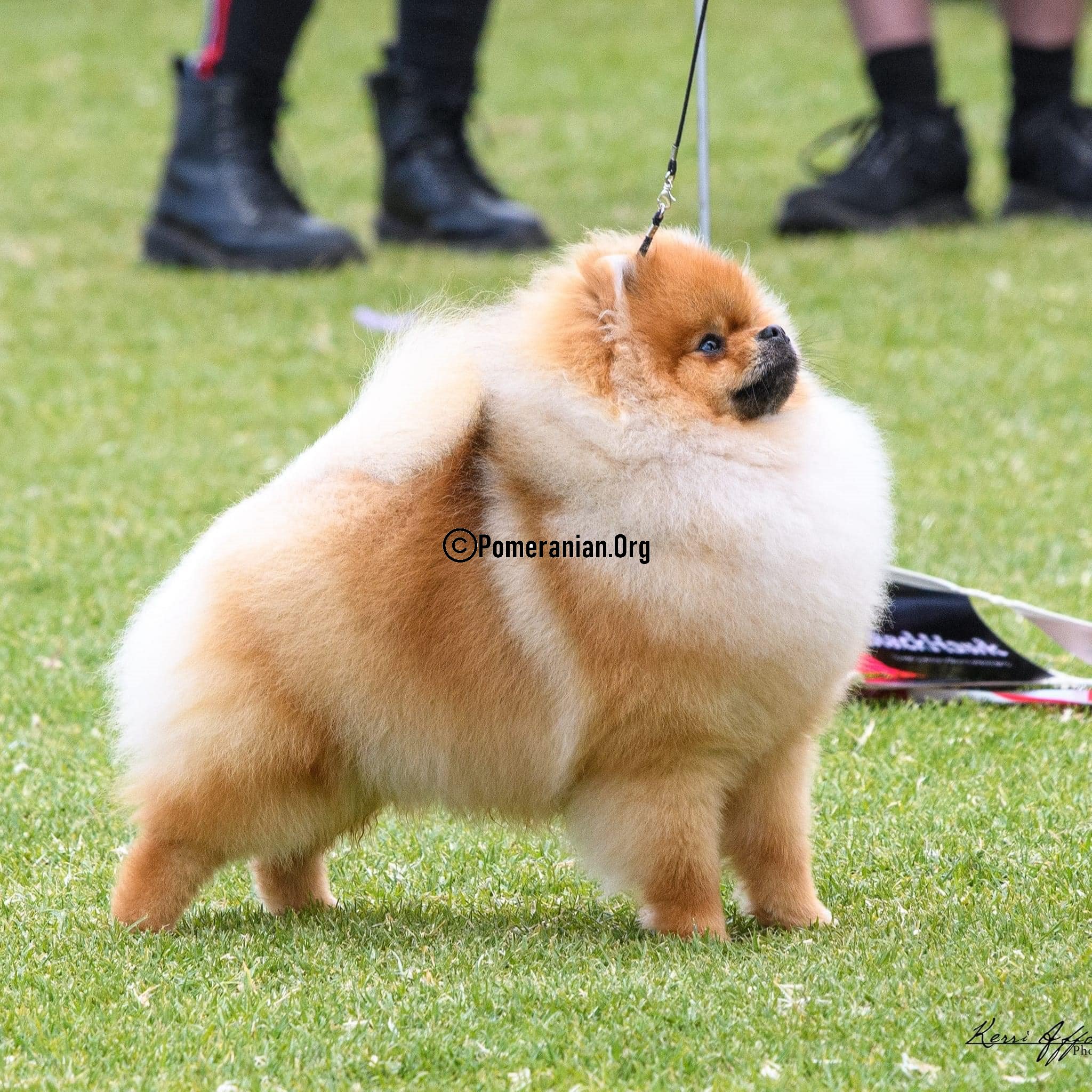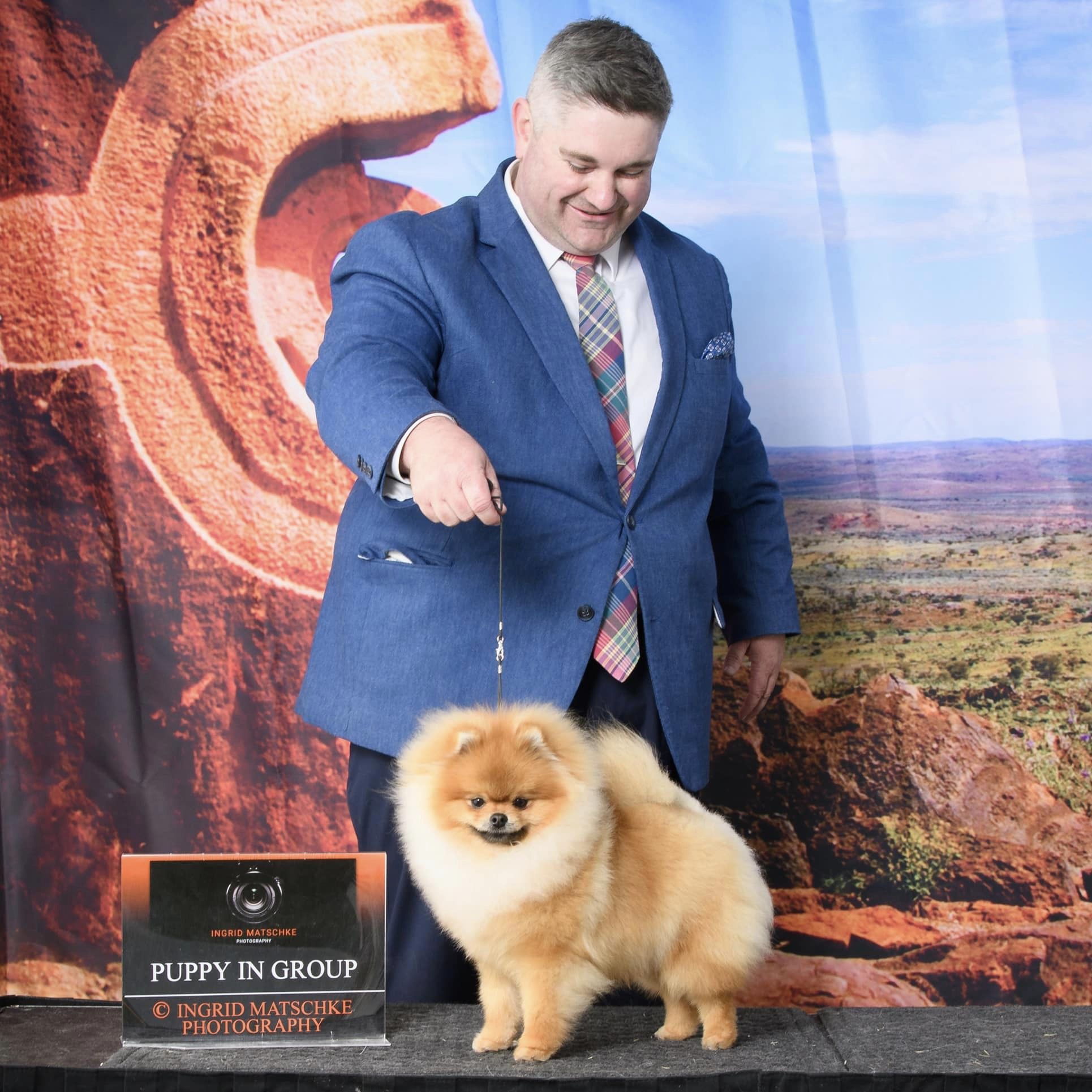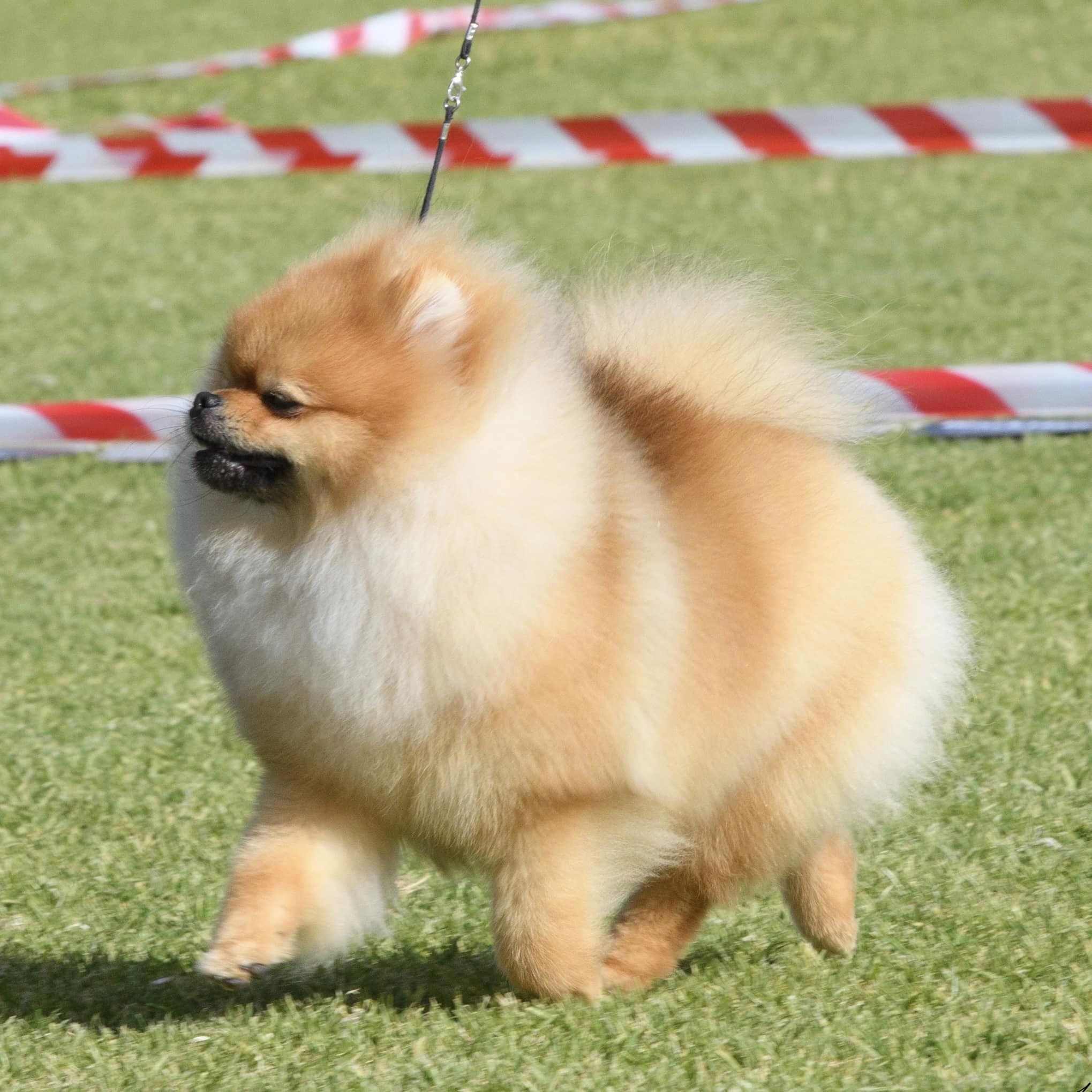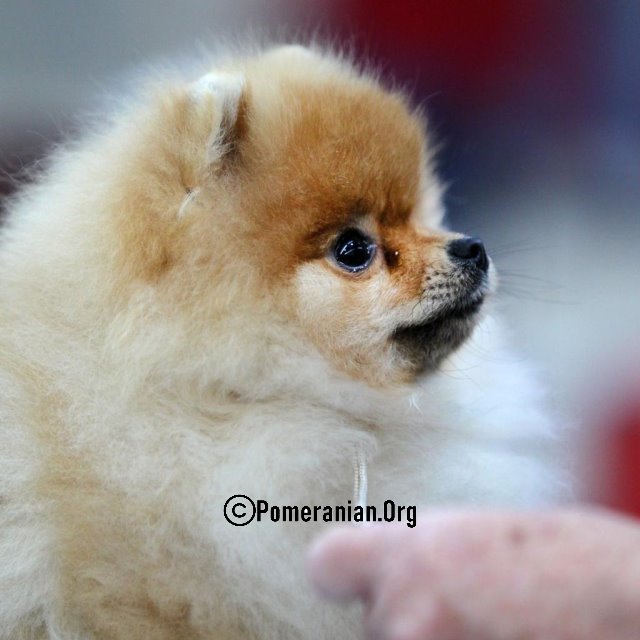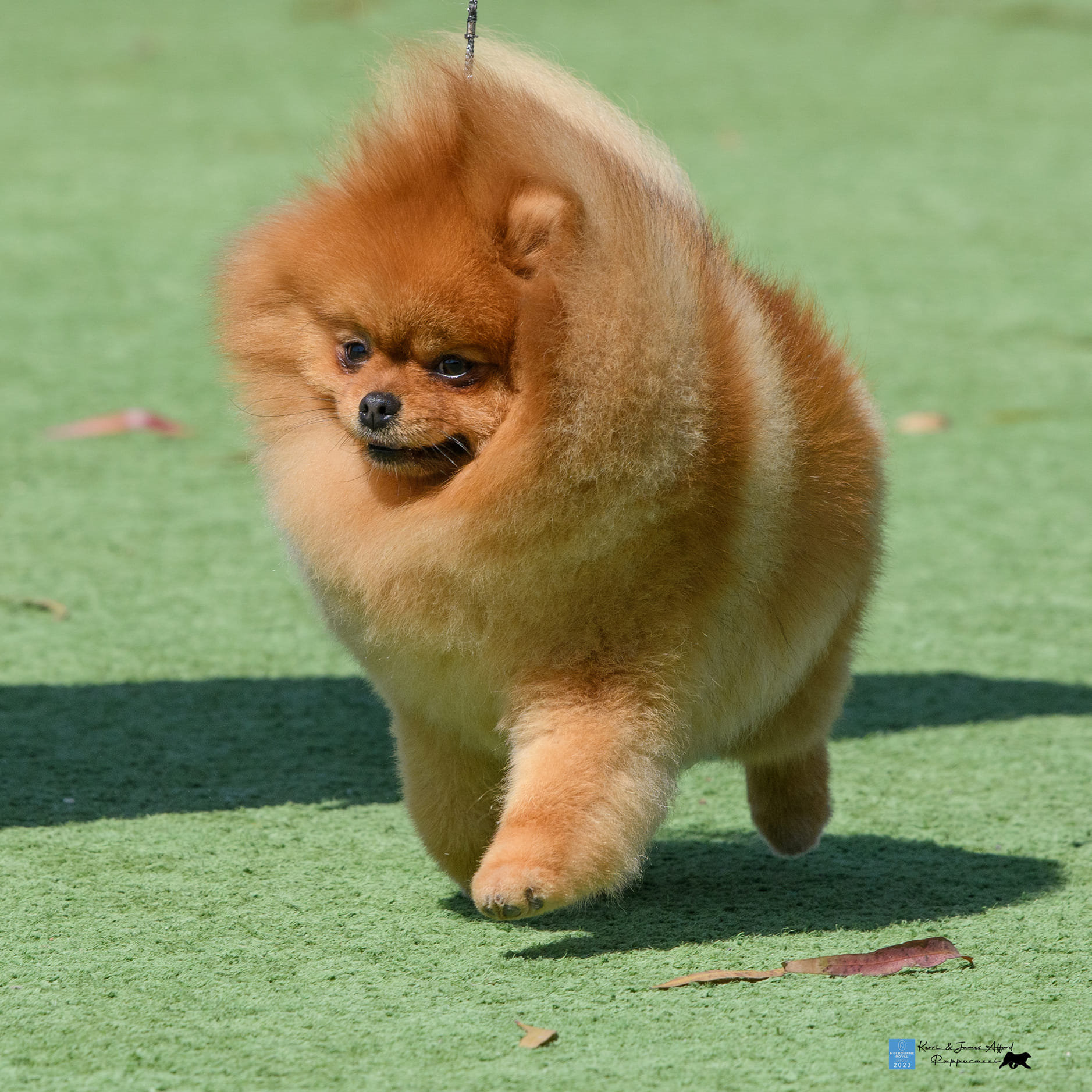

Pomeranians may not speak in words, but they communicate constantly. Their ears, eyes, tail, posture and facial expressions combine with barking, growling, whining and howling to create a surprisingly expressive Pomeranian language.
I’m Denise Leo, a Pomeranian breeder, exhibitor, judge and published author with more than 50 years of experience with the breed. Living with generations of Pomeranians has taught me that each dog develops an individual way of expressing excitement, uncertainty, affection and discomfort. Learning to recognize these signals helps owners respond appropriately and build a closer relationship with their dog.
A wagging tail does not always mean happiness, just as a growl does not automatically mean aggression. The complete situation must be considered, including the dog’s posture, expression, surroundings and the events immediately preceding the behavior.
In this guide, I explain the meaning of common Pomeranian body language and vocal signals. You will learn what different barks and growls may communicate, why Pomeranians whine and whether Pomeranians howl. Understanding what your Pomeranian is trying to tell you can help prevent fear, reduce misunderstandings and strengthen the bond you share.
Pomeranian Language: Quick Answer
Pomeranians communicate through body posture, facial expressions, tail and ear positions, barking, growling, whining and other vocal sounds. No single signal should be interpreted without considering the complete situation.
Do Pomeranians howl? Yes, some Pomeranians howl in response to sirens, music, other dogs, excitement, loneliness or attempts to attract attention. However, howling is less common than barking in this breed.
A sudden change in your Pomeranian’s normal behavior or vocalization can indicate fear, stress, discomfort or illness and should never be ignored.
Understanding Pomeranian Language
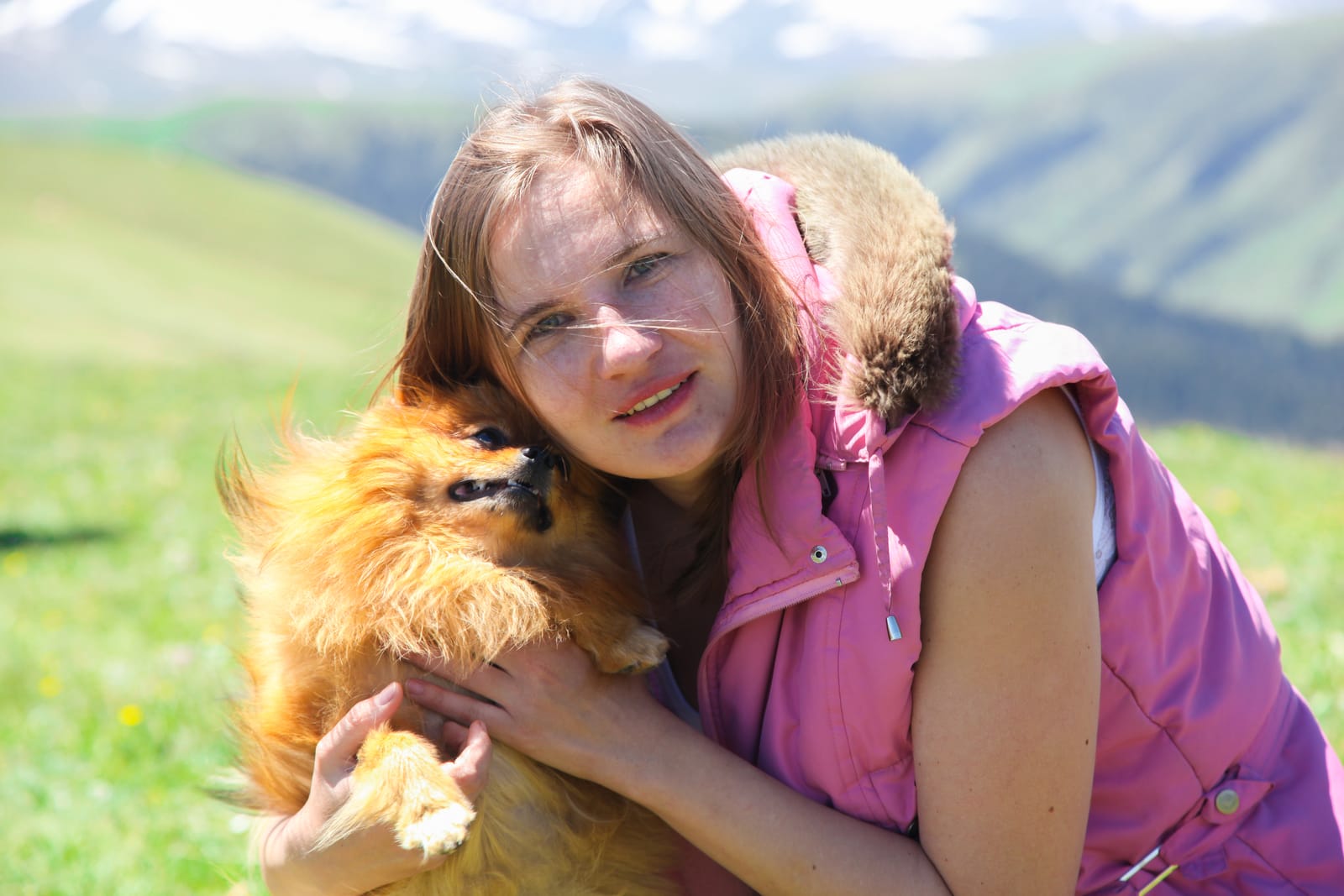
Pomeranian language includes everything your dog does to communicate, from changes in posture and facial expression to barking, whining, growling and howling. These signals reveal how a Pomeranian may be feeling and what the dog needs from the people around it.
One signal should never be interpreted in isolation. A wagging tail can accompany happiness, excitement, uncertainty or tension. A growl may express fear, pain, discomfort, resource guarding or a desire for more space. The meaning becomes clearer when the sound is considered together with the dog’s eyes, ears, mouth, tail and overall posture.
Context is equally important. Consider what happened immediately before the behavior, who or what is nearby and whether your Pomeranian has somewhere safe to retreat. The same bark or body position may have a different meaning in another situation.
Every Pomeranian is an individual. By observing your dog during relaxed, playful and uncertain moments, you will gradually recognize their usual signals. This makes it easier to notice meaningful changes and respond before excitement, fear or discomfort escalates.
Pomeranian Body Language and What It Means
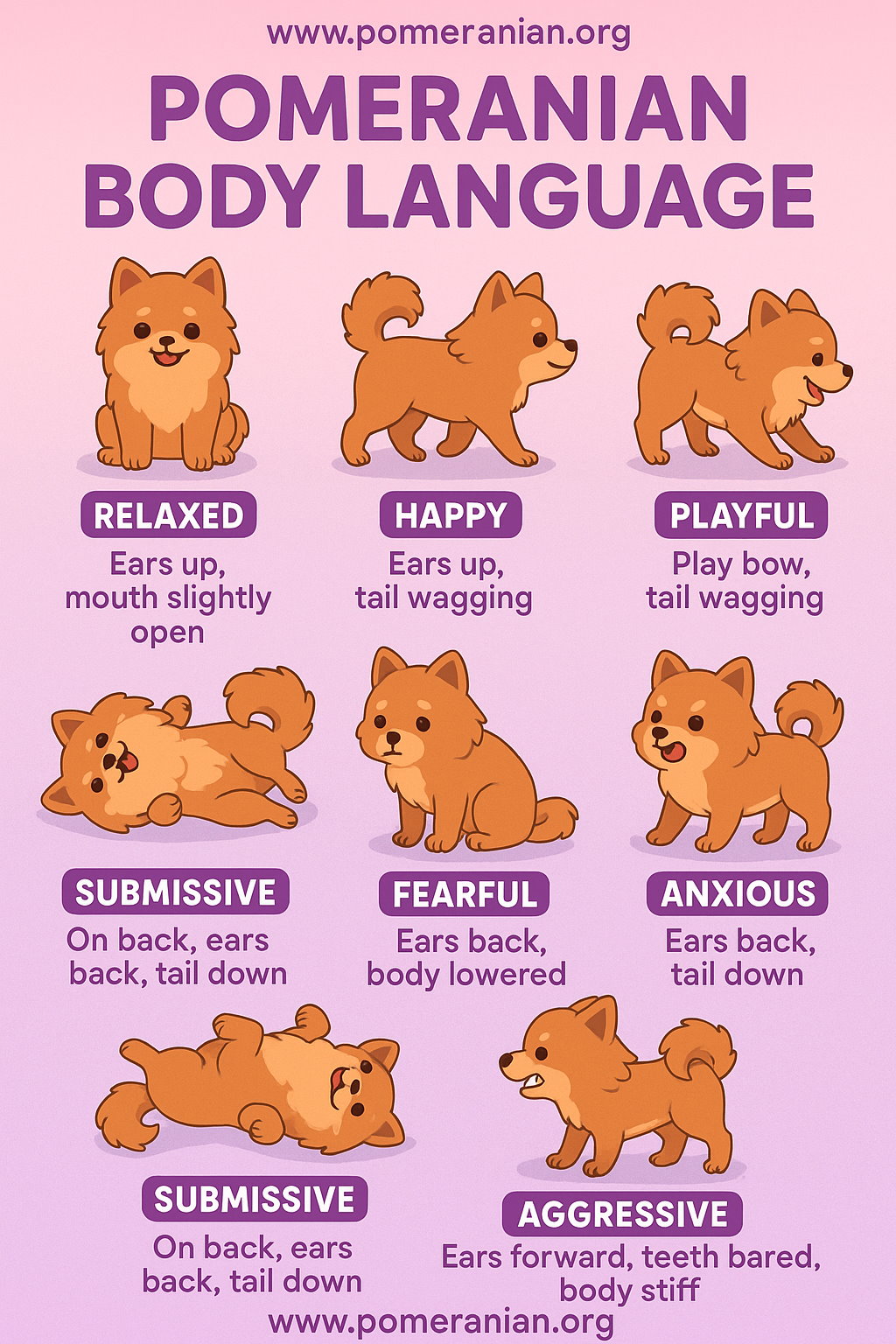
A relaxed Pomeranian usually has a soft expression, loose body, naturally positioned ears and an open or gently closed mouth. The tail may rest in its normal position over the back, although individual dogs may carry it differently when resting.
A playful Pomeranian may lower the front of the body while keeping the hindquarters raised. This familiar play bow is often accompanied by a loose, wiggling body, bright expression and energetic movements. The dog may bark, bounce or run away briefly before returning to continue the game.
A worried or fearful Pomeranian may crouch, lean away, lower the head, flatten the ears or attempt to hide. Other signs can include lip licking, yawning, trembling, panting when it is not hot, avoiding eye contact or showing the whites of the eyes. A frightened dog should be given space rather than forced to interact.
A stiff body requires attention. A Pomeranian that suddenly freezes, closes its mouth, stares intently or shifts its weight forward may be uncomfortable and preparing to defend itself. Do not punish these warning signals. Calmly increase the distance between the dog and whatever is causing concern.
Rolling onto the back can have several meanings. A relaxed dog with a loose body may be requesting a tummy rub, while a tense dog with flattened ears and a tucked tail may be displaying fear or appeasement. The rest of the body language reveals the difference.
Turning the head away, moving away or repeatedly licking the lips can be a polite request for an interaction to stop. Respecting these early signals helps your Pomeranian feel safe and may prevent the situation from progressing to growling or biting.
How to Communicate With a Pomeranian Using Body Language
Human body language can appear very different from a dog’s perspective. Leaning over a Pomeranian, staring directly into the eyes or reaching suddenly over the head may feel threatening, particularly to a nervous dog.
Approach calmly and avoid rushing directly toward the dog. Turning slightly sideways and allowing the Pomeranian to approach voluntarily can feel less intimidating. If the dog moves away, turns its head or stiffens, pause and provide more space.
Many people automatically pat a dog on top of the head. Some Pomeranians tolerate or enjoy this from familiar people, while others prefer a gentle scratch beneath the chin, on the chest or along the side of the body. Watch the dog’s response rather than assuming every Pomeranian enjoys being touched in the same way.
Pomeranians do not naturally understand human hugs. Some learn to enjoy being held closely by trusted family members, but others may feel trapped. Signs such as lip licking, turning the head away, flattened ears, struggling or a stiff body indicate that the dog is uncomfortable and should be released.
Avoid forcing your Pomeranian to interact with strangers, children or unfamiliar dogs. Allowing the dog to observe and approach at a comfortable pace builds confidence and reduces the risk of fearful behavior.
Learning to control your own movements is an important part of understanding Pomeranian language. Calm, predictable body language helps your dog feel safe and makes your instructions easier to understand.
How to Give Pomeranian Verbal Commands Clearly
Pomeranians can learn many spoken words, but commands are easier to understand when they are short, consistent and paired with the same action. Choose one cue for each behavior and ensure everyone in the household uses it.
For example, use “come” rather than changing between “come,” “come here,” “over here” and “here, boy.” Repeatedly changing the word can make training unnecessarily confusing.
Select commands that sound noticeably different from one another. If your Pomeranian’s name sounds similar to a cue, the dog may struggle to distinguish between them, particularly in a noisy or distracting environment.
Speak clearly in a calm, confident voice. There is no need to shout because Pomeranians have sensitive hearing, and yelling may create fear or excitement rather than understanding. An emergency command may need to be loud, but everyday training should remain controlled and positive.
Use praise, treats or play to reward the correct response immediately. This helps your Pomeranian connect the spoken cue with the desired behavior. Short, enjoyable training sessions are generally more effective than long or repetitive lessons.
Your words, tone, hand signals and body position should all communicate the same message. Consistency makes human language easier for your Pomeranian to understand and encourages a willing response.
Pomeranian Sounds and Their Meanings
Pomeranians communicate through barking, yipping, whining, growling, grumbling and howling. The meaning of each sound depends on its pitch, repetition, intensity and the circumstances in which it occurs.
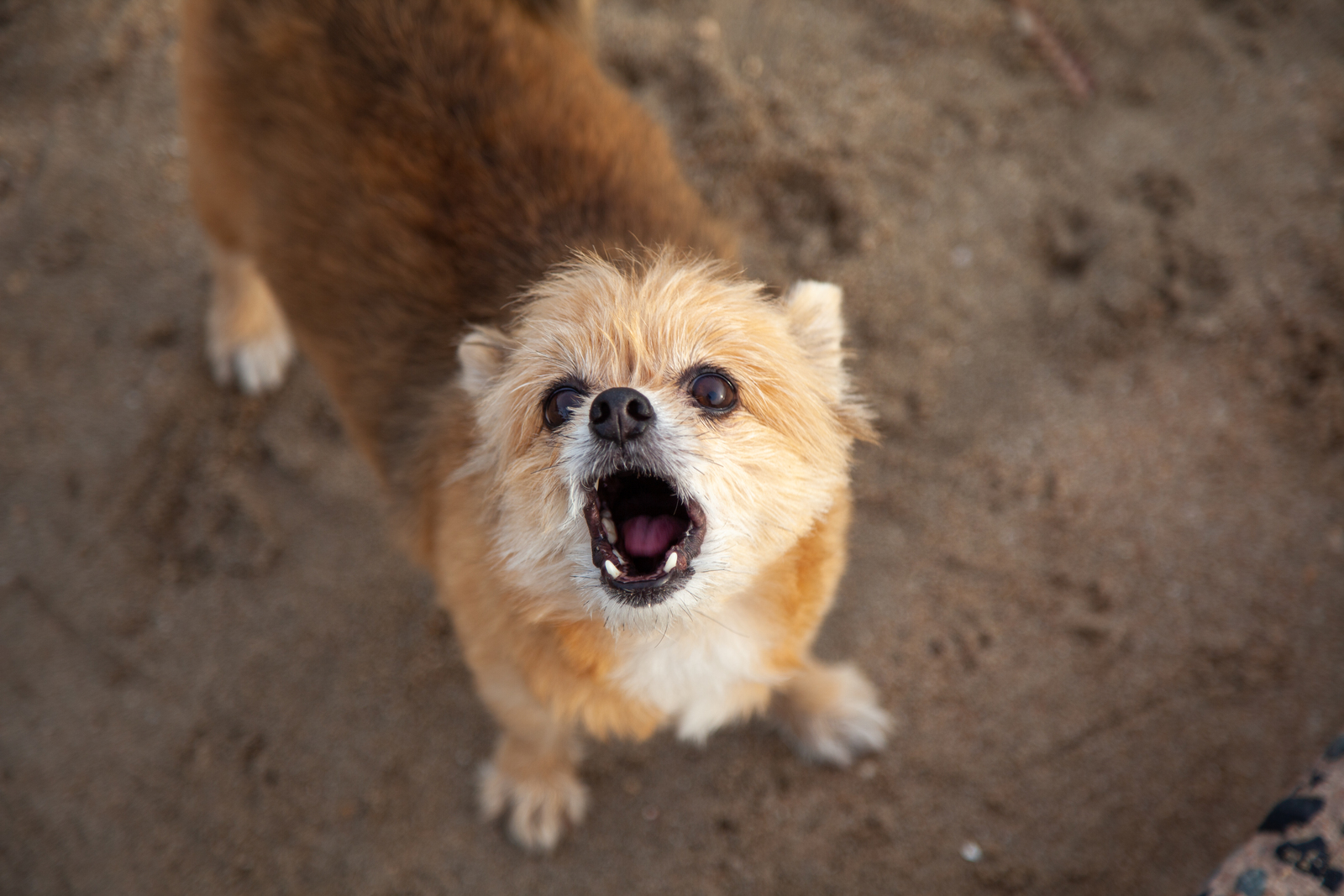
A short, sharp bark may indicate surprise, excitement or a demand for attention. Repeated rapid barking often means the Pomeranian has noticed a visitor, unfamiliar sound or activity outside the home. Higher-pitched yips commonly accompany excitement or play.
Whining can express anticipation, frustration, anxiety, discomfort or a desire for something. Check what is happening before responding. A Pomeranian waiting for dinner may whine from excitement, while a dog whining when touched or moving could be experiencing pain.
Growling is an important warning signal rather than bad behavior that should automatically be punished. A growl may mean that the Pomeranian feels afraid, threatened, uncomfortable or protective of something valuable. Some Pomeranians also make playful growling sounds while interacting with people or other dogs.
Consider the dog’s complete body language. A playful growl usually accompanies a relaxed, bouncy body, while a warning growl may occur with stiffness, freezing, staring or attempts to move away.
Learning the normal sounds made by your own dog is central to understanding Pomeranian language. A sudden increase in vocalization or an unfamiliar cry can indicate stress, injury or illness and may require veterinary attention.
Learn Pomeranian Body Language
Learning Pomeranian body language takes time and careful observation. Watch your dog when relaxed, playful, excited and uncertain, then notice how their signals change when interacting with people and other dogs.
Gradually, you will recognize the facial expressions, postures and movements that form your individual dog’s Pomeranian language. The effort is worthwhile because better understanding reduces misunderstandings and strengthens the bond you share.
Body language is only part of the conversation. Pomeranians also communicate through barking, growling, whining and howling, which we will examine shortly.
The Language of Pomeranians
Every movement can contribute to Pomeranian language. Always consider the dog’s complete posture, expression and surroundings rather than relying on one signal alone.
May indicate interest, confidence, excitement or intense focus. A stiff body suggests greater tension than a loose, relaxed posture.
Can be a warning that the Pomeranian feels threatened, highly aroused or prepared to defend itself. Increase distance and avoid confrontation.
Often indicates uncertainty, fear or a desire for more space.
May signal anxiety, fear, appeasement or an attempt to avoid conflict.
Can be a polite request for an interaction to stop or an attempt to reduce tension.
A loose body with elbows near the floor and hindquarters raised is usually a play bow inviting friendly interaction.
A relaxed Pomeranian may be asking for a tummy rub. A tense dog with flattened ears may instead be showing fear or appeasement.
May be part of play, an attempt to control the interaction or a request for attention. Watch how the other dog responds.
Often occurs during energetic play, but intervene if either dog becomes tense or tries to escape.
May indicate alertness, confidence or interest. A high head combined with freezing and staring can signal tension.
What’s Your Pom Saying?
Dogs do not communicate only through barking. Pomeranians may also howl, growl, grumble, pant, yip, whine and sneeze. Each sound can have several meanings depending on its pitch, repetition, intensity and the situation.
New owners are sometimes worried when their little dog growls like a much larger animal. Growling is part of Pomeranian language and should not automatically be punished. Listen to the sound, observe your dog’s complete body language and consider what is happening around them.
Interpreting Your Pomeranian’s Language
May be a request for attention, food, play, a walk or something else your Pomeranian wants.
May be a warning that your Pomeranian is uncertain, uncomfortable or wants more space.
Often means your Pomeranian has noticed a visitor, unfamiliar noise or activity nearby and is sounding the alarm.
Frequently accompanies excitement, anticipation or energetic play.
May be an invitation to play, a gentle request for attention or an uncertain response to something unfamiliar.
Can communicate discomfort, fear, pain, resource guarding or a request for another dog or person to move away. Do not punish the warning; identify and address its cause.
May indicate uncertainty, nervousness or fear. Look for accompanying signs such as crouching, flattened ears or attempts to retreat.
Can occur during play, particularly when accompanied by a loose body, play bow and bouncy movements.
No sound has one guaranteed meaning. Always interpret Pomeranian vocalizations together with body language and context.
Do Pomeranians Howl?
Yes, Pomeranians can howl, although most Pomeranians bark more frequently than they howl. A Pomeranian howl may be a long, sustained sound or a mixture of howling, yipping and barking.
Some Pomeranians howl when they hear sirens, musical instruments, singing or other dogs. These sounds may trigger an instinctive vocal response, with the Pomeranian appearing to “join in.” Excitement and social interaction can also encourage howling.
A howling Pomeranian may be trying to attract attention or communicate with family members. If the dog receives attention every time it howls, the behavior can quickly become a successful way of asking for food, play or company.
Loneliness or separation-related distress can also cause Pomeranian howling. This is more concerning when the howling occurs after the owner leaves and is accompanied by pacing, panting, destructive behavior, toileting accidents or attempts to escape.
Occasional howling in response to a sound is usually normal. However, sudden, persistent or unexplained howling may indicate fear, discomfort, pain or a medical problem. A noticeable change in your Pomeranian’s usual vocal behavior should be discussed with a veterinarian.
Pomeranian Language and Howling FAQ
Do Pomeranians Howl?
Yes, Pomeranians can howl, although they generally bark more often. Some howl in response to sirens, music, singing, other dogs, excitement or a desire for attention.
Why Is My Pomeranian Howling?
A howling Pomeranian may be responding to a sound, seeking attention or expressing excitement. Howling accompanied by pacing, panting, destructive behavior or attempts to escape may indicate separation-related distress.
Is Pomeranian Howling Normal?
Occasional howling in response to a recognizable sound is usually normal. Sudden, persistent or unexplained howling may indicate fear, stress, pain or illness and should be discussed with a veterinarian.
How Do Pomeranians Communicate?
Pomeranian language combines body posture, facial expressions, ear and tail positions with barking, growling, whining, yipping and howling. Each signal must be interpreted within its complete context.
What Does a Pomeranian Growl Mean?
A growl may communicate fear, pain, discomfort, resource guarding or a desire for more space. Pomeranians can also growl during play. Observe the dog’s complete body language and do not punish this important warning signal.
Why Does My Pomeranian Whine?
Whining can indicate excitement, anticipation, frustration, anxiety or discomfort. Consider what is happening at the time and whether the whining represents a change from your Pomeranian’s normal behavior.
Does a Wagging Tail Always Mean a Pomeranian Is Happy?
No. A wagging tail can accompany happiness, excitement, uncertainty or tension. The speed and stiffness of the wag, together with the dog’s expression and overall posture, help reveal its meaning.
How Can I Learn My Pomeranian’s Language?
Observe your Pomeranian when relaxed, playful, excited and uncertain. By comparing sounds with posture, facial expression and context, you will gradually recognize the individual signals your dog uses to communicate.
Pomeranian Language Conclusion
Understanding Pomeranian language means considering every sound, expression and movement together. Whether your Pomeranian barks, growls, whines or howls, careful observation will help you understand their needs, prevent misunderstandings and strengthen the bond you share.
Copyright Pomeranian.Org. All Rights Reserved.
References and Further Reading:
[1] Denise Leo “The Pomeranian Handbook”