
DVM, University of Animal and Veterinary Sciences, 2019
MSc. (Hons.) Animal Breeding & Genetics, University of Agriculture Faisalabad, 2021
After more than 50 years of breeding, exhibiting and judging Pomeranians, I understand how important correct ears are to the breed’s characteristic alert and intelligent expression. Small, pointed ears carried perfectly erect are an essential feature of the Pomeranian, but owners often have questions about ear size, floppy puppy ears, trimming, cleaning and common ear problems.
Pomeranian ears should be checked regularly because redness, discharge, unpleasant odor, scratching or repeated head shaking may indicate an infection, ear mites, allergies or another problem requiring veterinary attention. The fine hair behind the ears is also particularly prone to tangling and matting.
In this complete Pomeranian ear guide, I explain what correct Pomeranian ears should look like, when puppy ears normally stand up, why a Pomeranian may have floppy ears and how to clean, groom and care for your Pom’s ears safely.
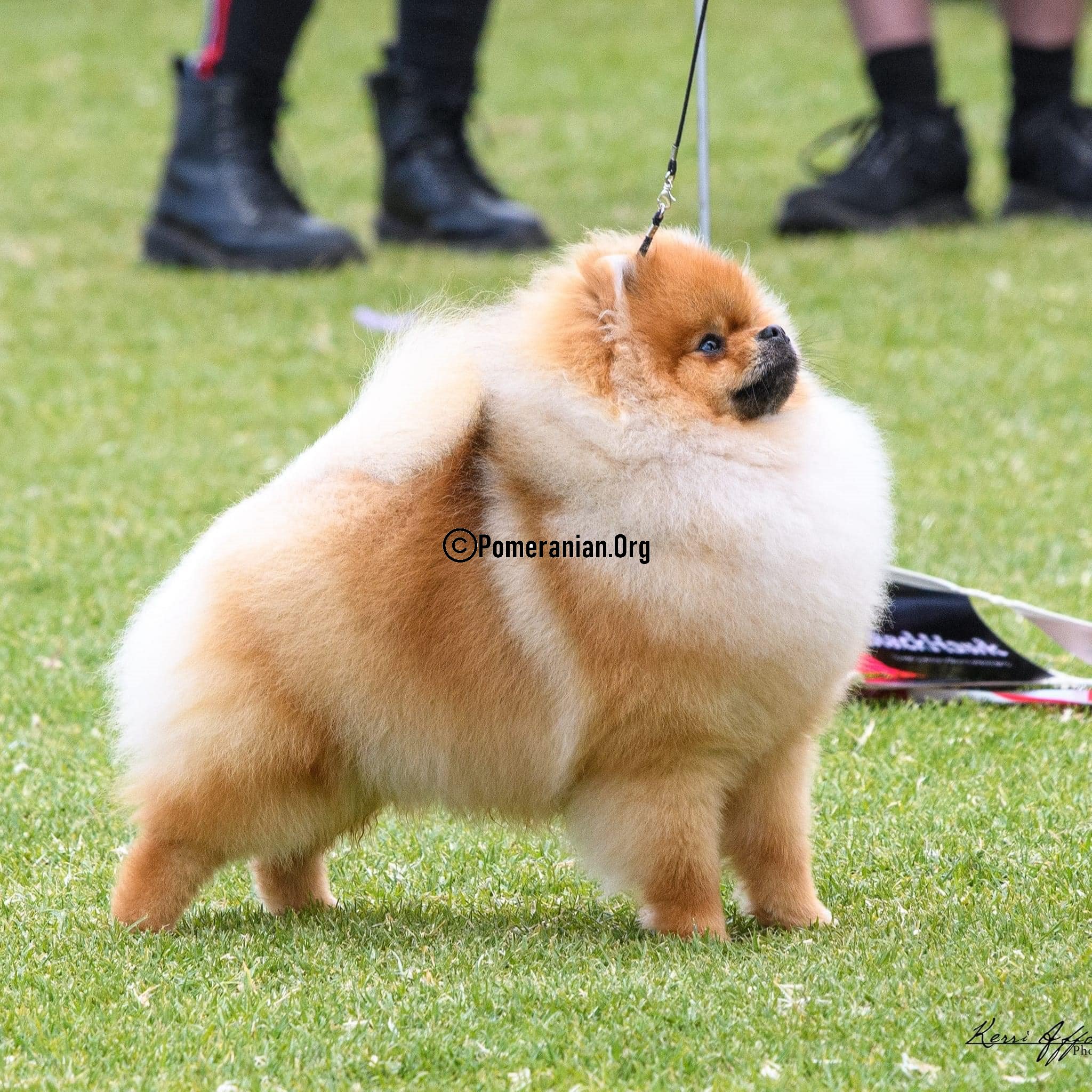
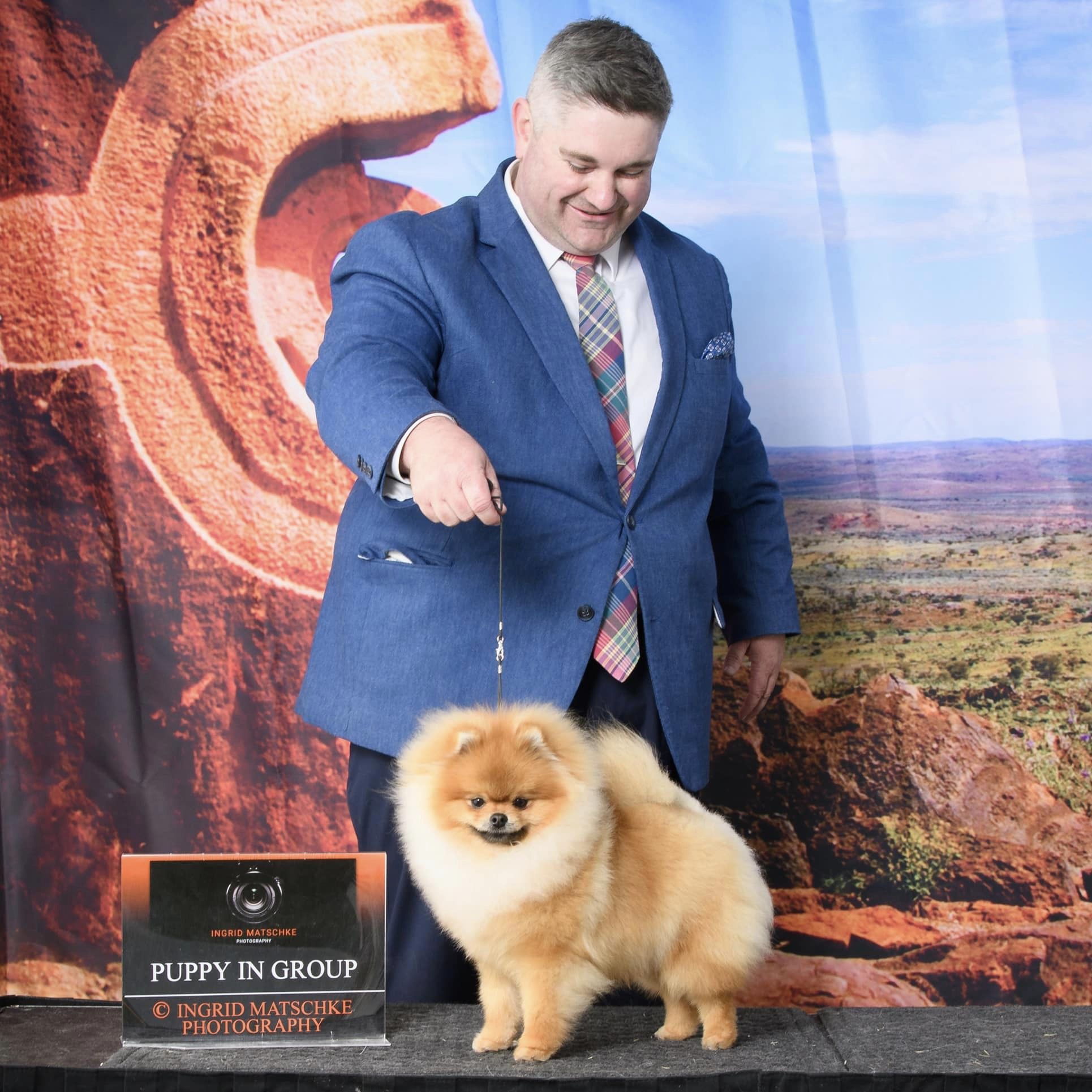
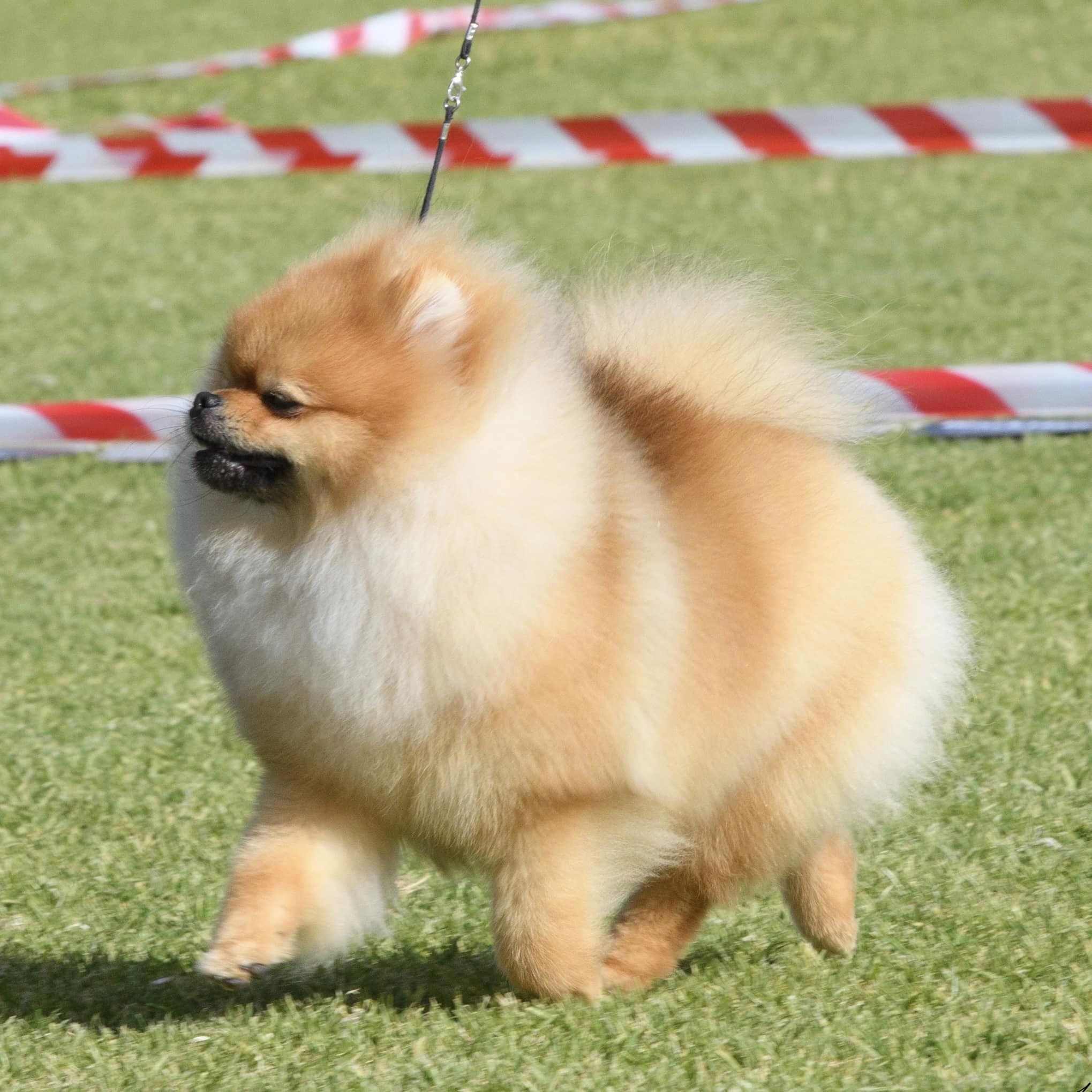
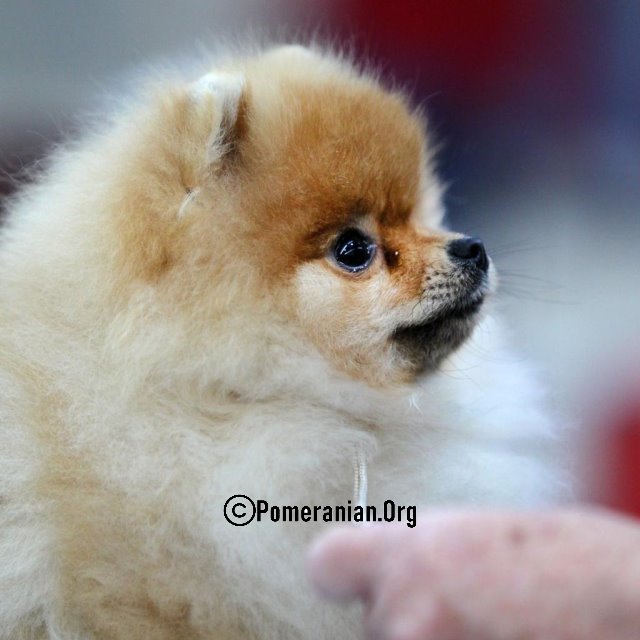
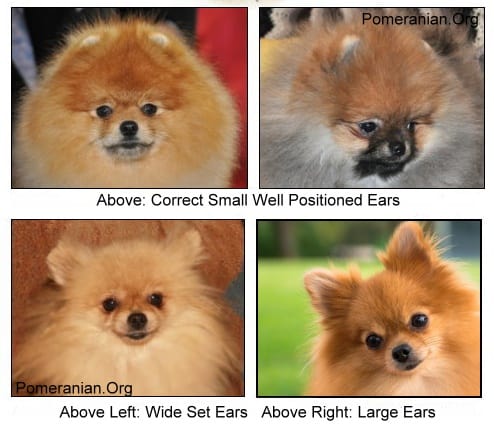
A Pomeranian’s ears should be small, triangular, pointed and carried perfectly erect. They should be set high on the head but not too wide apart or too low. Most Pomeranian puppy ears stand upright naturally, although one or both ears may occasionally appear floppy while the puppy is developing.
Healthy Pomeranian ears should be clean, pale pink and free from strong odor, redness, swelling or unusual discharge. Persistent scratching, head shaking, pain or an unpleasant smell requires veterinary attention.
What Is the Correct Pomeranian Ear Size and Ear Set?
Correct Pomeranian ears are small, pointed and carried upright. Their placement on the head is also important because the size and ear set contribute significantly to the Pomeranian’s characteristic alert and intelligent expression.
What Do Pomeranian Breed Standards Say About the Ears?
Dogs Australia and The Royal Kennel Club Pomeranian Breed Standard
“Relatively small, not set too wide apart, nor too low down, but carried perfectly erect.”
American Kennel Club Pomeranian Breed Standard
“Ears – small, mounted high and carried erect. Proper ear set should be favored over size.”
Fédération Cynologique Internationale Pomeranian Breed Standard
“The small ears are set high and relatively close to each other, triangular pointed; they are always carried upright, stiff at the tips.”
Although the wording varies slightly, all three Pomeranian breed standards agree that the ears should be small, correctly placed and carried erect. The FCI standard gives additional detail by describing them as triangular, pointed and relatively close together.
As a Pomeranian breeder, exhibitor and judge, I consider correct ear set especially important. Small ears placed too widely apart or too low on the head do not create the same alert expression. The American standard makes this particularly clear by stating that correct ear set should be valued ahead of ear size.
Show Pomeranians usually have the excess hair carefully trimmed from the ear tips. This reveals the true size and triangular outline of the ears and completes the neat, alert Pomeranian expression.
Do All Pomeranians Have Pointed Ears?
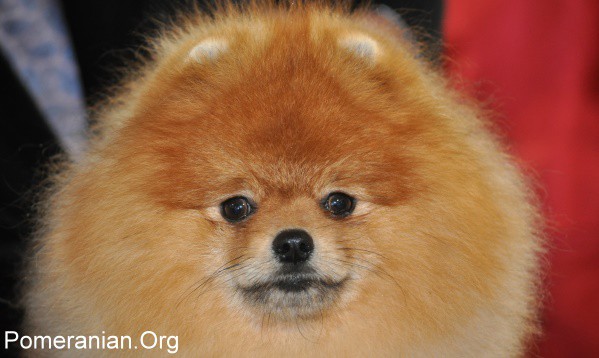
Purebred Pomeranians should have triangular, pointed ears that are carried upright. The ear leather should be firm at the tips, while the ears should be positioned high on the head and relatively close together.
Pomeranian ears are naturally covered with short, soft hair. This shorter covering distinguishes the ears from the profuse coat surrounding the head and neck. The longer hair growing around the base and edges of the ears can sometimes make the ears appear smaller than they actually are.
In show Pomeranians, the long, untidy hairs around the outer edges and tips are carefully trimmed to reveal the ear’s natural triangular shape. The short hair covering the ear itself should remain neat and smooth rather than being cut away.
Some pet Pomeranians have larger or more widely placed ears than those preferred in the breed standard. These ears may appear more prominent or fox-like, particularly when the dog has a less abundant head coat. Ear size can vary, but healthy adult Pomeranian ears should still normally be pointed and carried erect.
A permanently folded, dropped or rounded ear is not the ideal Pomeranian ear described by the breed standards. However, floppy ears do occasionally occur because of genetics, injury, illness or problems affecting the ear.
When Do Pomeranian Puppy Ears Stand Up?
Most Pomeranian puppy ears stand upright naturally while the puppy is still very young, and many are already erect by the time the puppy is eight weeks old. However, every puppy develops differently, and one ear may occasionally stand before the other.
A Pomeranian puppy’s ears may appear larger or more noticeable as the head, face and coat develop. During the puppy uglies, the reduced amount of facial and head coat can also make the ears look much bigger than they will appear on a fully coated adult Pomeranian.
Some puppies temporarily carry one or both ears unevenly while they are growing or teething. The ears may stand correctly on one day and appear softer on another. This does not necessarily mean that the ears will remain floppy, and many become firmer as the puppy matures.
If a previously erect ear suddenly drops, or the puppy is also scratching, shaking his head, showing pain or producing discharge or an unpleasant odor, arrange a veterinary examination. An ear infection, injury or another ear problem should be ruled out rather than assuming the change is simply related to teething.
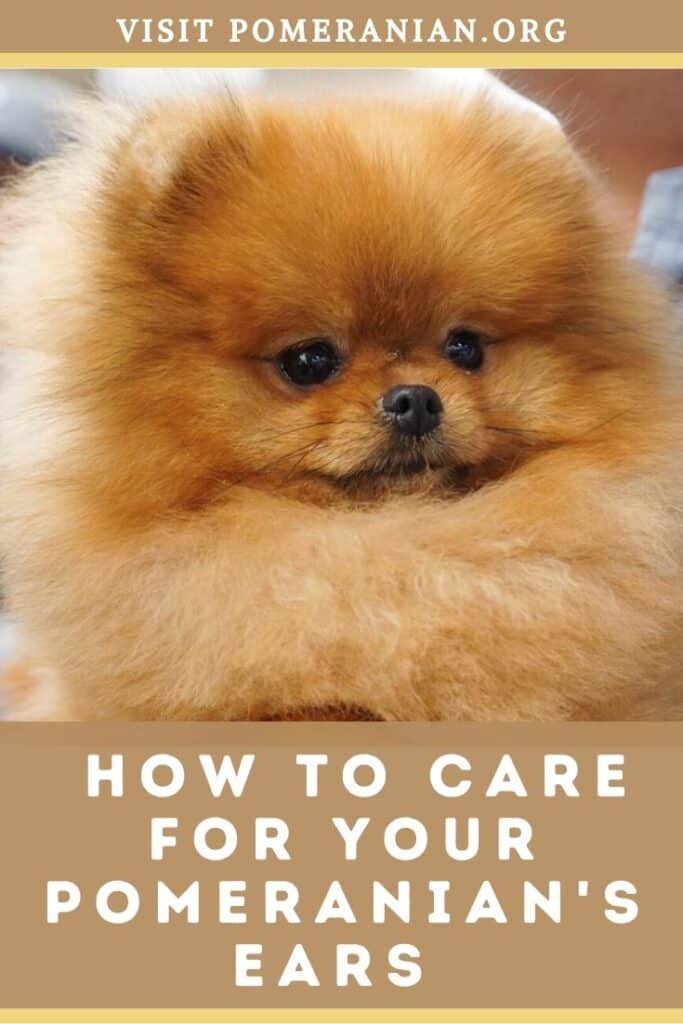
Why Are My Pomeranian’s Ears Floppy?
Floppy Pomeranian ears are uncommon because erect ears are a strong characteristic of the breed. A young puppy’s ears may still be developing, and one or both may occasionally appear soft or drop temporarily. In many cases, the ears become firmer and stand upright as the puppy matures.
Genetics strongly influence Pomeranian ear size, shape, set and strength. If an adult Pomeranian’s ears have never stood upright, inherited ear structure is a likely explanation. Looking at the ears of the puppy’s parents and other close relatives may provide an indication of how the ears are likely to develop.
A heavy growth of long hair around the ear can make a soft ear appear less erect, although the hair itself is not usually the underlying cause of permanently floppy ears. Carefully trimming the excess long hair around the outline may reveal the ear’s natural shape, but it cannot alter the inherited structure of the ear leather.
Injury, inflammation, an ear infection or repeated scratching and head shaking can also cause a previously erect Pomeranian ear to droop. Any sudden change, particularly when accompanied by redness, discharge, odor, swelling, pain or itching, should be examined by a veterinarian.
Do not give calcium supplements or other dietary products in an attempt to make a Pomeranian’s ears stand up unless prescribed by a veterinarian. Excess supplementation can be harmful, and permanently floppy ears cannot usually be corrected by changing the dog’s diet.
Can Teething Make a Pomeranian’s Ears Flop?
A Pomeranian puppy’s ear carriage may occasionally change during teething, which generally occurs between approximately four and eight months of age. One or both ears may temporarily appear softer, tilt to the side or alternate between standing and dropping while the puppy is developing.
However, teething does not automatically cause floppy Pomeranian ears, and a dropped ear should not be assumed to result from a calcium deficiency. A complete and balanced puppy food supplies the nutrients required for normal growth, and additional calcium should never be given unless prescribed by a veterinarian.
If the ear is healthy and the puppy is otherwise well, it may become firm and erect again as development continues. Genetics remain the greatest influence on the eventual size, shape, strength and carriage of Pomeranian ears.
A previously erect ear that suddenly drops should be checked carefully for redness, swelling, discharge, odor or signs of discomfort. If your puppy is scratching the ear, shaking his head or resisting having the ear touched, arrange a veterinary examination to rule out infection, injury, ear mites or another problem.

Why Does My Pomeranian Have One Ear Down?
A Pomeranian puppy with one ear standing and one ear down may simply be passing through a temporary stage of development. The ears do not always strengthen at exactly the same time, and the softer ear may become fully erect as the puppy matures.
Genetics can also cause one ear to have softer or differently shaped ear leather. If the ear has never stood upright by the time the Pomeranian reaches adulthood, it may remain permanently dropped despite grooming or dietary changes.
If one of your Pomeranian’s previously erect ears suddenly falls, check for signs of an ear problem. Redness, swelling, discharge, an unpleasant odor, repeated scratching, head shaking or pain when touched may indicate an infection, ear mites, injury or inflammation.
A Pomeranian may also hold one ear differently when listening to a sound or expressing uncertainty. This temporary movement is normal and should not be confused with an ear that remains folded or dropped throughout the day.
Never tape a Pomeranian’s ear or give calcium supplements without guidance from an experienced veterinarian. A suddenly dropped ear, particularly when accompanied by discomfort or other symptoms, should be professionally examined.
Can You Make a Pomeranian’s Ears Stand Up?
There is no guaranteed way to make a Pomeranian’s ears stand up. Ear carriage is largely determined by genetics, including the size, shape, placement and strength of the ear leather. Many puppy ears become naturally firmer as the dog matures, so time may be all that is required.
Carefully trimming excess long hair from around the outline of the ear can reduce a heavy or untidy appearance and reveal the natural triangular shape. However, trimming will not correct an ear that remains floppy because of inherited structure.
Before attempting to alter a Pomeranian’s ear carriage, ask your veterinarian to check for infection, inflammation, injury, ear mites or another medical problem. Treating the underlying condition may allow a previously erect ear to return to its normal position.
Do not give additional calcium, vitamins or mineral supplements to make Pomeranian ears stand up. A puppy eating a complete and balanced diet should already receive the nutrients needed for healthy development, and unnecessary supplementation may be harmful.
Some people recommend taping Pomeranian ears, but this should never be attempted without experienced professional guidance. Incorrect taping can irritate the skin, restrict circulation, trap moisture or conceal a developing ear infection. If an adult Pomeranian’s ears remain naturally floppy, they may simply be part of that individual dog’s appearance.

How Do You Trim Pomeranian Ear Hair?
Trimming Pomeranian ear hair creates a neat, rounded-to-triangular outline and helps reveal the small, pointed ears described in the breed standard. This is particularly important when preparing a Pomeranian for the show ring because untidy hair extending beyond the ear tips can make the ears appear larger or poorly shaped.
The ear itself is covered with short, soft hair, which should remain natural. Only the excess long hairs growing around and beyond the outer edges of the ear need to be tidied.
Before trimming, gently feel the ear leather between your fingers so you know exactly where the ear ends and the hair begins. Hold and protect the ear leather while carefully removing only the hair protruding beyond its outline. Work slowly and trim a very small amount at a time.
The finished ear should look neat and natural rather than sharply cut or excessively exposed. Both ears should appear balanced, but avoid repeatedly trimming one ear in an attempt to make it match the other perfectly.
Blunt-ended grooming scissors may be safer for experienced owners, but a restless Pomeranian can move suddenly and suffer a serious cut. If you are uncertain, ask an experienced Pomeranian groomer or breeder to demonstrate the correct method.
Never insert scissors, clippers or other grooming tools into the ear canal. Stop immediately if your Pomeranian becomes anxious or struggles during ear trimming.
How Do You Remove Matted Hair Behind Pomeranian Ears?
The soft hair behind a Pomeranian’s ears can mat very quickly. Friction, natural skin oils and moisture cause the fine hairs to twist together, particularly when this area is missed during regular brushing.
Small tangles are much easier and safer to remove before they develop into tight mats. Check behind both ears several times each week and gently separate the hair with your fingers before using a small pin brush or metal comb.
To remove a small tangle, lightly mist the area with a dog coat-conditioning or detangling spray. Hold the hair close to the skin to prevent pulling, then work carefully from the outer edge of the tangle toward its base. Avoid pulling the comb directly through the entire knot because this can hurt the dog and damage the coat.
Do not apply talcum powder around your Pomeranian’s ears. The fine powder can become airborne and may irritate the eyes, skin or respiratory system.
Never place scissors flat against the skin or cut straight across a tight mat. A Pomeranian’s thin skin can be pulled up inside the matted hair and accidentally cut. Large, tight or painful mats should be removed by an experienced groomer or veterinarian using an appropriate clipping tool.
If the skin beneath the mat is red, moist, sore, smelly or broken, arrange a veterinary examination. Matting can conceal infection, parasites and damaged skin that require treatment.
Regular brushing is the best way to prevent matted hair behind Pomeranian ears. Make this small area part of every grooming session and reward your Pom for remaining calm while the hair is checked.
What Are the Most Common Pomeranian Ear Problems?
Pomeranians can experience several ear problems that cause itching, discomfort, inflammation or changes in the way an ear is carried. Regularly checking your Pom’s ears will help you notice problems before they become severe.
Common Pomeranian ear problems include bacterial or yeast infections, ear mites, allergies, excessive wax, foreign material, skin conditions and injury caused by persistent scratching or head shaking.
A Pomeranian with an ear problem may scratch at the ears, rub the side of the head against furniture, repeatedly shake the head or resist having the ears touched. You may also notice redness, swelling, discharge, excess wax, hair loss, crusted skin or an unpleasant smell.
Allergies are a common underlying cause of recurring ear inflammation. Affected Pomeranians may also lick or chew their paws, rub their face or develop itchy skin elsewhere on the body. Treating only the ear infection without identifying the underlying allergy may allow the problem to return.
Grass seeds and other foreign material can enter the ear canal and cause sudden, intense head shaking or discomfort. Do not attempt to remove an object that is lodged inside the ear. A veterinarian should examine the ear and remove it safely.
Repeated head shaking or scratching can damage blood vessels within the ear flap and produce a swollen, blood-filled area called an aural hematoma. This requires veterinary attention.
Because different Pomeranian ear problems can produce similar symptoms, an accurate diagnosis is essential. Avoid placing oils, vinegar, peroxide, alcohol, leftover medication or homemade treatments into the ear. These products may irritate the ear, worsen the condition or cause damage if the eardrum is affected.
What Are the Signs of a Pomeranian Ear Infection?
Signs of a Pomeranian ear infection can range from mild irritation to severe pain. An infection may affect one or both ears, and the symptoms can become worse if treatment is delayed.
Common Pomeranian ear infection symptoms include scratching the ears, repeated head shaking, rubbing the head against furniture or the floor, redness, swelling, excessive wax, unusual discharge and an unpleasant or yeasty odor.
A Pomeranian with a painful ear infection may cry when the ear is touched, hold one ear lower than usual, tilt the head or become reluctant to chew and open the mouth. Some dogs may also appear irritable or withdraw from normal interaction because they are uncomfortable.
Loss of balance, walking in circles, a wobbly gait, rapid eye movements, vomiting or a pronounced head tilt may indicate that a problem involves the middle or inner ear. These symptoms require prompt veterinary attention.
The appearance or smell of the ear cannot reliably identify whether an infection is caused by bacteria, yeast, ear mites or another condition. Your veterinarian may examine the canal with an otoscope and study a sample of the discharge under a microscope before choosing the appropriate treatment.
Do not clean a red, painful or discharging ear immediately before the veterinary appointment unless your veterinarian instructs you to do so. Cleaning may remove material needed for diagnosis, and placing liquid into an ear with a damaged eardrum can be harmful.
What Causes Ear Infections in Pomeranians?
Pomeranian ear infections occur when yeast or bacteria multiply within an irritated or unhealthy ear canal. The infection is often a secondary problem, which means an underlying condition cause has allowed it to develop.
Possible causes and contributing factors include allergies, trapped moisture, excess wax, ear mites, foreign material such as a grass seed, skin disease, hormonal disorders, injury and inappropriate or excessive ear cleaning.
Allergies are an important cause of repeated Pomeranian ear infections. Environmental or food-related allergies can inflame the skin lining the ear canal, making it easier for yeast and bacteria to multiply. A Pom with allergies may also have itchy paws, facial rubbing or irritated skin elsewhere on the body.
Moisture left in the ears after bathing or swimming may encourage microbial growth, particularly when the ear canal is already inflamed. Dry the outer ear gently after bathing, but do not push cotton wool or other materials deep inside the ear canal.
Overcleaning can also disturb and irritate the delicate skin within the ear. Healthy Pomeranian ears do not necessarily require frequent cleaning, and the appropriate schedule varies between individual dogs.
Recurring ear infections should not simply be treated repeatedly without investigating why they keep returning. Your veterinarian may need to assess your Pomeranian for allergies, parasites, a foreign object or another underlying health condition.
How Are Pomeranian Ear Infections Treated?
A Pomeranian ear infection must be treated according to its cause. Because bacterial infections, yeast, ear mites, allergies and foreign objects can produce similar symptoms, veterinary diagnosis is essential before medication is used.
The veterinarian will usually examine the ear canal with an otoscope and may collect a sample of wax or discharge for microscopic examination. This helps identify yeast, bacteria, mites and inflammatory cells. Severe, painful or recurring infections may require additional tests.
Treatment may include a veterinary ear cleaner, medicated ear drops, anti-inflammatory medication, parasite treatment or oral medicine. The exact treatment and its duration depend on the cause, severity and condition of the ear canal and eardrum.
Follow the veterinarian’s instructions carefully and complete the full course of treatment, even if your Pomeranian’s ear appears better after several days. Stopping medication too early can allow the infection to return.
Your veterinarian may arrange a follow-up examination to confirm that the infection has completely cleared. This is especially important because symptoms can improve before the deeper inflammation and infection have resolved.
Never use leftover ear medication from a previous infection or medication prescribed for another pet. Some products are unsafe if the eardrum is damaged, while the wrong medication may delay appropriate treatment.
Recurring Pomeranian ear infections require investigation of the underlying cause. Long-term management may include allergy treatment, an individualized cleaning schedule or regular veterinary monitoring.
What Do Ear Mites Look Like in a Pomeranian?
Ear mites are tiny parasites that live inside the ear canal and feed on skin debris and oils. They are more common in puppies and young dogs than in healthy adult Pomeranians, but dogs of any age can be affected.
A Pomeranian with ear mites may scratch intensely, shake the head repeatedly or rub the ears against furniture and the floor. The inside of the ear may appear red and irritated, with a dark brown or black, crumbly discharge that is often compared to coffee grounds.
However, dark ear discharge does not always mean that a Pomeranian has ear mites. Yeast and bacterial infections can produce similar symptoms, and some dogs can have mites and a secondary infection at the same time. A veterinarian can examine a sample under a microscope to confirm the cause.
Ear mites spread easily between dogs and cats through close contact. If one pet is diagnosed, your veterinarian may recommend examining or treating every susceptible pet in the household.
Do not place oil, vinegar, peroxide, alcohol or an over-the-counter pesticide into your Pomeranian’s ears. Incorrect treatment may irritate the canal, fail to eliminate the mites or be unsafe if the eardrum is damaged.
Veterinary treatment may include cleaning the ears and using an appropriate parasite medication. Complete the treatment exactly as directed and attend any recommended follow-up examination to ensure the mites and associated inflammation have resolved.
Why Is My Pomeranian Shaking His Head and Scratching His Ears?
A Pomeranian that repeatedly shakes his head or scratches his ears is usually experiencing irritation, itching or pain. Occasional scratching is normal, but frequent or forceful behavior suggests that the ears should be examined.
Possible causes include an ear infection, ear mites, allergies, excessive wax, trapped moisture, a grass seed or another foreign object inside the ear canal. Irritated skin around the ears, insect bites and matting behind the ears may also cause scratching.
Check the visible outer ear for redness, swelling, discharge, excess wax, an unpleasant odor or signs of injury. Do not insert a cotton bud or any other object into the ear canal while attempting to locate the problem.
Sudden, violent head shaking—particularly when it affects one ear—may indicate a foreign object or acute pain and requires prompt veterinary attention. Continued shaking can rupture small blood vessels inside the ear flap and cause a painful swelling known as an aural hematoma.
If scratching or head shaking continues, arrange a veterinary examination rather than repeatedly cleaning the ear. Cleaning will not cure allergies, mites, a foreign object or an established infection and may make an already inflamed ear more painful.
Pomeranian Ear Care FAQs
How Do You Clean Pomeranian Ears Safely?
Wipe the visible ear leather gently with a warm, damp cloth. Only place a veterinary ear-cleaning solution into the canal when advised, and never insert cotton buds or other objects inside the ear.
How Often Should You Clean a Pomeranian’s Ears?
Check your Pomeranian’s ears weekly, but clean them only when needed or as directed by your veterinarian. Excessive cleaning can irritate the ear canal and contribute to inflammation.
What Should Healthy Pomeranian Ears Look Like?
Healthy Pomeranian ears should be clean, pale pink and free from swelling, heavy wax, discharge and unpleasant odor. The ears should not be painful or excessively itchy.
Why Do My Pomeranian’s Ears Smell?
A strong or yeasty smell may indicate bacterial or yeast overgrowth, trapped moisture or another ear problem. Arrange a veterinary examination rather than attempting to cover the odor with homemade remedies.
Can I Use Vinegar or Peroxide in My Pomeranian’s Ears?
Do not place vinegar, peroxide, alcohol, oil or other homemade mixtures inside your Pomeranian’s ears. These substances can irritate inflamed tissue and may cause harm if the eardrum is damaged.
Should I Clean My Pomeranian’s Ear If It Looks Infected?
Should I Clean My Pomeranian’s Ear If It Looks Infected?
A red, painful, swollen or discharging ear should be examined by a veterinarian before cleaning unless you have been instructed otherwise. Cleaning may remove material needed to diagnose the cause.
Final Thoughts on Pomeranian Ear Care
Correct Pomeranian ears are small, pointed, covered with short hair and carried perfectly erect. Check your Pom’s ears regularly, prevent mats behind them and seek veterinary advice if you notice pain, redness, discharge, odor, scratching or persistent head shaking. Early attention is the best way to keep your Pomeranian’s ears healthy and comfortable.
Copyright Pomeranian.org. All Rights Reserved.
📚 References & Further Reading
- [1] AKC Pomeranian Breed Standard (2011)
- [2] English Kennel Club Breed Standard
- [3] The Pomeranian Handbook – Denise Leo
- [4] Denlinger, The Complete Pomeranian
- [5] Kimbering, 1891–1991
- [6] Taplin, The Sportsman’s Cabinet
- [7] Parker, The Popular Pomeranian
- [8] Ives, Show Pomeranians