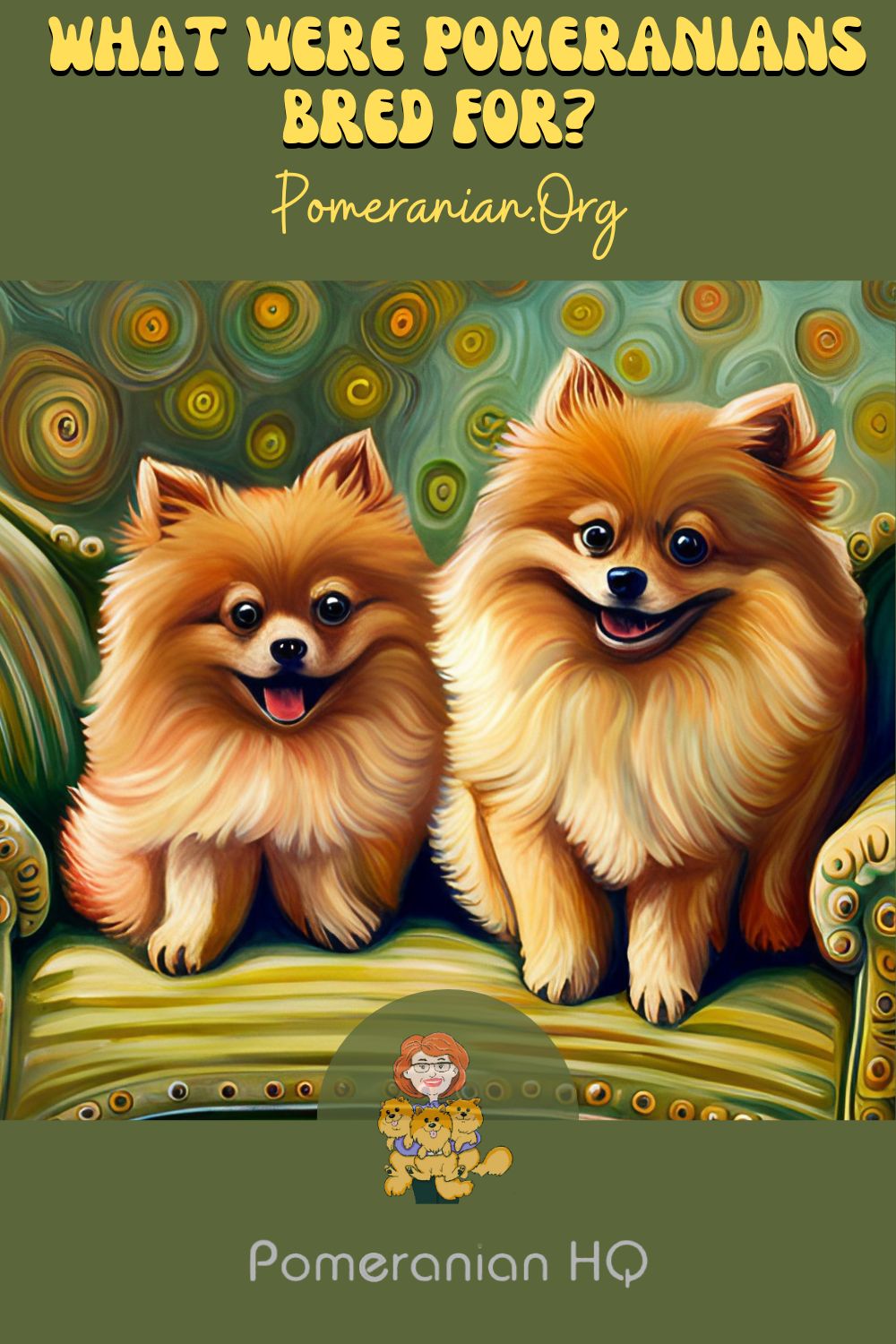

Discover what Pomeranians were originally bred for and how their working-dog history shaped the modern breed. Learn about their origins as sled, herding, and watchdogs, their transformation through European royalty, and what this means for today’s Pomeranian owners.
Pomeranians may be tiny, fluffy, and adored as companion dogs today, but their origins tell a completely different story. Many people ask: What were Pomeranians bred for? Long before they became the glamorous toy breed we know today, Pomeranians were much larger—sometimes weighing over 20–30 lbs—and were originally bred as hard-working sled dogs, herding dogs, and alert watchdogs in the Arctic and Northern European regions.
As the breed traveled through Europe and captured the attention of royalty—most famously Queen Victoria—their size, purpose, and appearance underwent dramatic changes. Selective breeding transformed the once-robust working Spitz into a refined, intelligent, and spirited toy companion.
According to Denise Leo, a world-renowned Pomeranian expert and preservation breeder with over 50 years of experience, understanding what Pomeranians were bred for provides modern owners with valuable insight into their behavior. Traits such as alertness, confidence, intelligence, and their famously bold personality are direct reminders of their working-dog heritage.
Today, Pomeranians are primarily bred as affectionate companion dogs, cherished family pets, and popular show dogs. Their small size makes them ideal for apartment living, but their lively character still reflects the strong, capable Spitz ancestry behind that adorable coat.
What Were Pomeranians Bred For?
But what were they originally bred for? The Pomeranian is a breed of dog that has been bred for centuries to be an all-around working canine.
Pomeranians were famous as watchdogs and family companions, but they originally hail from Europe, where their primary duty was pulling sleds through rough terrain or protecting property against intruders.
Where are Pomeranians From?
The Pomeranian is one of the most recognisable members of the Spitz family—compact, fluffy, and full of confidence. However, despite their modern size and status as companion dogs, their ancestral roots extend far beyond living rooms and show rings. To truly understand the origins of Pomeranians, we must explore the geography, history, and cultural influences that have shaped this remarkable breed.
The True Origins: Ancient Arctic Spitz Dogs
Long before the breed was known as the “Pomeranian,” its ancestors lived in the harsh Arctic regions thousands of years ago. These early Spitz-type dogs were much larger, powerful, and built for survival. Archaeological evidence reveals similar Spitz dogs in:
- Northern Russia
- Siberia
- Scandinavia
- The Arctic Circle
These early dogs were valued for their ability to:
- Pull sleds
- Herd reindeer and livestock
- Guard homes and property
- Survive extreme temperatures
Their thick double coats, pointed ears, curled tails, and wedge-shaped heads remain hallmarks of the Pomeranian breed today.
These ancient Spitz dogs gradually spread throughout Europe, adapting to new regions and assuming different roles—but they always retained their alertness, intelligence, and sturdy structure.
The Region of Pomerania: The Birthplace of the Modern Breed
The name “Pomeranian” comes from Pomerania, a historical region lying along the southern edge of the Baltic Sea. Today, this area is divided between:
- Northern Poland
- Northeastern Germany
At the time the breed began to take shape, Pomerania was known for its dog-breeding culture and its connection to other Spitz-type dogs in Northern Europe.
What Pomerania Looked Like in Early Breed Development
Centuries ago, the Pomerania region was a rural, coastal area dotted with farming villages. The larger working Spitz dogs were common here and were used for:
- Herding sheep
- Guarding farms
- Pulling carts
- General working tasks
While these dogs were typically larger—20 to 30 pounds or more—they possessed many of the traits we see in dogs today: a bold temperament, a fluffy coat, a curled tail, and an inquisitive spark.
These early Pomeranian ancestors were not “toy dogs,” nor were they bred for royal courts or households. That transformation would come later.
The Move Into Europe: From Farm Dog to Fashion Icon
Although the breed’s ancestral roots lie in the Arctic and Northern Europe, their rise to fame and refinement began in England in the 1700s and 1800s.
Queen Charlotte
The first notable shift happened when Queen Charlotte (born Princess of Mecklenburg-Strelitz, near Pomerania) brought several Spitz-type dogs to England in the late 1700s. These dogs were larger than today’s Poms—but they were adored for their beauty, charm, and fluffy coats.
This was the beginning of the breed’s rise in aristocratic and royal circles.
Queen Victoria
The most significant transformation occurred under Queen Victoria, whose affection for the breed led to a profound change.
During her reign:
- She owned over 35 Pomeranians.
- She personally bred and exhibited them.
- Her preferences heavily influenced breeding programs across Europe.
Although Queen Victoria preferred slightly larger Pomeranians, her immense influence on public taste encouraged breeders to refine the breed. While the Queen loved her larger Poms, most breeders at the time focused on reducing overall size, leading to the breed’s dramatic transformation.
Through selective breeding, Pomeranians gradually changed from their original ancestors, which weighed over 20 pounds, into the 3–7-pound toy dogs we recognize today. Her famous Pom, Marco, a smaller sable male from Florence, set a trend that would shape the breed’s future.
The Spread to America and Around the World
By the late 1800s, the Pomeranian we know today had emerged—a much smaller, glamorous, heavily coated toy dog with a lively personality.
The breed quickly gained popularity in:
- The United States
- Canada
- Australia
- New Zealand
- Asia
- Many parts of Europe
American and British breeders played key roles in refining the coat, colour variety, and overall type. Pomeranians soon became beloved show dogs, pets, and loyal companions worldwide.
In Australia, dedicated preservation breeders—including experts like Denise Leo of Dochlaggie Pomeranians—continue to maintain the breed’s heritage, type, and health while promoting ethical breeding practices and education.
Pomeranians were originally bred as working dogs. Their original purpose was to pull sleds and herd livestock, such as sheep or goats, but they could also serve as guards if necessary.
Pomeranians are appreciated worldwide for their particular cuteness and compact size. They also make great family pets and usually get along well with other dogs, which is why they’re so popular as pets.
Different names were known in other countries. In Italy, they were known as Lupino or Italian Spitz; in France, they were known as Lulu.
The Pomeranian is a beautiful dog and a member of the Spitz breed. Some countries still refer to this dog breed as the German Spitz.
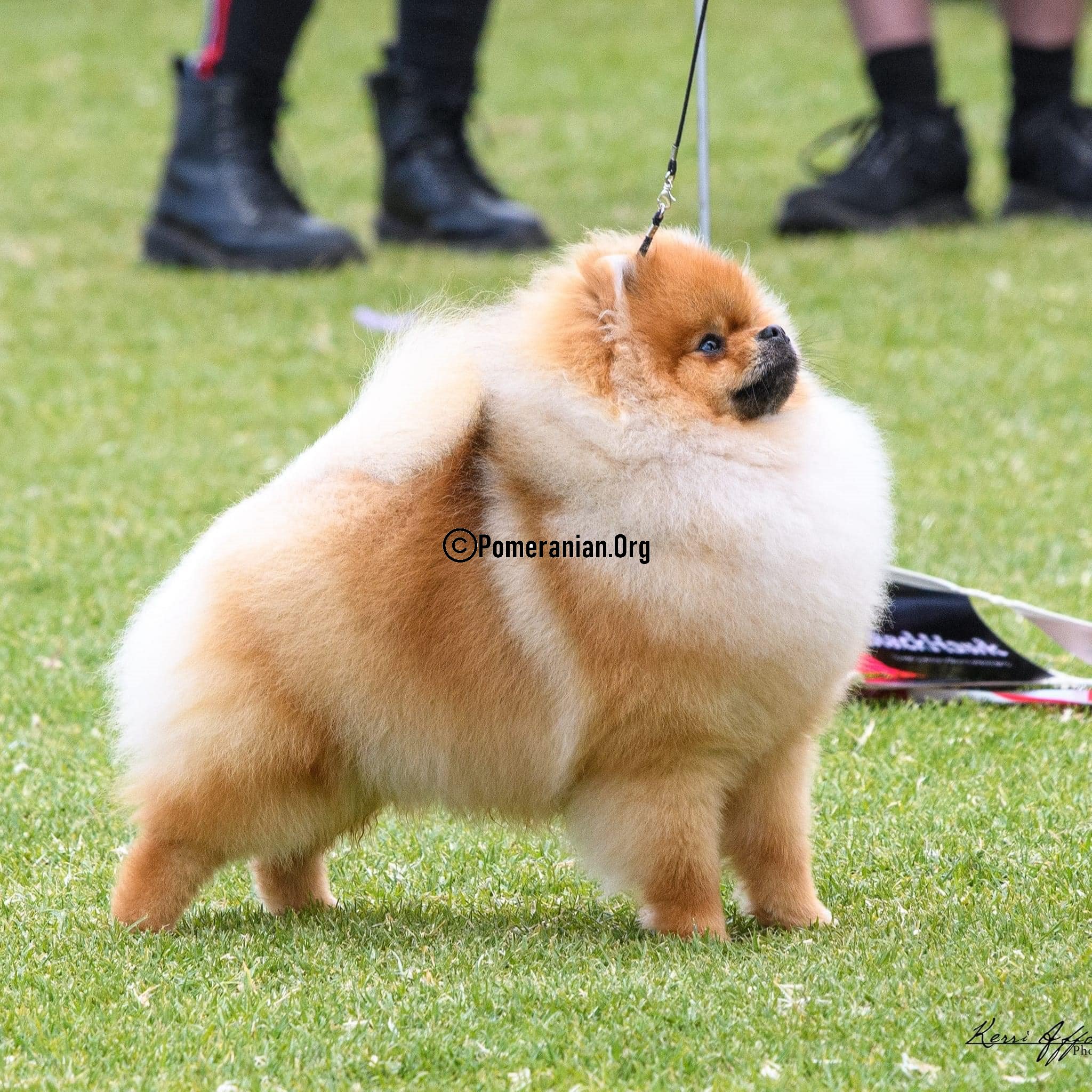
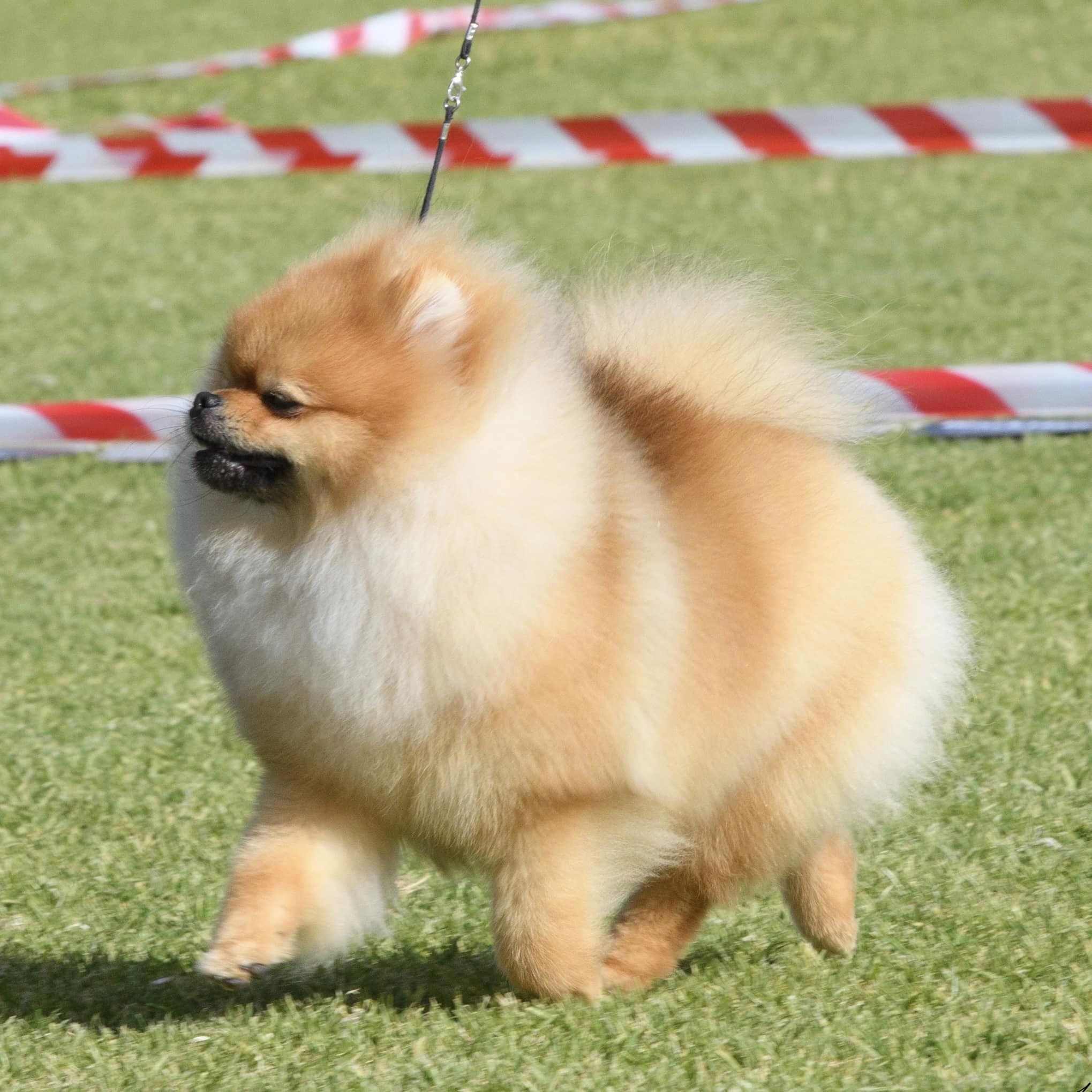
They have big, fluffy fur coats, cute faces with dark eyes, and tiny, pricked ears, which give them an endearing look. The Pomeranians of today are not the same as they were in the past.
They were much larger dogs than what you can see now, and it’s because their original ancestors had such incredible capabilities for running fast and hunting prey with keen senses that allowed them to detect movement from far-away distances, such as 50 feet or more. According to some reports, the average Pomeranian weighed around 30lbs then.

The Pomeranian is a small breed of dog that cannot perform the same work as larger dog breeds. The Pomeranian’s ancestors were ideally suited for pulling carts, guarding homes, and more.
Some owners refer to the bigger Pomeranians as “throwback Poms.” It’s not uncommon for the bigger Poms to be in litter today, usually due to poor genetics or in a color breeding program.
Summary: Where Are Pomeranians From?
In simple terms:
- Ancient origins: Arctic and Northern European Spitz dogs
- Development region: Pomerania (now Poland and Germany)
- Refinement: England, especially under Queen Victoria
- Modern spread: Worldwide as toy companions and show dogs

What the Breed’s Origins Reveal About Pomeranians Today
Understanding where Pomeranians come from helps owners appreciate many of the traits people love about the breed:
- Alertness: rooted in their watchdog and herding background
- Confidence: inherited from their robust Spitz ancestors
- Energy bursts: typical of working dogs bred for action
- Thick double coat: essential protection in Arctic climates
- Intelligence: developed through centuries of working roles
When Pomeranians were much larger, they served as excellent guard dogs. These dogs were more effective than others at protecting their owners. But what makes them a good guard dog? There’s more to it than just the size or strength of an animal.
Pomeranians as Guard Dogs
From sled-pulling Arctic workers to cherished royal companions and now beloved pets across the globe, the Pomeranian’s journey is one of the most fascinating in the dog world.
Pomeranians were excellent guard dogs because they met specific criteria, like a high intelligence level and the ability to detect and bark at the slightest sound.
Back then, the Pomeranians were very alert and larger in size. They had the size to fight with intruders if it came down to an actual fight, but now these tiny dogs can alert owners to intruders with their loud barking. However, they still make good watchdogs.
Pomeranians are intelligent, watchful, and confident dogs that enjoy keeping a close eye on their surroundings. The Pomeranian dog breed has a distinctive bark that serves as a warning to the owner of any potential intruders.
The Pom weighs only three to seven pounds. Pomeranians are a fantastic dog breed, capable of detecting changes in their environment and alerting you as soon as possible. They will bark at anything that alarms them.
Pomeranians as Sled Dogs
The Pomeranian is a hardy breed that has been around for centuries. Although it may not have the speed or endurance of other breeds, such as Huskies, it does not make them any less impressive. The ancestors of Pomeranians were renowned for being tough and brave dogs. They once pulled carts and sleds for their owners in the wintertime when roads were too icy or snowy to travel on foot.
It’s hard to imagine, but Pomeranians still have the qualities of good sled dogs. They retain similar wolf-like characteristics and functions, such as intelligence, agility, and a thick, fluffy coat.
People may not know it, but Pomeranians are a bit more intelligent than their ancestors. They’ve been shown in animal laboratories and university studies on canine behavior to learn tasks much faster than many other breeds of dogs.
The Pomeranian is a small, furry dog that sometimes faces harsh weather conditions. However, thanks to their soft and fluffy coats, they will always be protected from any elements of nature that may cause them harm.
Pomeranians are known for being a happy breed. They have been seen romping around, playing in the snow.
However, you may still find it hard to imagine these Pomeranians pulling someone on a sleigh, but consider their size compared to today. In ancient times, the Pomeranian dog breed weighed around 30 pounds, similar to a small Australian Shepherd. That’s the reason they could pull the sled.
However, these toy dogs no longer participate in sled dog competitions because they are now toy-size dogs, having been bred for appearance only through generations of selective breeding, rather than for working ability. The American Kennel Club hosts many events yearly for show-quality Pomeranian dogs.
Pomeranians as Farm Dogs
Pomeranians were often bred to work on farms. They had the most exciting and surprising jobs, including one used as a watchdog for farmers thousands of years ago. The Pomeranian’s ancestors were loyal and protective dogs bred to herd and guard livestock.
The 30-pound Pomeranians of the past were more capable of herding sheep than the Pembroke Welsh Corgi. Pomeranians are now known for their small, dainty size, but they are intelligent little dogs who have retained many working dog instincts.
Pomeranians as Royal Dogs
Pomeranians are more than just adorable, tiny breeds with their eyes set on you. They’ve also experienced royal treatment and fame. Corgis are famous because Queen Elizabeth II owns them, but Pom dogs were also considered royal companions.
Back when there weren’t all these fancy modern breeds, they were known as wolf dogs. The Pomeranian breed is one of the oldest, with records revealing its origin dating back to 1761. Queen Charlotte ensured the popularity of these adorable pooches after bringing her pet dogs with her when she married King George III.
Pomeranians quickly captured the interest and hearts of the English royal family when they were first introduced. The Poms are beautiful and highly intelligent, making them perfect pets for royal families.
The royal family renamed these wolf-like canines Pomeranian. They had been imported from Pomerania, so Queen Charlotte named them Pomeranians (with a double “n”).
The dogs were initially bred as sled or guard dogs, but eventually became favorite pets.
Later, Queen Victoria paid a visit to Florence in 1888. She fell head over heels for an Italian dog breed known as the Volpino Italiano. When Queen Victoria first saw Pomeranians, her heart skipped a beat. The huge, fluffy coats, sweet little faces with almond-shaped eyes, were too much to resist for someone who remembered her Grandmother, Queen Charlotte’s dogs.
Queen Victoria returned four Volpino Italianos to England, where they became favorite pets. Queen Victoria also imported Pomeranians from different countries and started a breeding program.
In this era, Queen Victoria was a beloved monarch, which caused many people to also want Pomeranians.
When the Pomeranian was first introduced to Britain, they were seen as a “fashion statement” and quickly became one of the most popular toy dog breeds. Pomeranian dogs are also highly popular among pet owners who seek affectionate and loyal companions.
Even though today’s Pomeranian is small and elegant, inside every Pom is the heart of a bold, capable Spitz dog.
What Are Pomeranians Bred For Today?
Though the jobs of Pomeranians have changed greatly, you won’t now find them pulling a sled or herding livestock.
Today’s Pomeranians are purely bred to be much-loved companion dogs. Some Pomeranians assist their owners by serving as assistance dogs.
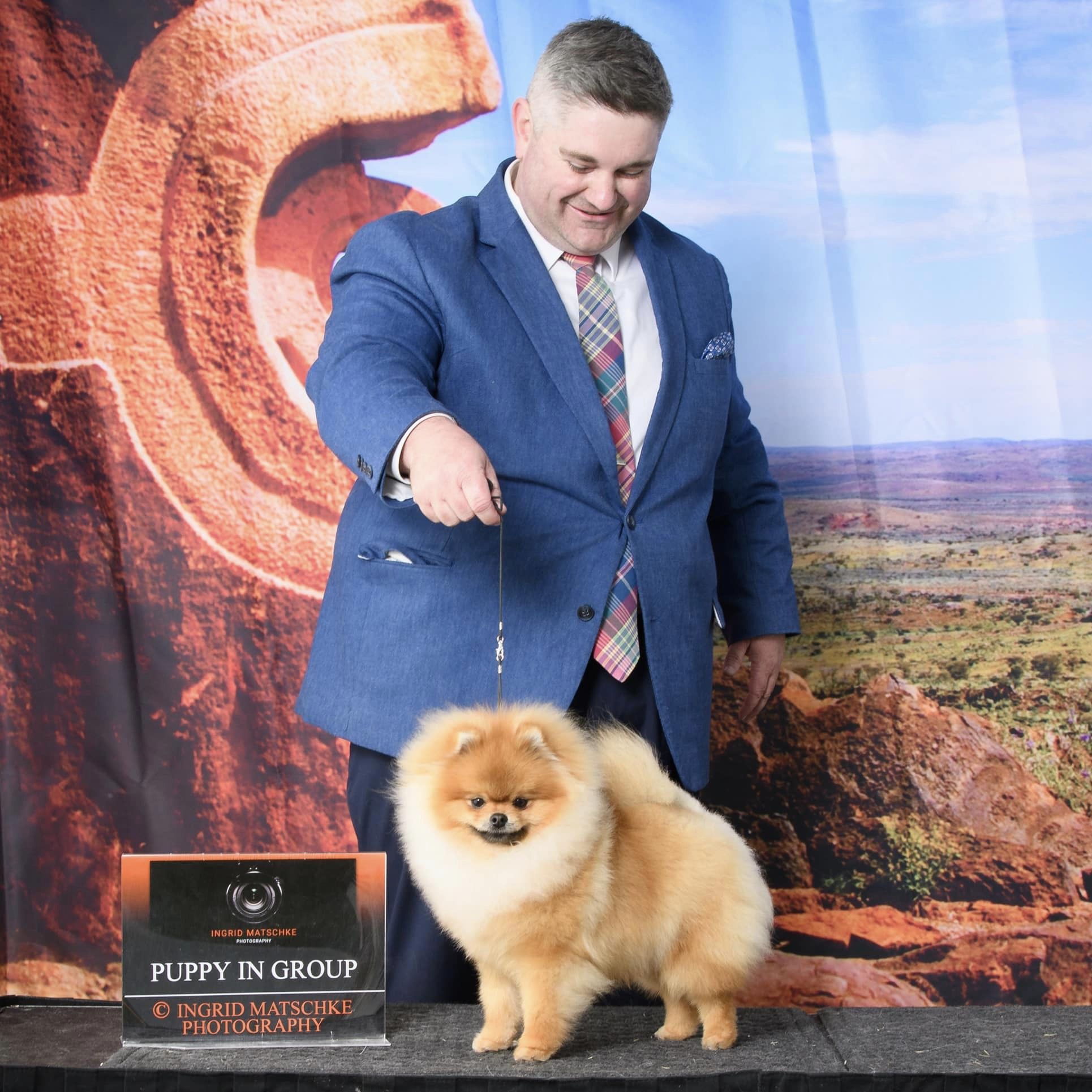
Pomeranians are also bred to be exquisite-looking Kennel Club show dogs and compete each year at the Westminster Kennel Club dog show, the Crufts Dog Show, the National Breed Club, and other Pomeranian Club events. Dog breeders in specialist breeding programs use quality Poms.
The Pomeranian is one of the most recognized breeds of the American Kennel Club worldwide. They are known for being friendly, playful, and affectionate towards their humans. They are often seen as companions for children or seniors who want an easy-going pet that won’t cause them too much hassle.
They are one of the most intelligent dog breeds, thanks to their adaptive intelligence and ability to learn quickly. Pomeranians are a friendly dog breed. They’re known for being very social and playful, making them great with other pets or dogs in your home.
You know what they say about Pomeranians being the cuddliest puppies in existence. For this reason, it’s no surprise that these little furballs love nothing more than lounging around on your lap while you read or watch TV together. That’s the reason Pomeranians always top the list of lap dog breeds.
Pomeranians are also very sensitive and can pick up on your emotions, even the slightest change in posture or facial expression. They’re such amazing dogs. You might think it’s just a dog thing, but these little guys also have an excellent sense of smell.
Pomeranians are known for their exuberant personality, and it’s not hard to see why. This lively dog breed requires a lot of attention from owners who want them as best friends or family members. Pomeranians need positive reinforcement training, so your interactions with these very vocal creatures will be rewarding.
Conclusion
Pomeranians may be small in size today, but their history is anything but delicate. These spirited little dogs descend from strong, capable Arctic Spitz breeds once used for guarding, herding, and even pulling sleds. Over centuries, selective breeding transformed them into the charming toy companions we adore—without losing the alertness, intelligence, and bold personality of their ancestors.
Modern Pomeranians continue to carry those traits proudly. They are affectionate, highly trainable, lively, and always eager to be part of family life. Their compact size makes them ideal for indoor living, while their natural instinct to be a watchdog ensures they remain attentive and protective.
Whether you’re looking for an intelligent trick-learner, a loyal companion, or a bright little dog who alerts you to visitors, the Pomeranian is a delightful choice. Behind every fluffy coat is a confident, clever, and devoted dog whose heritage makes them truly one of a kind.
Copyright Pomeranian.org. All Rights Reserved.
📚 References & Further Reading
- [1] AKC Pomeranian Breed Standard (2011)
- [2] English Kennel Club Breed Standard
- [3] The Pomeranian Handbook – Denise Leo
- [4] Denlinger, The Complete Pomeranian
- [5] Kimbering, 1891–1991
- [6] Taplin, The Sportsman’s Cabinet
- [7] Parker, The Popular Pomeranian
- [8] Ives, Show Pomeranians