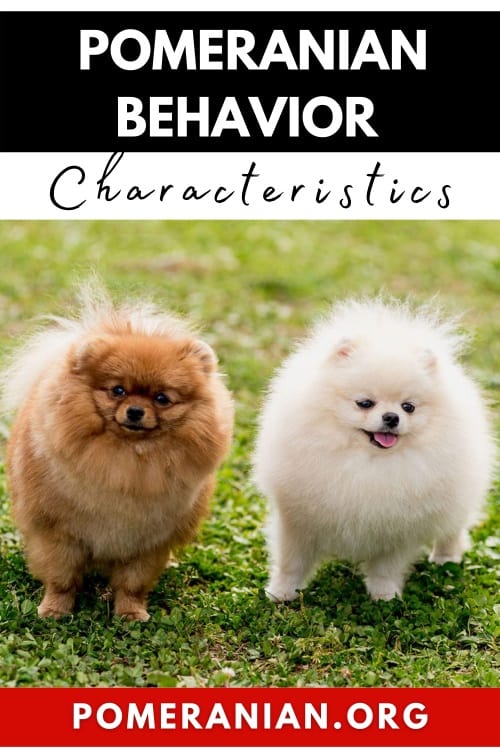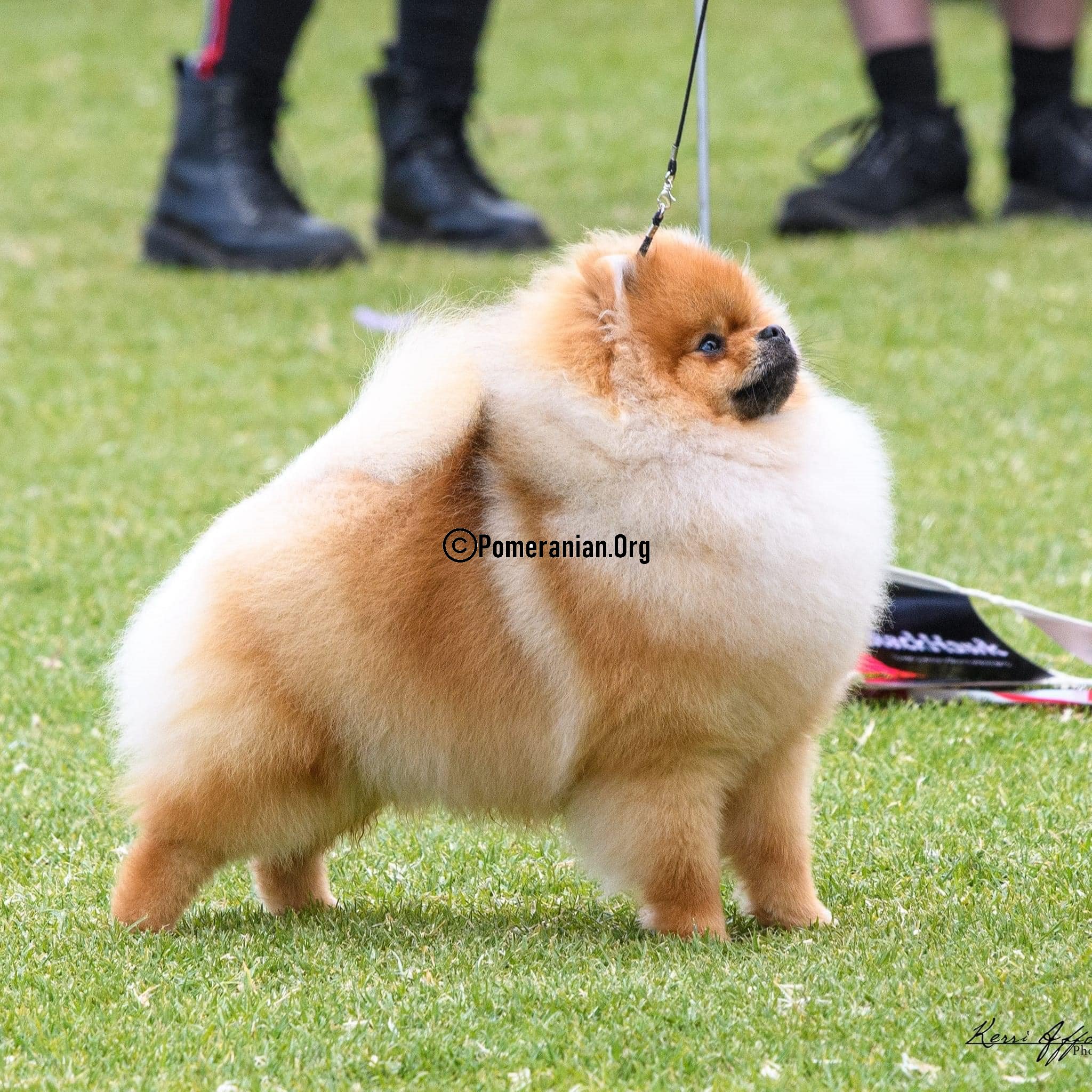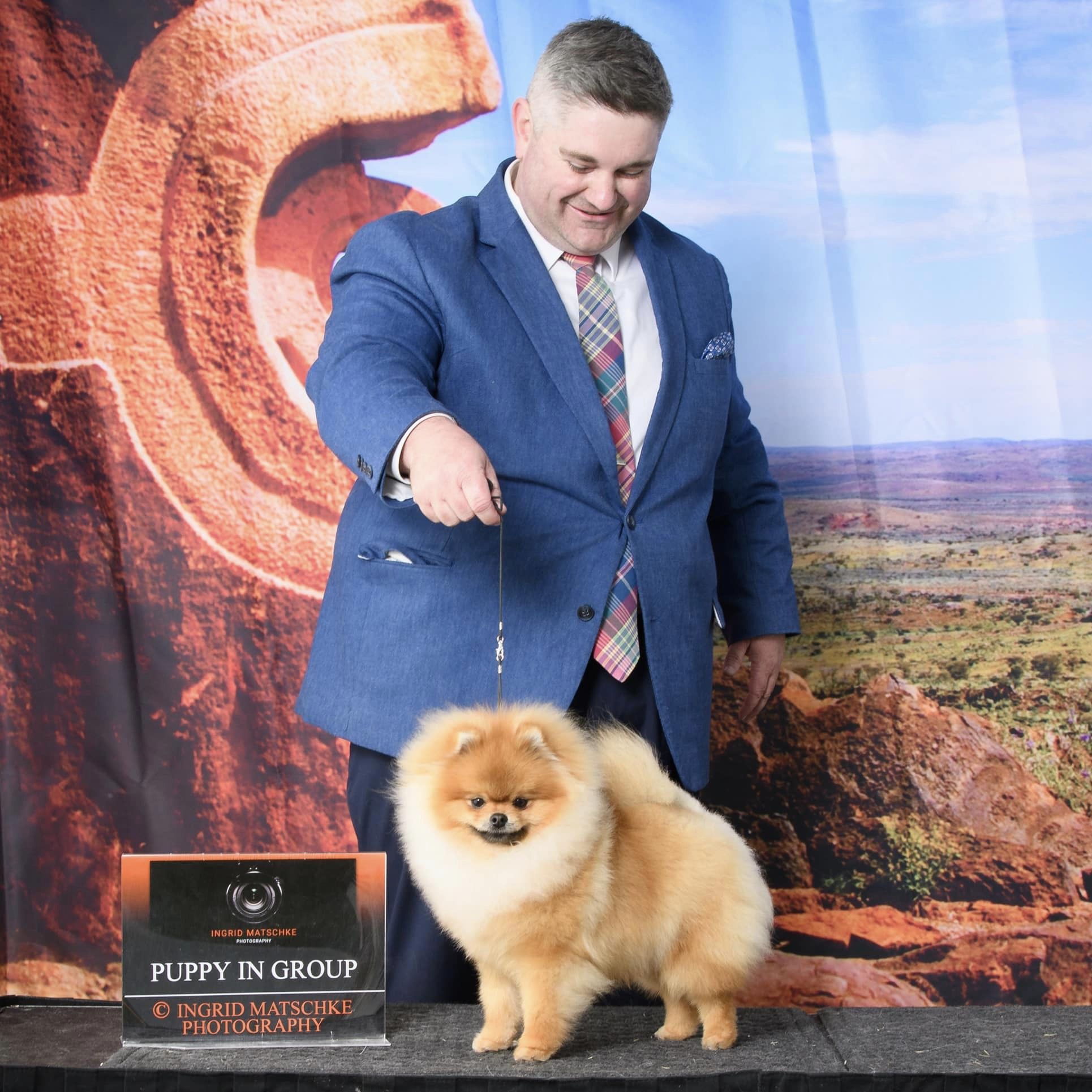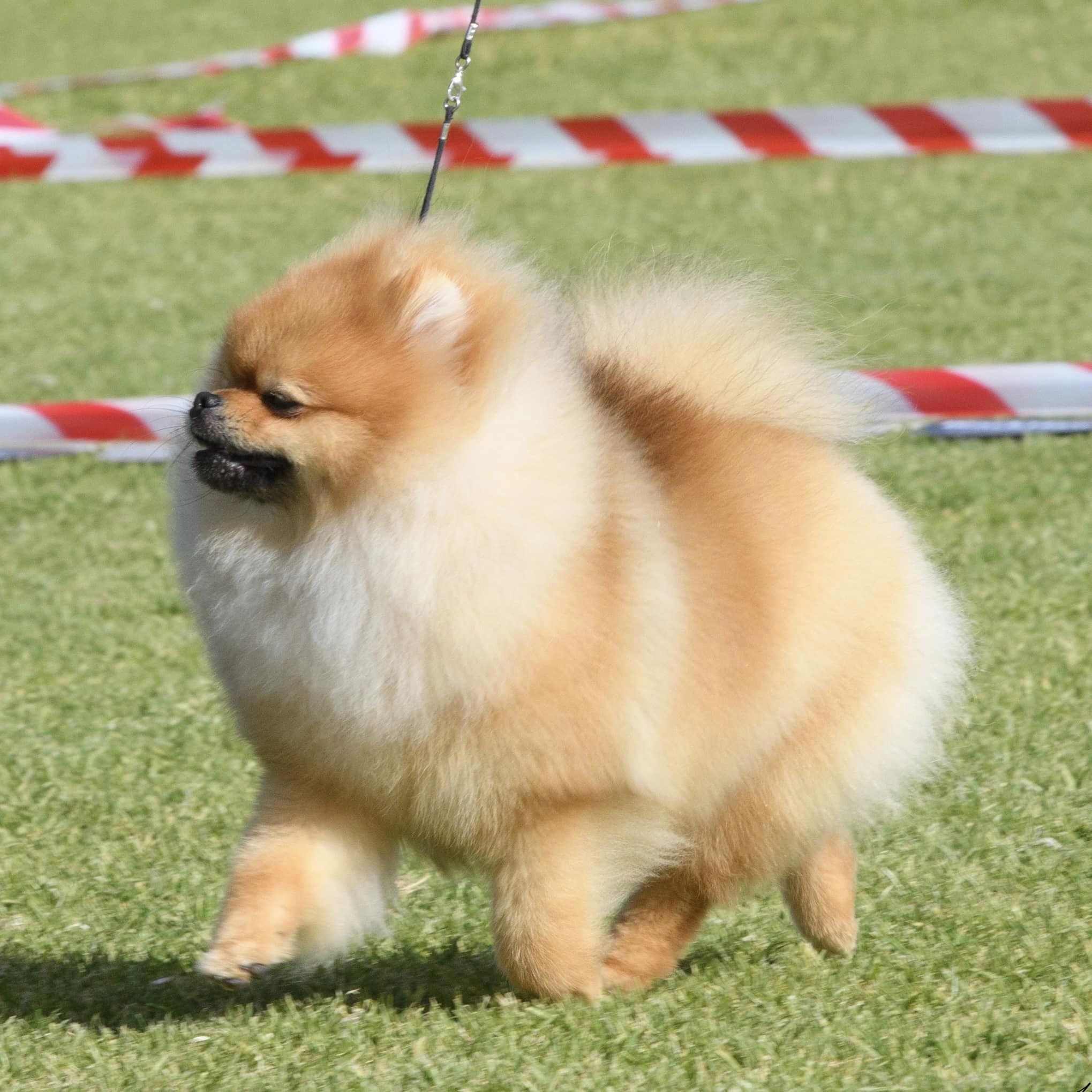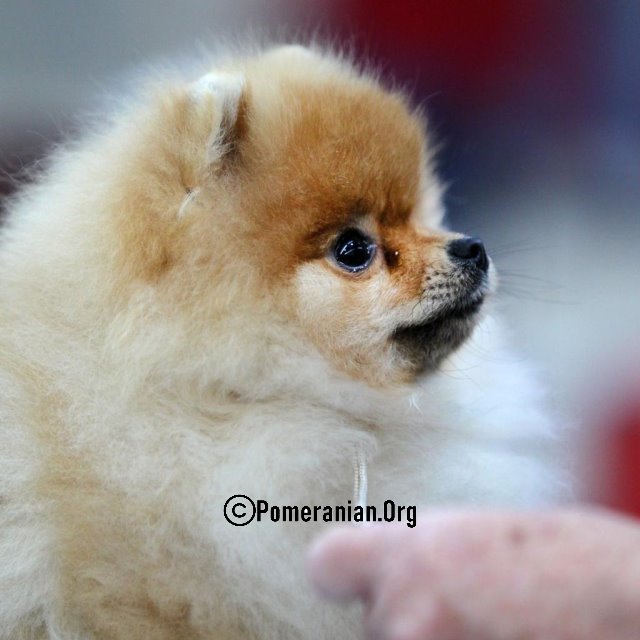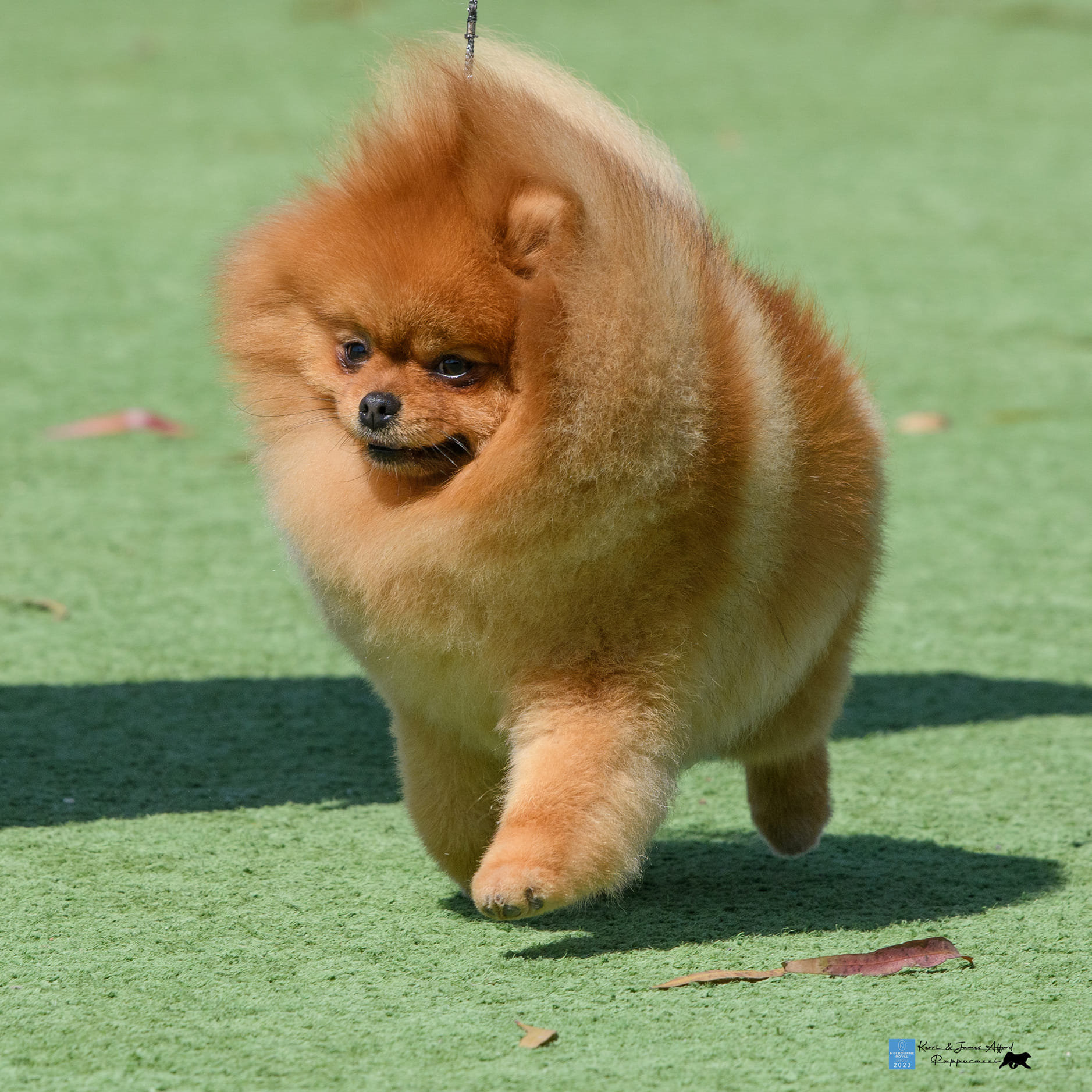

Pomeranians may be tiny, but they are lively, intelligent dogs with confident personalities and an enormous amount of character. They are generally affectionate, alert, playful, curious, and devoted to their families. However, every Pomeranian is an individual, and temperament is influenced by genetics, responsible breeding, early socialization, training, health, and life experiences.
I am Denise Leo of Dochlaggie Pomeranians. During my 51 years of breeding, exhibiting, judging, and living with Pomeranians, I have bred more than 100 champions and observed the breed across many generations. This experience has taught me that a beautiful Pomeranian should also possess a sound, stable temperament. Nervousness, uncontrolled aggression, and extreme fearfulness should never be accepted as normal breed behavior.
In this guide, I explain the true Pomeranian temperament, including affection, intelligence, barking, training, behavior around children and other pets, and the challenges prospective owners should consider. Understanding what a Pomeranian is really like will help you decide whether this delightful but spirited little dog is the right companion for you.
Pomeranian Temperament at a Glance
Usually forms a close bond with family members.
Learns quickly and enjoys short, interesting training sessions.
Has plenty of energy despite being a small toy dog.
Often announces visitors, unfamiliar sounds, and activity nearby.
Frequently behaves as though much larger than its size suggests.
Responds best to patient, consistent, reward-based training.
Remember: Breed traits provide a useful general guide, but every Pomeranian is an individual. Genetics, responsible breeding, early socialization, training, health, and life experiences all help shape temperament.
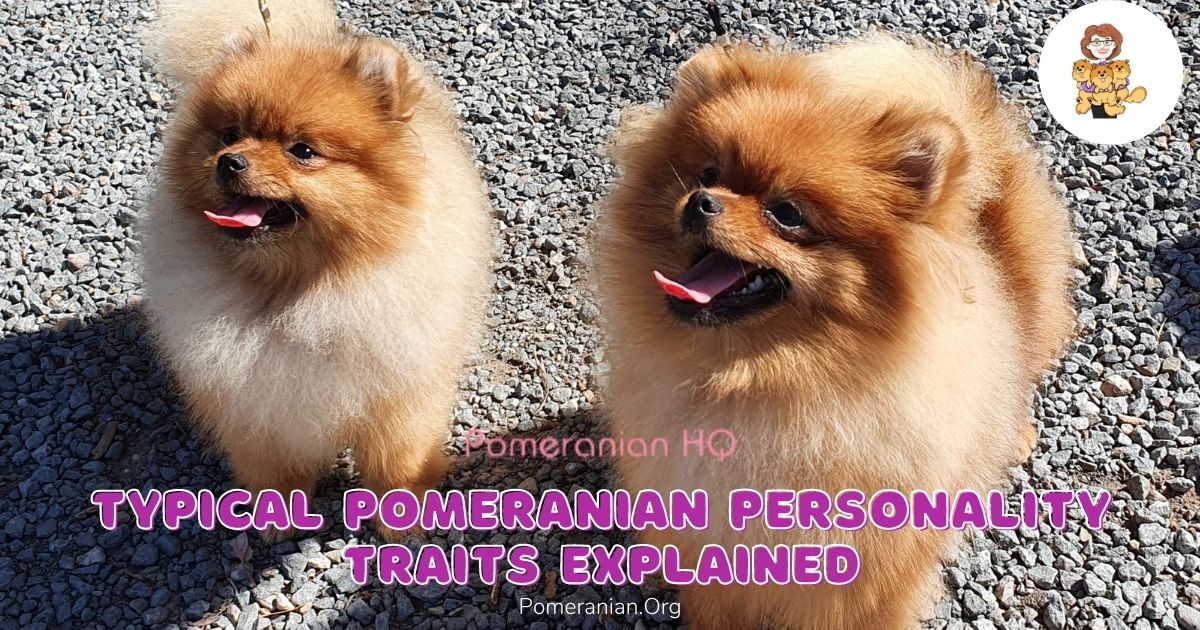
Pomeranian Personality Traits
The typical Pomeranian personality is lively, affectionate, intelligent, curious, and remarkably confident. Although a Pomeranian is a tiny toy dog, often weighing only 3–7 pounds, most have no understanding of how small they really are.
Pomeranians enjoy being involved in family life and are usually interested in everything happening around them. They are playful and energetic, yet many are equally happy relaxing beside their owners after their exercise and mental stimulation needs have been met.
They are also alert dogs that quickly notice visitors, unfamiliar sounds, or changes within their surroundings. This makes a Pomeranian an excellent little watchdog, although early training is important to prevent alert barking from becoming excessive.
Some Pomeranians can be independent and determined. Their intelligence allows them to learn desirable behavior quickly, but they can just as easily learn that barking, demanding attention, or refusing instructions gets them what they want. Patient, consistent, reward-based training from puppyhood helps develop a well-mannered companion.
During my 51 years of breeding and living with Pomeranians, I have found that the best examples of the breed combine confidence and liveliness with affection and a stable temperament. Individual personalities will vary, but extreme fearfulness or uncontrolled aggression should never be considered normal Pomeranian behavior.
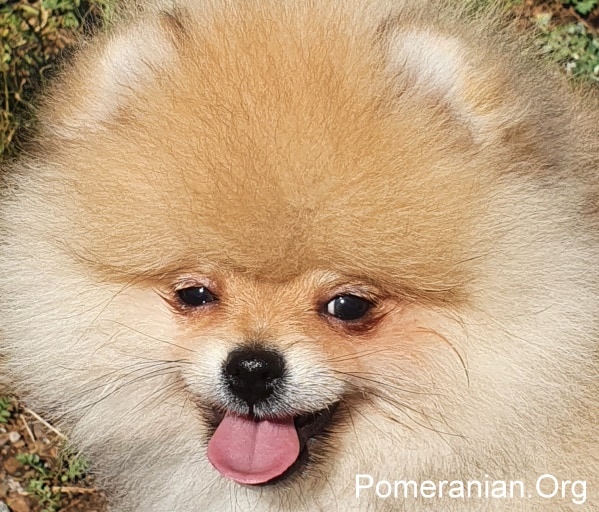
Pomeranian Puppy Personality
A Pomeranian puppy is typically curious, playful, affectionate, and full of confidence. These tiny balls of fluff often behave as though they are much larger dogs, so owners must protect them from unsafe jumping, rough play, and encounters with unsuitable larger dogs.
Young puppies explore with their mouths, have sudden bursts of energy, and may bark, chew, nip, or become overexcited when tired. These are common puppy behaviors and do not necessarily indicate a poor temperament. Calm guidance, sufficient sleep, appropriate toys, and short training sessions help puppies learn how to behave.
A responsible breeder plays an important role in shaping early temperament by selecting mentally sound parents and raising puppies in a clean, secure environment with gentle handling and positive everyday experiences. This foundation should continue in the puppy’s new home through careful socialization.
Socialization does not mean overwhelming a puppy or allowing every person and dog to handle it. It means gradually introducing the puppy to different people, household sounds, surfaces, grooming, car travel, and safe environments while ensuring that each experience remains positive.
A puppy’s personality will continue to develop as it matures. Genetics provide the foundation, but patient training, sensible boundaries, good health, and positive experiences help a Pomeranian puppy grow into a confident and well-adjusted adult.
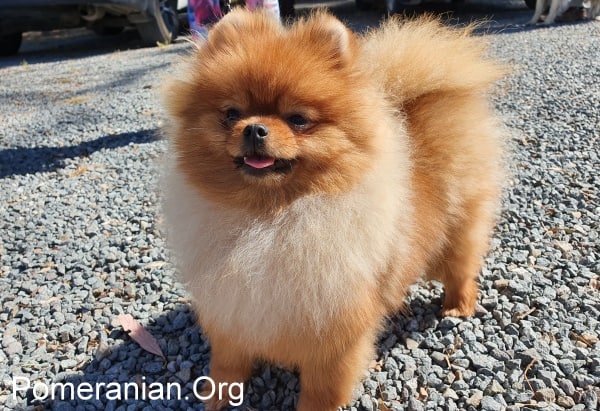
Pomeranian Behavior Characteristics
Common Pomeranian behavior characteristics include alertness, curiosity, playfulness, intelligence, and a strong desire to be involved in family activities. Pomeranians notice changes in their surroundings very quickly and may bark when they hear an unfamiliar noise, see someone approaching the home, or want their owner’s attention.
Because Pomeranians are so small, undesirable behavior is sometimes overlooked or unintentionally encouraged. Barking for attention, guarding a lap, refusing to walk, or demanding to be carried may appear harmless in a tiny puppy, but these behaviors can become established habits.
This is sometimes called “small dog syndrome,” but it is not a personality trait or medical condition. It usually describes behavior that has developed because the dog has not received consistent training, appropriate boundaries, or sufficient opportunities to behave like a dog.
Pomeranians respond well to short, enjoyable, reward-based training sessions. All household members should use the same rules and reward calm, desirable behavior. Harsh punishment can damage trust and may increase fear, anxiety, or defensive behavior.
Mental stimulation is just as important as physical exercise. Training games, food puzzles, safe toys, sniffing activities, and exploring new environments can keep an intelligent Pomeranian occupied and reduce boredom-related behavior.
A Pomeranian should be treated with kindness and protected because of its size, but should not be carried constantly or excused from learning good manners. The aim is to raise a confident little dog that can walk on a lead, settle calmly, cope with everyday experiences, and respond reliably to its owner.
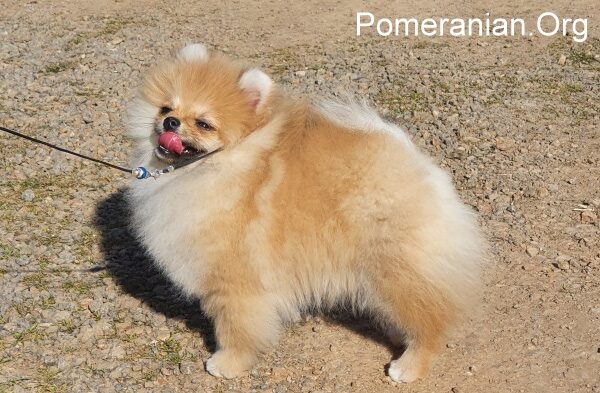
What Is a Pomeranian’s Personality Like?
A Pomeranian’s personality is best described as bright, busy, affectionate, and confident. Most want to know where their owners are and what they are doing. They may follow family members from room to room, supervise household activities, and settle nearby when it is time to rest.
Many Pomeranians enjoy sitting on a lap or sleeping close to their owners, while others prefer having their own space nearby. These individual preferences should be respected. Affection should never be forced, particularly if a dog moves away, stiffens, turns its head, licks its lips, or shows other signs of discomfort.
Pomeranians can become very attached to their families, but they should also be taught gradually that spending short periods alone is safe. Constantly carrying a puppy or never allowing it to settle independently can make future separation more difficult.
Their alert and inquisitive nature also means they are likely to notice activity outside the home. Some will quietly watch through a window, while others will announce every person, animal, or unfamiliar sound. Calm, consistent training from an early age can help prevent this natural alertness from becoming persistent barking.
Although Pomeranians enjoy comfort and companionship, they are still active, intelligent dogs. They need opportunities to walk, play, explore, learn, and use their senses—not simply spend the day being carried or sitting on a lap.
Pomeranian Traits
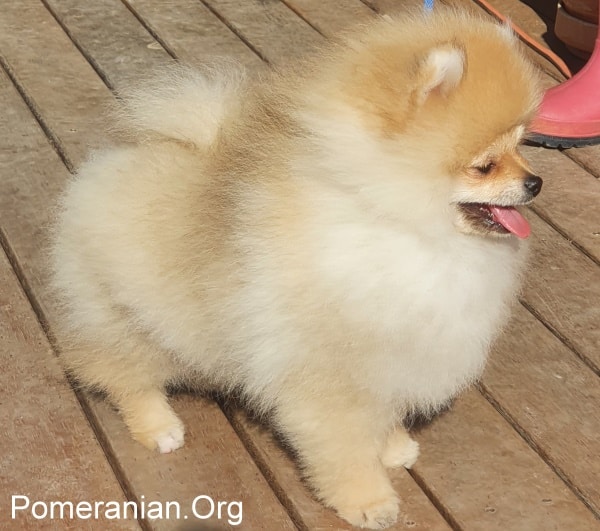
Pomeranians are well known for having a bold personality in a very small body. Typical Pomeranian traits include intelligence, curiosity, affection, alertness, confidence, playfulness, and occasional independence.
A well-bred and properly socialized Pomeranian should be lively and interested in the world without being uncontrollably nervous or aggressive. Many are naturally outgoing, although some may take a little time to assess unfamiliar people or situations.
Pomeranians are usually:
- Affectionate and closely attached to their families
- Intelligent and quick to learn
- Alert to visitors and unfamiliar sounds
- Playful and energetic
- Curious about their surroundings
- Confident despite their small size
- Responsive to positive, consistent training
- Sometimes independent or determined
These traits make the Pomeranian an entertaining and devoted companion, but they also mean the breed requires more than cuddles and grooming. Pomeranians need early socialization, clear household rules, regular mental stimulation, safe daily exercise, and opportunities to behave like dogs.
Breed traits provide only a general guide. Genetics, responsible breeding, health, early experiences, training, and the home environment all influence the temperament and behavior of an individual Pomeranian.
Are Pomeranians Affectionate?
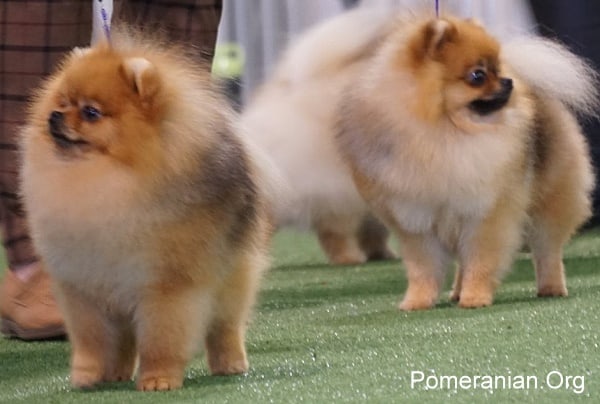
Yes, Pomeranians are generally very affectionate dogs. Most form close bonds with their families and enjoy being near the people they trust. They may follow their owners around the home, sit beside them, ask for attention, or settle nearby while the family relaxes.
Many Pomeranians become particularly attached to one person, but this does not mean they cannot love and bond with the entire household. Encouraging every family member to participate in feeding, gentle play, walking, grooming, and reward-based training can help prevent a puppy from becoming overly dependent on one individual.
Pomeranians express affection in different ways. One may want to sit on your lap, while another may prefer to lie beside your feet or bring you a favorite toy. A dog that does not constantly ask to be held can still be deeply attached to its owner.
Affection should always be invited rather than forced. If a Pomeranian turns away, becomes stiff, tries to escape, or appears uncomfortable, allow the dog some space. Respecting these signals helps build trust and can make a Pomeranian more confident about seeking affection when ready.
Because Pomeranians are companion dogs, they are usually happiest when included in everyday family life. However, they should also be taught gradually to relax independently and remain comfortable for reasonable periods when their owners are away.
Are Pomeranians Friendly?
Yes, most well-bred and properly socialized Pomeranians are friendly, lively, and interested in people. They are usually affectionate with their families and can form happy relationships with visitors, other dogs, and household pets when introductions are handled carefully.
Some Pomeranians greet unfamiliar people immediately, while others prefer to watch quietly before approaching. A dog that needs a little time is not necessarily unfriendly. However, extreme fearfulness, uncontrolled aggression, or an inability to recover after a mild surprise should not be accepted as normal Pomeranian temperament.
Early socialization helps a puppy become comfortable with different people, sounds, surfaces, environments, and everyday experiences. Introductions should be calm and positive. Never force a nervous puppy into someone’s arms or allow strangers to crowd, chase, or overwhelm it.
Pomeranians are naturally alert and may bark when someone approaches the home. This warning bark does not automatically mean the dog is aggressive. Owners should calmly acknowledge the visitor and reward the Pomeranian for becoming quiet and settled.
Responsible breeding is also important. Breeders should select parents with sound, stable temperaments and raise puppies in an environment that provides gentle handling and suitable social experiences. Genetics provide the foundation, while continued socialization and kind, consistent training help friendliness develop.
Do Pomeranians Like to Cuddle?
Many Pomeranians enjoy cuddling, sitting on a lap, or resting close to their owners. However, not every Pomeranian wants constant physical contact, and an individual dog’s preference may change depending on its mood, age, health, and energy level.
A lively Pomeranian may prefer to play, explore, or exercise before settling down for a cuddle. Others are content to sit beside their owner rather than being held. Both are normal expressions of companionship and affection.
Allow your Pomeranian to choose whether to cuddle. Signs that a dog is comfortable may include approaching voluntarily, leaning against you, having a relaxed body, and settling calmly. Turning the head away, stiffening, licking the lips, struggling, growling, or attempting to leave may indicate discomfort.
Children should never squeeze, restrain, or tightly hug a Pomeranian. Even an affectionate dog can become frightened when unable to move away, and the breed’s small body can be injured through rough handling.
Respecting your Pomeranian’s personal space builds trust. When cuddling remains voluntary and comfortable, it can become an enjoyable way for both dog and owner to relax together.
Why Do Pomeranians Like to Cuddle?
Pomeranians may cuddle because they enjoy warmth, physical comfort, security, and being close to someone they trust. Gentle contact can be relaxing and may become part of the bond between a Pomeranian and its owner.
Cuddling can also become a learned routine. If a Pomeranian regularly sits with its owner in the evening or receives calm attention while resting on a lap, the dog may begin to seek out that familiar and rewarding experience.
However, wanting companionship does not mean that every Pomeranian wants to be hugged or restrained. Dogs have individual preferences, and some show affection by following their owner, resting nearby, making eye contact, or bringing a toy rather than climbing onto a lap.
Let your Pomeranian initiate close contact whenever possible. A relaxed dog can move away freely when it has had enough. Allowing this choice helps your Pomeranian feel safe and strengthens trust.
Do Pomeranians Like to Be Held?
Many Pomeranians enjoy being held by someone they know and trust, but others prefer to keep all four feet on the ground. Being affectionate does not automatically mean that a Pomeranian wants to be picked up.
A comfortable Pomeranian will usually remain relaxed in your arms. A dog that stiffens, struggles, turns its head away, licks its lips, growls, or tries to jump down may be frightened or uncomfortable and should be carefully returned to the floor.
Always lift a Pomeranian gently, supporting both the chest and hindquarters. Hold the dog securely against your body without squeezing. Never lift a Pomeranian by the front legs, under the armpits, by the scruff, or by the collar.
Children should sit on the floor when holding a Pomeranian and must be supervised closely. A puppy can be seriously injured if dropped or allowed to leap from someone’s arms.
Handling should be introduced gradually and associated with calm praise or small rewards. This is particularly important because a Pomeranian must learn to accept necessary handling for grooming, veterinary examinations, and emergencies—even if being carried is not its favorite activity.
How Can I Tell if My Pomeranian Likes Being Held?
A comfortable Pomeranian will have a relaxed body and remain calm in your arms. If your dog stiffens, struggles, turns away, growls, or tries to jump down, carefully return it to the floor.
Always support the chest and hindquarters, and never allow a Pomeranian to leap from your arms. Respecting your dog’s signals helps build trust and prevents injury.
Is a Pomeranian a Good Guard Dog?
A Pomeranian is too small to be an effective guard dog, but the breed can make an excellent watchdog. Pomeranians are alert and often bark when they notice visitors, unusual sounds, or activity around the home.
Early training helps teach your Pomeranian to alert you and then settle quietly, rather than continuing to bark after you have acknowledged the situation.
Are Pomeranians Fragile?
Yes. Pomeranians are lively and confident, but their small bodies can be seriously injured by falls, rough handling, being stepped on, or encounters with larger dogs.
Supervise them carefully, prevent jumping from furniture, and teach children to handle them gently. Choose canine companions and playmates with great care.
Are Pomeranians Good With Toddlers?
Pomeranian puppies are generally not suitable companions for toddlers because their tiny bodies can be injured accidentally. Fast movements, loud voices, squeezing, dropping, or stepping on a puppy can also cause fear and defensive behavior.
Children under ten should always be closely supervised around a Pomeranian and taught to interact calmly and gently.
Do Pomeranians Have Anxiety Attacks?
Pomeranians can experience fear, anxiety, or separation-related distress, but this should not be considered normal breed behavior. Signs may include trembling, panting, hiding, pacing, destructive behavior, or excessive barking.
Gradual socialization and calm training can help. Consult your veterinarian if anxiety is severe, begins suddenly, or affects your Pomeranian’s quality of life.
Do Pomeranians Have a Mind of Their Own?
Yes. Pomeranians are intelligent and can be independent or determined. They may ignore instructions when something else appears more rewarding.
Short, enjoyable training sessions, worthwhile rewards, and consistent household rules usually achieve better results than harsh correction.
Do Pomeranians Bark a Lot?
Pomeranians are alert dogs and many quickly bark at visitors, unfamiliar sounds, or activity outside. However, excessive barking is not inevitable.
Early training, sufficient exercise, mental stimulation, and rewarding quiet behavior can help prevent alert barking from becoming a persistent habit.
Are Pomeranians Difficult to House Train?
Pomeranians can take longer to house train because their tiny bladders require frequent toilet opportunities, and indoor accidents are easily missed.
A consistent schedule, close supervision, regular trips to the designated toilet area, and immediate rewards for success usually produce the best results. Never punish a Pomeranian for an accident.
Pomeranian Grooming Needs
Pomeranians require regular brushing and combing to prevent tangles and mats in their double coat. They also need routine bathing, thorough drying, nail care, and dental care.
Grooming should begin during puppyhood so the Pomeranian learns to accept handling calmly and confidently.
Pomeranian Teeth Problems
Pomeranians can be prone to retained puppy teeth, overcrowding, plaque buildup, and periodontal disease because of their small mouths.
Begin dental care during puppyhood, brush the teeth regularly, and arrange veterinary dental checks. Bad breath, painful eating, bleeding gums, or loose teeth require veterinary attention.
Bad Things About Pomeranians
Pomeranians are delightful companions, but they are not ideal for every home. Potential challenges include alert barking, physical fragility, independence, toilet-training difficulties, demanding attention, and distress if they are never taught to spend time alone.
Understanding these challenges before bringing home a puppy helps owners decide whether a Pomeranian is the right breed for their lifestyle.
Frequently Asked Questions About Pomeranian Temperament
What is the typical Pomeranian temperament?
Are Pomeranians affectionate?
Do Pomeranians bark a lot?
Are Pomeranians easy to train?
Are Pomeranians good with children?
Are Pomeranians good with other dogs?
Can Pomeranians be left alone?
Are Pomeranians aggressive?
Final Thoughts on Pomeranian Temperament
During my 51 years with Pomeranians, I have found them to be intelligent, affectionate, lively little dogs with enormous character. Responsible breeding, early socialization, kind training, and consistent boundaries help a Pomeranian develop into a confident, well-mannered companion.
Copyright Pomeranian.org. All Rights Reserved.
📚 References & Further Reading
- [1] AKC Pomeranian Breed Standard (2011)
- [2] English Kennel Club Breed Standard
- [3] The Pomeranian Handbook – Denise Leo
- [4] Denlinger, The Complete Pomeranian
- [5] Kimbering, 1891–1991
- [6] Taplin, The Sportsman’s Cabinet
- [7] Parker, The Popular Pomeranian
- [8] Ives, Show Pomeranians
Learn Everything About Pomeranians in The Pomeranian Handbook