
DVM, University of Animal and Veterinary Sciences, 2019
MSc. (Hons.) Animal Breeding & Genetics, University of Agriculture Faisalabad, 2021
⚠️ Veterinary Disclaimer
This article is provided for educational purposes only and is not veterinary advice. Always contact your veterinarian immediately if your Pomeranian puppy appears unwell, lethargic, refuses food or water, develops vomiting, bloody diarrhea, or if symptoms worsen or persist.
Written by Denise Leo, internationally recognized Pomeranian breeder, ANKC Pomeranian specialist judge, and author with over 50 years of hands-on experience with the breed. Reviewed in consultation with Dr. Muqeet Mushtaq (DVM, MSc Animal Breeding & Genetics).
Puppy diarrhea is one of the most common health problems seen in young Pomeranians. While many mild cases are caused by stress or dietary changes, diarrhea in toy breed puppies can quickly become serious due to dehydration and low blood sugar.
Understanding the possible causes, warning signs, and when to contact your veterinarian can help protect your puppy’s health.
🐾 Quick Answer
Pomeranian puppy diarrhea is commonly caused by stress, sudden diet changes, overeating, parasites, infections, or eating inappropriate foods. Because Pomeranians are tiny toy breed puppies, diarrhea can quickly lead to dehydration and low blood sugar. Mild cases may settle within 24 hours, but puppies with vomiting, bloody stools, weakness, or diarrhea lasting longer than a day should be seen by a veterinarian immediately.
Important: Young Pomeranian puppies can become seriously ill very quickly. If your puppy seems lethargic, refuses food, or shows signs of dehydration, contact your veterinarian without delay.
⚠️ When to See a Vet Immediately
While mild diarrhea may occasionally settle quickly, Pomeranian puppies are a tiny toy breed and can become dangerously dehydrated or develop low blood sugar very rapidly. Never delay seeking veterinary advice if your puppy appears unwell.
- Bloody diarrhea
- Vomiting together with diarrhea
- Lethargic behaviour or unusual sleepiness
- Weakness, wobbliness, or collapse
- Refusing food or water
- Signs of dehydration
- Mild diarrhea lasting longer than 24 hours
- Black or tarry stools
- Suspected poisoning or eating something unsafe
- Fever or obvious pain
Important: Tiny Pomeranian puppies can deteriorate very quickly. If your puppy is lethargic, weak, dehydrated, or refusing food, contact your veterinarian immediately rather than waiting to see if symptoms improve.
🐾 Why Diarrhea Can Be Dangerous in Pomeranian Puppies
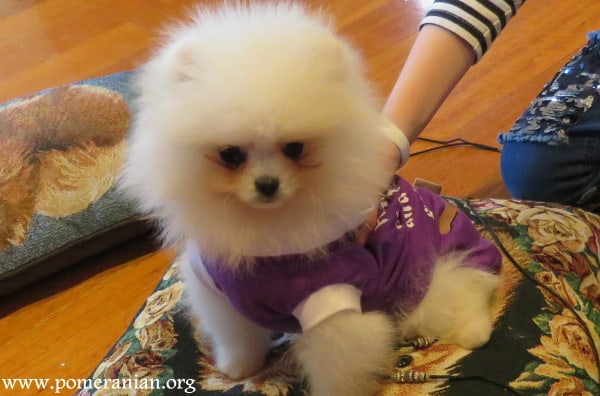
Pomeranian puppies are one of the smallest dog breeds in the world, and because of their tiny size they can become seriously ill much faster than larger puppies. Even what appears to be mild diarrhea can quickly lead to dehydration, weakness, and dangerously low blood sugar levels.
Young toy breed puppies have very small bodies with limited fluid reserves. When diarrhea occurs, fluid is lost rapidly from the body. A tiny Pomeranian puppy may become dehydrated within hours, particularly if vomiting is also present or the puppy refuses food and water.
Important: Pomeranian puppies are also prone to hypoglycaemia (low blood sugar). If a puppy with diarrhea stops eating, becomes lethargic, weak, shaky, or sleepy, veterinary attention should be sought immediately.
Stress diarrhea is also relatively common in young Pomeranian puppies, especially after leaving for a new home, travelling, visiting the veterinarian, or experiencing sudden changes in diet or routine. While mild stress-related diarrhea may settle quickly, owners should still monitor toy breed puppies very carefully.
Because Pomeranians can deteriorate so quickly, it is always safer to contact your veterinarian sooner rather than later if your puppy develops persistent diarrhea, vomiting, lethargy, bloody stools, or signs of dehydration.
🐾 Common Causes of Diarrhea in Pomeranian Puppies
Stress Diarrhea
Stress is one of the most common causes of mild diarrhea in young Pomeranian puppies. Moving to a new home, travelling, vet visits, changes in routine, or separation from littermates can upset a puppy’s digestive system.
Symptoms often include soft stools, mild diarrhea, temporary appetite changes, and increased clinginess or nervous behaviour.
Mild stress diarrhea may settle within a day or two. However, because Pomeranians are tiny toy breed puppies, veterinary attention should be sought if diarrhea becomes severe, the puppy becomes lethargic, or refuses food.
Sudden Food Changes
Changing a puppy’s food too quickly can easily trigger diarrhea. A young puppy’s digestive system needs time to adjust to new ingredients, protein sources, or feeding schedules.
Symptoms may include loose stools, gas, stomach discomfort, and occasional vomiting shortly after introducing a new food.
Food changes should always be made gradually over several days. If diarrhea persists longer than 24 hours or your puppy appears unwell, contact your veterinarian.
Worms & Parasites
Intestinal worms are a common cause of diarrhea in puppies. Roundworms, hookworms, and other parasites may irritate the digestive tract and interfere with nutrient absorption.
Symptoms can include diarrhea, bloated tummy, poor growth, weight loss, dull coat condition, and visible worms in the stool.
Severe infestations can be dangerous for tiny Pomeranian puppies. Regular worming and veterinary care are essential.
Eating Unsafe Foods
Puppies explore the world with their mouths and may eat foods or objects that upset the digestive system. Rich foods, spoiled food, rubbish, toxic foods, or chewing inappropriate objects can all cause diarrhea.
Symptoms may include sudden diarrhea, vomiting, abdominal pain, drooling, or refusal to eat.
Seek veterinary help immediately if your puppy may have eaten something toxic, develops severe vomiting, or becomes lethargic.
Viral Infections
Serious viral infections such as parvovirus can cause severe diarrhea in puppies. Young puppies that are not fully vaccinated are especially vulnerable.
Symptoms may include severe watery or bloody diarrhea, vomiting, fever, weakness, dehydration, and loss of appetite.
Parvovirus and similar infections are medical emergencies. Immediate veterinary treatment is essential.
Giardia & Coccidia
Giardia and coccidia are microscopic intestinal parasites commonly seen in puppies. These organisms spread easily in environments where puppies live closely together.
Symptoms often include soft stools, mucus-covered diarrhea, weight loss, poor growth, and recurring digestive problems.
Diagnosis usually requires a veterinary stool test. Persistent or recurring diarrhea should always be investigated.
Antibiotic Reactions
Some puppies develop diarrhea while taking antibiotics. These medications may disrupt the normal balance of healthy bacteria within the digestive system.
Symptoms may include soft stools, mild diarrhea, reduced appetite, or stomach upset after beginning medication.
Always follow your veterinarian’s instructions carefully and never stop prescribed medication without veterinary advice.
Overfeeding Treats
Too many treats, rich snacks, or excessive human foods can easily upset a Pomeranian puppy’s tiny digestive system.
Symptoms usually include soft stools, mild diarrhea, gas, and reduced appetite after overeating.
Treats should only make up a small part of a puppy’s diet. Persistent diarrhea or repeated stomach upsets should be discussed with your veterinarian.
💩 Puppy Poop Guide
Your puppy’s stool can give helpful clues about digestive health. Use this guide as a general reference, but always contact your veterinarian if your Pomeranian puppy seems unwell.
| Stool Appearance | Possible Meaning | What to Do |
|---|---|---|
| Soft but formed | Mild stomach upset or recent food change | Monitor closely |
| Watery diarrhea | Digestive upset, infection, parasites, or food intolerance | Contact your vet if it continues or puppy seems unwell |
| Mucus-covered stool | Intestinal irritation, parasites, giardia, or coccidia | Arrange a veterinary stool check |
| Yellow or orange stool | Food sensitivity, fast digestion, or bile irritation | Monitor and seek advice if ongoing |
| Bloody diarrhea | Possible infection, parvovirus, injury, or serious intestinal inflammation | Seek veterinary help immediately |
| Black or tarry stool | Possible digested blood or internal bleeding | Emergency vet attention needed |
Important: Because Pomeranian puppies are tiny, do not wait too long if diarrhea is watery, bloody, repeated, or paired with vomiting, lethargy, weakness, or refusal to eat.
🩺 Treating Diarrhea in Pomeranian Puppies
Treatment for diarrhea depends on the underlying cause. Mild digestive upset may settle quickly with supportive care, while more serious conditions such as dehydration, parasites, infections, or parvovirus require urgent veterinary treatment.
Because Pomeranians are a tiny toy breed, puppies can become dehydrated or develop low blood sugar very quickly. Never delay seeking veterinary advice if your puppy appears lethargic, weak, refuses food or water, vomits repeatedly, or develops bloody diarrhea.
Supportive Care for Mild Cases
- Ensure your puppy continues drinking water to prevent dehydration
- Feed small, frequent meals rather than large meals
- A bland diet may sometimes be recommended by your veterinarian
- Avoid rich treats, table scraps, or sudden food changes
- Keep your puppy warm, quiet, and carefully monitored
- Follow your veterinarian’s worming and vaccination schedule
- Your veterinarian may recommend probiotics to support digestive health
Important: Young Pomeranian puppies should never be fasted for extended periods without veterinary advice, as toy breed puppies are prone to hypoglycaemia (low blood sugar).
Veterinary Advice Essential: Always consult your veterinarian if your puppy has severe diarrhea, vomiting, blood in the stool, lethargy, dehydration.
❓ Frequently Asked Questions
Why does my Pomeranian puppy have diarrhea?
Pomeranian puppy diarrhea may be caused by stress, sudden food changes, worms, parasites, viral infections, eating unsafe foods, overfeeding treats, or digestive upset. Because toy breed puppies are tiny, diarrhea should always be monitored carefully.
Is diarrhea dangerous in Pomeranian puppies?
Yes. Pomeranian puppies can become dehydrated and develop low blood sugar very quickly. Severe diarrhea, vomiting, lethargy, bloody stools, or refusal to eat or drink require immediate veterinary attention.
Can stress cause diarrhea in puppies?
Yes. Stress diarrhea is common in young puppies, especially after moving to a new home, travelling, visiting the vet, or changes in routine. Mild cases may settle quickly, but diarrhea should be checked by your veterinarian.
What can I feed a puppy with diarrhea?
Your veterinarian may recommend small frequent meals or a bland diet depending on the cause of the diarrhea. Avoid rich foods, treats, and sudden diet changes. Tiny toy breed puppies should never be fasted for extended periods without veterinary advice.
How long should puppy diarrhea last?
Mild diarrhea may settle within 24 hours. If diarrhea continues longer than a day, becomes severe, or your puppy appears unwell, lethargic, weak, or dehydrated, contact your veterinarian immediately.
Can worms cause diarrhea in puppies?
Yes. Worms and intestinal parasites are a very common cause of diarrhea in puppies. Symptoms may include loose stools, bloated tummy, poor growth, weight loss, and stomach discomfort.
What are the signs of parvovirus in puppies?
Parvovirus symptoms may include severe watery or bloody diarrhea, vomiting, lethargy, weakness, dehydration, fever, and refusal to eat. Parvovirus is a veterinary emergency requiring immediate treatment.
Copyright Pomeranian.org. All Rights Reserved.
📚 References & Further Reading
- [1] AKC Pomeranian Breed Standard (2011)
- [2] English Kennel Club Breed Standard
- [3] The Pomeranian Handbook – Denise Leo
- [4] Denlinger, The Complete Pomeranian
- [5] Kimbering, 1891–1991
- [6] Taplin, The Sportsman’s Cabinet
- [7] Parker, The Popular Pomeranian
- [8] Ives, Show Pomeranians