
A Pomeranian’s coat changes considerably from birth to adulthood. The soft, fluffy puppy coat gradually gives way to the breed’s beautiful adult double coat, consisting of a short, dense undercoat and longer, harsher guard hairs. During this transition, a puppy may temporarily look thin, uneven or shaggy—a normal stage commonly known as the “Pomeranian puppy uglies.”
It is important to remember that every Pomeranian is an individual. They will not all lose their puppy coat at the same age, change in exactly the same way or develop their full adult coat according to a fixed timetable. Some puppies pass through the coat-change stage quickly and barely look untidy, while others lose much more puppy fur before their adult coat begins to fill out.
Genetics, sex, hormones, health, diet, climate, and the time of year can all influence coat growth and shedding. Males and females may also carry different amounts of coat, and females can lose a significant amount of coat after raising a litter.
As a general guide, the puppy coat often begins changing between three and six months of age. Much of the adult coat may be visible by approximately 12 months, but the coat can continue developing in length, density and texture until a Pomeranian is two to three years old.
After more than 50 years of breeding and exhibiting Pomeranians, I have watched many beautiful puppies pass through stages when their coats looked thin, patchy or completely unlike their eventual adult coats. In most healthy puppies, this is simply a normal part of growing up. This guide explains what you may notice during each Pomeranian coat stage, how to care for the developing coat and when unusual hair loss should be checked by your veterinarian.
Pomeranian Coat Stage Timeline
The following timeline is a general guide only. Every Pomeranian develops differently, so your puppy may enter each stage earlier or later. Some puppies experience a dramatic coat change, while others move into their adult coat without ever looking particularly thin or untidy.
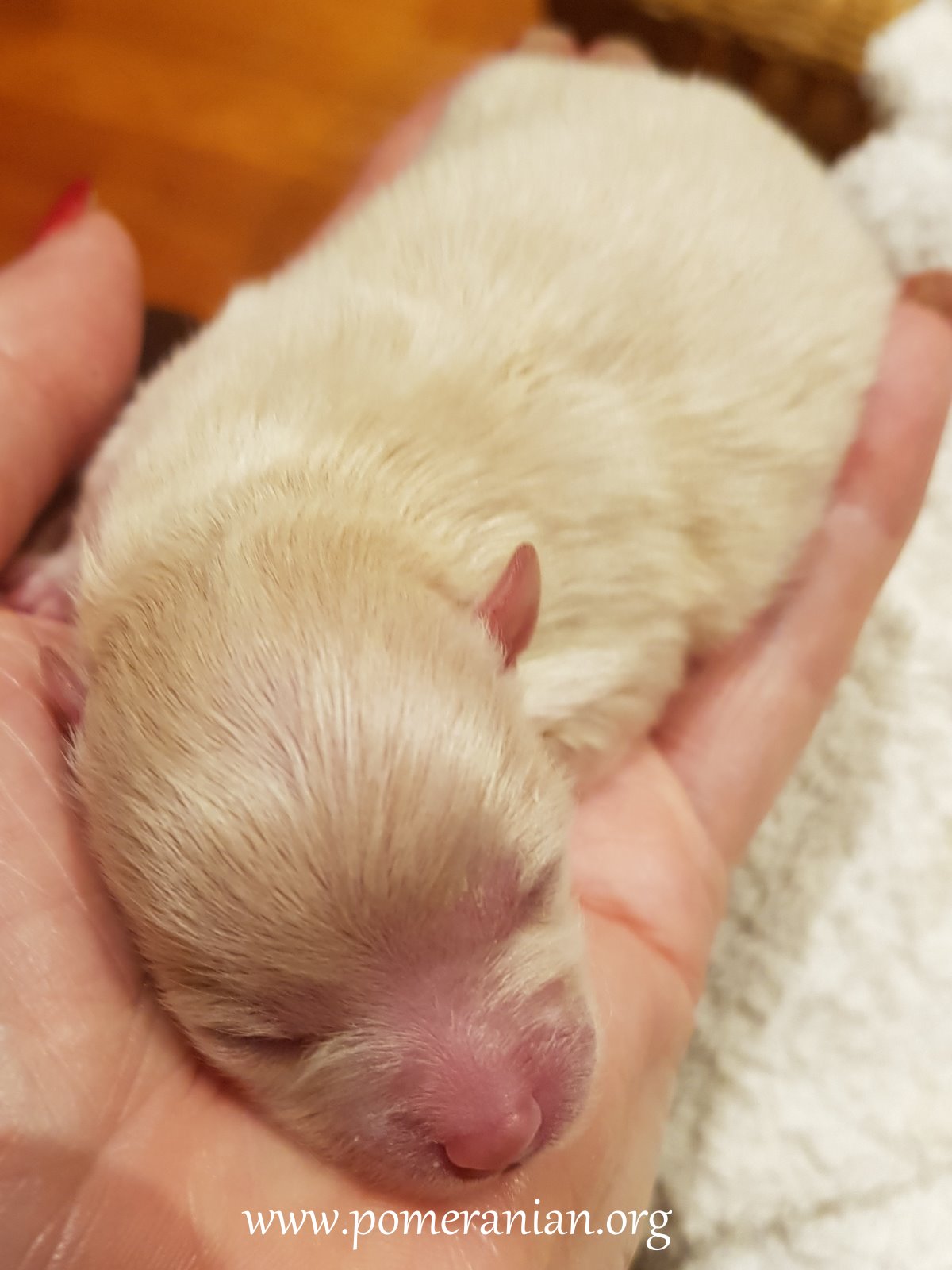
Stage 1: Newborn Coat — Birth to Approximately 6 Weeks
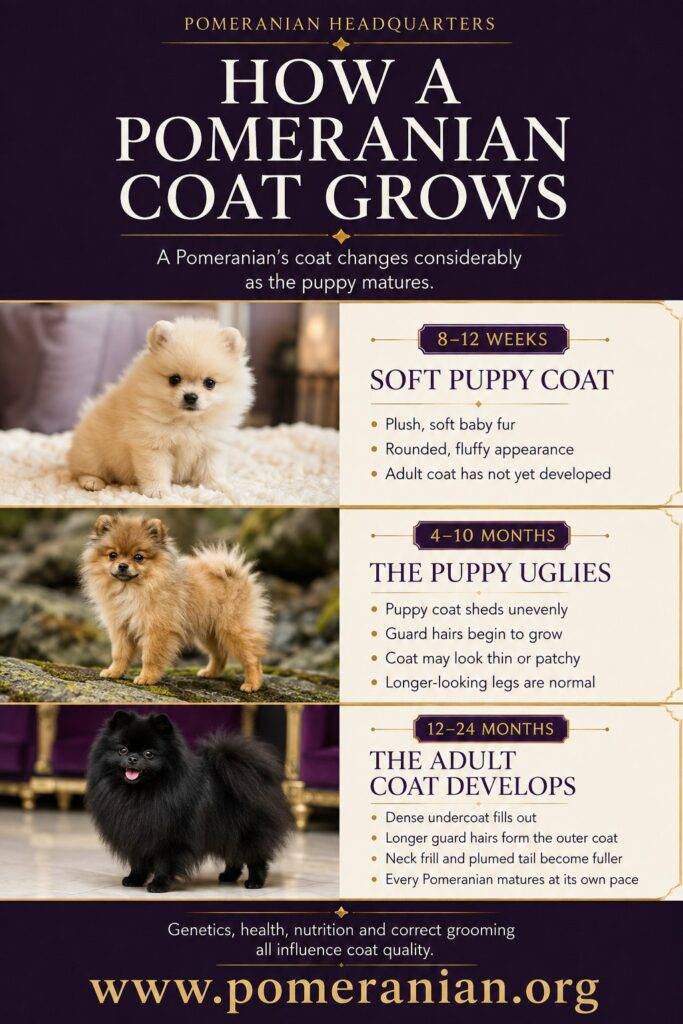
Newborn Pomeranian puppies have a very short, smooth-looking coat. During the first six weeks, the coat grows quickly and gradually becomes softer, thicker, and fluffier.
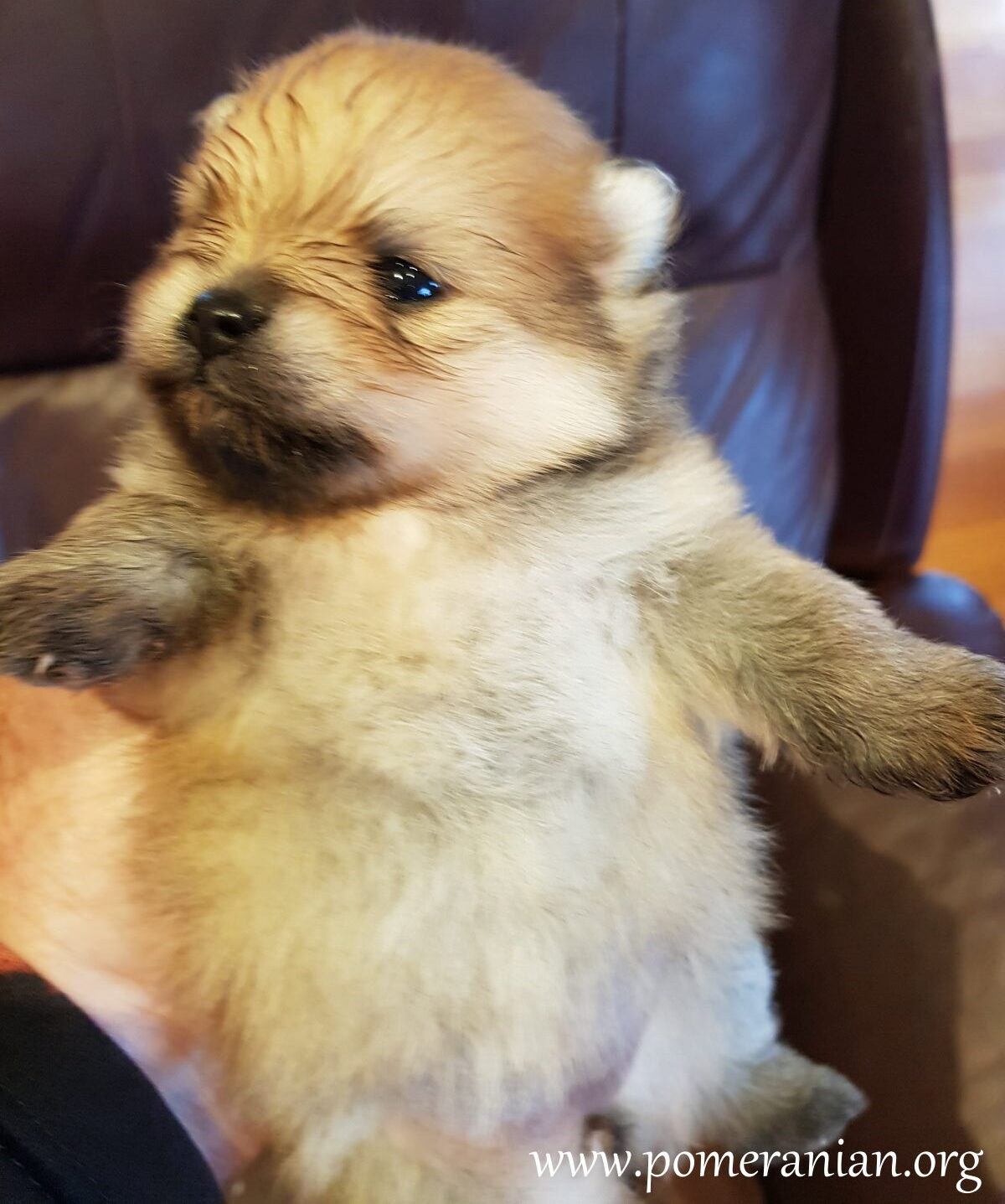
Stage 2: Fluffy Puppy Coat — Approximately 6 Weeks to 3 Months
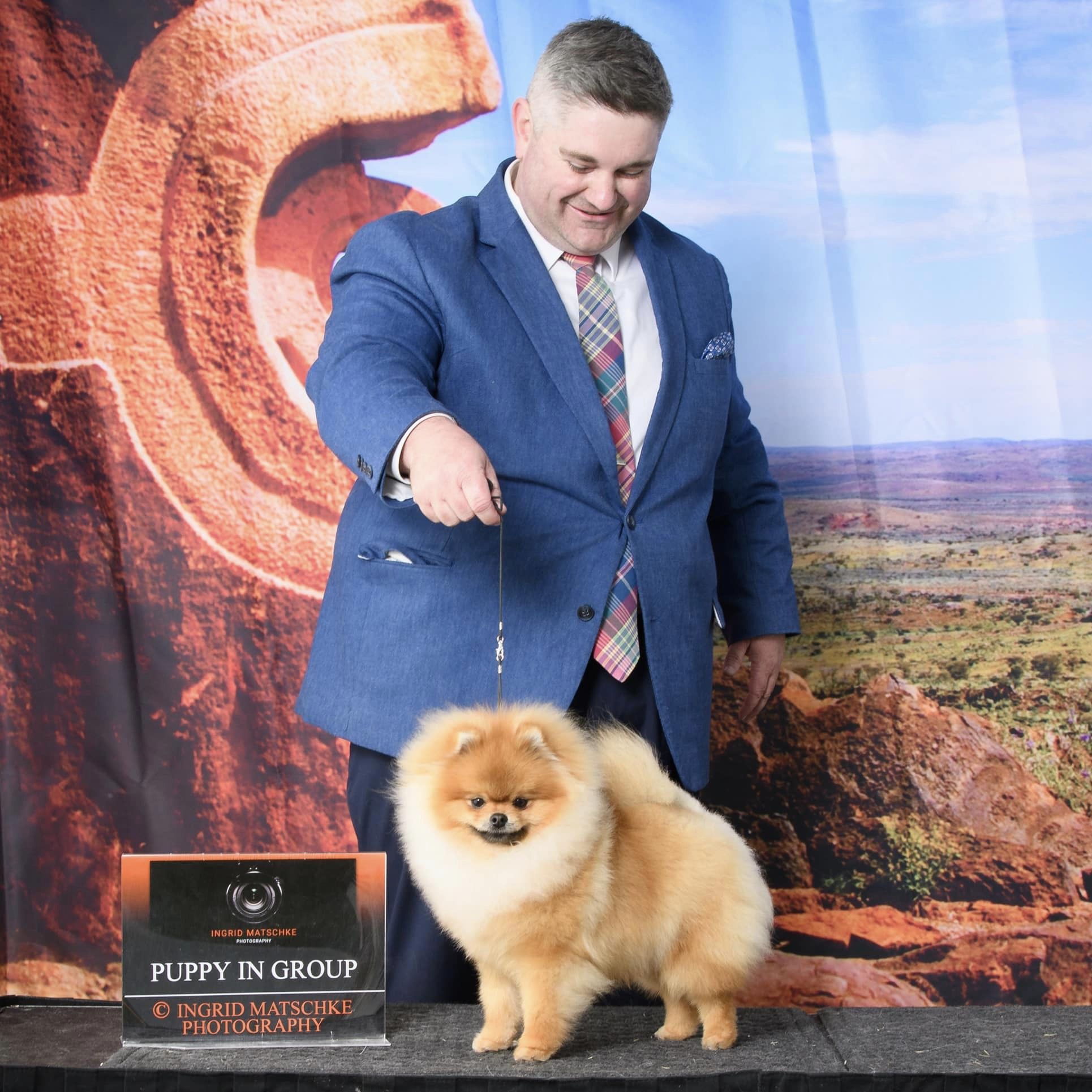
By approximately eight weeks of age, most Pomeranian puppies have developed the soft, fluffy baby coat for which the breed is famous. This puppy coat may look full and plush, but it does not yet have the length, texture or structure of a mature adult double coat.
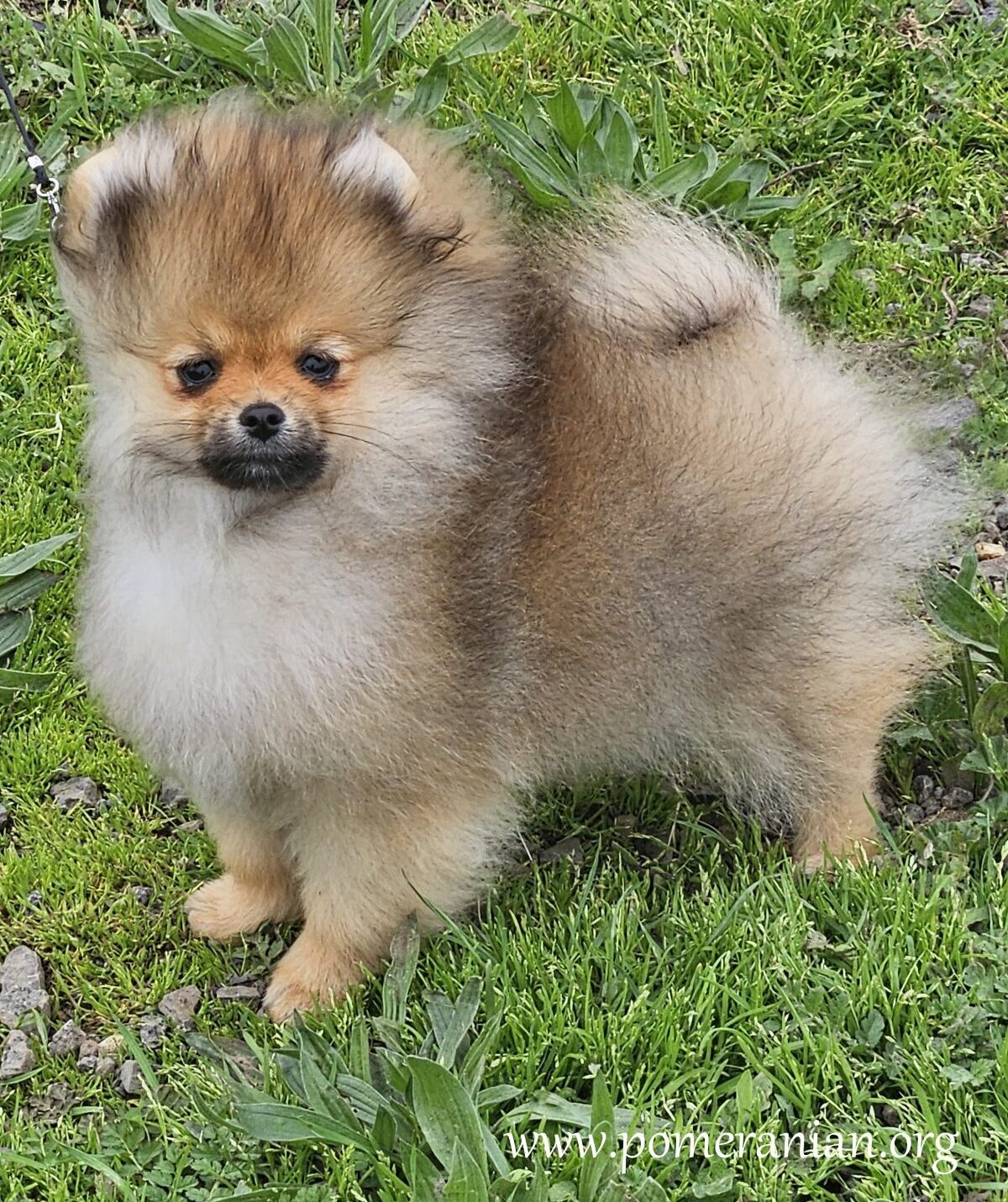
Stage 3: The Puppy Uglies — Approximately 3 to 6 Months
The soft puppy fur begins to shed as the adult coat starts growing. Because the puppy’s fur may fall out faster than the adult’s hair grows, the coat can temporarily appear thin, patchy, uneven, or shaggy.
This stage is commonly called the “Pomeranian puppy uglies.” It is a normal part of coat development in most healthy puppies.
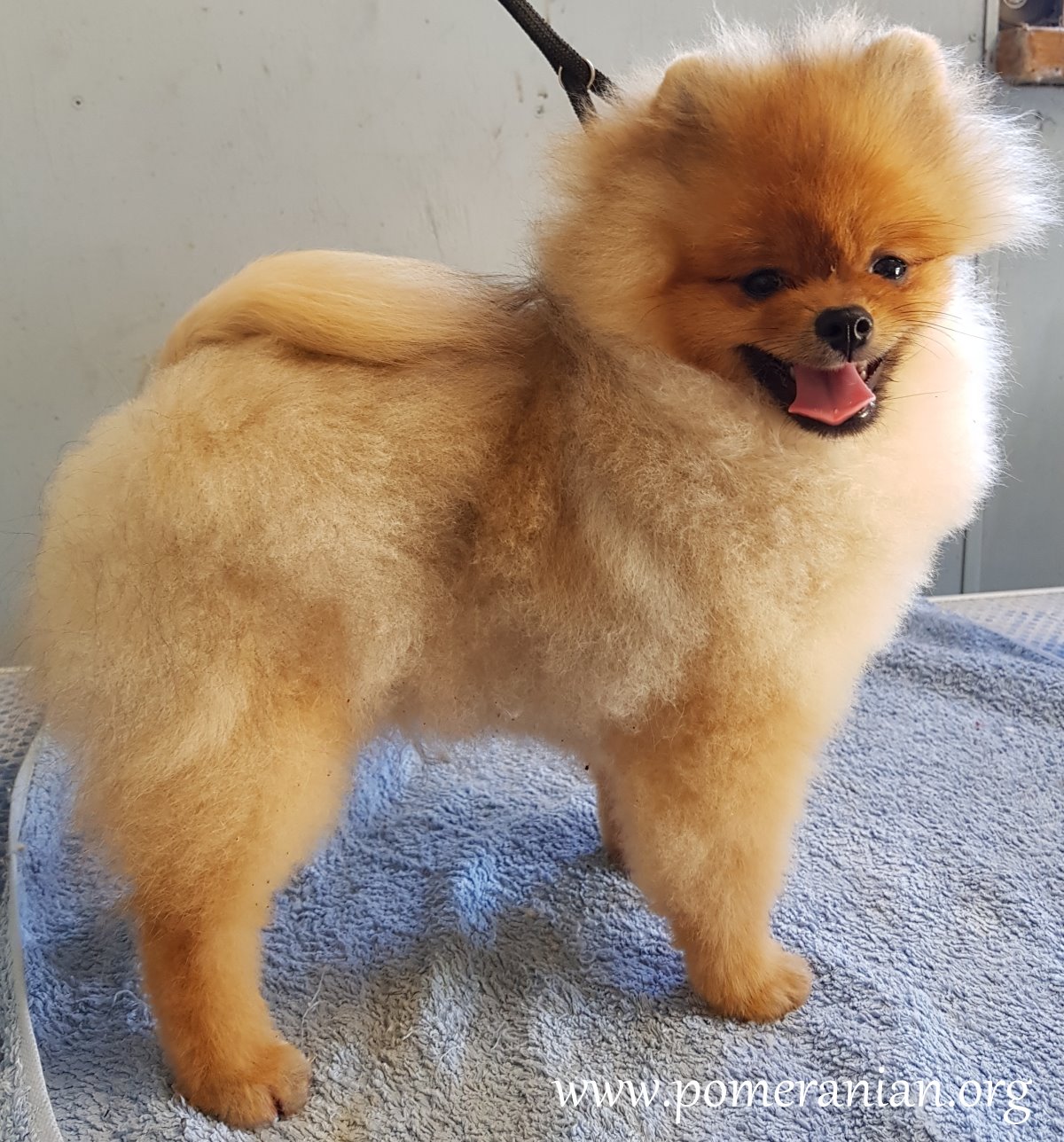
Stage 4: Developing Adult Coat — Approximately 6 to 12 Months
The adult undercoat and longer guard hairs gradually become more noticeable. The coat begins filling out around the body, chest, neck, and tail, although it may still look uneven.
By approximately 12 months, many Pomeranians have a recognizable adult coat. However, it will not necessarily have reached its full length, density, or maturity.
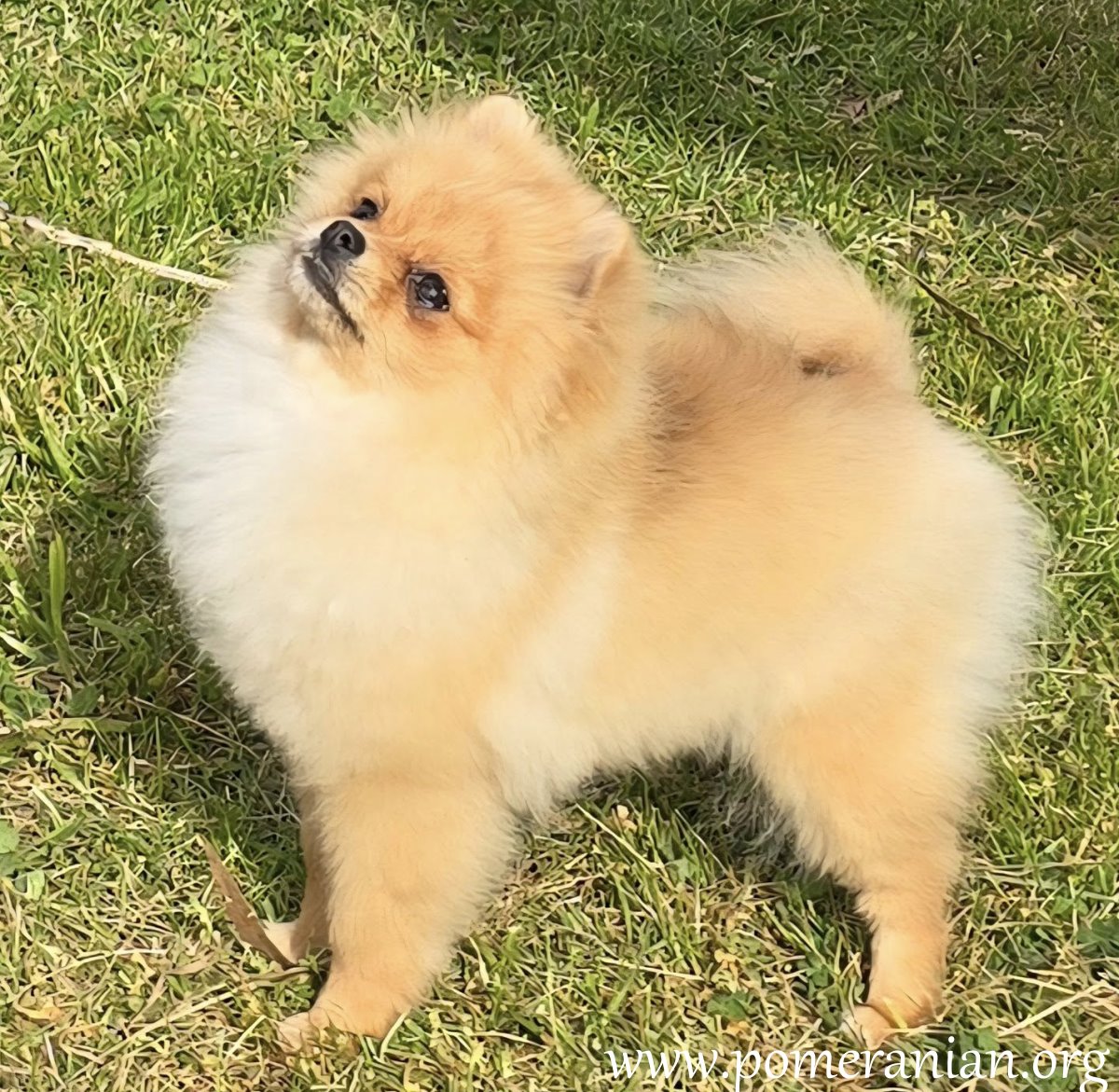
Stage 5: Junior Molt — Approximately 12 to 18 Months
Some Pomeranians experience another noticeable shedding between 12 and 18 months. I refer to this as the “junior molt.”
Owners may worry that their Pomeranian is losing the adult coat it has only recently developed. However, this can be another normal stage as the young adult coat is replaced and continues to mature.
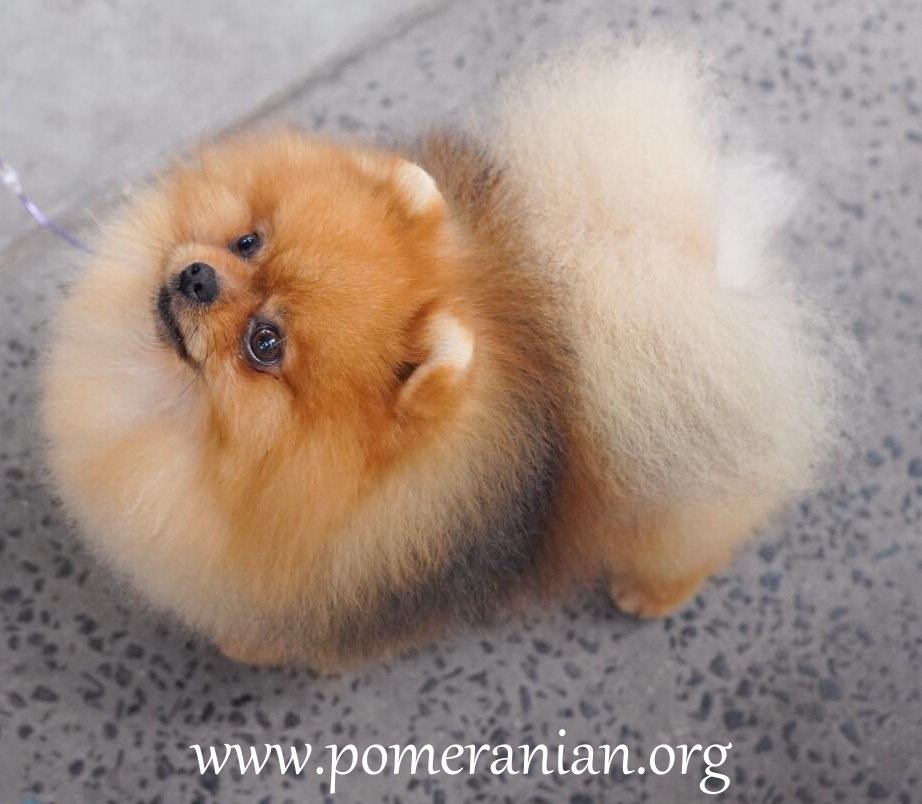
Stage 6: Maturing Adult Coat — Approximately 18 Months to 3 Years
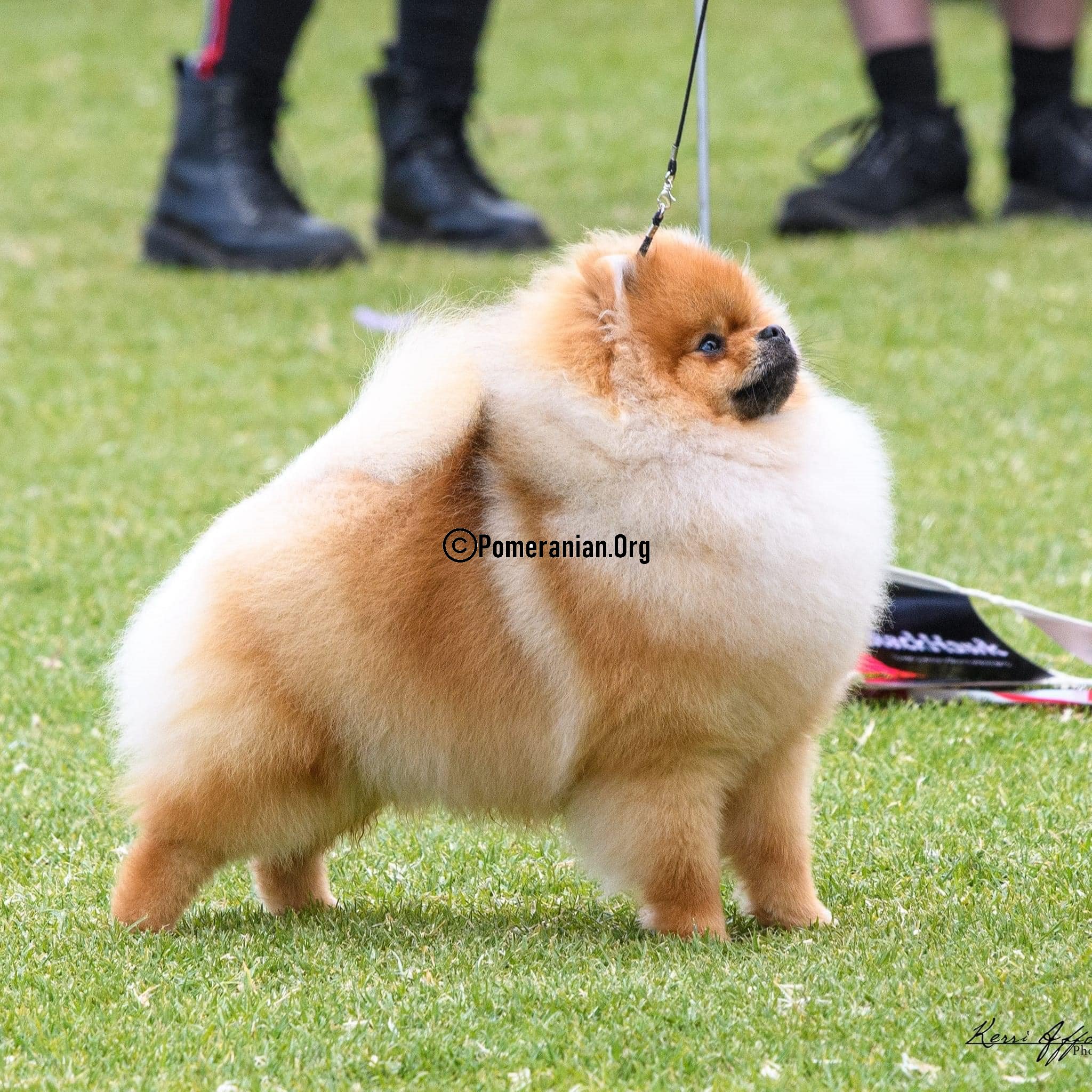
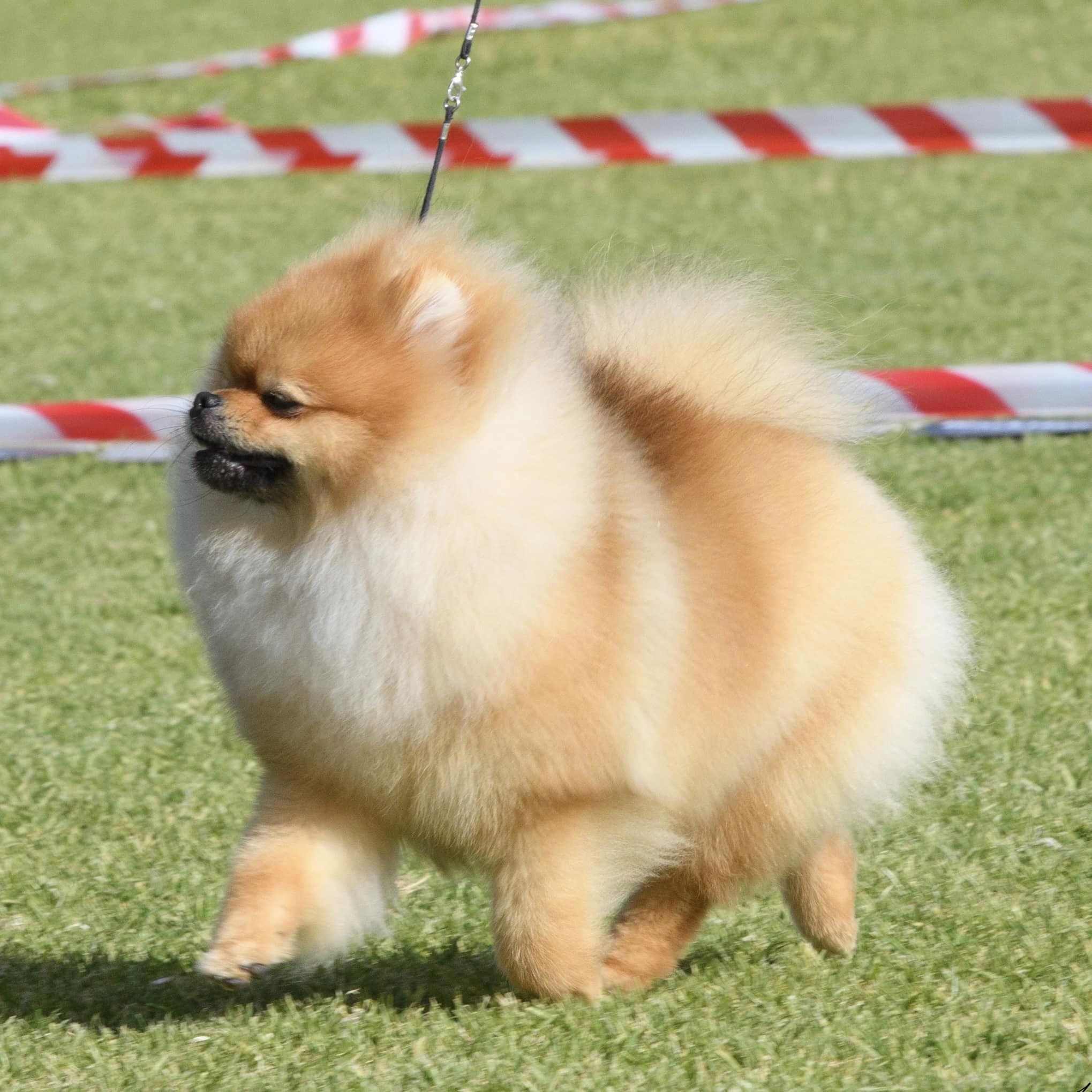
The Pomeranian’s adult coat continues to develop in length, texture, and density. The neck ruff, tail plume, trousers, and feathering may become more impressive during this period.
Many Pomeranians do not display their fully mature coat until they are approximately two to three years old.
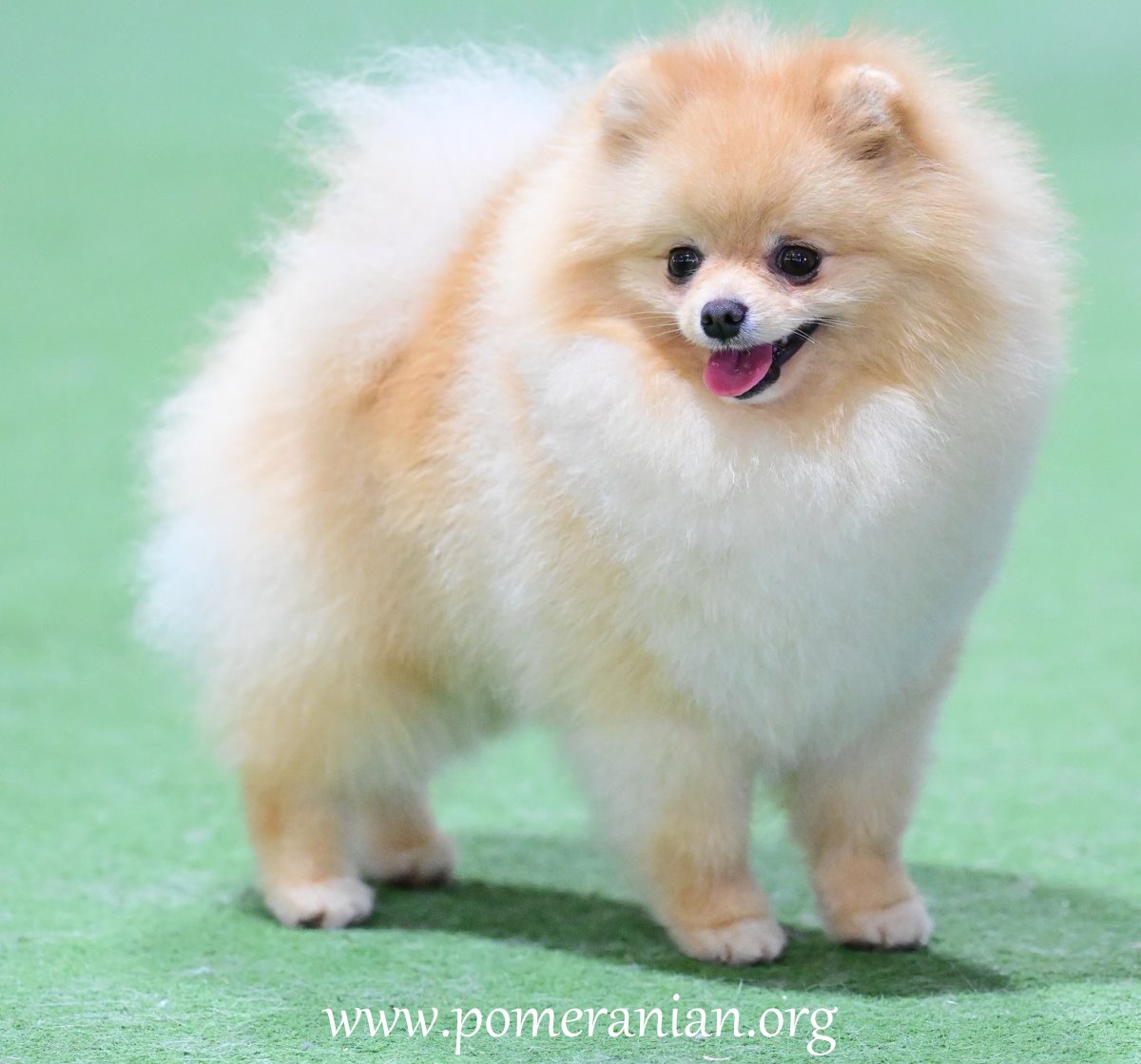
Stage 7: Mature and Senior Coat Changes
An adult Pomeranian will continue to shed and replace hair throughout life. Seasonal changes, hormones, health, climate, and reproductive status can affect the coat’s amount and appearance.
As a Pomeranian becomes older, the coat may gradually change in color, texture, or density. Senior dogs may carry less coat than they did during their prime years.
Remember: The Ages Are Only a Guide
There is no single timetable that applies to every Pomeranian. One puppy may begin shedding its puppy coat at three months, while another may retain a fluffy puppy appearance longer. Some puppies become very thin-coated during the puppy uglies, while others change so gradually that the transition is barely noticeable.
The most important considerations are that your puppy remains healthy, the skin looks normal, and new hair continues to develop. Bald areas, inflamed skin, persistent itching, or a coat that fails to regrow should be discussed with your veterinarian.
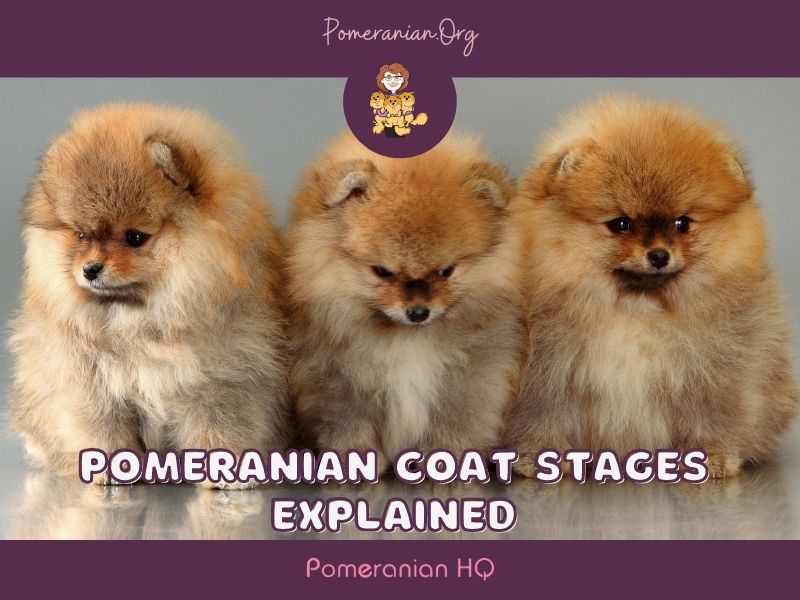
When Do Pomeranian Puppies Get Fluffy?
Most Pomeranian puppies have a soft, fluffy baby coat by approximately eight weeks of age. This puppy’s fur gives it its cuddly, rounded appearance, but it is very different from the mature double coat they will eventually develop.
The soft puppy coat usually begins changing between three and six months of age. During this transition, puppy fur may fall out faster than the adult coat grows, causing the puppy to look thin, patchy or shaggy. This normal stage is commonly known as the “Pomeranian puppy uglies.”
By approximately nine to twelve months, many Pomeranians have developed a recognizable adult coat. However, it may not yet have reached its full length, density or mature texture.
Most Pomeranians experience another noticeable coat shed between 12 and 18 months. I call this the “junior molt.” The coat will continue to mature after this stage, and many Pomeranians do not develop their full, glorious adult coat until they are approximately two to three years old.
These ages are only a general guide. Every Pomeranian is an individual. Some puppies change coat earlier, some later, and not every puppy passes through a dramatic puppy-ugly stage.
Postpartum Shedding in Female Pomeranians
Female Pomeranians often shed heavily after raising and weaning a litter. Hormonal changes associated with pregnancy, whelping, and lactation can cause much of the coat to enter the resting and shedding phases at around the same time.
A female may temporarily lose a considerable amount of undercoat and outer coat. This can be alarming, particularly when she previously carried a full, beautiful coat, but it is often a normal response following a litter.
The coat typically begins to recover as the normal hair growth cycle resumes. However, regrowth time varies between individual females and may take six months or longer. Nutrition, health, hormones, genetics and the time of year can all influence recovery.
Postpartum shedding should not cause sore, inflamed or intensely itchy skin. Consult your veterinarian if your Pomeranian develops completely bald areas, skin changes, excessive itching or fails to show signs of coat regrowth.
The Pomeranian Hair-Growth Cycle
After a Pomeranian has developed an adult coat, individual hairs continue passing through a natural cycle of growth, rest, shedding, and replacement.
Anagen: The Active Growth Phase
Anagen is the stage during which new hair actively grows. The eventual length, density, and texture of the coat are strongly influenced by genetics, as well as the dog’s health, hormones, age, and nutrition.
Catagen: The Transitional Phase
Catagen is a short transitional stage during which active hair growth slows and then stops. The hair follicle begins preparing for the resting phase.
Telogen: The Resting Phase
During telogen, the hair remains within the follicle but is no longer actively growing. Different hairs enter this resting phase at different times.
Exogen: The Shedding Phase
Exogen is the stage when an old hair is released from the follicle and shed. A new hair may then begin growing as the follicle returns to the anagen phase.
Because individual follicles are typically at different stages of the hair cycle, adult Pomeranians continually lose and replace some hair. Seasonal changes, hormones, illness, stress, and pregnancy may cause a larger number of hairs to enter the shedding phase together.
Understanding the Adult Pomeranian Double Coat
The correct adult Pomeranian coat has two distinct layers:
- A short, soft, and dense undercoat
- A longer, straighter, and harsher-textured outer coat
The dense undercoat supports the longer guard hairs, helping the coat stand away from the body. The outer coat forms the characteristic neck ruff, tail plume, feathering, and glamorous outline of a mature Pomeranian.
Light trimming to create a neat, tidy outline is acceptable, but a Pomeranian should not be shaved simply for convenience or appearance. Shaving removes the protective outer coat, exposes the skin, and may result in slow, uneven, or incomplete regrowth.
Clipping may occasionally be necessary for veterinary treatment, surgery, or severe matting. If your Pomeranian’s coat must be clipped, discuss the safest approach with your veterinarian or an experienced Pomeranian groomer.
Normal Coat Transition Versus Abnormal Hair Loss
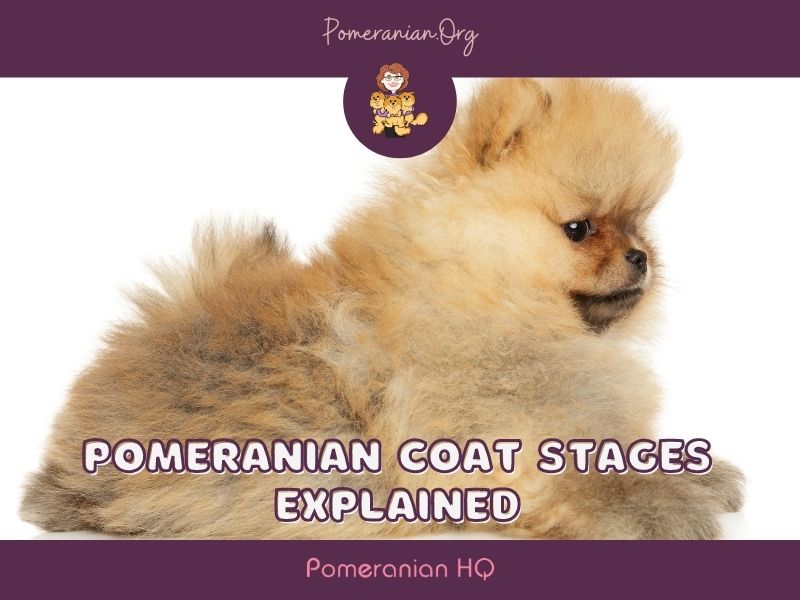
During a normal coat transition, a Pomeranian puppy may temporarily look thin, patchy, shaggy, or uneven as the soft puppy fur is replaced by the adult double coat. The skin should remain healthy, without redness, sores or severe itching, and new adult hair should gradually appear. Seasonal shedding, the junior molt, and coat loss after raising a litter can also be normal.
Abnormal hair loss may cause completely bald areas, symmetrical thinning, darkened or inflamed skin, sores, scaling, odor, or persistent scratching and chewing. Sudden coat loss in an adult Pomeranian, or a coat that fails to regrow, should not be automatically blamed on normal shedding. Ask your veterinarian to check for parasites, infections, allergies, hormonal disorders, nutritional problems, or alopecia.
Why Isn’t My Pomeranian Fluffy?
Not every Pomeranian carries the same amount of coat, and a temporarily flat or thin-looking coat does not necessarily mean something is wrong. Puppies, in particular, can look very different as they change from their soft baby fur to their adult double coat.
If your Pomeranian is still young, allow time for the coat to develop. Many Pomeranians do not display their fully mature coat until they are approximately two to three years old.
Several factors can affect how full and fluffy a Pomeranian’s coat appears.
Genetics
Genetics has a significant influence on coat length, density, texture, and quality. A Pomeranian is likely to inherit many coat characteristics from its parents and wider family.
Some Pomeranians naturally develop an exceptionally profuse coat, while others carry a shorter or less dense coat. Grooming can improve the appearance and condition of the coat, but it cannot change the coat quality a dog has inherited.
Age and Coat Development
A Pomeranian puppy may temporarily lose much of its fluff between approximately three and six months of age. During this normal transition, the soft puppy fur is shed before the adult guard hairs and undercoat have completely developed.
Much of the adult coat may be visible by approximately 12 months, but its length, texture, and density can continue to develop until the dog is two to three years old.
Older Pomeranians may also experience gradual changes in coat density, color, and texture.
Seasonal and Hormonal Shedding
Pomeranians naturally shed and replace hair throughout their lives. Seasonal changes may cause the undercoat to become thinner, particularly during warmer weather.
Hormonal changes can also have a dramatic effect. Females may lose a considerable amount of coat following a season or after raising a litter. The coat commonly recovers, but regrowth may take several months.
Diet and General Health
Healthy skin and coat depend on good overall nutrition. Feed a complete and balanced food appropriate for your Pomeranian’s age and health.
A nutritional deficiency can affect coat condition, but supplements will not turn a genetically lighter coat into a profuse one. Do not add vitamins, minerals or oils simply to make the coat grow faster without first seeking veterinary advice.
Grooming
The Pomeranian’s dense undercoat can become compacted, tangled or matted. When this happens, the outer coat may lie flat rather than stand away from the body.
Regular brushing and combing remove loose undercoat and help prevent mats. Work through the coat in small sections, brushing down to the skin rather than only smoothing the surface.
Bathing followed by thorough drying can also help separate and lift the coat. However, brushing and drying improve the presentation of the existing coat—they cannot create additional coat or change inherited texture.
Weather and Humidity
Weather can temporarily change the appearance of a Pomeranian’s coat. Humidity may cause the coat to look softer or flatter, while dry conditions can contribute to static, brittleness and dry skin.
Seasonal temperature changes can also affect how much undercoat a Pomeranian carries.
Shaving or Excessive Trimming
A shaved Pomeranian may develop slow, uneven, or incomplete coat regrowth. The soft undercoat may return before the longer outer guard hairs, leaving the coat looking flat, woolly or patchy.
A Pomeranian should not be shaved merely for convenience or appearance. Clipping may occasionally be necessary for veterinary treatment, surgery, or severe matting.
Health Problems
Sudden thinning, bald patches, or failure of the coat to regrow should not automatically be blamed on a normal coat stage.
Hair loss may be associated with:
- Fleas, mites, or other parasites
- Skin infections
- Allergies
- Hormonal disorders
- Nutritional deficiencies
- Alopecia conditions
- Recent illness, stress, or surgery
Arrange a veterinary examination if the coat loss is sudden, symmetrical, or accompanied by itching, sores, scaling, darkened skin, an unusual odor, weight loss, or reduced energy.
A healthy Pomeranian may naturally carry less coat than another Pomeranian. The most important considerations are healthy skin, proper coat care and your dog’s overall wellbeing—not simply how large or fluffy the coat appears.
How to Make a Pomeranian Fluffy
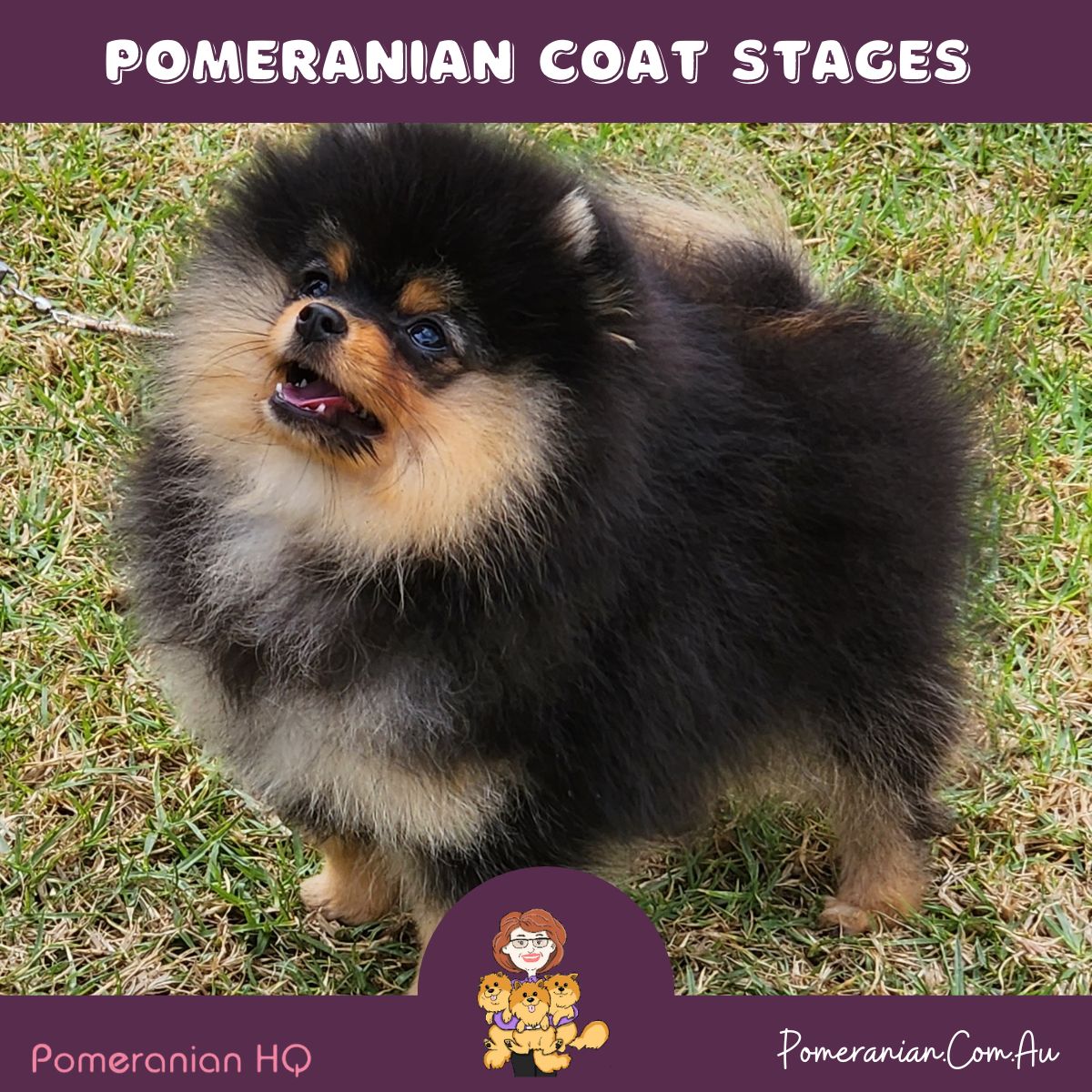
A Pomeranian’s beautiful, fluffy appearance comes from the combination of a dense undercoat and longer, harsher guard hairs that stand away from the body. Genetics determine the coat your Pomeranian is capable of growing, while good nutrition and correct grooming help that coat reach its natural potential.
No shampoo, supplement or grooming technique can create a profuse coat if the dog has not inherited the genetics for one. However, proper care can keep the existing coat healthy, clean, lifted and looking its best.
Genetics Determine Coat Quality
Genetics are the most important factor affecting the length, density, texture and abundance of a Pomeranian’s coat.
Some Pomeranians naturally develop extremely profuse coats with thick neck ruffs, heavy trousers and full tail plumes. Others inherit a shorter, softer or less dense coat. Puppies from heavily coated parents may be more likely to develop good coats, but even puppies from the same litter can mature very differently.
The coat may continue developing until a Pomeranian is two to three years old. Before deciding that a young dog will never become fluffy, allow sufficient time for the puppy coat, adult coat and junior moult stages to pass.
Grooming can make a naturally good coat look its best, but it cannot change inherited coat quality.
Feed a Complete and Balanced Diet
Good nutrition supports healthy skin and normal hair growth. Feed a complete and balanced diet appropriate for your Pomeranian’s age, size and health.
The diet should provide suitable amounts of:
- High-quality protein
- Essential fatty acids
- Vitamins and minerals
- Adequate calories
- Fresh water
Poor nutrition or an unbalanced homemade diet can contribute to a dry, brittle or thinning coat. However, feeding extra vitamins, minerals or oils will not create a heavier coat than your Pomeranian is genetically capable of growing.
Avoid adding multiple supplements in an attempt to make the coat grow faster. Excessive supplementation can upset the balance of an otherwise complete diet and may cause digestive or health problems. Ask your veterinarian before adding omega oils, vitamins or coat supplements.
Establish a Regular Grooming Routine
Regular grooming prevents the undercoat from becoming compacted and helps the longer outer hairs stand away from the body.
Brush your Pomeranian in small sections, working from the skin towards the ends of the coat. This is often called line brushing. Simply running a brush across the surface will not remove loose undercoat or find hidden tangles.
Pay particular attention to areas where mats commonly develop:
- Behind the ears
- Under the front legs
- Around the neck and chest
- Between the back legs
- Around the trousers
- Beneath the tail
Use a pin brush and a metal comb suitable for a small double-coated dog. After brushing each section, gently check it with the comb to ensure there are no remaining knots.
Lightly misting the coat with an appropriate grooming spray can help reduce static and breakage. Avoid repeatedly brushing a completely dry, dirty coat.
Bathing and Drying Create a Fluffy Finish
A clean, thoroughly dried coat will usually appear much fuller than a dirty, oily or compacted coat.
Use a mild, pH-balanced dog shampoo and rinse extremely well. Any shampoo remaining in the coat can irritate the skin and make the fur feel heavy or dull.
After bathing, gently squeeze excess water from the coat rather than rubbing vigorously with a towel. Dry the coat completely while carefully brushing it in sections. Drying against the natural direction of the hair can help lift and separate the undercoat and guard hairs, creating the characteristic fluffy Pomeranian appearance.
Never leave the dense undercoat damp. Moisture trapped close to the skin can encourage tangles, odour and skin irritation.
Remove Loose Undercoat Without Stripping the Coat
During heavier shedding periods, loose undercoat may remain trapped beneath the outer coat. This can make the coat look flat, uneven or untidy.
Remove loose hair gently with suitable grooming tools. Avoid aggressive de-shedding tools, blades or harsh rakes that cut or damage the outer guard hairs. Over-grooming can remove too much undercoat and make the coat look thinner rather than fluffier.
Avoid Shaving
A Pomeranian should not be shaved simply to make grooming easier or to keep the dog cool. Shaving removes the protective outer coat and can result in slow, patchy or uneven regrowth.
Light trimming around the feet, ears and outline may create a neater appearance, but excessive trimming cannot improve the natural quality of the coat.
Have Coat Changes Investigated
If an adult Pomeranian suddenly loses its coat, develops bald patches, or fails to regrow its coat after shedding, grooming alone will not solve the problem.
Consult your veterinarian if coat changes are accompanied by:
- Itching or chewing
- Red, sore, or darkened skin
- Scaling, scabs, or an unusual odor
- Symmetrical hair loss
- Changes in weight or energy
- Little or no coat regrowth
The best way to make a Pomeranian look fluffy is to work with the coat the dog has inherited. A complete diet, good health, and patient, correct grooming will help that coat reach its fullest and most beautiful natural condition.
Conclusion:
Final Thoughts on Pomeranian Coat Stages
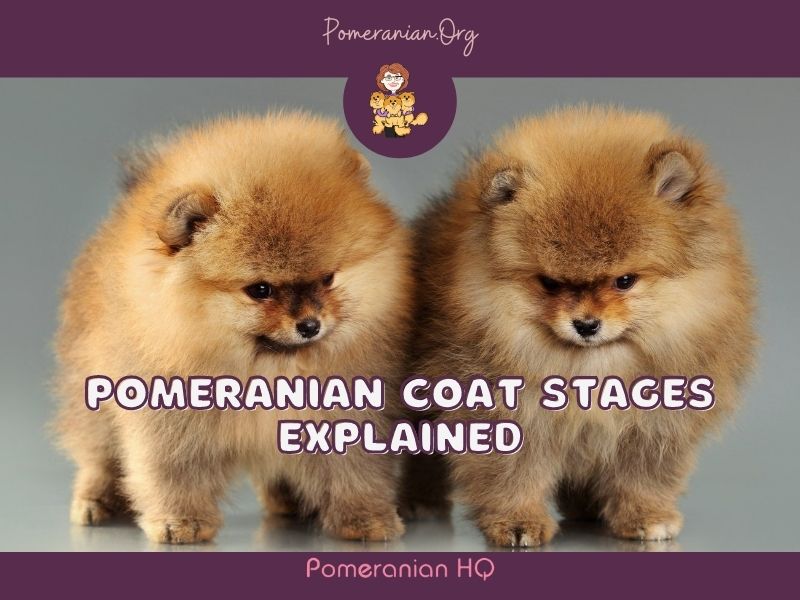
A Pomeranian’s coat changes considerably from puppyhood to adulthood. The soft, fluffy baby coat is gradually replaced by the breed’s characteristic double coat, consisting of a short, dense undercoat and longer, harsher guard hairs.
During more than 50 years of breeding and exhibiting Pomeranians, I have watched many beautiful puppies pass through a stage when their coats looked thin, uneven, or completely unlike their eventual adult coats. Some youngsters change quickly, while others take considerably longer. The puppy uglies are usually a normal part of development and are not an indication of how attractive the mature Pomeranian will become.
Every Pomeranian is an individual. Some puppies experience a dramatic coat change, while others move smoothly from puppy fur into their adult coat. Much of the adult coat may be visible by approximately 12 months, but its length, density, and texture can continue to develop until a Pomeranian is two to three years old.
Genetics determines the type and amount of coat a Pomeranian can grow. A complete and balanced diet, good health, and correct grooming will help that coat reach its natural potential, but no shampoo, supplement, or grooming technique can create coat quality the dog has not inherited.
Be patient as your puppy develops, and avoid comparing their coat too closely to that of another Pomeranian of the same age. Concentrate on healthy skin, suitable nutrition, and gentle, regular grooming.
Although temporary thinning can be a normal part of development, completely bald areas, inflamed skin, persistent itching or failure to regrow coat should be examined by your veterinarian. The health and comfort of your Pomeranian will always be more important than the amount of coat they carry.
Copyright Pomeranian.org. All Rights Reserved.
📚 References & Further Reading
- [1] AKC Pomeranian Breed Standard (2011)
- [2] English Kennel Club Breed Standard
- [3] The Pomeranian Handbook – Denise Leo
- [4] Denlinger, The Complete Pomeranian
- [5] Kimbering, 1891–1991
- [6] Taplin, The Sportsman’s Cabinet
- [7] Parker, The Popular Pomeranian
- [8] Ives, Show Pomeranians