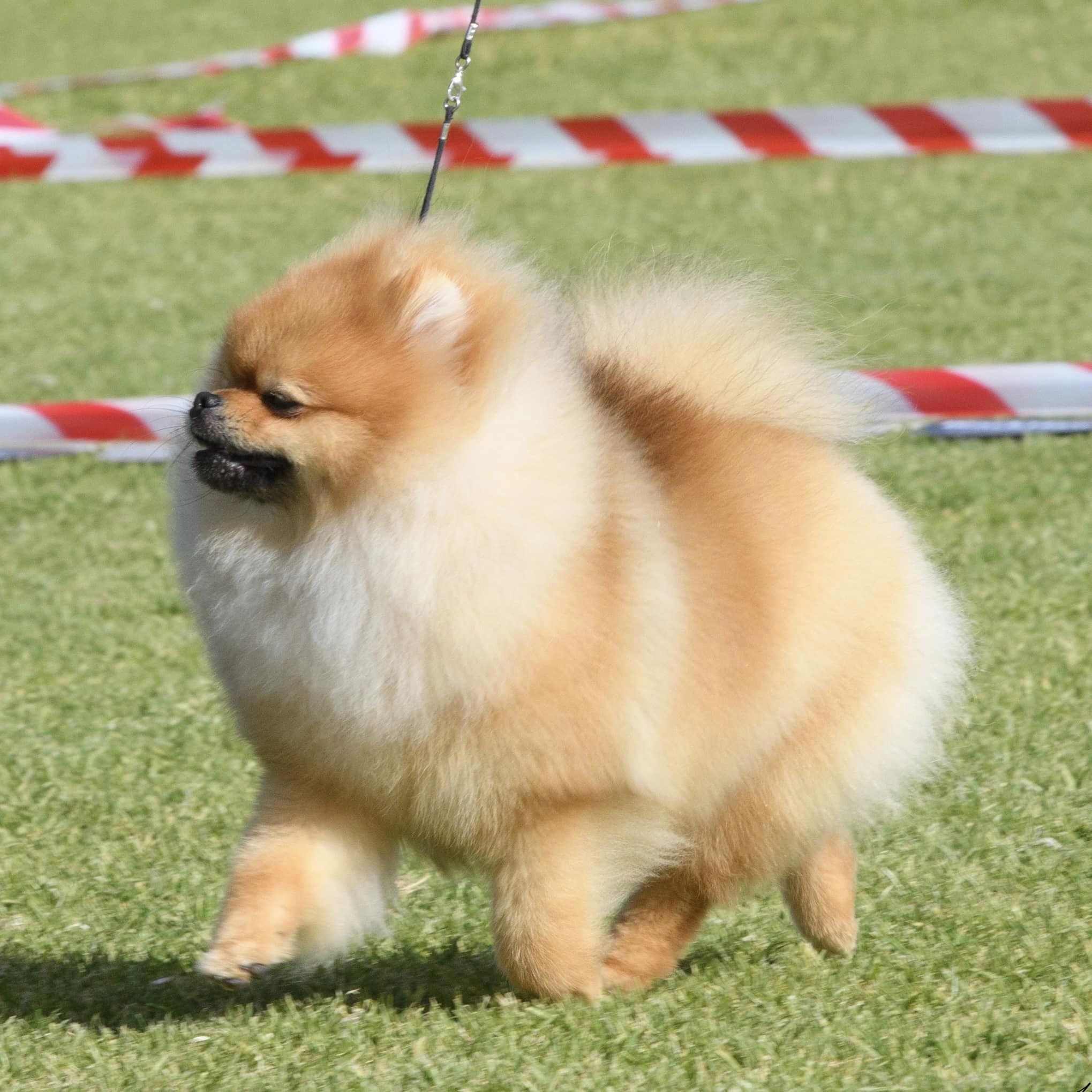

Expert guidance is provided by Denise Leo, a world-renowned Pomeranian breeder with over 50 years of experience, and veterinarian Dr. Muqeet Mushtaq, a specialist in animal breeding and genetics. Together, they provide practical, reliable advice to help you protect your Pomeranian from fleas and maintain a healthy, happy companion.
Discover how to safely protect your Pomeranian from fleas with spot-on treatments, including natural home remedies, dosage guidelines, and environmental safety considerations.
🐾 Quick Answer: Safe Flea Treatments for Pomeranians
The safest flea treatments for Pomeranians are vet-approved products dosed correctly for your dog’s exact weight and age.
Because Pomeranians are tiny dogs, overdosing flea products can be dangerous. Always avoid using flea treatments designed for larger breeds.
Spot-on treatments, oral medications, flea shampoos, and environmental flea control can all help protect your Pom safely when used correctly.
Why Flea Control Matters for Pomeranians
Pomeranians are prone to delicate skin and sensitive reactions. Ensuring proper flea control is essential—not just for your pup’s comfort, but for their health and wellbeing.
The Hidden Risks of Flea and Tick Preventatives
Flea and tick preventatives are important for protecting your Pomeranian, but they must be used with caution. These products are, at their core, pesticides—poisons designed to kill parasites without harming the host. While effective at controlling fleas and ticks, misuse or overuse can put your dog’s health at risk.
Because Pomeranians are a small breed, even minor dosing errors can have serious consequences. Side effects may include skin irritation, vomiting, lethargy, or, in rare cases, neurological symptoms and death. Understanding how to apply preventatives correctly and monitoring your Pom closely will help keep them safe while still benefiting from parasite protection.
Safety Checklist for Using Flea and Tick Preventatives
- Choose the right product for your Pom’s weight and age. Never use a product intended for larger dogs or cats.
- Follow dosage instructions exactly. Do not split doses between pets or give treatments more often than recommended.
- Consult your veterinarian first. Especially if your Pomeranian is very young, elderly, or has pre-existing health issues.
- Monitor for side effects. Watch for signs such as drooling, itching, lethargy, or behavioral changes after applying the product.
- Be mindful of the environment. Dispose of packaging properly and avoid letting treated hair or residue contaminate waterways or bird nesting areas.
By treating flea and tick preventatives as the potent chemicals they are, you can protect your Pomeranian safely, reduce risks, and still enjoy the peace of mind that comes from knowing your dog is protected from parasites.
⚠ Symptoms of Flea Treatment Reactions in Pomeranians
Although many flea treatments are considered safe when used correctly, some Pomeranians may experience adverse reactions. Because Pomeranians are a very small toy breed, even a slight overdose or incorrect product choice may cause serious side effects.
Puppies, elderly dogs, underweight Pomeranians, and dogs with underlying health conditions may be at greater risk of complications. Reactions can occur within minutes or may take several hours to appear after applying a spot-on flea treatment or administering oral flea medication.
If your Pomeranian shows unusual symptoms after flea treatment, contact your veterinarian immediately. Severe reactions can become life-threatening very quickly in tiny dogs.
🚨 Important Safety Warning
Never use flea treatments intended for larger dogs on a Pomeranian. Tiny dogs can absorb excessive amounts of active ingredients very quickly. Always weigh your dog accurately before treatment and carefully follow veterinary advice and manufacturer instructions.
Spot-On Treatments: How They Work and What to Watch Out For
How Spot-On Treatments Work
Spot-on products are topical solutions applied directly to the skin—typically between the shoulder blades—where they spread through the coat’s natural oils to kill fleas and ticks on contact or disrupt their life cycle.
Safety First
Always consult your veterinarian—preferably one familiar with your Pomeranian’s breed—for guidance on treatment type, dosage, and frequency.
Choosing the Right Treatment for Your Pomeranian
Weight-Based Dosage
Accurate dosing is crucial, especially for small breeds like Pomeranians. Never split one dose between multiple dogs—this risks overdose or underdose.
Age & Breed Considerations
Not all products are suitable for puppies, senior dogs, or those with health conditions. Always check labels and consult with a veterinarian for approval.
Potential Skin Irritation
While modern formulas are designed to be gentle, be aware of potential reactions, such as redness, itching, or irritation, after application.
Flea-Safe Shampoos
Using a flea and tick shampoo is an effective supplement to spot-on treatments. Choose a cat-safe or kitten-safe formula for Pomeranians—these tend to have milder, more suitable ingredients.
Diatomaceous Earth (DE): Home Flea Control
Sprinkle food-grade DE on carpets, pet bedding, and dry lawn areas (avoid moisture) to help eradicate fleas in your home and environment. Do not apply directly to your dog.
Seasonal & Lifestyle-Based Flea Strategy
Don’t Over-Treat
If your Pomeranian stays mostly indoors, your home is clean, and there are no signs of fleas, extra spot-on treatments may be unnecessary.
Seasonal Adjustments
You may reduce or pause treatments during the cooler winter months when fleas are less active.
🌿 Safer Flea Control Options & Reducing Environmental Impact
In recent years, veterinarians and environmental experts have raised concerns about the widespread use of chemical spot-on flea treatments. Some active ingredients may enter waterways during bathing or swimming and can potentially affect aquatic life and beneficial insects.
Because of these concerns, many veterinarians now recommend considering alternative flea prevention methods when suitable for your dog’s lifestyle, health, and flea exposure risk.
💊 Oral and Injectable Flea Prevention
Oral flea medications and injectable flea prevention products are becoming increasingly popular alternatives to traditional spot-on treatments. These products work internally rather than sitting on the skin and coat.
For some Pomeranians, oral treatments may reduce the risk of skin irritation, oily coats, or accidental transfer of chemicals onto furniture, children, or other pets after application.
However, not every flea product is suitable for every dog. Tiny breeds such as the Pomeranian may be more sensitive to certain medications, especially puppies, elderly dogs, or dogs with neurological conditions or seizure histories.
Always discuss the safest option for your Pomeranian with your veterinarian before changing flea prevention products.
🐾 Important Reminder
The best flea prevention program is not necessarily the strongest chemical product. Your Pomeranian’s age, size, health status, environment, and lifestyle should always be considered before selecting flea control products.
🌎 How to Reduce Environmental Contamination
Responsible flea prevention also means thinking about the environment. Chemical residues from spot-on treatments can wash into drains, rivers, and waterways during bathing or swimming.
Treated pet hair may also end up in bird nests, exposing wildlife to pesticide residues. Small steps can help reduce this environmental impact while still protecting your dog from fleas.
In many cases, combining sensible environmental management with appropriate veterinary-approved flea prevention can reduce the need for excessive chemical exposure while still keeping your Pomeranian comfortable and protected.
Quick Reference: Flea Treatment Options
Spot-On – Fast-acting, convenient, but requires precise dosing and has some environmental concerns.
Cat/Kitten Shampoos – Gentle and safe for Poms, but may require frequent baths.
Diatomaceous Earth (DE) – Natural home treatment, effective only when dry; not for direct pet use.
Oral/Injectable Medications – Lower environmental impact, must be vet-prescribed.

- EFFECTIVE FLEA AND TICK PREVENTION FOR DOGS: These dog flea and tick treatment drops effectively repels fleas, ticks, mosquitoes, lice, flea eggs, flea larvae, and prevents the development of flea pupae, preventing and eliminating existing pests, providing comprehensive pest defense. One monthly application keeps your dog protected and enjoying worry-free, intimate moments
- FAST-ACTING, 6-MONTH SUPPLY: No prescription required! These flea treatment dogs contain 6 tubes of topical dog flea drops, each dose provides fast-acting protection for up to 30 days. Offers up to 6 months of continuous protection in total. The powerful formula works quickly within 24 hours, dispersing and covering pet’s entire body through skin oils to provide comprehensive protection
- VET-RECOMMENDED FORMULA: Our dog tick and flea treatment drops trusted by veterinarians and designed for home use without a vet visit to effectively help prevent flea and tick disturbances. Professional-grade protection, providing reliable protection and continuous care for your dog. We are committed to providing affordable, veterinary-grade quality solutions without the expensive “brand premiums”
- BREAKS THE FLEA LIFE CYCLE: Unlike other flea treatment for dogs that may temporarily suppress flea activity, our flea and tick prevention for small dogs repels flea eggs and larvae directly, thereby completely stopping their breeding and breaking the flea and tick life cycle. Apply directly to the skin at the back of the neck, it penetrates through the coat to eliminate pests and protect your pet
- SAFE, EASY, & WATER-RESISTANT: This topical tick and flea prevention for dogs drop is designed for small dogs 8 weeks and older weighing 5–22 lbs. Safe for all breeds and easy to use. Water-resistant 24 hours after application, your pet’s protection won’t be affected by rain or water activities. This feature brings convenience to pet owners who live with active dogs or live in rainy climates
Final Tips for Pom Parents
- Always consult your vet before starting any flea treatment.
- Apply spot-on products where your dog can’t lick, and wash your hands after use.
- Vacuum regularly and wash bedding in hot water.
- Watch your Pom closely for any unusual reactions.
- Stay informed about safer, eco-friendly flea-control solutions.
Flea prevention is important, but for tiny breeds like the Pomeranian, safety must always come first. The best flea treatment is not necessarily the strongest product — it is the safest option correctly matched to your dog’s age, weight, lifestyle, and health needs.
🐾
Written by Denise Leo, Pomeranian breeder, exhibitor, and ANKC Championship Show Judge with over 50 years of experience.
🩺
Health content reviewed in collaboration with veterinarian Dr. Muqeet Mushtaq.

Please note: while I do discuss health, care, and behavioral issues, you should never use this information as a replacement for advice from qualified veterinarians, diagnoses, or recommended treatment regimes. If you have any worries about the health of your Pomeranian, your first contact should be your regular vet or, if you don’t yet have one, a vet that works locally. Never ignore or avoid treatment and advice from your vet because of a piece of information you have read on any website.
Copyright Pomeranian.Org. All Rights Reserved.
References and Further Reading:
[1] Denise Leo, “The Pomeranian Handbook”.