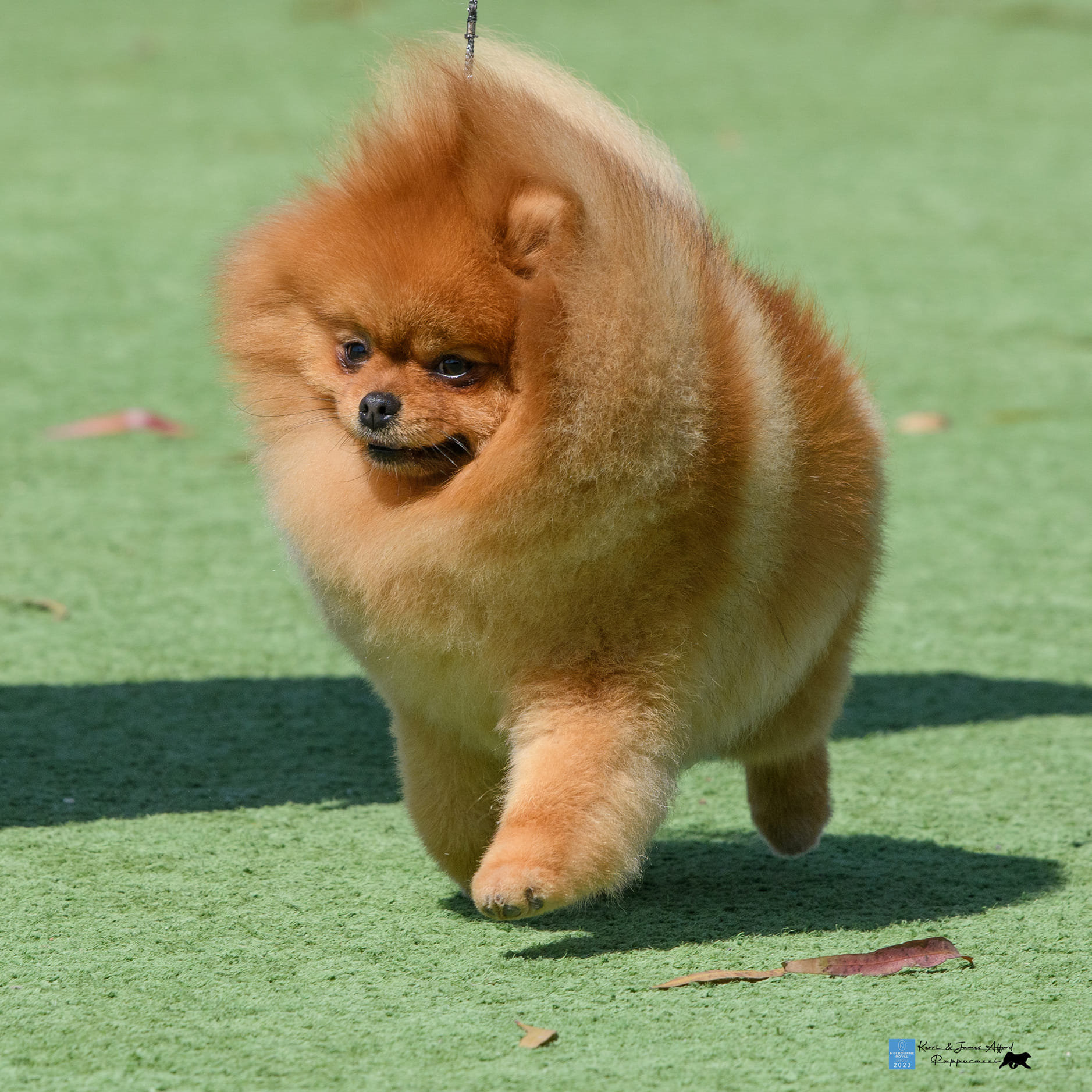

Few dog breeds are as instantly recognizable as the Pomeranian. Known for their luxurious double coat, lively personality, and intelligent expression, Pomeranians have been treasured companions for generations.
One term often used by owners is “Fox Face Pomeranian.” While this description is widely recognized, it can also create confusion. Is a Fox Face Pomeranian a separate type of Pom? Is it rare? And does it differ from the increasingly popular Teddy Bear Pomeranian?
In this article, we’ll explore the truth behind the Fox Face Pomeranian, explain what the breed standard actually describes, and help you understand why the classic fox-like expression remains an important feature of the breed.
🦊 What Are Fox Face Pomeranians?
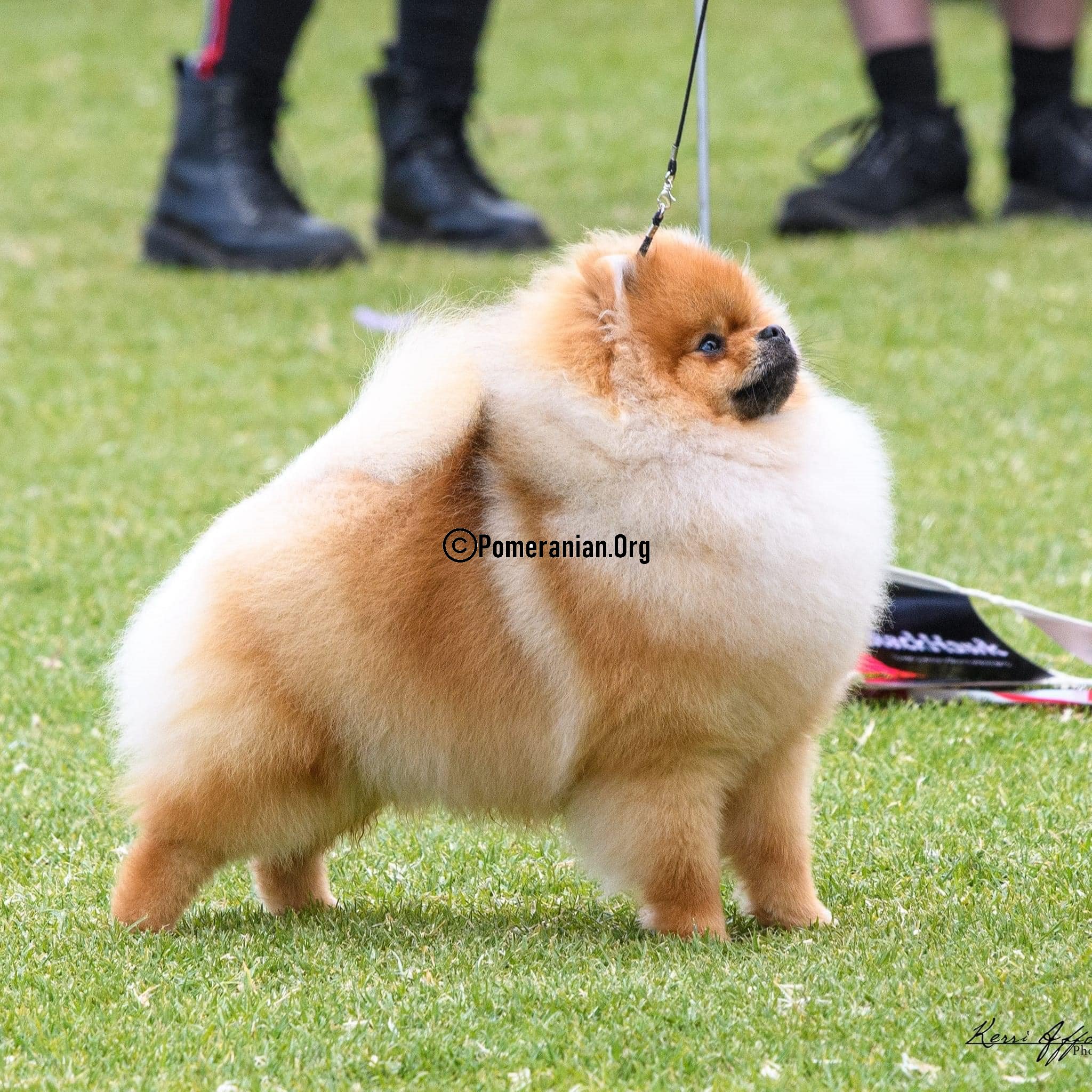
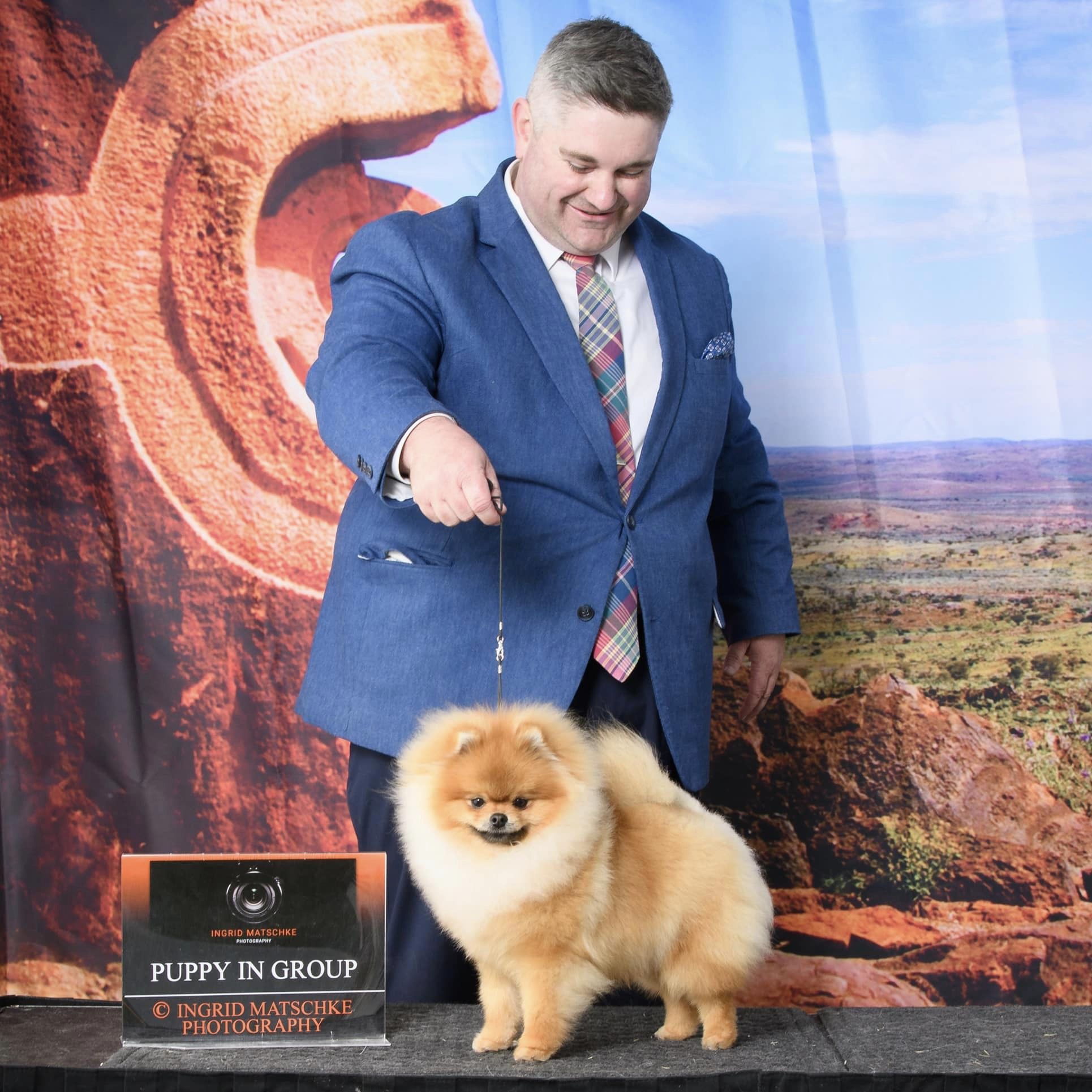
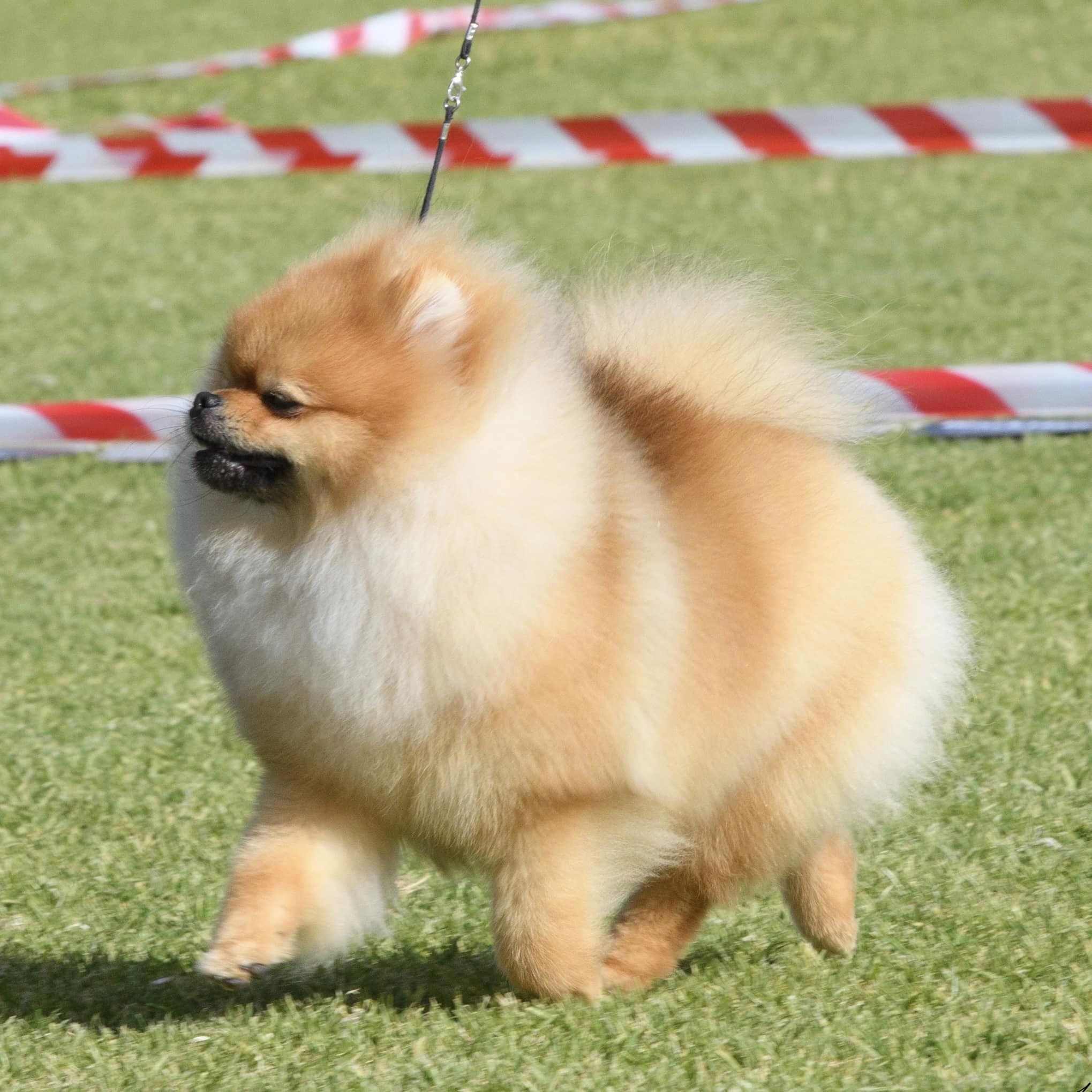
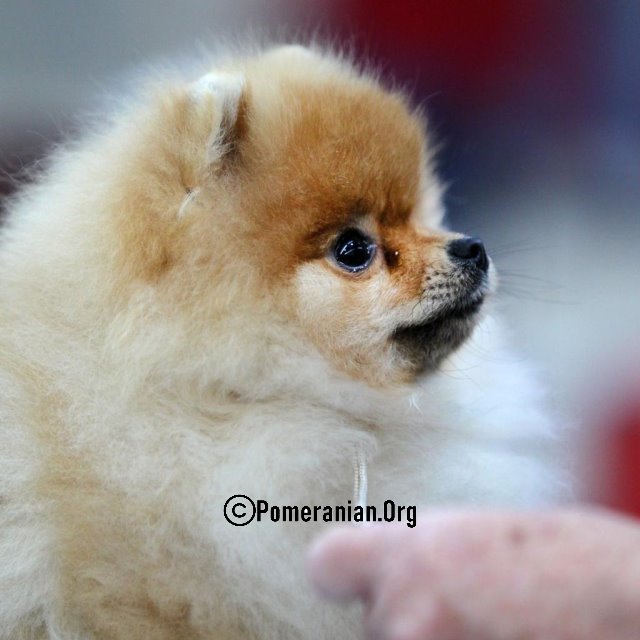
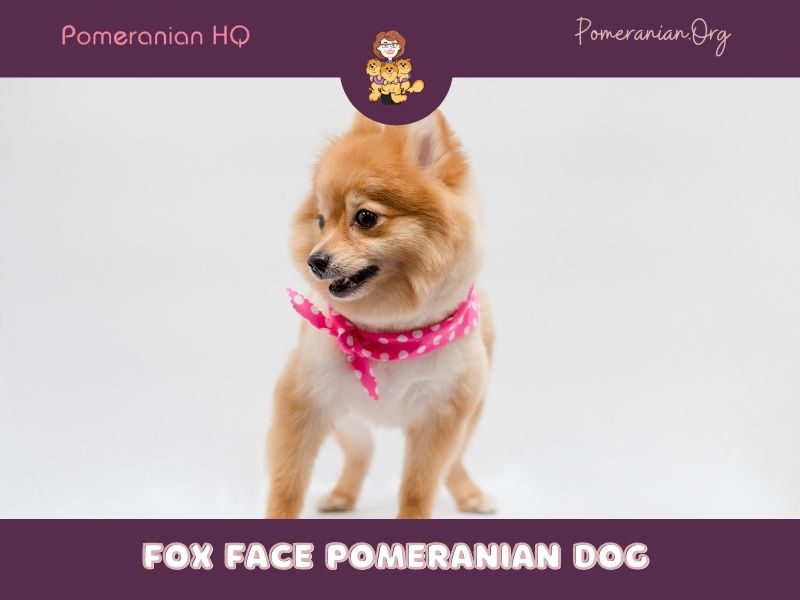
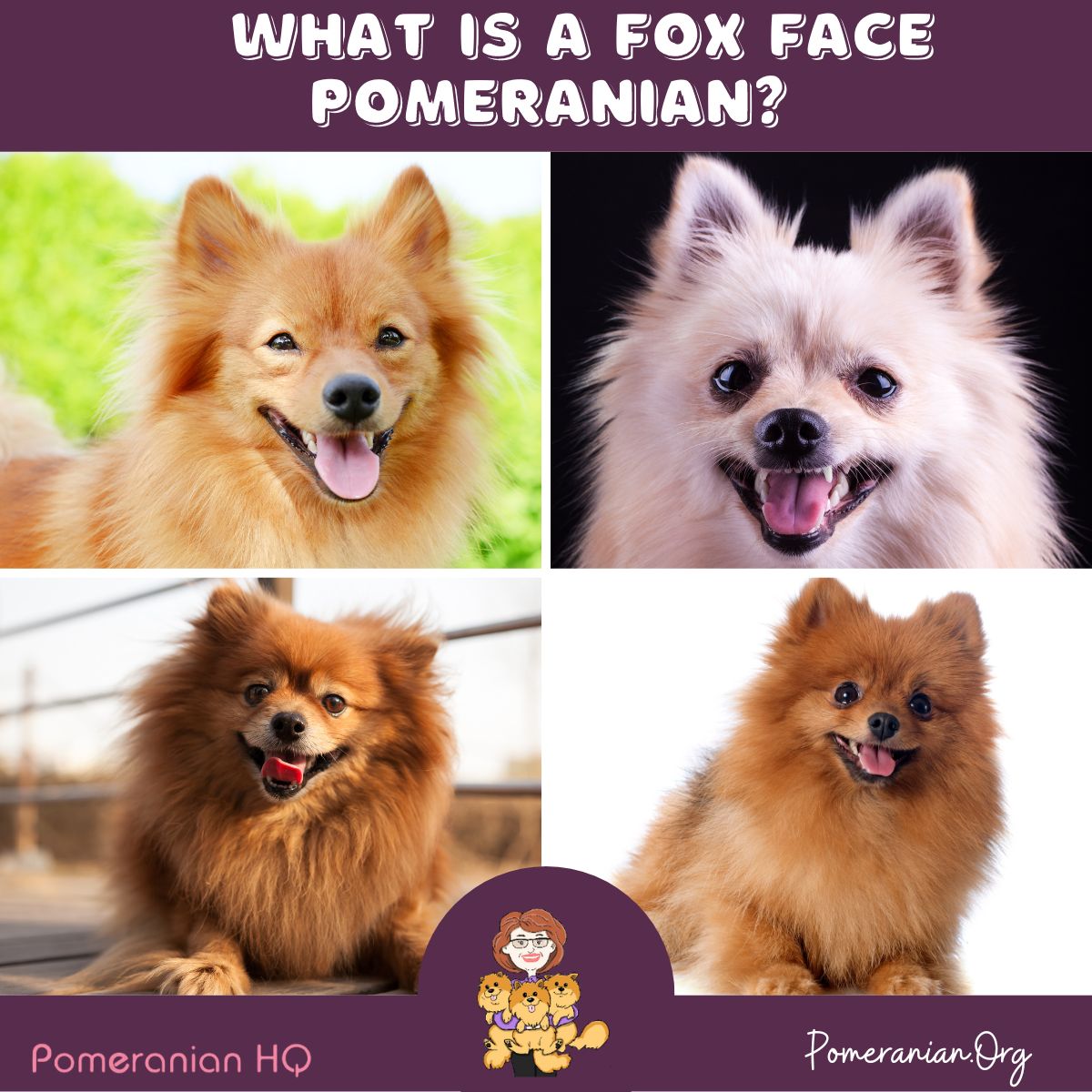
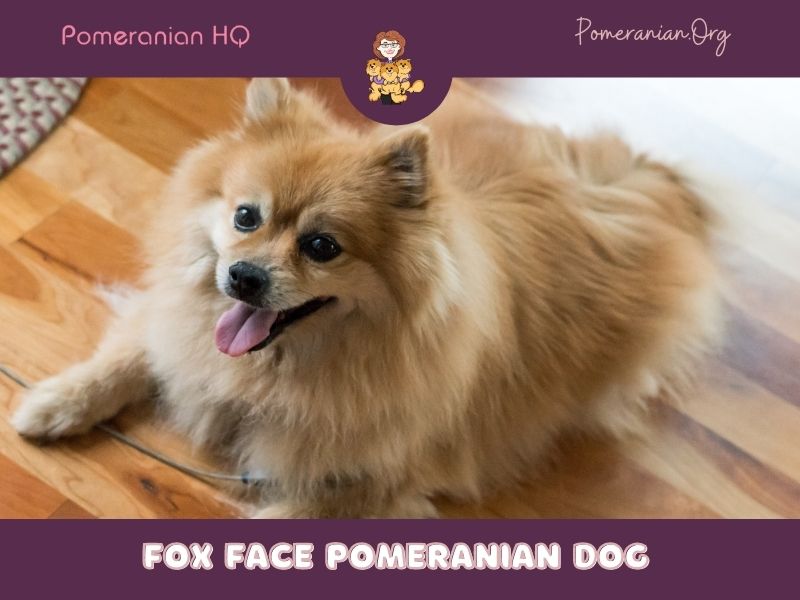
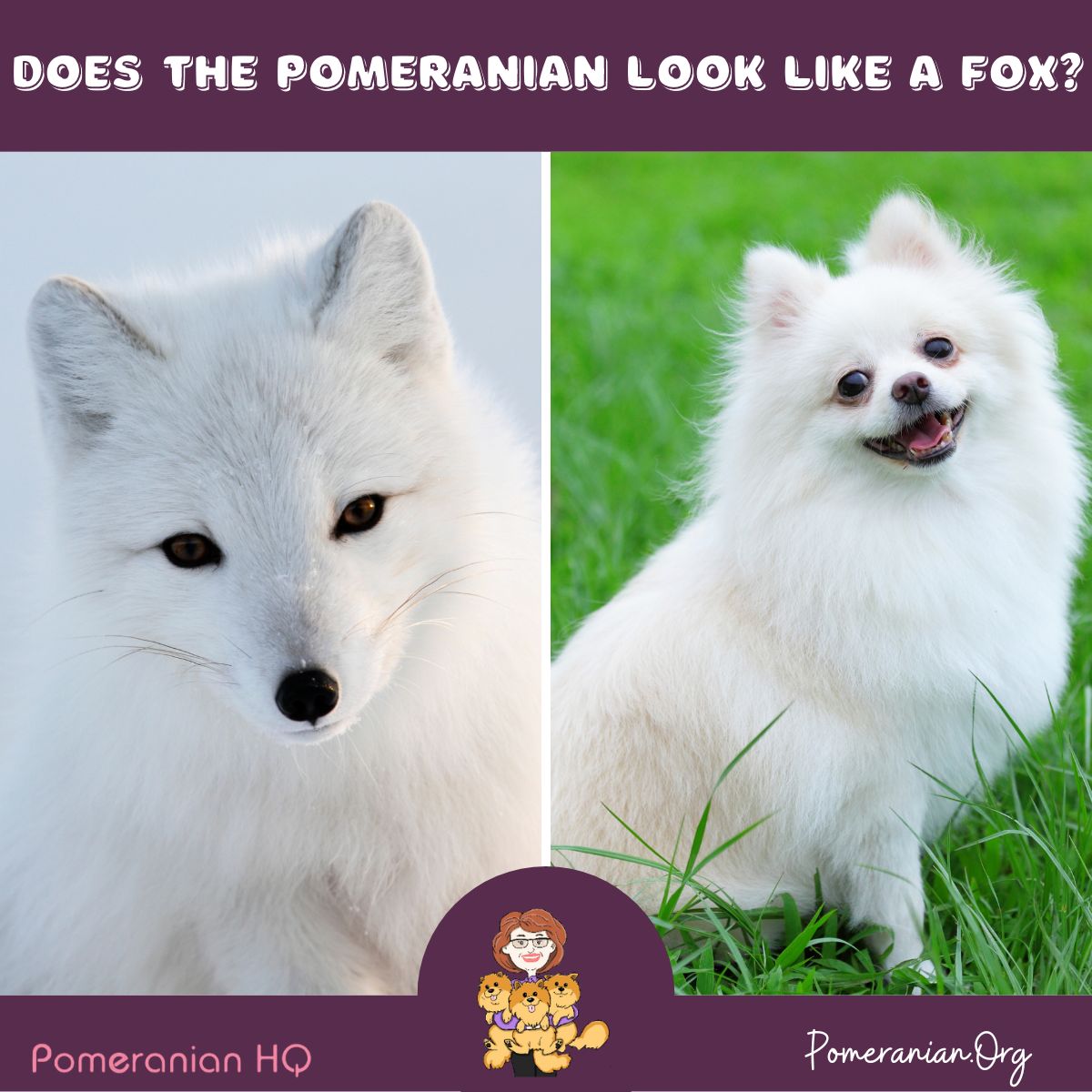
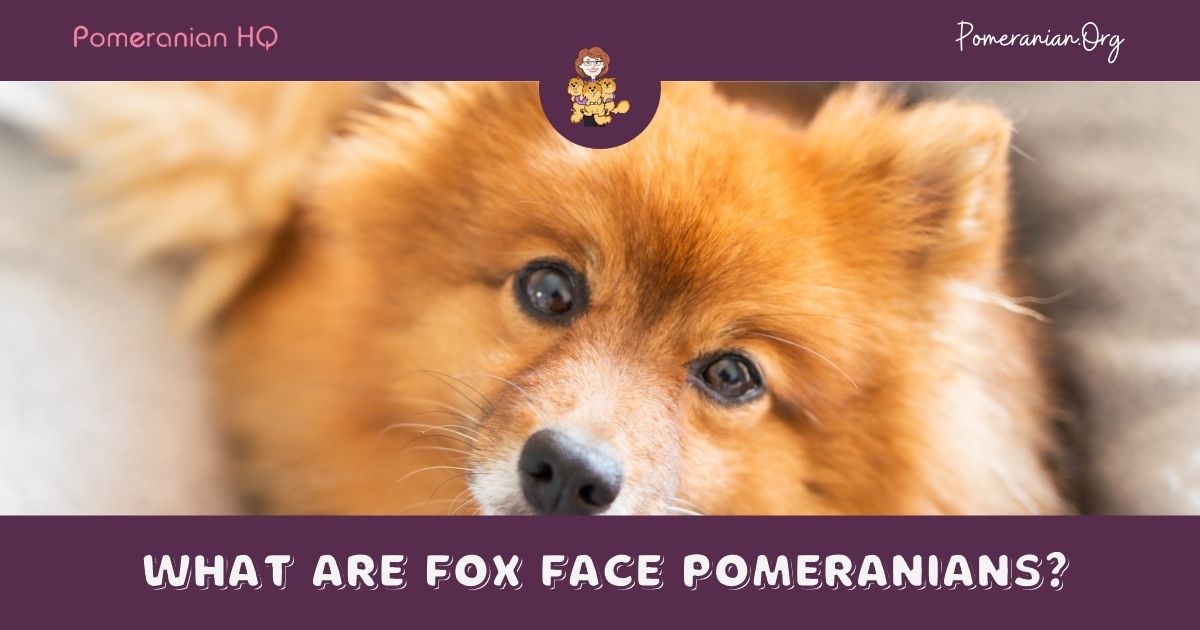
Many people hear the term “Fox Face Pomeranian” and assume it describes a Pomeranian with an unusually long nose. In reality, the term refers to a Pomeranian displaying the breed’s characteristic fox-like expression and a head that is foxy in outline.
It is important to understand that there is only one recognised Pomeranian breed. Terms such as Fox Face, Teddy Bear Face, and Baby Doll Face are informal descriptions used by owners and breeders to describe different facial appearances. They are not official breed varieties.
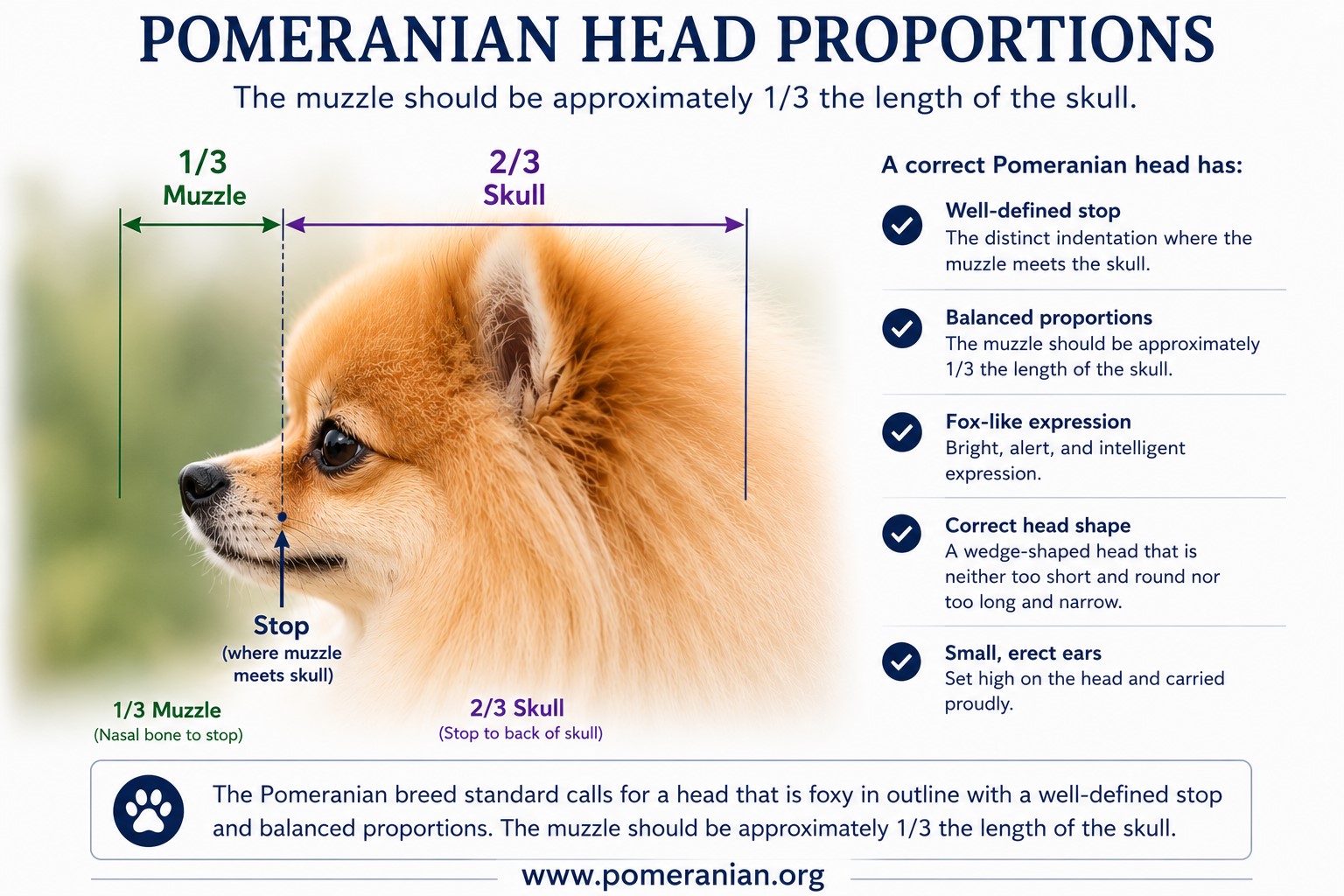
The official Pomeranian breed standard describes the head as having a fox-like expression, with a muzzle approximately one-third the length of the skull and a well-defined stop.
A correctly bred Pomeranian should have a bright, intelligent expression, dark eyes, small ears, and balanced head proportions. The ideal head is neither excessively long nor overly short, but displays the alert fox-like appearance that has characterised the breed for generations.
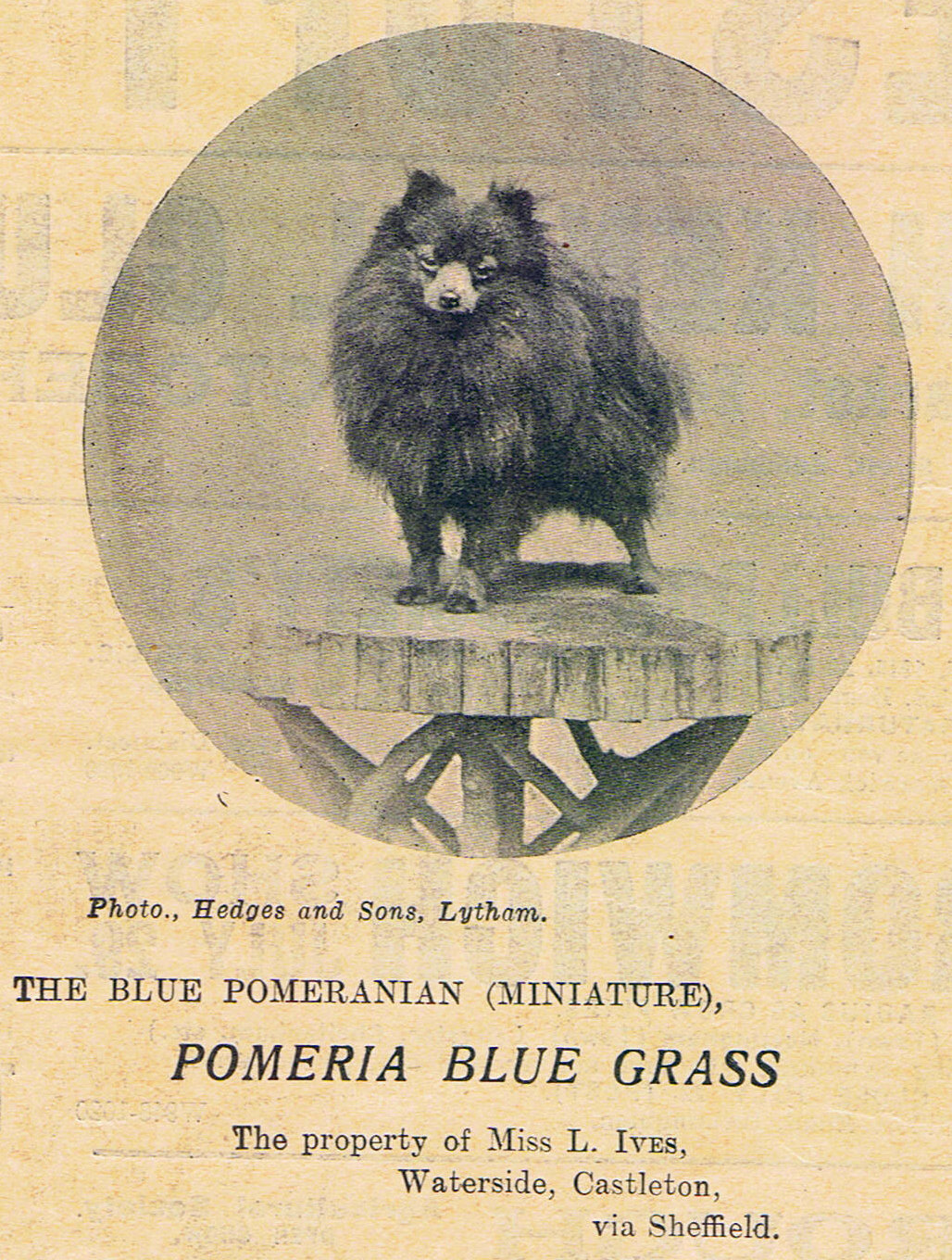
In the breed’s early days, Pomeranian standards used the terms “Fox Face” or “Fox-Like Appearance” to describe the Pomeranian’s head.
A fox-like expression and foxy in outline are called for in different breed standards.
The AKC Pomeranian Breed standard includes the following reference: “Expression –may be referred to as fox-like, denoting his alert and intelligent nature.”
The U.K. and Canadian Breed Standard refers to the head as: “head and nose foxy in outline.”
This terminology can lead dog lovers to believe that a Pomeranian’s muzzle should be longer and pointier, which isn’t true.
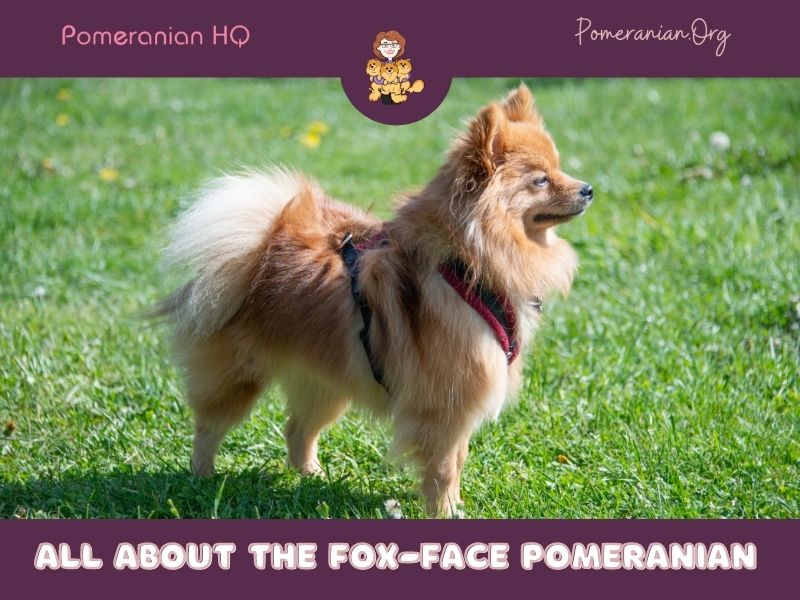
Fox Face Pomeranian Facts
- Fox Face Pomeranians are a type of Pomeranian with a “foxy” expression and the longest muzzles.
- Fox Face Pomeranians are not a separate breed – only one kind of Pomeranian exists.
- They usually have longer muzzles than the breed standard requires.
- Fox Face Pomeranians typically grow to 8-11 inches tall and weigh 3-7 pounds when fully grown.
- Throwback varieties may be larger than this.
- Their life expectancy ranges from 12 to 16 years, depending on the diet and care they receive throughout their lives.
- The colors they come in include orange, cream, black, white, and wolf, which receive equal consideration during judging events.
- Fox Face Pomeranians are generally healthy, with fewer health issues than other Pomeranian types. Common health concerns include allergies, epilepsy, eye issues, Legg-Perthes disease, and collapsed trachea.
- Fox Face Pomeranian puppies can cost between $1400 – $6000 depending on the breeder’s location and other factors such as lineage, age, and gender.
- These small dogs have big personalities; they are affectionate, intelligent watchdogs who love to play but can be independent. They require regular grooming, including brushing their coats to control shedding and trimming their nails.
- To keep your Fox Face Pom in tip-top shape, provide good nutrition with an ideal diet; maintain a healthy weight through exercise and mental stimulation; groom them regularly to check for lumps or bumps on the skin; give plenty of love & attention, and ensure annual vet visits for vaccinations.
Is a Fox Face Pomeranian Correct?
A common misconception is that a Fox Face Pomeranian is a separate breed or a special type of Pomeranian. This is incorrect.
A correct Pomeranian head should display balanced proportions, a well-defined stop, dark almond-shaped eyes, and an alert expression. The ideal muzzle is approximately one-third the length of the skull.
Why Do Some Pomeranians Look More Fox-Like Than Others?
Not all Pomeranians have exactly the same facial appearance. While the breed standard describes a fox-like expression, some Pomeranians appear more fox-like than others due to a combination of genetics, breeding choices, growth stages, coat development, and individual head proportions.
Genetics
Genetics plays the biggest role in determining a Pomeranian’s head shape and expression. Puppies inherit traits from their parents and ancestors, including muzzle length, skull shape, eye placement, ear size, and overall facial structure.
Some bloodlines consistently produce puppies with a more pronounced fox-like appearance, while others tend to have shorter muzzles and fuller faces.
Selective Breeding
Over many generations, breeders have selected for different characteristics. Preservation breeders strive to maintain the balanced head proportions described in the breed standard, while some breeders may favor a shorter muzzle and rounder appearance.
These breeding decisions can influence whether a Pomeranian develops a more traditional fox-like expression or a softer, more rounded look often associated with Teddy Bear or Baby Doll Pomeranians.
Growth Stages
Pomeranian puppies go through several growth stages before reaching maturity. During these stages, the head, muzzle, ears, and body may develop at different rates.
A puppy that appears very fox-like at 10 weeks of age may develop a fuller face as it matures, while another puppy may retain a more refined fox-like outline throughout adulthood.
Coat Development
A Pomeranian’s coat can dramatically affect how its face appears. Puppies and young adults often have less coat around the head and neck, making the muzzle appear longer.
As the adult coat develops, the increased facial furnishings, neck ruff, and cheek coat can create the illusion of a broader, softer face, even though the underlying bone structure has not changed.
Puppy Uglies
Many young Pomeranians experience a developmental stage known as the “puppy uglies.” During this period, puppies shed much of their fluffy puppy coat before their adult coat grows in.
As a result, the muzzle often appears longer, and the face may temporarily look more fox-like than it will as an adult. This stage is completely normal and can make it difficult to predict a puppy’s final appearance.
Head Proportions Matter
While some variation exists within the breed, excessively long or narrow muzzles are not considered ideal. The Pomeranian breed standard calls for a balanced head with a muzzle approximately one-third the length of the skull, creating the alert fox-like expression for which the breed is known.
A muzzle that is too long can create a coarse appearance, while a muzzle that is too short may alter the breed’s characteristic expression and balance.
Fox Face, Teddy Bear, or Baby Doll?
Terms such as Fox Face, Teddy Bear, and Baby Doll are informal descriptions used by owners to describe facial appearance. They are not separate breeds or officially recognized varieties.
To learn more, see:
- Teddy Bear Pomeranian
- Baby Doll Pomeranian
- Pomeranian Colours
Ultimately, the most important qualities in any Pomeranian are sound structure, good health, correct breed type, and a wonderful temperament—not whether someone describes the dog as fox-faced, teddy bear-faced, or baby doll-faced.
Correct Pomeranian Head Proportions
According to the breed standard, the ideal Pomeranian should have a muzzle approximately one-third the length of the skull, producing the alert fox-like expression for which the breed is known.
A muzzle that is too long creates a coarse appearance, while a muzzle that is too short can alter expression and head balance.
How the Pomeranian Has Evolved Over the Past Century
For more than a century, dedicated preservation breeders have worked tirelessly to improve and protect the Pomeranian breed. Through careful selection and responsible breeding practices, they have refined coat quality, movement, soundness, temperament, and overall breed type while preserving the distinctive characteristics that make the Pomeranian unique.
Generations of breeders have focused on producing healthy, well-balanced dogs that closely conform to the breed standard. Their efforts have helped transform the Pomeranian from its larger ancestors into the beautiful, compact, fox-like companion admired throughout the world today.
The term “Fox Face Pomeranian” is most commonly used by pet owners and in pet-market advertising rather than by preservation breeders and exhibitors. In the show world, breeders are more likely to discuss correct head proportions, breed type, and expression rather than use labels such as Fox Face, Teddy Bear, or Baby Doll.
Many Pomeranians described as “fox-faced” are produced outside of preservation breeding programs, including by backyard breeders, commercial breeders, and breeders who are not actively breeding to the Pomeranian breed standard. As a result, the term has become associated with a wide variety of head types, some of which differ significantly from the balanced proportions called for in the standard.
Preservation breeders generally focus on producing Pomeranians with the correct fox-like expression or outline, as defined by their breed standard, rather than breeding specifically for a “fox-faced” appearance. Their goal is to preserve the balanced head proportions, well-defined stop, alert expression, and overall breed type that generations of dedicated breeders have worked so hard to establish.
The best Pomeranians are not defined by labels such as “Fox Face,” “Teddy Bear,” or “Baby Doll.” They are defined by soundness, health, correct breed type, and the careful preservation of a breed that enthusiasts have spent more than a century developing and protecting.
How Big Do Fox Face Pomeranians Get?
You don’t need a big dog to provide plenty of love. Fox Face Pomeranians offer ample joy, loyalty, and companionship – all in a compact, adorable size.
- A full-grown preservation breeder’s Pomeranian average height is 8 to 11 inches.
- The average weight of a full-grown Fox Face Pomeranian is 3 to 7 pounds.
If the fox-faced Pomeranian is similar in type to a throwback Pomeranian, this dog may grow larger than the breed’s standard size.
How Long Do Fox Face Pomeranians Live?
One of the advantages of owning a Fox-Faced Pomeranian puppy is that they have a longer life expectancy than many other breeds. Fox Face Pomeranians have the same life expectancy as a standard Pomeranian.
A fox-like Pomeranian’s gender doesn’t affect its lifespan; it has the same estimated lifespan. However, the diet influences their lifespan and the care they receive.
Fox Face Pomeranians have a life expectancy of 12 to 16 years. This can only be the case if they receive proper care and nutrition. Regular vet check-ups are also important to help your Fox Pomeranian hit his life expectancy.
What Colors Do Fox Face Pomeranians Come In?
Like all Poms, fox Pomeranians come in a variety of colors. The AKC standard on Pomeranian colors is pretty vague. “All colors, patterns, and variations thereof are allowed and must be judged equally.” The popular Pomeranian colors are:
- Orange
- Cream
- Orange Sable
- Black
- White
- Wolf Sable
- Cream Sable
- Chocolate
- Parti-color pattern
- Blue Merle
- Chocolate and tan
- Red
- Red Sable
- Blue
- Blue Sable
- Blue and tan
- Chocolate Merle
- Beaver
- Lavender
- Brindle
- Merle
All Pomeranian colors bring the same grooming requirements and challenges.
Are Fox Face Pomeranians Healthy?
The Fox Face Pomeranian is generally a moderately healthy breed with fewer health issues. They do not have any additional health concerns compared to other Pomeranians. The health conditions that may affect this breed are:
- Allergies: Fox Face Pomeranians are prone to a variety of allergies. These dogs may be allergic to pollens, dust, molds, certain foods, bedding, shampoos, etc.
- Epilepsy: Epilepsy is a brain disorder that causes seizures and fits and is seen in fox-faced Pomeranians as young as six months old. It is an abnormal, uncontrolled burst of electrical activity in your dog’s brain. A fox-faced Pomeranian can fall to the side and make paddling motions with its legs.
- Eye Issues: Eye defects in the fox face Pomeranians are serious and should not be understated or overlooked. Eye problems include cataracts, Corneal dystrophy, and Progressive Retinal Atrophy.
- Legg-Perthes Disease: This is a condition in which the head of the femur spontaneously degenerates. This starts with a decrease in the blood supply to the head of the femur bone. Over time, this degeneration will cause inflammation of the hip joint, and collapse of the hip, and may lead to arthritis.
- Collapsed Trachea: Collapsing trachea is a genetic problem when the trachea of fox face Pomeranians becomes narrow due to the softening of the cartilage that holds the windpipe.
- Luxating Patella is a common cause of lameness in the Fox Face Pomeranians. This condition occurs when your fox Pomeranian’s patella or kneecap shifts out of alignment.
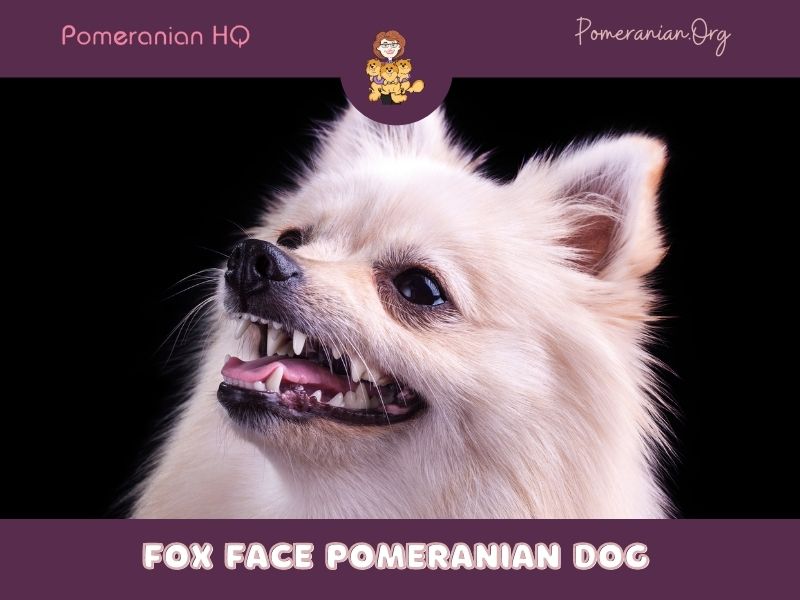
- Dental Problems: Fox Face Pomeranians are prone to tooth and gum problems and early tooth loss. Regularly check for dental problems and take your fox Looking Pom to the vet for regular dental exams.
Remember, the sooner you seek medical attention, the better the outcome for your fox face, Pomeranian. Treatment or medication may greatly improve your dog’s overall health and life expectancy.
How Much Does a Fox Face Pomeranian Cost?
You should expect to pay between $1400 and $6000 for fox-faced Pomeranian puppies. The price of a fox-faced Pomeranian Puppy varies depending on many factors, including lineage, breeder’s location, puppy age, gender, and more.
Reputable and high-quality breeders tend to breed dogs with the correct head shape and are usually on the upper end of the price spectrum. Female puppies are priced higher when breeders sell them for breeding purposes. What is included in the price also depends on the country laws and the breeder himself.
Fox Pomeranian Temperament
Fox Face Pomeranians combine a tiny body and a big personality. They seem unaware of their small size and are always eager for adventures. Some of the Fox Poms are mischievous, outgoing, and into everything.
Despite their small size, Fox Pomeranians are quite active dogs.
Fox Face Pomeranians share the following personalities:
- Affectionate: Cuddling is always on the table. Fox Face Pomeranians might be an active pet, but they also enjoy snuggling up to their owner at the end of a long day. With a short walk and some playtime each day, they’ll be ready to cuddle up on the couch with you. They form solid bonds and make wonderful companions.
- Intelligent: You can expect to get an intelligent dog that will quickly learn commands and tricks. Due to the Fox Pomeranian’s intelligence, they can start to show stubborn traits if they are not properly socialized and trained from a young age.
- Great watchdogs: Fox Face Pomeranians are alert and aware of their surroundings. They are highly protective of their family and make great watchdogs.
- Barkers: Fox Face Pomeranians are vocal dogs with high barking potential. They will bark every time someone approaches. You can train them to stop excessive barking and avoid unpleasant situations.
- Independent: Even though they are eager to please, Fox Face Pomeranians are independent and have their own minds.
- Playful: Fox Face Pomeranians are playful pups and love to spend time with their owners. Their playful antics often help them get the adoration they crave.
- Highly sensitive: Fox-face Pomeranians are highly sensitive dogs and prefer to be around their owners. So, it makes them much more difficult to be left alone by their owners for long periods. They tend to have separation anxiety when their owners leave them alone at home.
Are Fox Pomeranians Good Apartment Dwellers?
Fox-face Pomeranians can thrive in a variety of living conditions. These little dogs are well-suited to city life in apartments or condos, as they don’t need much space to get their energy out and tend to be easy-going even when there’s commotion around them.
Grooming your Fox Pomeranians
- Medium to Low shedders: Fox face Pomeranians are considered to shed moderately. Males generally shed their undercoats once a year. Unspayed females often shed their undercoats after a season, after giving birth.
- Low drooling potential: Fox-face Pomeranians have low drooling potential. So, these dogs are a perfect choice if you dislike being covered by slobber spots on your clothes.
Easy to groom: Fox-face Pomeranians require routine grooming, including regular brushing, bathing, nail trimming, and dental care to stay clean and healthy.
Begin accustoming your fox-faced Pomeranians to being brushed and examined when they are a puppy. As you groom, check for sores, bumps, or rashes. Also, check for signs of infection, such as redness, tenderness, or inflammation on the skin, nose, mouth, eyes, and feet.

What Are The Other Types of Pomeranians?
There is only one breed of Pomeranian. However, many variables contribute to the differences in Pomeranian appearances. Poms can vary in stature, face shape, coat color, texture, and pattern.
There are many terms and nicknames for differences in appearance within the Pomeranian breed.
- Throwback Pomeranian
- Teacup Pomeranian
- Miniature Pomeranian
- Baby Doll Pomeranian
- Teddy Bear Pomeranian
- Toy Pomeranian
What’s The Difference Between a Fox Face and a Teddy Bear Pomeranian?
There is no official breed variation of the Teddy Bear Pomeranian. It is an unofficial term for Pomeranians based on their facial features.
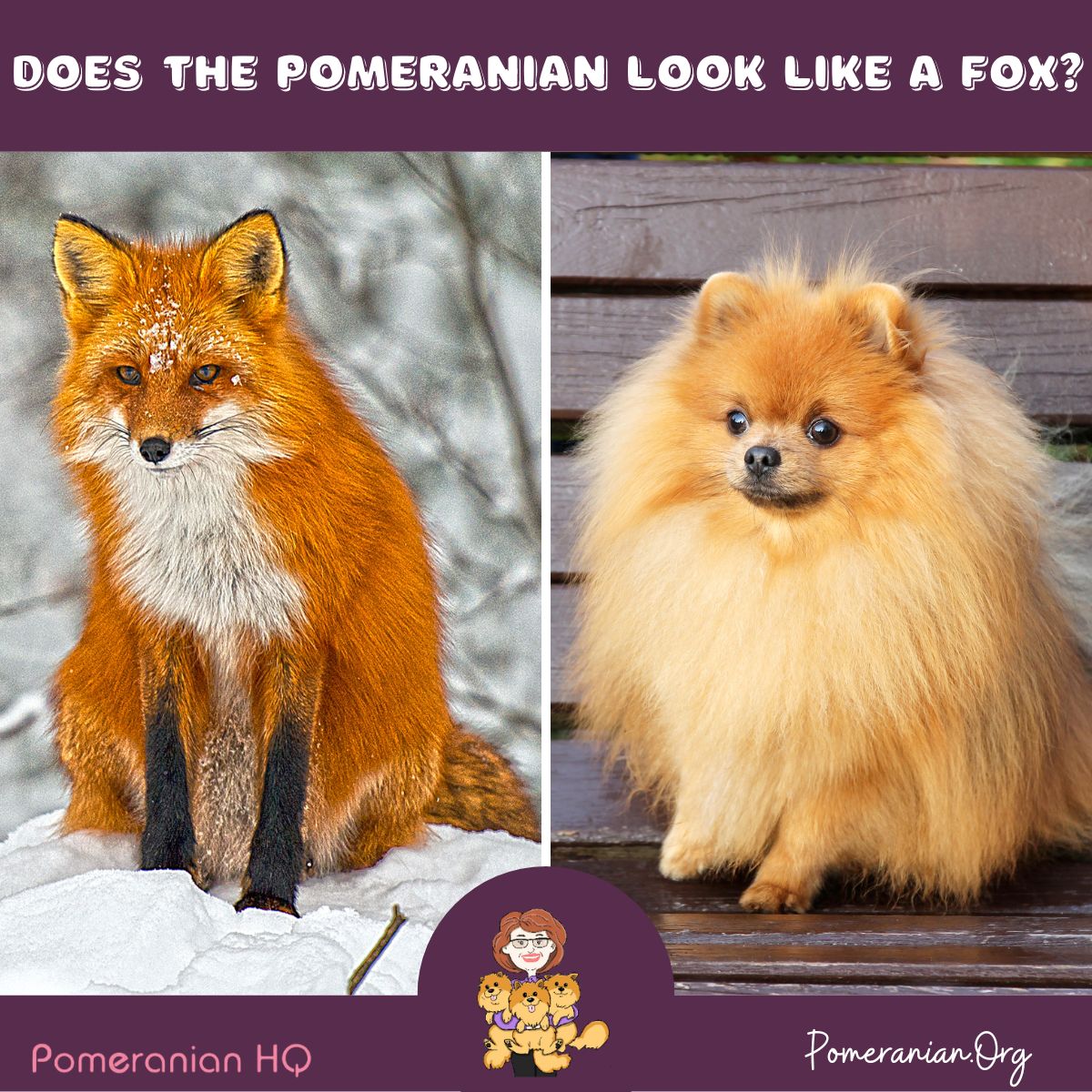
Fox-faced Pomeranians have a longer, finer muzzle than a teddy bear Pomeranian. The coat on a teddy bear Pomeranian is often dense, the cheeks are fuller, and the body is more compact.
What’s The Difference Between a Fox Face and a Baby Doll Face Pomeranian?
A Baby Doll Face Pomeranian generally has a shorter muzzle, a broader face, and larger-looking eyes, creating a softer, more rounded appearance. Many pet owners find this look particularly appealing because it resembles a young puppy’s face.
The key difference is the length and appearance of the muzzle. Fox-faced Pomeranians tend to have a longer, more refined muzzle, while Baby Doll Pomeranians have a shorter, fuller-looking face.
It is important to remember that these labels are not recognized by major kennel clubs and are not terms used in the breed standard.
Conclusion:
The Fox Face Pomeranian is not a separate breed or recognized variety, but rather a term commonly used to describe a Pomeranian with a more pronounced muzzle and fox-like appearance. While many people use labels such as Fox Face, Baby Doll, and Teddy Bear to describe different facial features, the reality is that there is only one Pomeranian breed.
For more than a century, preservation breeders have worked to develop and protect the Pomeranian we know today. Their focus has been on maintaining the breed’s health, temperament, soundness, and correct breed type while preserving the distinctive fox-like expression and foxy outline described in the breed standards.
When evaluating a Pomeranian, it is important to look beyond marketing terms and fashionable labels. The most important qualities are correct structure, balanced head proportions, sound movement, good health, and a wonderful temperament.
A well-bred Pomeranian should display the characteristic fox-like expression, with a head that is foxy in outline, a well-defined stop, and balanced proportions. These features have been carefully preserved by generations of dedicated breeders and remain an important part of the breed’s identity today.
Whether a Pomeranian is described as fox-faced, baby doll-faced, or teddy bear-faced, a quality Pomeranian should always exhibit the charm, intelligence, confidence, and lively personality that have made this breed one of the world’s most beloved companion dogs for generations.
Copyright Pomeranian.org. All Rights Reserved.
📚 References & Further Reading
- [1] AKC Pomeranian Breed Standard (2011)
- [2] English Kennel Club Breed Standard
- [3] The Pomeranian Handbook – Denise Leo
- [4] Denlinger, The Complete Pomeranian
- [5] Kimbering, 1891–1991
- [6] Taplin, The Sportsman’s Cabinet
- [7] Parker, The Popular Pomeranian
- [8] Ives, Show Pomeranians