
If you love Pomeranians, you may have wondered what other dogs look like Pomeranians. Over the years, I have been asked countless times about dog breeds that resemble Pomeranians, ranging from larger Spitz breeds to small companion dogs with similar features.
As a breeder of champion Pomeranians for over 50 years and a licensed Pomeranian dog judge, I have had the opportunity to study not only Pomeranians but also many related breeds from around the world. While several breeds resemble the Pomeranian, most differ significantly in size, coat texture, temperament, and breed history.
Some people are searching for dogs that look like Pomeranians but bigger, while others want to know what dog is similar to a Pomeranian or are interested in discovering big dogs that look like Pomeranians. The answer often lies within the Spitz family of dogs, a group of breeds that share common characteristics such as erect ears, thick double coats, fox-like expressions, and tails carried over the back.
In this guide, we will explore the most popular dogs, including Pomeranians, as well as the German Spitz, Kleinspitz, Japanese Spitz, American Eskimo Dog, Volpino Italiano, Keeshond, and several crossbreeds. You’ll discover which breeds are the closest relatives of the Pomeranian, which are larger versions of the breed, and which simply share a similar appearance.
Whether you’re looking for dogs that look like big Pomeranians, researching dog breeds similar to Pomeranians, or simply curious about what makes these fluffy dogs resemble one another, this guide will help you understand the similarities and differences between these fascinating breeds.
What Dogs Look Like Pomeranians?
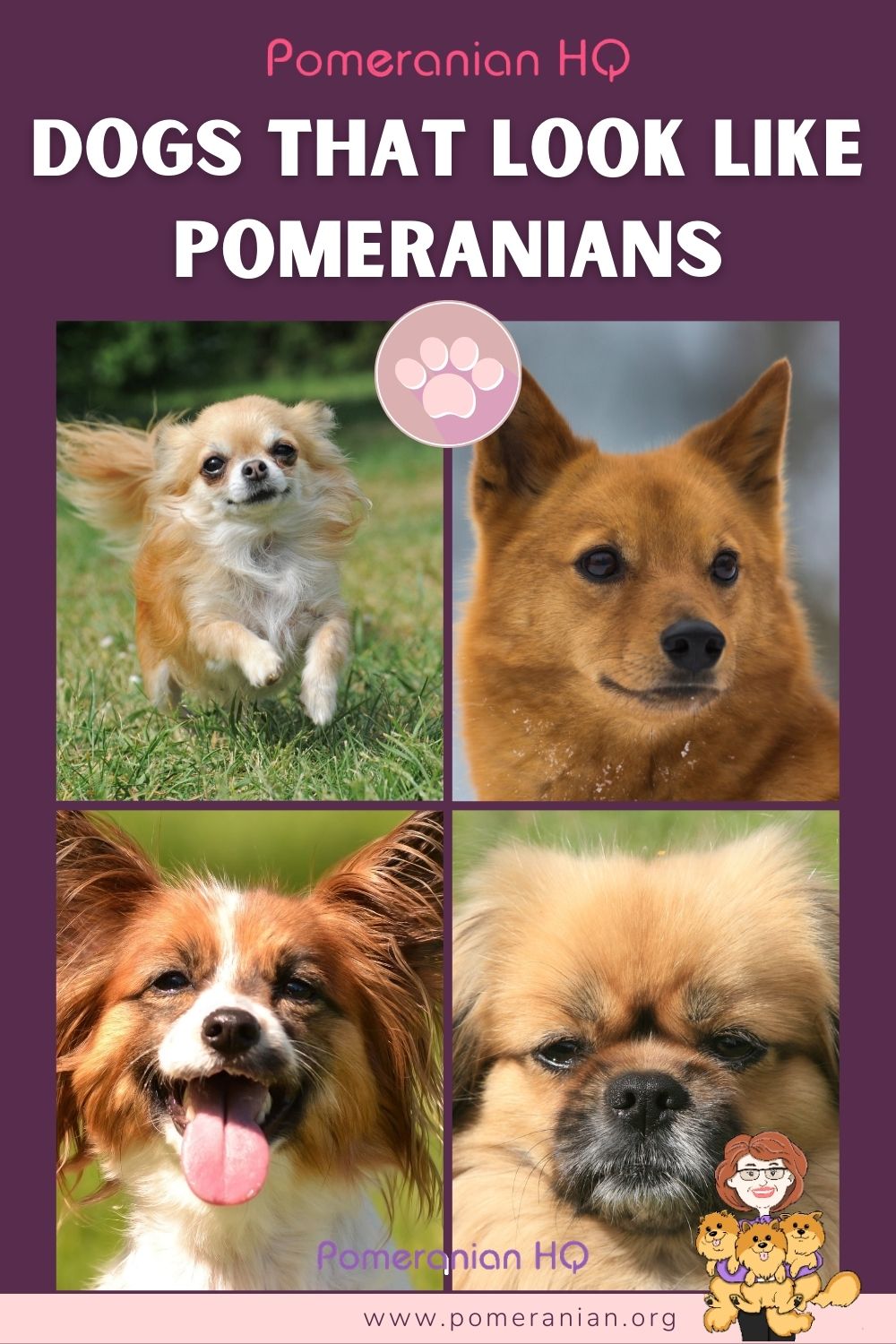
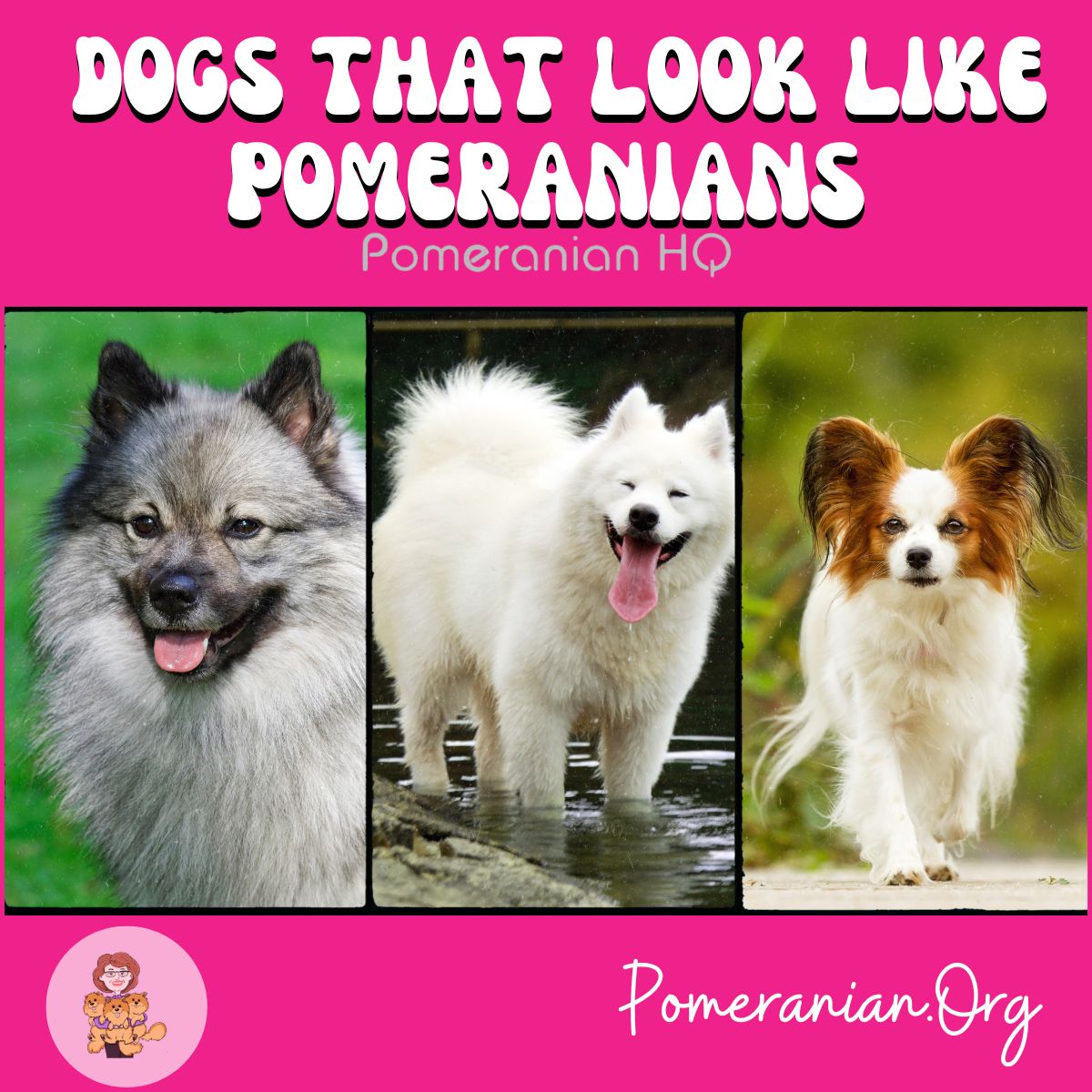
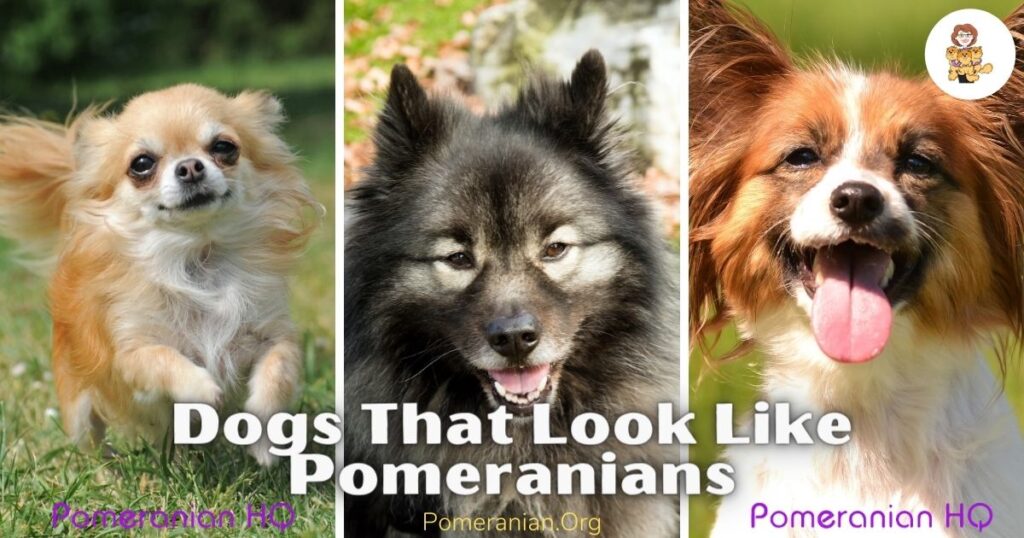
The dogs that look most like Pomeranians include the German Spitz, Japanese Spitz, American Eskimo Dog, Volpino Italiano, Keeshond, Long-Haired Chihuahua, and Pomchi. Most belong to the Spitz family of dogs and share the Pomeranian’s fox-like expression, erect ears, thick double coat, and plumed tail.
Compare Dogs Similar to Pomeranians
The following comparison chart shows how closely each breed resembles the Pomeranian. It compares size, overall similarity, and whether the breed belongs to the Spitz family. If you’re searching for dogs that look like Pomeranians, dogs that look like Pomeranians but bigger, or wondering what dog is similar to a Pomeranian, this table provides a quick overview.
What Does a Pomeranian Dog Look Like?
The Pomeranian is one of the world’s most recognizable toy breeds. Known for their intelligence, confidence, loyalty, and outgoing personalities, Pomeranians excel as companions and are also highly successful in the show ring.
The breed’s popularity increased dramatically during the reign of Queen Victoria, who imported Pomeranians from Pomerania in Europe. It is widely believed that her preference for smaller dogs influenced the development of the modern Pomeranian, which is considerably smaller than its ancestors.
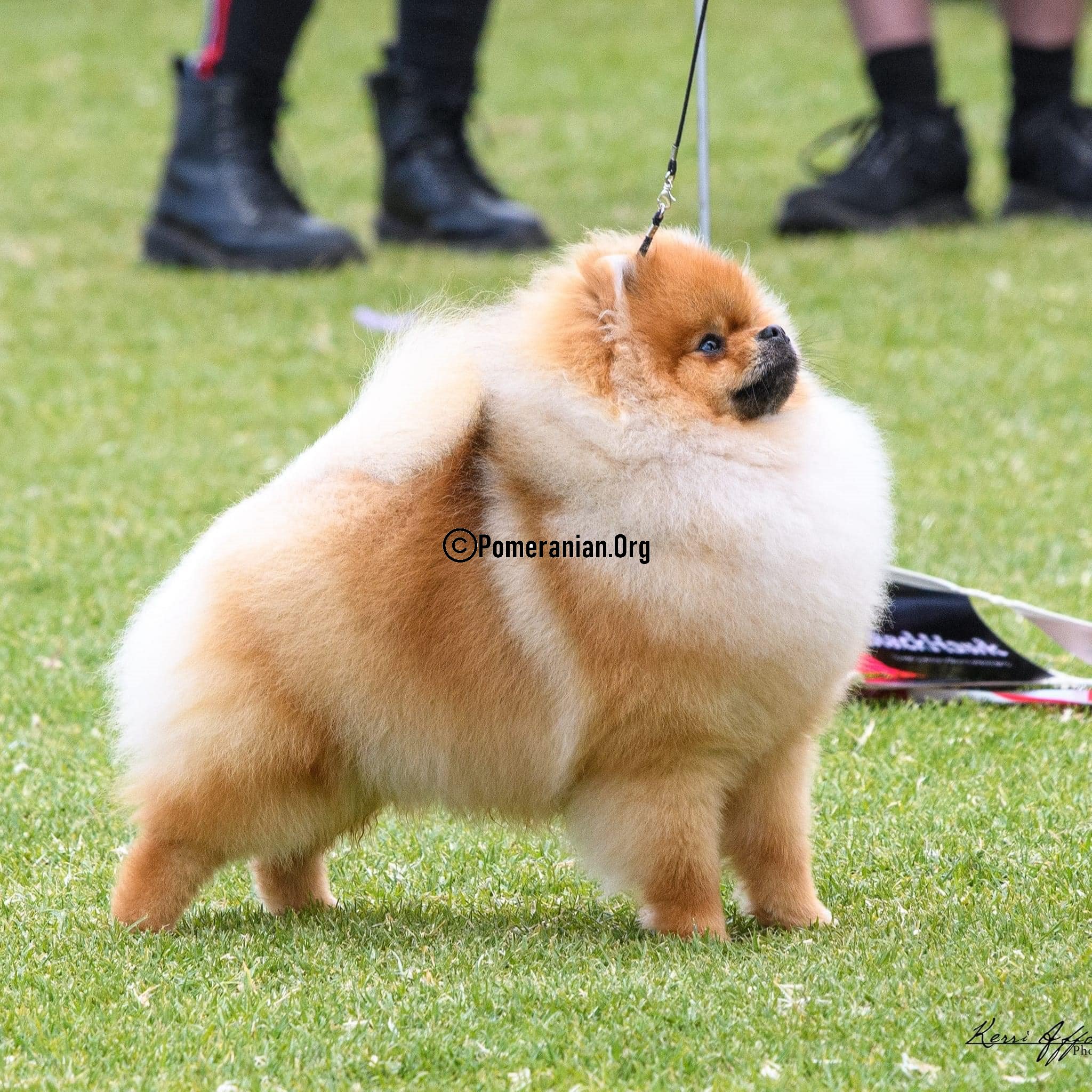
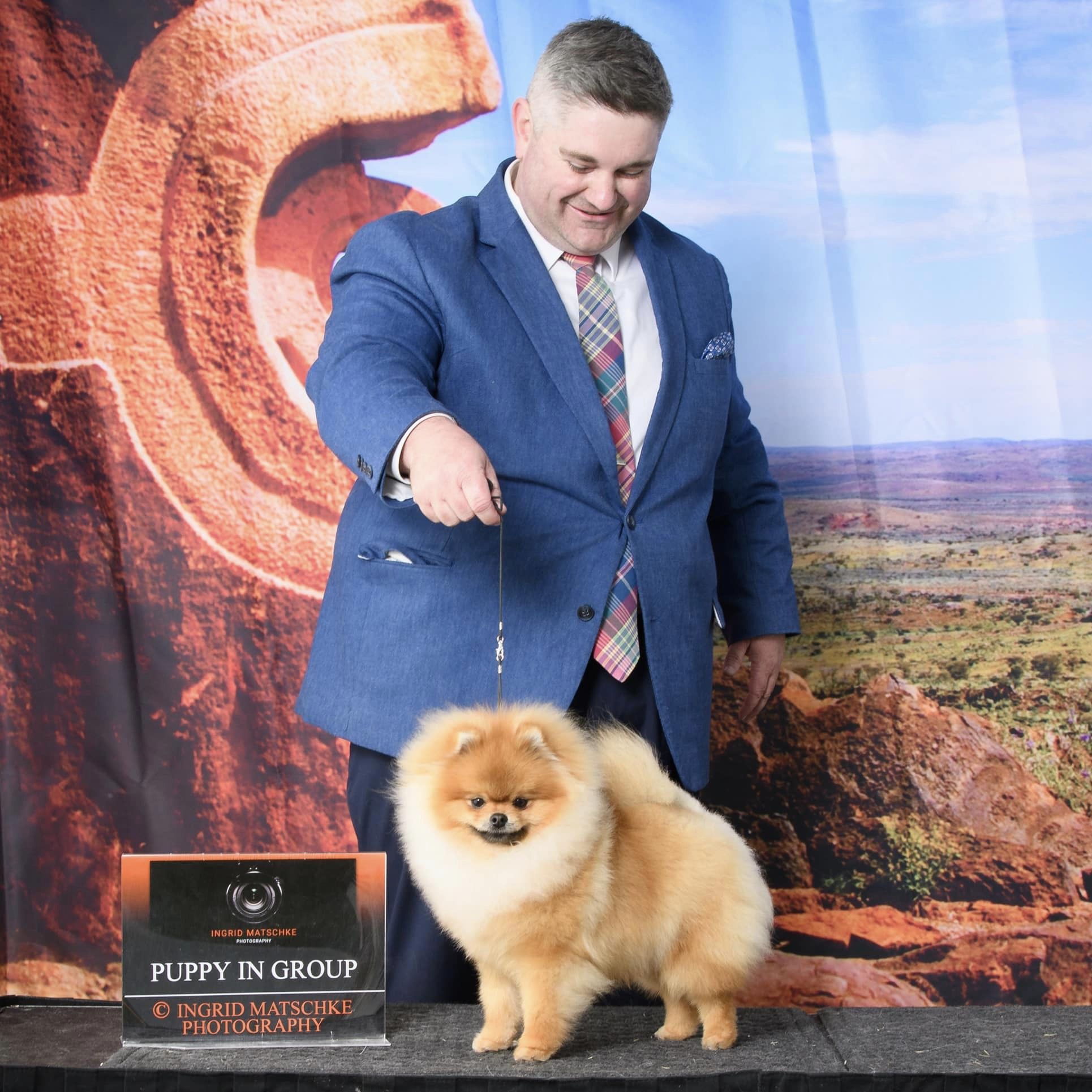
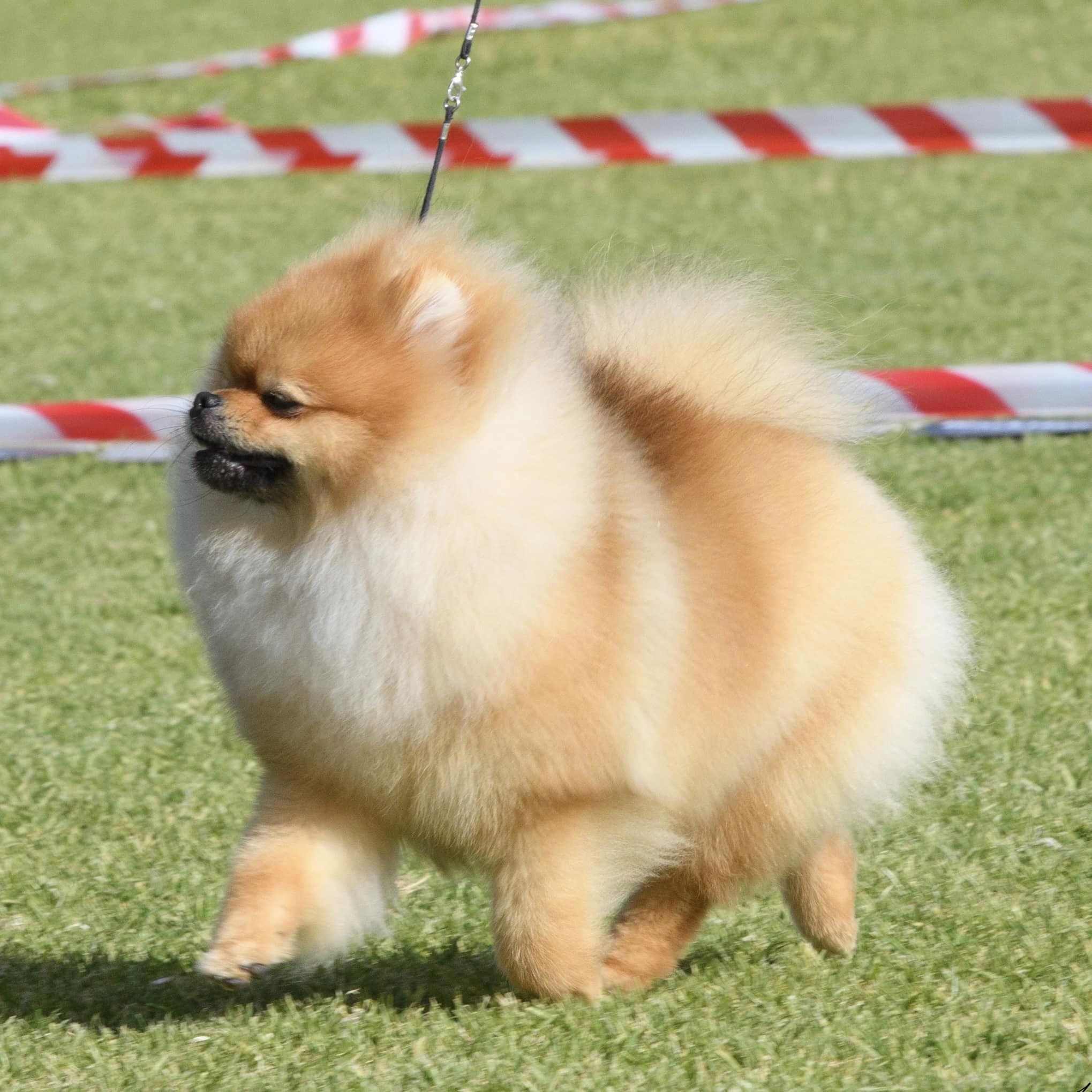
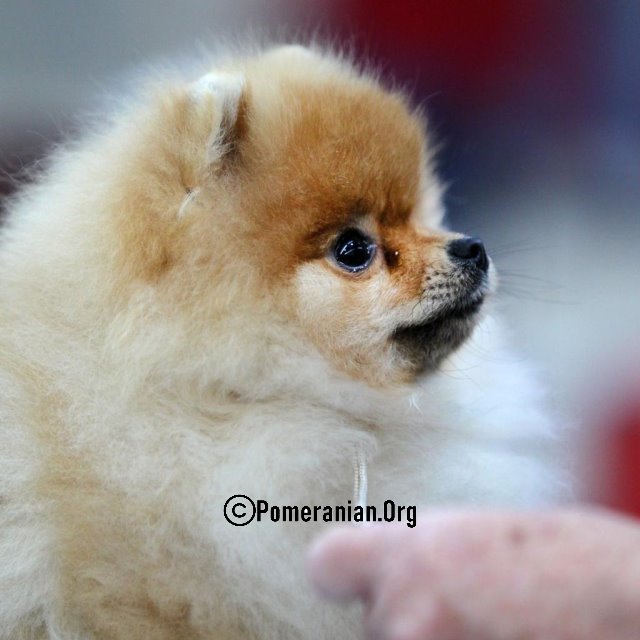
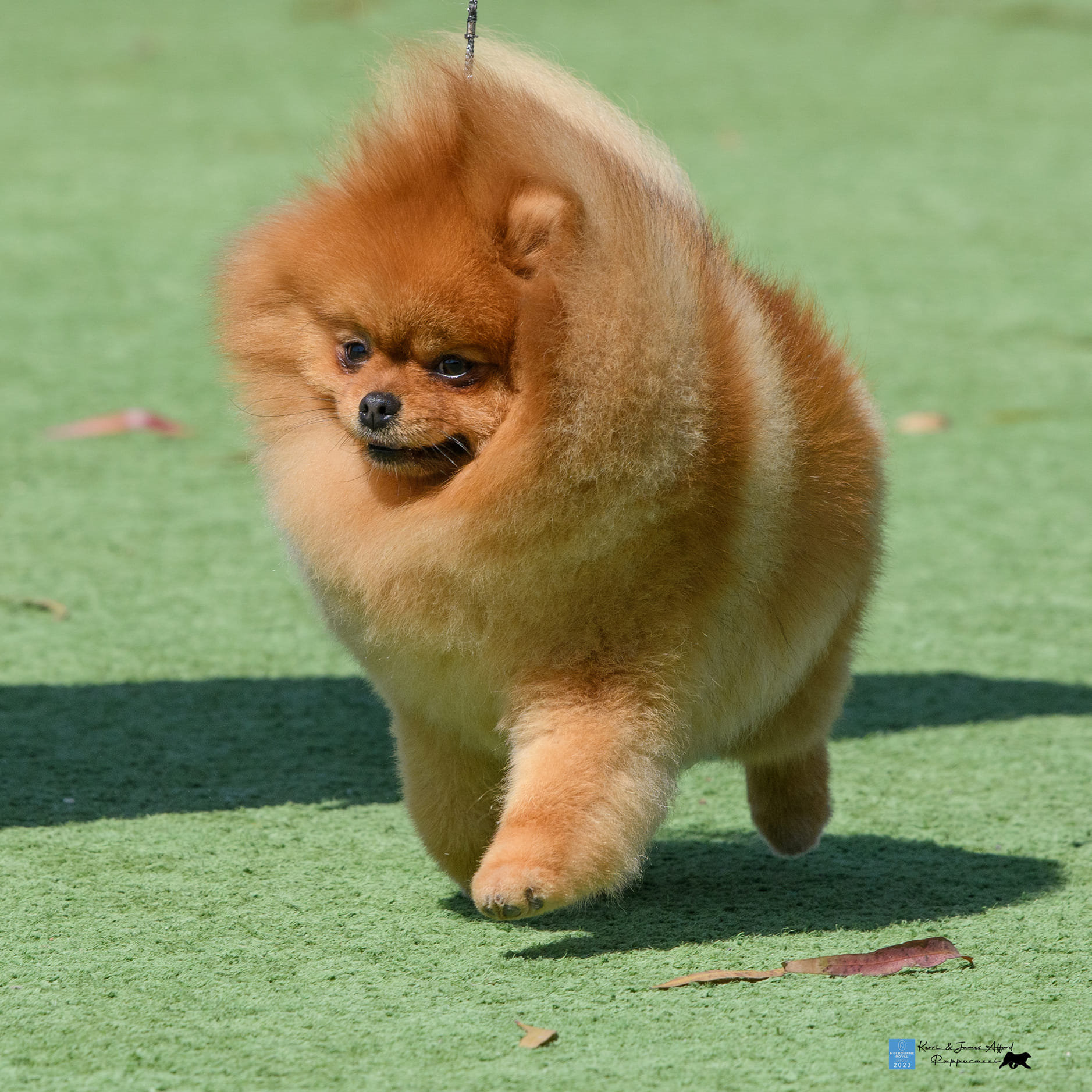
A Pomeranian is instantly recognizable by its profuse double coat, small erect ears, fox-like expression, compact square body, and heavily plumed tail carried over the back. The breed comes in a remarkable variety of colors and patterns, including solids, particolours, and tricolors.
Although the Pomeranian belongs to the German Spitz family, it has developed into a distinct breed with its own unique characteristics. While many dogs that look like Pomeranians share some physical similarities, none possess the exact combination of size, coat, expression, temperament, and breed type that makes the Pomeranian so distinctive.
For people unfamiliar with the breed, there are many dog breeds that look like Pomeranians. Some are larger Spitz breeds, while others are smaller companion dogs or even crossbreeds. You may be searching for dogs that look like Pomeranians but bigger, big dogs that look like Pomeranians, or wondering what dog is similar to a Pomeranian. Some breeds share the Pomeranian’s fluffy coat, others its fox-like appearance, and some resemble oversized versions of the breed.
However, while there are many dogs like Pomeranians, none combine all of the qualities that have made the breed one of the most beloved companion dogs in the world.
Let’s take a closer look at the fascinating breeds and crossbreeds that resemble the Pomeranian and discover how they compare to this remarkable little dog.
Dogs That Look Like Pomeranians
German Spitz
• Pomeranian. (Aka the: Zwergspitz, Deutscher Spitz, and Dwarfspitz). This is a toy dog, the smallest of the German Spitz breed.
• Miniature Spitz or Kleinspitz.
• Medium Spitz or Mittelspitz.
• Wolfsspitz (aka Keeshond).
• Giant Spitz. (aka Grossespitz).
The Pomeranian’s muzzle is 1/3 of its skull, whereas the other dogs that comprise the German Spitz family each have a longer muzzle that measures approximately half of their skull.
Pomeranians can be any of 20 or more colors and patterns, whereas the German Spitz dogs can only be one of 8 colors.
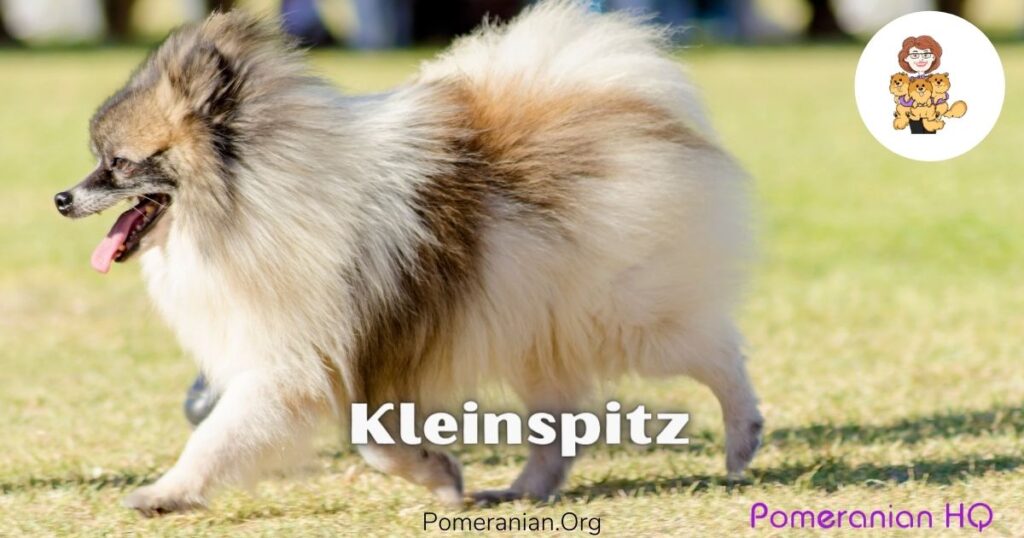
Miniature Spitz or Kleinspitz
The Kleinspitz is the next smallest, after the Pomeranian.
Medium Spitz or Mittel Spitz
Despite this, the Mittelspitz, a member of the German Spitz group since ancient times, wasn’t officially recognized as part of the standard German Spitz family until 1969.
Because both the Giant Spitz and this breed produce fewer than 100 puppies per year, both dogs are declared as being in danger of extinction.
Keeshond (aka Wolfspitz)
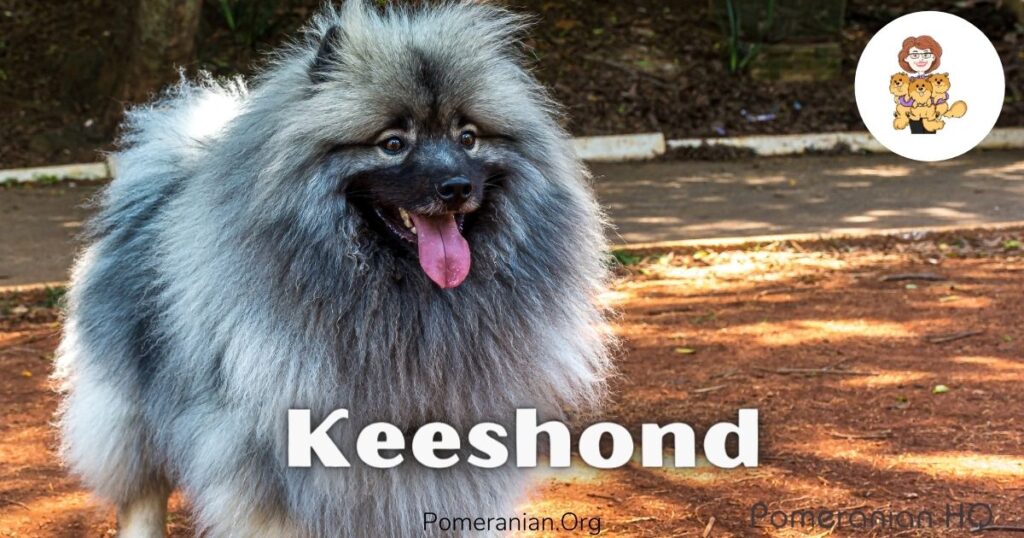
The Keeshond was a watchdog and companion on boats and barges traveling the Dutch rivers and canals during the 17th and 18th centuries. The AKC officially recognized the Keeshond in 1930.
This dog has other names, including Smiling Dutchman, Deutscher Wolfspitz, and the Dutch Barge Dog.
This dog is on the list as he’s a great watchdog and an excellent companion. The Keeshond is interesting because it’s a large Pomeranian-type breed with wolf sable coloring.
Giant Spitz (aka Grossespitz)
Despite being the largest German Spitz, the Giant Spitz is still considered a medium-sized dog compared to many other breeds. He’s also known as the Deutscher Grossspitz, Deutscher Spitz Klein Giant, Gross Spitz, and the Great Spitz.
The Pomeranian (toy Spitz) and the Giant Spitz were bred to be companions by King George 1st in 1714 while on the English throne.
The connection was made through his wife, who was of German nobility, and they brought the German Spitz dogs with them.
By the late 1700s, Queen Charlotte, wife of George III, had several white German Spitzes that they also bred as companions. The Mittelspitz remained a working dog.
General German Spitz History
The German Spitz breeds became unpopular after World War I because of strong anti-German sentiment and a growing disinterest in breeding dogs.
When these dogs were brought to America, their name changed to the American Eskimo Dog. However, after World War II, interest in breeding was still very low.
Since the 1970s, a lot has happened. Interest in these breeds increased, and the dogs became popular in Britain, Australia, and Germany. Some get imported to the US, but the breed is still regarded as rare. Some clubs recognized some Spitz dogs but not others.
Some allowed different sizes to be interbred; others didn’t permit this. Now we look at some other dogs similar to Pomeranians but not clearly German Spitz dogs.
Japanese Spitz
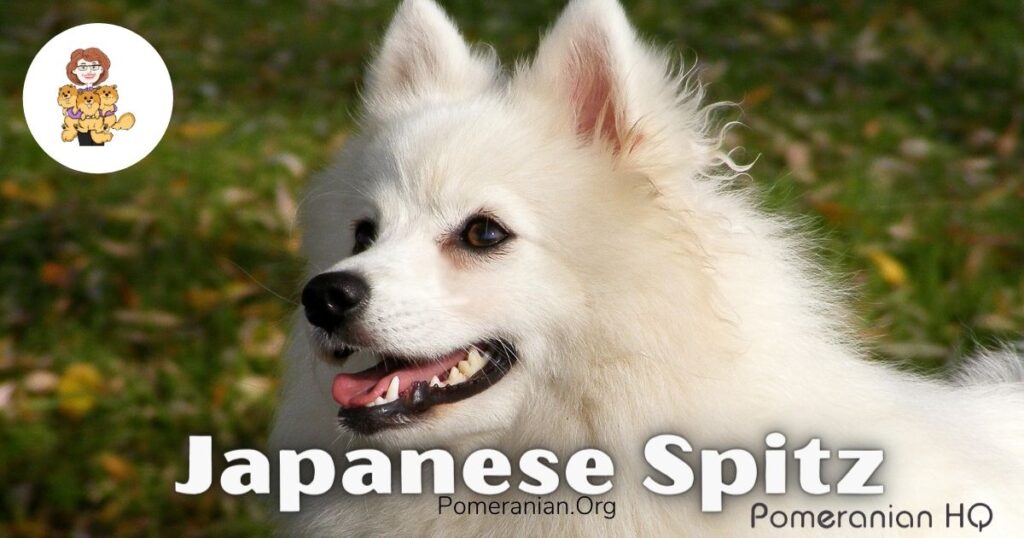
The Japanese Spitz, as you might guess, originated in Japan. There’s no clear breed history of this dog, but the typical belief is that they’re descended from the White German Spitz and look almost the same as a white Pomeranian.
Despite their diminutive size, they’re ideal watchdogs because they’re alert and extremely courageous, even against dogs that are bigger than themselves. They also get along with other pets and are safe around children.
The Japanese Spitz is larger than a typical Pomeranian and is sometimes nicknamed the Japanese Pomeranian. The Japanese Spitz requires low maintenance because its coat is drier than that of other Spitz breeds, and dirt won’t stick to it.
A Japanese Spitz looks almost the same as the Samoyed, known as the mini-Samoyed. This breed is recognized by the KC and the FCI but not by the AKC.
Indian Spitz
The Indian Spitz is an ancient native of India. He’s healthy and doesn’t require much grooming or attention from a vet.
He easily adapts to the country’s tropical climate. He’s energetic, intelligent, active, alert, and useful as a watchdog and companion. However, he doesn’t play nice with dogs and other animals, so he’s not a wise choice if you already have pets.
American Eskimo Dog
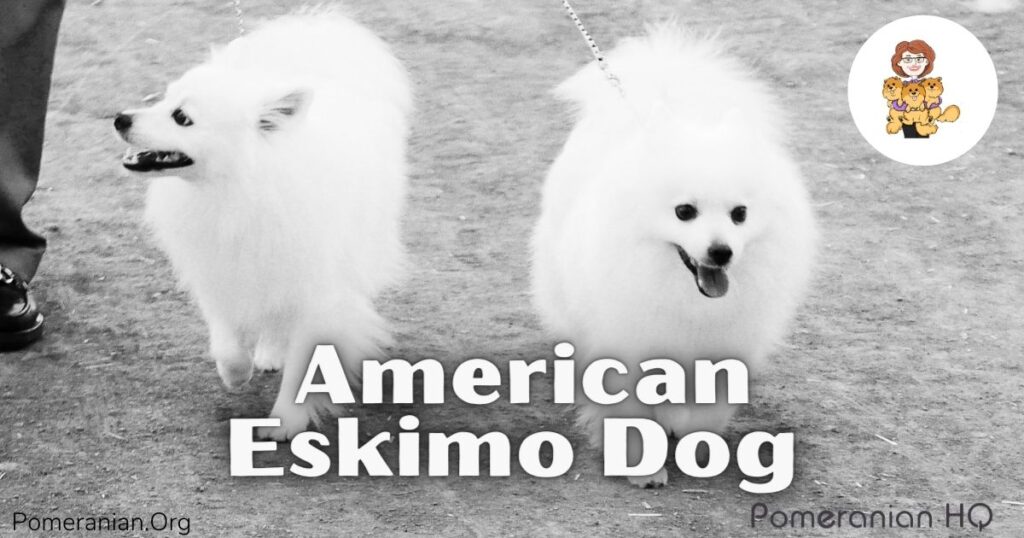
The American Eskimo Dog has its origins in Germany, where it was known as the German Spitz dog. After the First World War, with so much hatred towards anything German, he became the American Spitz and then the American Eskimo Dog.
He’s still regarded as being a small dog. He has the same fluffy coat, curled tail, and wedge-shaped face as a Pomeranian. He’s also known as the Alaskan Spitz because he easily adapts to cold climates.
He’s an alert, smart, extremely energetic, and playful dog, and this combination of characteristics makes him an ideal watchdog and a great companion. In obedience trials, he generally ranks among the highest scorers.
Volpino Italiano
The Volpino Italiano is closely related to the Pomeranian but is slightly larger. He’s an Italian dog known by several other names, including Cane Di Firenze, Cane del Quirinale, and Volpino. He resembles a small white fox, hence the name, because vulpes means “fox.”
This dog is sometimes confused with the Alaskan Spitz and the White Pomeranian. The Volpino Italiano is friendly and gets along with other pets.
This is a rare breed, and in 1965, only five dogs were registered, meaning the breed was virtually extinct. The FCI recognizes this breed, whereas the AKC does not.
Finnish Spitz
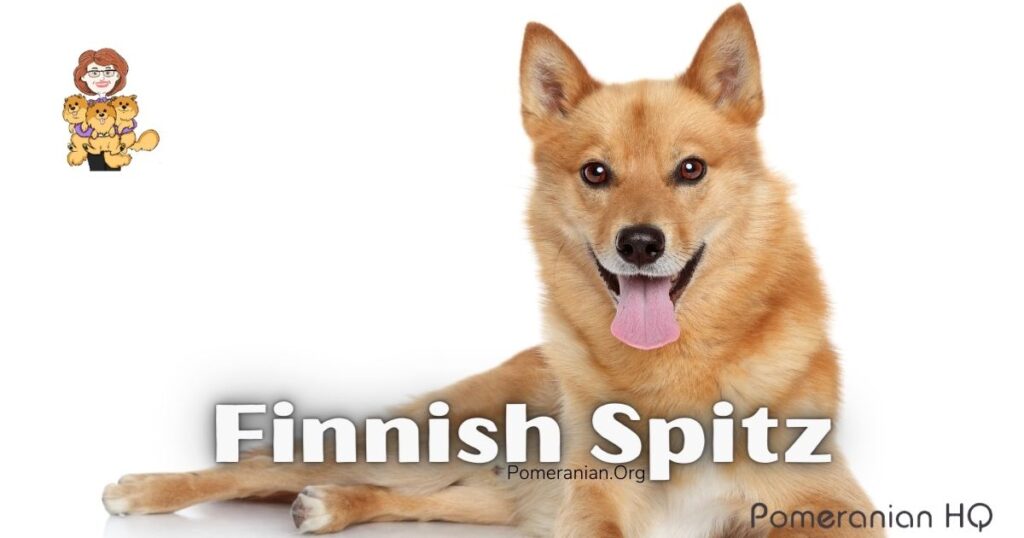
This dog’s original names were the Finnish Barking Birddogs and the Suomenpystrykorva (which translates as the Finnish Cock-Eared Dog).
Nearly two millennia ago, people brought them from the Russian Volga River to a country now called Finland. When they were out hunting and discovered their prey, they would make a ringing bark that sounded more like yodeling.
The Finnish Spitz is the country’s national dog. They were bred to hunt prey of various sizes, from rodents and squirrels to bears.
They’re hardy, active, powerful animals ideal for yard and farm living, and despite being hunters, they’re also friendly and reliable around other pets and children. They don’t mature until they’re approx four years of age.
This dog is one of the fox-faced dog breeds in some ways, with a muscular body, erect ears, a plumed, curved tail, and a flat head. He also looks like a Pomeranian (as do most Spitz dogs).
If you want a dog that’s a bit like a Pomeranian but you can’t get an actual Pom, then this all-rounder might be your best choice.
Finnish Lapphund
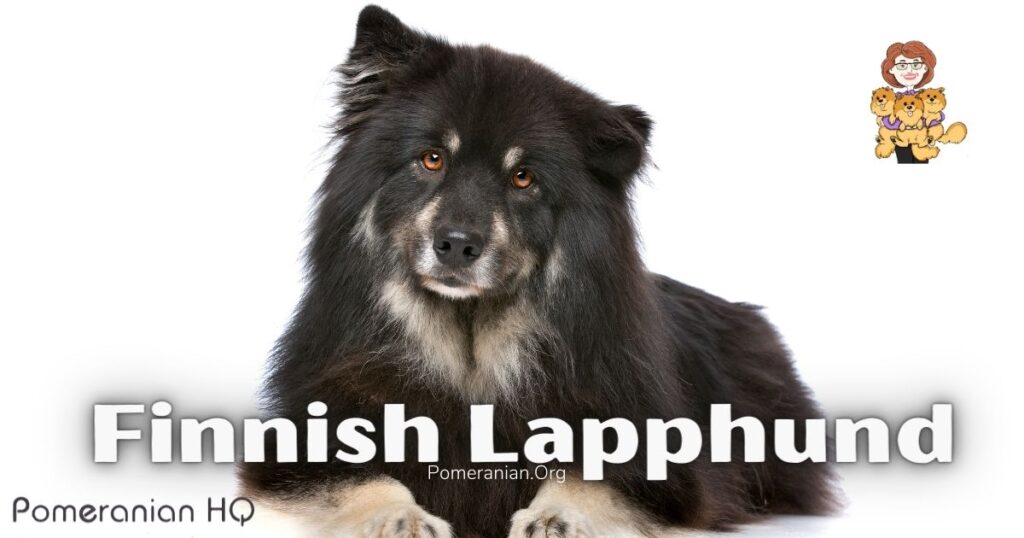
The Finnish Lapphund is another Spitz dog and is medium in size. He’s a Finnish native and is an excellent hunting dog and a reindeer herder.
Sami tribes developed this dog breed by creating a hybrid between a dog and a wolf, intending to build the hunting ability of wolves. This was a Finnish Lapphund Pomeranian mix with the best attributes of each breed.
The Finnish Lapphund is stronger and bigger, and is ideal for yard and farm living. He’s sturdy, athletic, and energetic, and is a reliable dog for families, especially those with children.
This dog is nearly twice as big as a Pomeranian, and their similarities include a fluffy coat, a curled tail, perky, small ears, and a triangular foxy face.
Their differences include straighter, longer fur and a calmer attitude. They love plenty of human interaction and energetic play.
Tibetan Spaniel
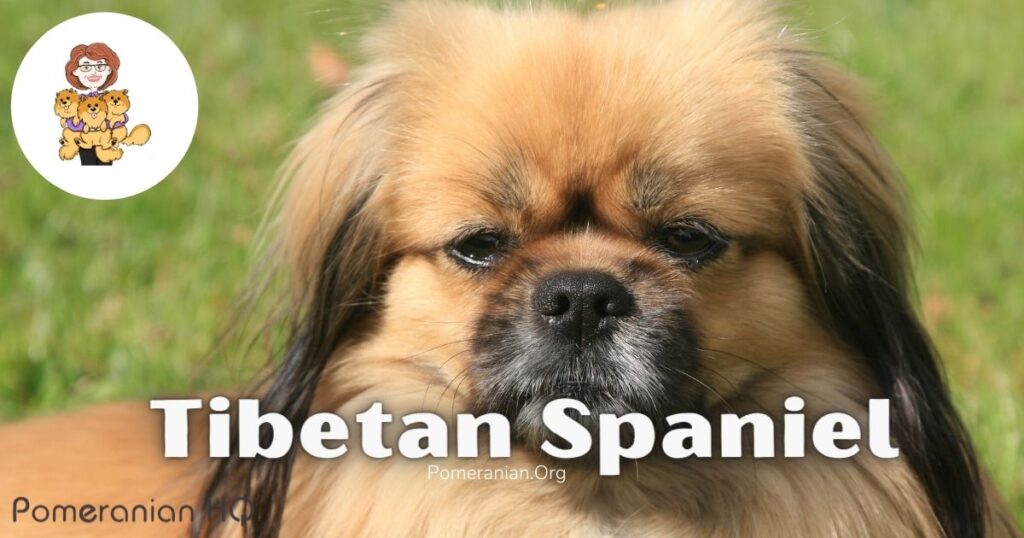
The Tibetan Spaniel originates in Tibet and can easily cope with the extremely cold weather that exists there. He’s actually not a Spaniel. The reality is that he’s a toy dog breed and bears a striking resemblance to the Pomeranian.
Even though he’s small, he’s alert, active, and highly energetic. He’s also devoted to his owners and is courageous, making him an excellent watchdog.
The Tibetan Spaniel easily adapts to extremely cold weather.
Long-Haired Chihuahua
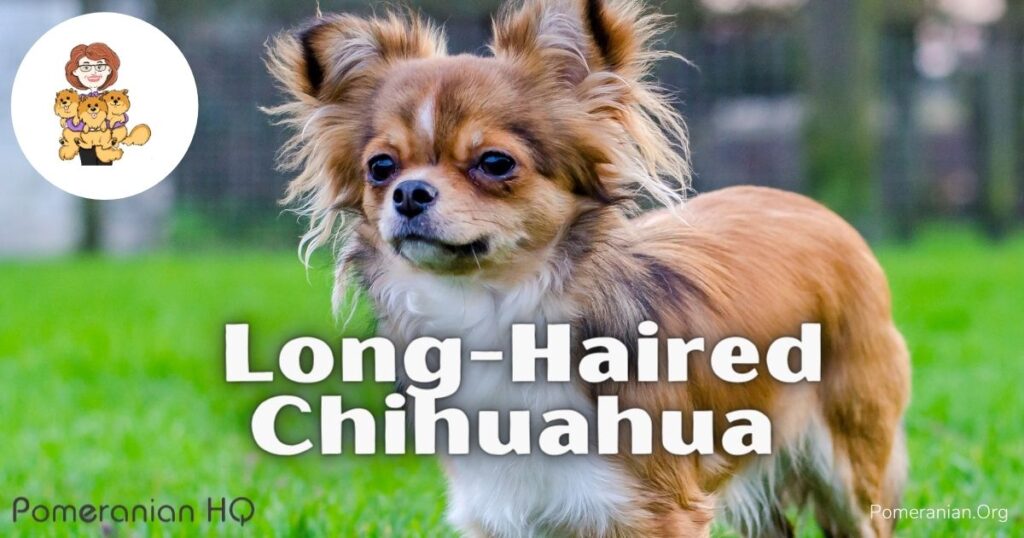
This long-haired Chihuahua is a very small toy dog, originally from Mexico. He’s a devoted dog who, despite his size, is courageous and fiercely protective of his family. He’s aloof and reserved when strangers are around. He’s an intelligent dog and can be easily trained. However, because he’s easy to provoke, he’s not the ideal dog for home owners who have small children.
This is the only toy dog that’s a bit smaller than a Pomeranian. He can adapt to humid, warm weather.
A Chihuahua usually wouldn’t resemble a Pomeranian, but if it’s a Long-Haired Chihuahua, then you’ll notice a few similarities.
His coat is much thinner, regardless of whether he has one or two coats, because the fur hugs his body. His legs and body are lean, and you may even think he’s a Pomeranian experiencing the “puppy uglies.”
Samoyed
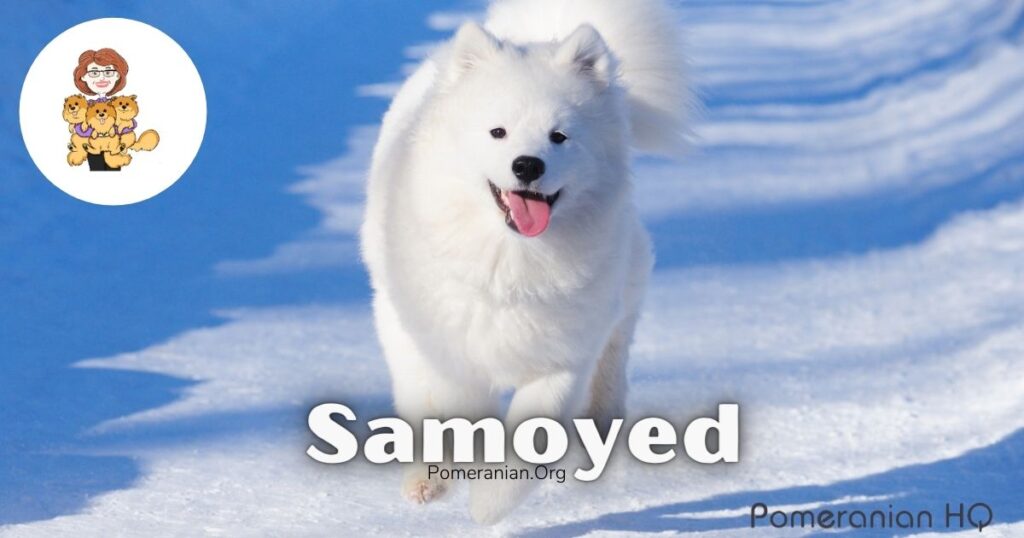
The Samoyed is a medium–to–large–sized herding dog that resembles a Spitz, originally from the harsh Siberian region of Russia.
He’s a strong, intelligent, hardy animal, an excellent working dog, and a great companion. His name is derived from the Samoyedic peoples of Siberia, who trained this creature to hunt reindeer.
The giant Samoyed resembles a Spitz, and he can live in harsh cold weather.
The Samoyed resembles the fluffy Pomeranian dog, with its wedge-shaped face and incredibly fluffy coat. This breed is more accepting of humans, including strangers, and will demonstrate its incredibly friendly personality to everyone.
The Pomsky
The Pomsky is a cross between two dog breeds: a Pomeranian and a Husky. What you end up with is a dog with special Husky colors. The Pomeranian’s personality is dominant in this dog, so he’s full of attitude and energy.
He’s also very affectionate, and that comes from both breeds. Pomskies are nearly always bred through artificial insemination due to the differing sizes of the two breeds. This is because natural breeding would likely be unsafe.
Schipperke
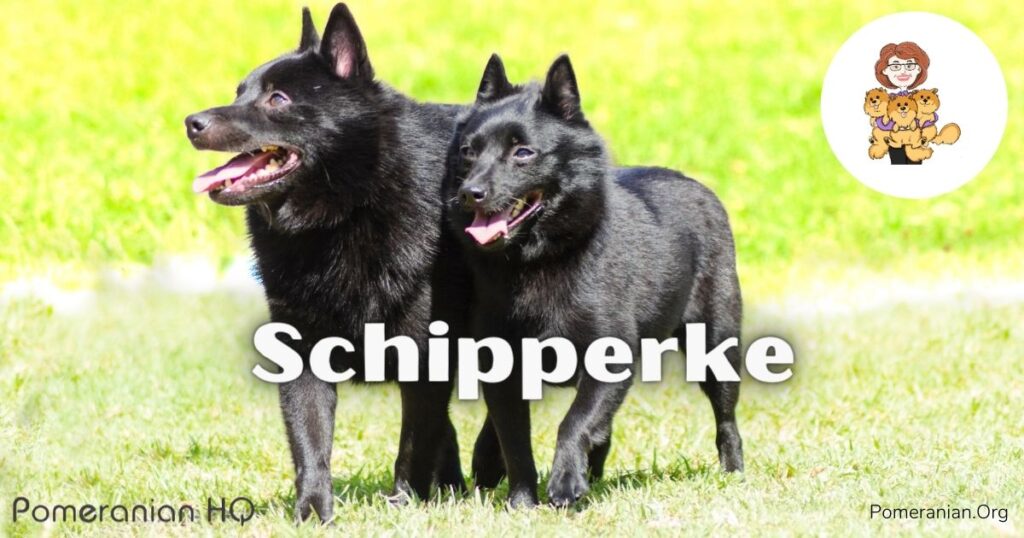
The Schipperke originated in Belgium and is another dog that resembles a fox, as the Pomeranian does. One major difference is that his coat is only one color – black. The hair is also much shorter than a Pom’s, so he can’t be called a fur ball. In a way, he looks like a Pomeranian, but with a trimmed, solid black coat.
The Schipperke often keeps his winning puppy personality for a couple of years, so be prepared for plenty of puppy mischief because he makes the perfect pet.
Papillon
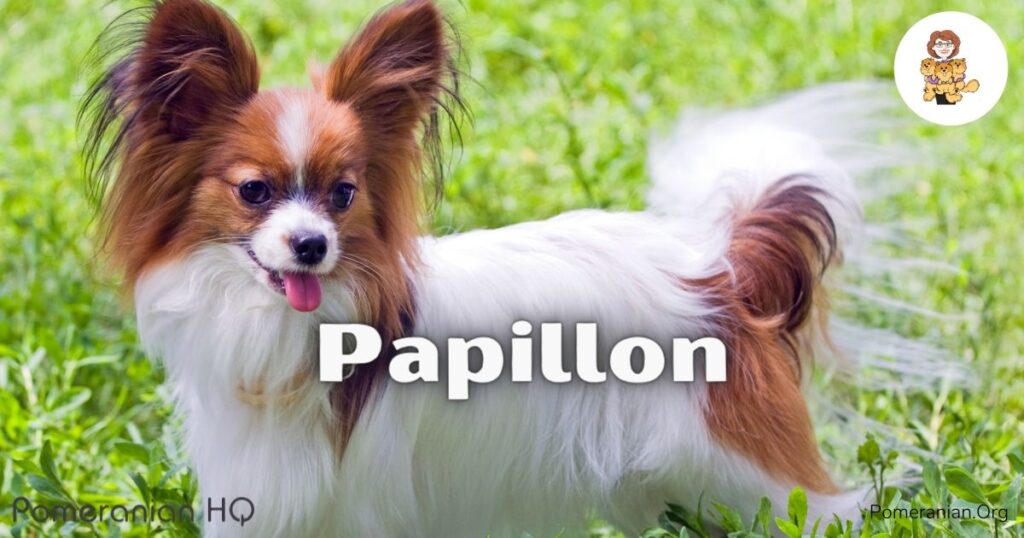
The Papillon looks a little like a young Pomeranian with a fox face before its full adult coat grows in. This dog, nicknamed “Pappy,” is similar in height and weight to a Pomeranian. There are also a few differences. His coat is single, silky, and always parti-colored. His big ears have fringes and stand up.
A Pomeranian has a dense double coat that can be one or a mix of colors and/or patterns. His ears are smaller and triangular.
Because the Papillon shares traits with the Pomeranian, some breeders cross the two breeds to create a “designer dog” nicknamed “Paperanian.” It’s unlikely that any kennel club would officially accept such a hybrid dog.
Japanese Chin
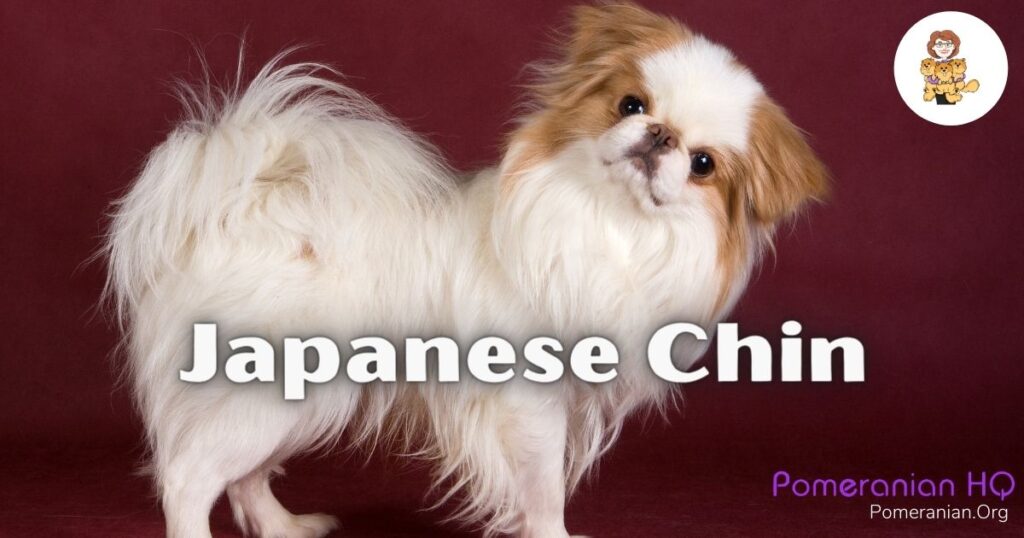
The Japanese Chin may be mistaken for an older Japanese Pomeranian if you don’t look at its face. His coat is flatter than a young Pomeranian’s. Despite his name, the Japanese Chin originally came from China.
The fur of this dog never has solid colors. Instead, the colors are either tri or parti-colors. Looking at his face, it’s obvious he’s not a Pomeranian.
The Japanese Chin is a brachycephalic breed, as is the (Asian) Pomeranian, both of which are among over a dozen dog breeds. The word means “short head” and covers several descriptive features.
Pomeranians and other dogs that meet the brachycephalic breed requirements have short noses and flat faces that look squished inwards or flattened. These features can make it difficult for the dog to breathe properly.
Which Breed Is Most Similar to the Pomeranian?
While many breeds share some characteristics with the Pomeranian, some are considerably closer in appearance, ancestry, and overall type than others. The following ranking reflects how closely each breed resembles the Pomeranian in terms of size, coat, expression, structure, and Spitz characteristics.
My Opinion: Having bred and judged Pomeranians, I consider the Kleinspitz and Mittelspitz to be the breeds most similar to the Pomeranian. This is hardly surprising, as the Pomeranian (Zwergspitz) is the smallest member of the German Spitz family.
Why Do So Many Dogs Look Like Pomeranians?
Many of the dogs that look like Pomeranians share a common ancestry. Most belong to the Spitz family of dogs, an ancient group of breeds that developed in northern Europe and Arctic regions thousands of years ago.
Spitz breeds are easily recognized by their distinctive appearance. Typical characteristics include:
Because these features are shared among many Spitz breeds, it is not surprising that numerous dog breeds resemble Pomeranians.
The Pomeranian itself is the smallest member of the German Spitz family. Its ancestors were considerably larger working dogs used for guarding, herding, and pulling sleds. Over time, selective breeding produced the compact companion dog we know today.
Many of the breeds featured in this article, including the Kleinspitz, Mittelspitz, Keeshond, Japanese Spitz, American Eskimo Dog, and Volpino Italiano, still retain many characteristics of their common Spitz ancestors. This explains why these breeds are often listed alongside breeds like Pomeranians, and why some people describe them as looking like Pomeranians but being bigger.
Even some non-Spitz breeds and crossbreeds can resemble the Pomeranian. Similar coat textures, facial features, and body proportions may cause casual observers to mistake them for a Pomeranian or one of its close relatives.
Having bred and exhibited champion Pomeranians for more than 50 years and judged the breed, I can usually identify a true Pomeranian instantly. However, it is easy to understand why newcomers to the dog world often wonder what dog is similar to a Pomeranian.
Many breeds share certain features, but none combine the Pomeranian’s unique size, glamour, expression, temperament, and personality quite so perfectly.
Frequently Asked Questions About Dogs That Look Like Pomeranians
What dog is most similar to a Pomeranian?
The Kleinspitz is generally considered the dog most similar to a Pomeranian. Both belong to the German Spitz family and share many physical characteristics. The Kleinspitz is larger and heavier, but closely resembles the Pomeranian in coat, expression, and overall appearance.
What dogs look like Pomeranians but bigger?
Some of the most popular dogs that look like Pomeranians but bigger include the Mittelspitz, Keeshond, Japanese Spitz, American Eskimo Dog, Volpino Italiano, and Samoyed. These breeds share many Spitz characteristics but are significantly larger than the Pomeranian.
What large dog looks like a Pomeranian?
The Keeshond is often considered one of the best examples of a large dog that resembles a Pomeranian. The Japanese Spitz, American Eskimo Dog, and Samoyed are also frequently described as big dogs that look like Pomeranians.
Is the German Spitz the same breed as the Pomeranian?
No. Although the Pomeranian belongs to the German Spitz family, it is recognised as a separate breed by most kennel clubs. The Pomeranian, also known as the Zwergspitz, is the smallest of the German Spitz varieties.
What small dog looks like a Pomeranian?
The Kleinspitz, Volpino Italiano, Long-Haired Chihuahua, Tibetan Spaniel, and some Pomeranian crossbreeds are among the small dogs similar to Pomeranians. However, each breed has its own unique characteristics and temperament.
Why do so many dogs look like Pomeranians?
Many dog breeds that look like Pomeranians belong to the Spitz family. These breeds share common ancestry and similar features such as erect ears, thick double coats, plumed tails, and fox-like expressions.
Are Pomskies and Paperanians purebred dogs?
No. Pomskies and Paperanians are designer crossbreeds. A Pomsky is a cross between a Pomeranian and a Siberian Husky, while a Paperanian is a cross between a Pomeranian and a Papillon.
Which breed is closest to the Pomeranian?
In my opinion as a Pomeranian breeder and judge, the Kleinspitz and Mittelspitz are the breeds most closely related to and most similar in appearance to the Pomeranian. This is because all three belong to the German Spitz family and share many breed characteristics.
Final Thoughts on Dogs That Look Like Pomeranians
There are many dogs that look like Pomeranians, ranging from closely related Spitz breeds such as the Kleinspitz and Mittelspitz to larger breeds like the Keeshond, Japanese Spitz, and American Eskimo Dog. Some crossbreeds and companion dogs may also share certain Pomeranian characteristics.
However, while these breeds may resemble the Pomeranian in appearance, none combine the same compact size, profuse double coat, spirited personality, and unmistakable charm that have made the breed so popular around the world.
Having bred and exhibited champion Pomeranians for over 50 years and judged the breed, I have encountered countless breeds that share some similarities with the Pomeranian. Yet I remain convinced that there is no true substitute for a well-bred Pomeranian.
Whether you are researching dogs that look like Pomeranians, dogs that look like Pomeranians but bigger, or simply curious about the breed’s relatives, understanding these similarities and differences can help you appreciate what makes the Pomeranian such a remarkable little dog.
Copyright Pomeranian.org. All Rights Reserved.
📚 References & Further Reading
- [1] AKC Pomeranian Breed Standard (2011)
- [2] English Kennel Club Breed Standard
- [3] The Pomeranian Handbook – Denise Leo
- [4] Denlinger, The Complete Pomeranian
- [5] Kimbering, 1891–1991
- [6] Taplin, The Sportsman’s Cabinet
- [7] Parker, The Popular Pomeranian
- [8] Ives, Show Pomeranians