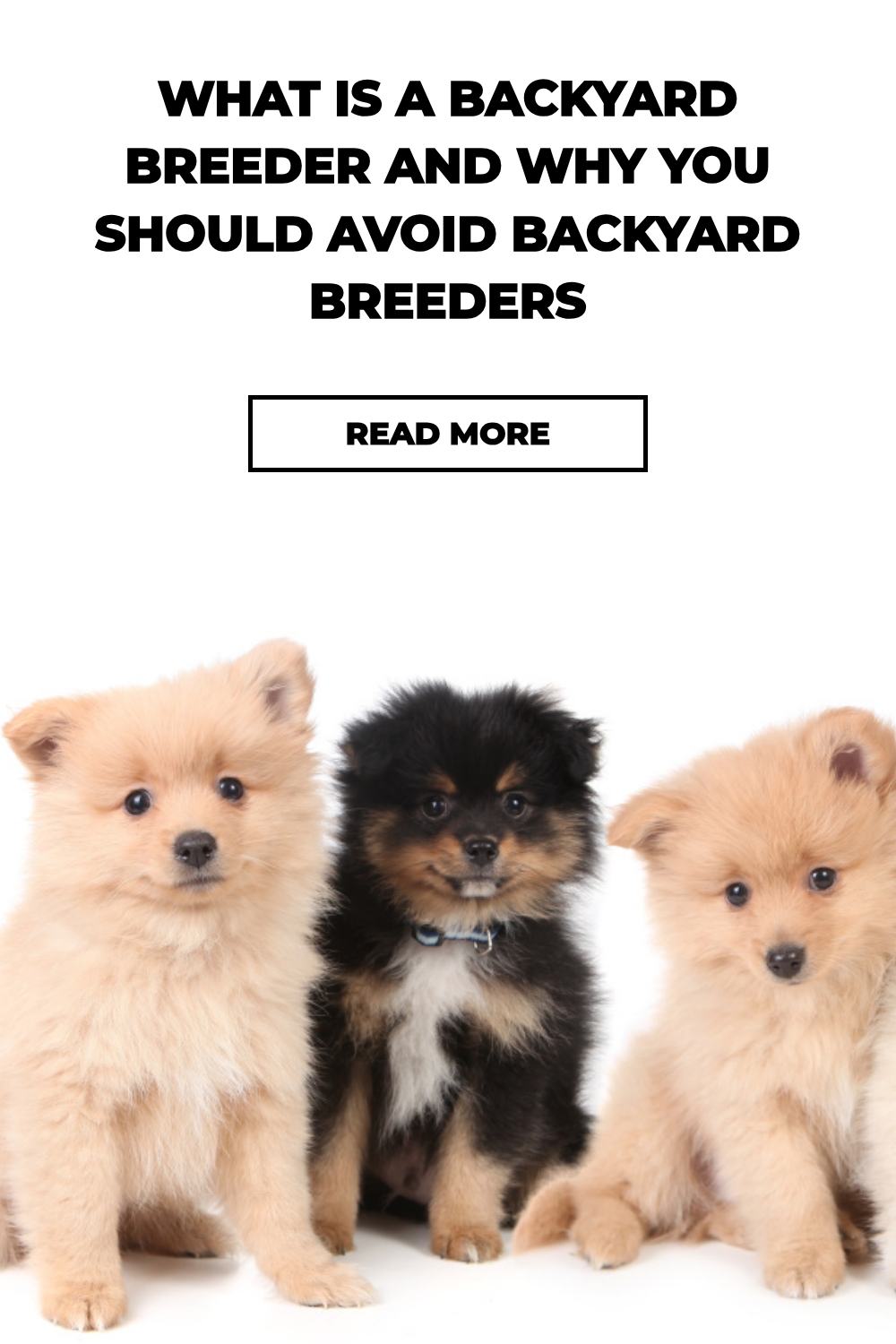

Welcome to our latest insight into responsible Pomeranian ownership and breeding. Today, we delve into the important topic covered by the article: “What is a Backyard Breeder? Backyard Breeder vs Reputable Breeder” from Pomeranian Headquarters.
While it might seem cheaper or more convenient to buy from breeders with minimal screening, the article clearly outlines the significant risks this approach entails.
Whether you’re a prospective puppy buyer, a seasoned exhibitor, or simply a passionate member of the Pom community (hello, #Dochlaggie folks!), It’s crucial to recognise the real difference between breeding done with heart, expertise, and integrity—and breeding done purely for profit.
Let’s explore why choosing wisely matters and how we can all support high standards in the Pomeranian world.
While it may cost you less to get a dog from a backyard breeder than from a reputable, show Pomeranian breeder, there are, sadly, very good reasons why. Those same reasons are why you should avoid backyard breeders.
Recently, there has been more exposure in the media regarding puppy mills, but it hasn’t covered the sad scenario of backyard breeding, despite increasing public awareness of animal cruelty.
These people are responsible for most of the overpopulation issues associated with animal shelters and forced euthanasia incidents. To really understand the problem with backyard breeding, you need to understand what a backyard breeder is.
What is a Backyard Breeder?
The term “backyard breeding” refers to breeding animals irresponsibly. Backyard breeders are people who don’t do any research on the breed and end up having a litter of puppies. They often buy breeding stock from other backyard breeders to meet demand for their animals.
In contrast to responsible breeders, these people have little experience or knowledge with breeding dogs. They typically produce litters for sale without taking the time to make good genetic matches. Irresponsible breeding, litters to make a profit off the so-called purebred dogs they own.
They may let these animals reproduce without knowledge or concern about their genetic health. Their main interest is making as much money as possible whilst spending as little as possible. They don’t care about the welfare of animals in their care, and that results in poor-quality specimens that deserve much better.
A backyard breeder breeds animals that often are not registered with an animal breeding association. Backyard breeders usually don’t prioritize animal health and may produce unhealthy offspring, which they then sell to unsuspecting buyers.
Sometimes, a backyard breeder doesn’t initially set out to harm, but their bitch may have an unwanted pregnancy because they failed to have her desexed.
Sometimes they’re bred so puppies can be sold for a quick profit. “Puppy farm” or “puppy mill” are the two most commonly used terms to describe this behavior when done on a large scale.
Some breeders think they can produce good-quality show dogs and rake in the big money. Other backyard breeders assume that all dogs must make one or more litters to feel fulfilled.
However, the most common reason a backyard breeder does it initially is with the best intentions. They have a really great, loving pet, and they believe that having lots of puppies will enable others to have a similar wonderful experience.
11 Signs of a Backyard Breeder
I think it is a personal decision whether you purchase your next pup from an experienced preservation breeder or adopt one.
If you’re going to purchase a puppy from a dog breeder, here are some things that will help determine whether or not they’re responsible. If you’re looking for a reputable breeder, these guidelines will help you consider a few points. Always use your best judgment.
- You’re not allowed to visit the dog breeder.
- You’re not allowed to see the pup’s parents or the other dogs.
- The puppies can leave their mom before they are 8 weeks old.
- The dog breeder does not ask about the type of home you can provide for the puppy. To a responsible breeder, the puppy is like their child, and they want to ensure that it goes into an excellent home.
- The breeder has many different breeds. Good breeders are focused on bettering their breed, but it would be impossible to focus on four or five other species.
- Puppies are always available.
- The dog breeder does not provide a sales contract. The contract should state that the breeder offers a health guarantee, what they expect from their buyers, and what the buyer can expect from the seller.
- The breeder doesn’t want to hear from you after they sell their puppy. Good breeders will be available to answer any questions and provide support for the pup’s life.
- The breeder does not prove their dogs in the show ring before breeding. Proving in the show ring is a crucial tool for temperament testing, behavioral issues, and setting breed type.
- The dog breeder is not active in any breed-specific clubs.
- Ethical Pomeranian breeders conduct comprehensive health tests on their breeding dogs and provide clear documentation of the results to buyers.
- A responsible breeder will require the dog to be returned if you can no longer care for it.
Backyard Breeder vs Reputable Breeder
What separates backyard breeders from genuine, responsible, reputable breeders is the standards the breeder meets before even planning a litter, and the care provided for the dogs and litters.
Good intentions often aren’t enough.
Puppy mill owners work on the premise of high-volume breeding with only minimal care and poor living conditions.
Backyard breeders are a bit different in some cases. Those who are only keen to make huge profits are virtually the same as the mill owners. Big litters, various breeds, dirty cages for homes, and poorly fed animals are the result of their lack of care.
Puppies in pet stores are usually sourced from puppy mills and backyard breeders.
There are others involved in backyard breeding who may appear harmless at first or can be hard to identify. They only breed one or two litters and house them inside, so others aren’t aware of what they’re doing.
They may raise both parents and even let you see them when you meet the puppies. You’ll naturally assume they have been cared for properly, as they’ll all look clean and happy.
You won’t suspect they’re backyard breeders, even though they have the best intentions, and there are times when they don’t even think they’re doing anything wrong.

What’s Wrong With Backyard Breeding?
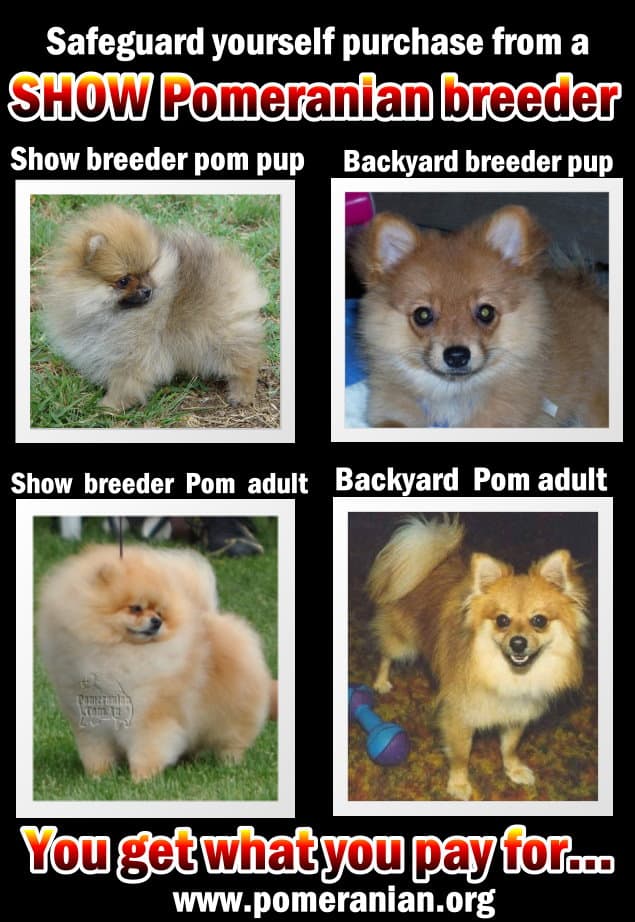
The first obvious fact is that they don’t have the knowledge and experience that a genuine show Pomeranian breeder has when it comes to breeding their chosen breed.
The genuine show Pomeranian breeders can breed for ideal qualities and reduce any unwanted characteristics, and they’ll usually have some knowledge of genetics.
They keep comprehensive files on all their dogs and puppies, often going back a few generations. Serious health concerns can be screened for.
On the other hand, a backyard Pomeranian breeder will have some knowledge of his breed and will assume responsibility for the rest.
Backyard Pomeranian breeders typically simply mate their bitches to the most conveniently located and available male. Perhaps their own male or a friend’s dog, without any health screenings, research on the breeding lines, or any compatibility concerns.
The backyard Pomeranian breeder’s bitch may have a genetic predisposition towards luxating patellas or other problems he may not know about. Because prior generations lacked sufficient knowledge, new owners may incur thousands of dollars in expenses to address major health problems.
Even worse, the new owner may have a temperamental dog that ends up being left at a shelter or, sadly, euthanized. Show Pomeranian breeders, on the other hand, will devote many hours to planning a litter with dogs that are true to the Pomeranian Breed Standard, have been temperament tested, proven in the show ring, and have been health tested.
Reputable Breeders
The objective of SHOW dog breeders is to preserve dog breeds, contribute to the advancement of the breed by producing dogs that are healthy in mind and body, and are as close as possible to the Breed Standard.
Animal welfare is always a top priority in responsible breeding. These dog breeders also provide support for shelter animals.
Most genuine dog breeders will place restrictions on the puppy owner’s right to breed. They will have pet puppy buyers sign a specific contract promising they won’t breed the puppies, thereby avoiding the creation of substandard litters. Some will offer a partial refund if a buyer provides a neuter/spay certificate from their vet.
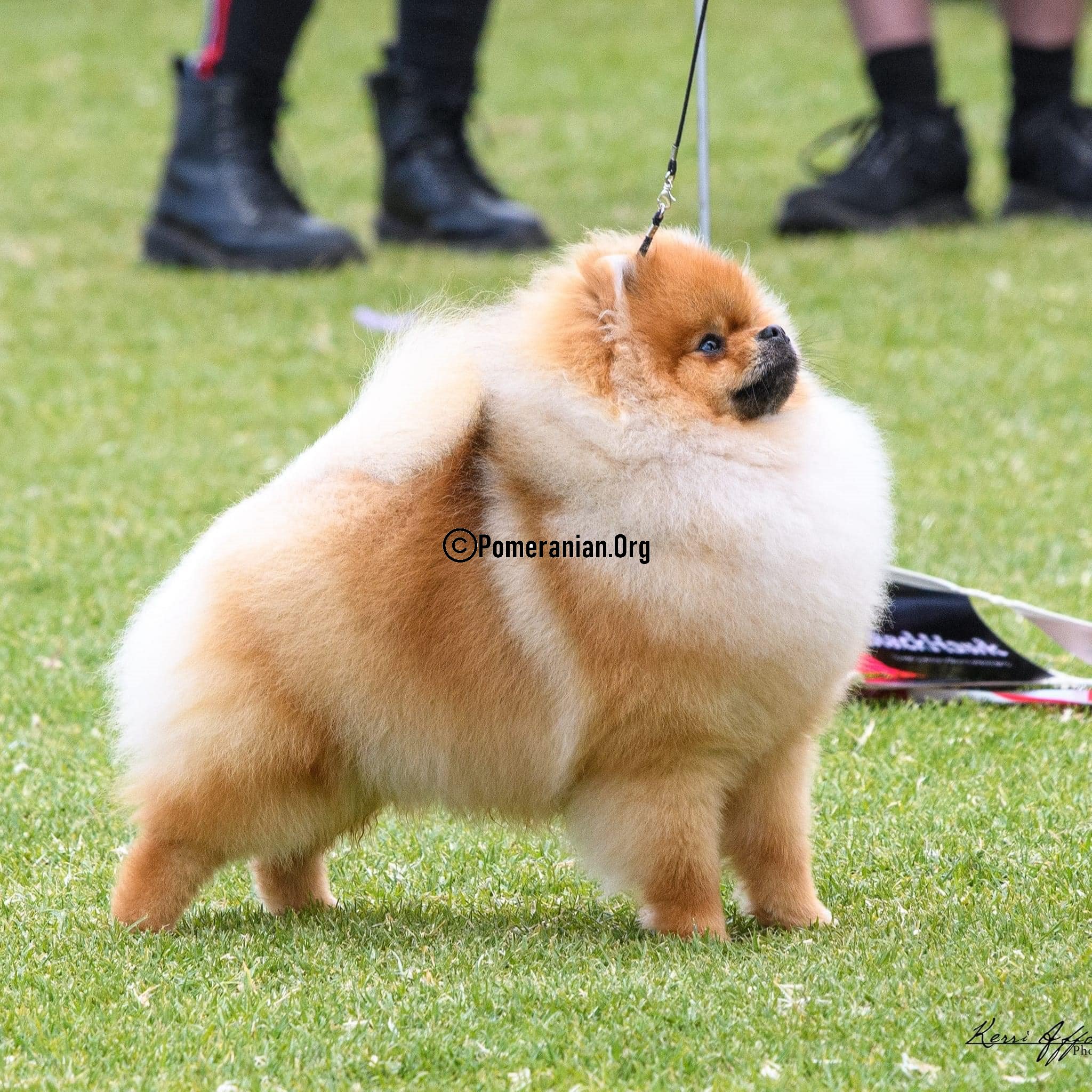
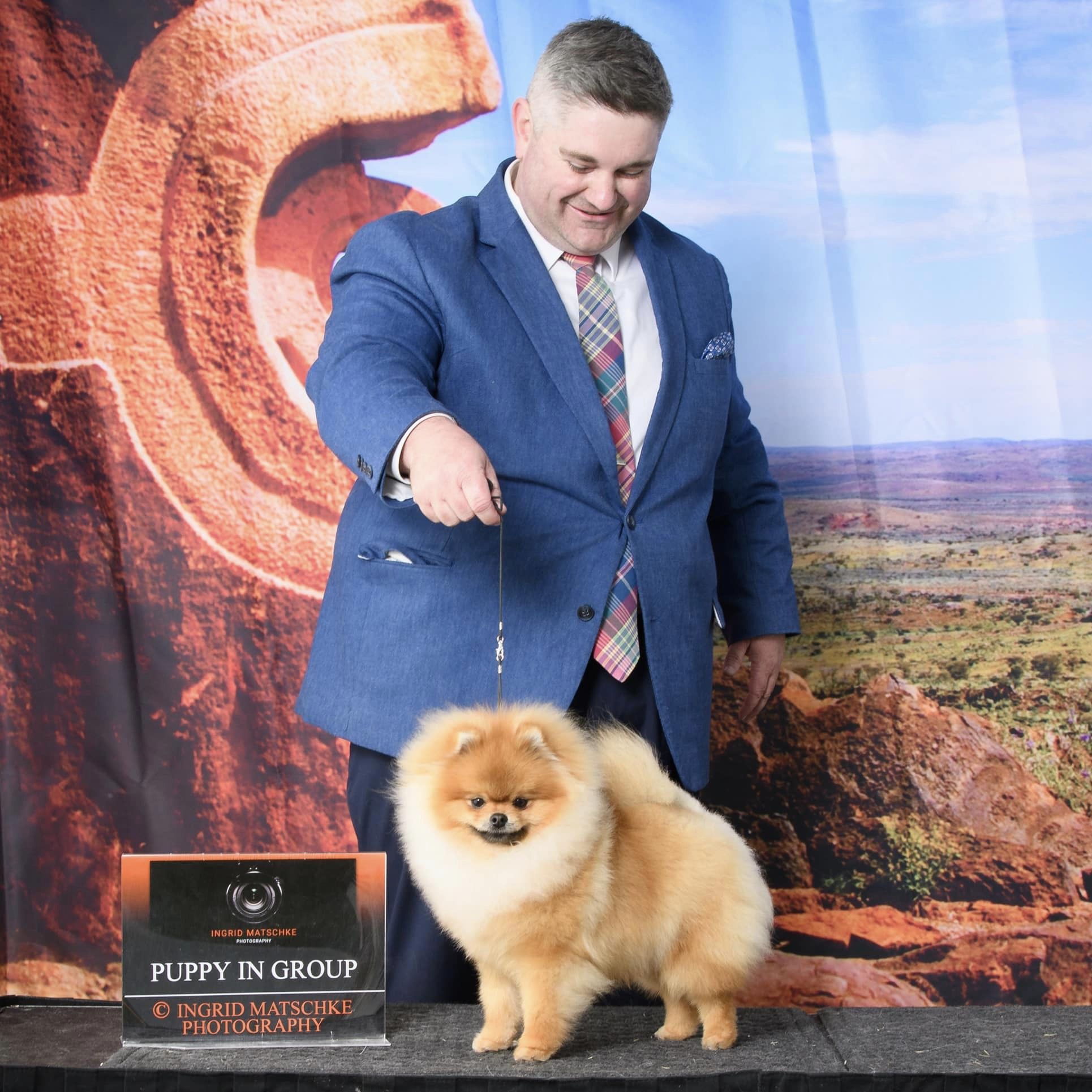
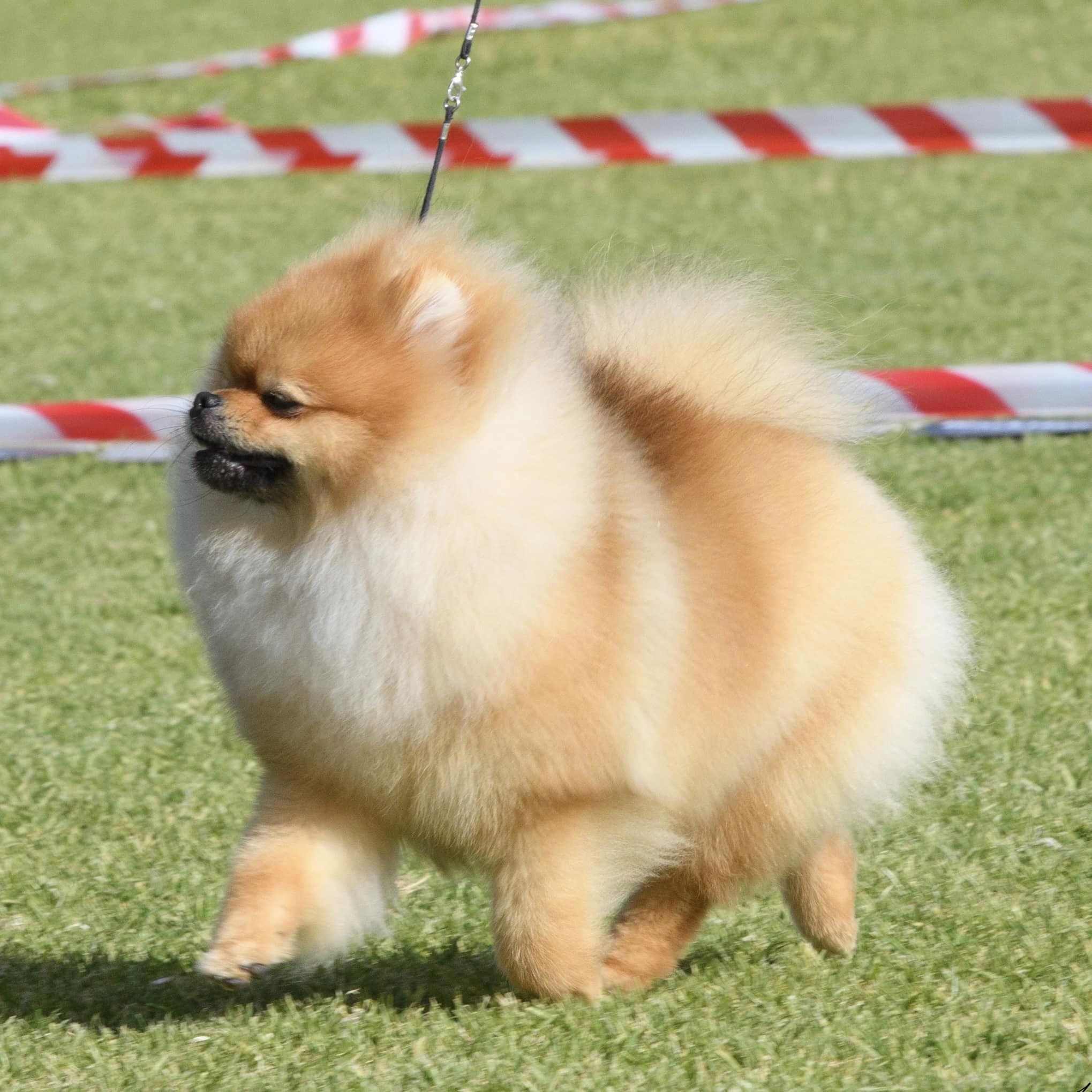
Many Pomeranian lovers regard breeding high-quality, healthy Poms as an obsession. Their lives are centered around their dogs, and they join their national breed clubs and national breed-specific clubs. These people are sometimes called hobby breeders and compete in performance events and conformation shows.
They’re generally known as preservation or responsible breeders, but that doesn’t fully describe their complete dedication.
Lots of people assume good breeders breed puppies for money.
Serious show Pomeranian hobby breeders are not breeding dogs for that reason. It’s purely because they love their chosen breed of dog. The amount of money they spend on their dogs far outweighs the amount they would ever get back.
Don’t be Fooled by the Term “Registered Breeder”
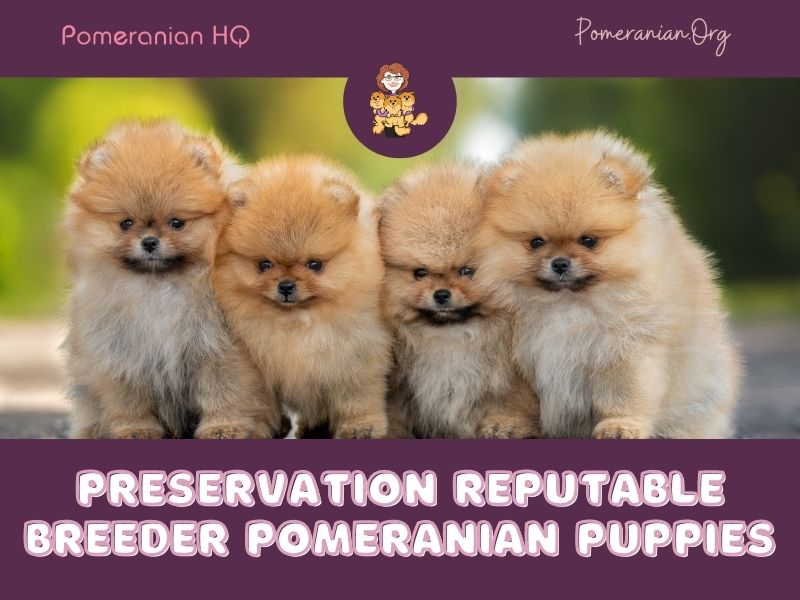
Anyone can easily join the Kennel Club and become a registered breeder. Registered Pomeranian breeders can also be backyard breeders. Would-be Pomeranian puppy owners need to recognize and understand the real difference between show Pomeranian breeders and registered backyard breeders.
The incentives are very high to be a registered breeder: higher prices, easier to advertise and sell Kennel Club-registered pups. Don’t be fooled into purchasing a Pomeranian puppy from a registered backyard Pomeranian breeder.
Final Thoughts
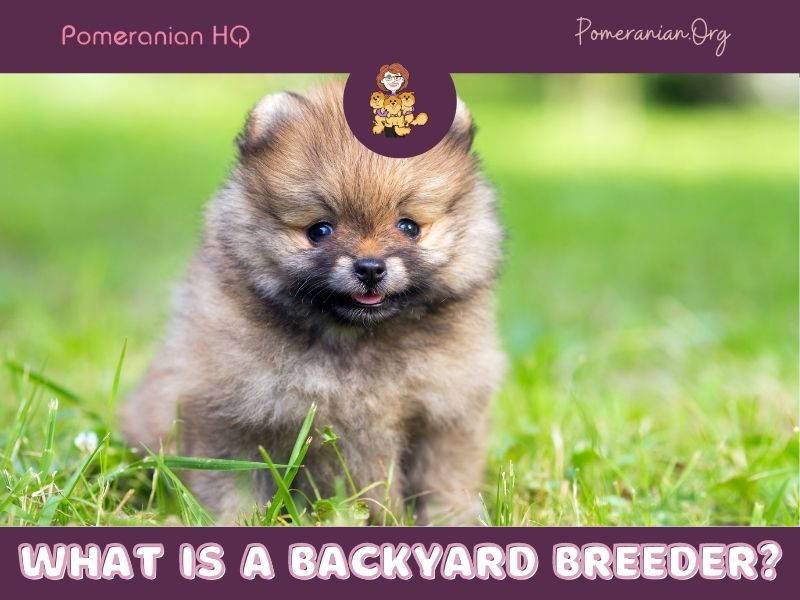
Backyard breeders are people who breed their often non-pedigree AKC dogs with other dogs to produce pups for sale. The parents can be purebreds or even crossbred dogs. Usually, no screening is done when selecting breeding pairs.
However, the irresponsible breeder may not be aware that this practice is unethical for many reasons, including that it can lead to genetic health problems in offspring.

Copyright Pomeranian.Org. All Rights Reserved.
References and Further Reading:
[1] Official Standard of the Pomeranian (AKC). American Kennel Club, 2011.
[2] Official English Kennel Club Pomeranian Breed Standard, 2017.
[3] Kimbering Pomeranians “1891-1991”.
[4] Denise Leo, The Pomeranian Handbook.