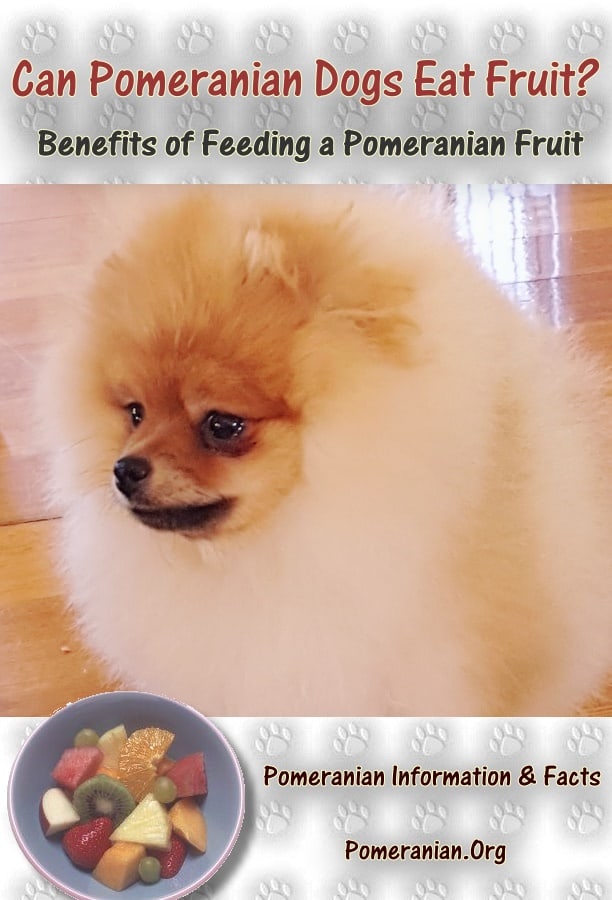

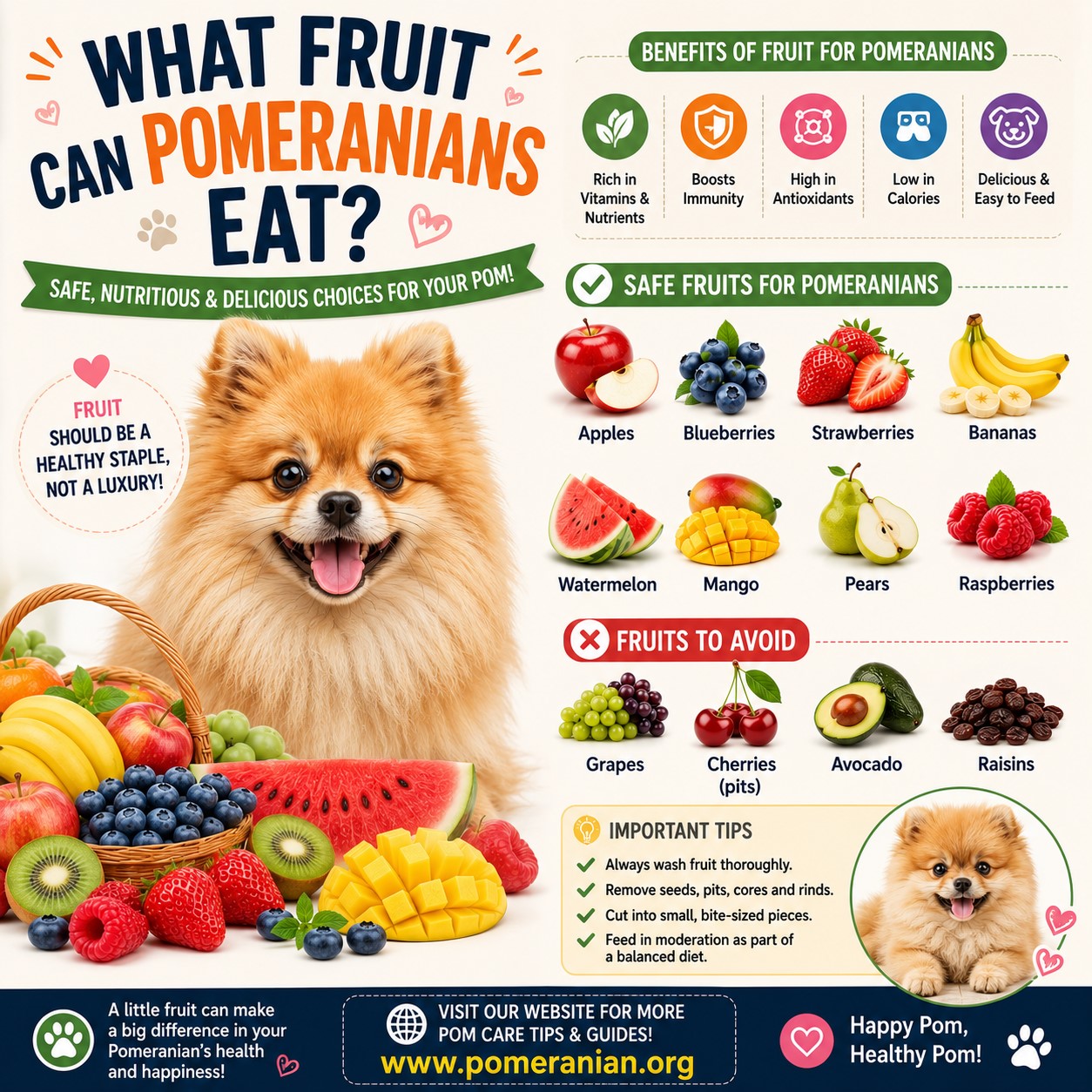
If you’re wondering what fruit Pomeranians can eat, you’re not alone. Many fruits can be a healthy and delicious treat for your Pomeranian when fed in moderation.
Fruits provide vitamins, antioxidants, fiber, and hydration, but not all fruits are safe for dogs. In this guide, you’ll discover the best fruits for Pomeranians, which fruits should be avoided, and how to safely add fruit to your Pom’s diet.
What Fruits are Safe for Dogs?
All foods should be eaten in moderation. Too many carbs, too much sugar or fat, and not enough protein can lead to an unbalanced diet. Your dog won’t be healthy if all he eats is fruit. However, snack ideas can’t get any better than fruit.
What Fruits Can Puppies Eat?
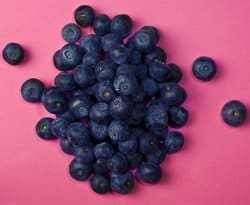
Blueberries.
These berries sit at the top of the fruit list for dogs. They contain more antioxidants than any other fruits, seasonings, or vegetables. Most antioxidants are phytonutrients, and anthocyanins (another phytonutrient) give the berry its dark color.
These berries are also excellent anti-inflammatories. The best blueberry is a raw, organic blueberry. Cooking kills most of the nutrients. Human studies have shown that blueberries help improve cognitive function and memory. It’s harder to study dogs for these specific issues. However, canine studies have revealed that heart disease can be prevented and cancers such as small intestine, colon, breast, and oesophageal can be reduced in strength.
Nutrition: ¼ cup of blueberries only has 22 calories and no sodium, cholesterol, or fat. They have vitamins (B6 and C) and minerals (magnesium and iron). They have a low GI score of 40. Adding them to your dog’s diet:
Pomeranians LOVE blueberries. They’re easy to mix with his food or give him some as a snack. But be careful, or he’ll start begging for more all the time. If your adult Pom is having other fruits, don’t give him more than ¼ cup of blueberries per day. Puppies should have half this amount.
Mix them well into his food so he doesn’t selectively eat them and ignore everything else in his bowl. The berries can be frozen for up to six months, as freezing doesn’t affect their nutritional value. Dogs love the frozen berries in Summer.
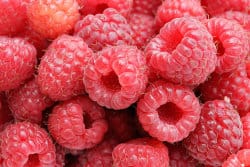
Raspberries. Raspberries are almost as good as blueberries in many ways. Organic raspberries are much healthier than non-organic varieties due to their higher antioxidant levels. Raspberries should be bought when they’re bright red and used up within 3 days.
Health properties: Raspberries have anti-cancer properties, mainly due to phytonutrients (as with blueberries). The cancers affected are: prostate, colon, cervical, oesophageal, and breast. Nutrition: A ¼ cup of raspberries has a mere 17 calories. They have lots of vitamins and minerals, including vitamins E, C, and K, folate, copper, fiber, magnesium, biotin, omega-3 fats, manganese, and potassium. The GI number is 40, as with blueberries.
Diet: The principles for using raspberries are mainly the same as with blueberries.
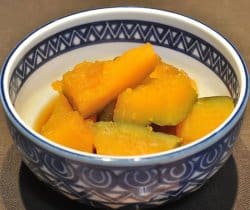
Pumpkin. Pumpkin isn’t like most other fruits because it can’t be fed to your Pomeranian regularly. It has major benefits in specific situations, which is why it’s high on the list of good fruits. Firstly, this information solely relates to 100% pumpkin, not a can you buy at the supermarket that contains a pumpkin pie filling. Always read labels before making a purchase, and you really should spend most of your time in the fresh produce section.
Benefits of pumpkin: It can ease constipation, diarrhea, and an upset stomach. If your Pomeranian has these issues, feed him some pumpkin until the problem settles. If he has diarrhea, his stool will return to normal. If he.
An upset stomach will settle on its own. Pumpkin has plenty of soluble fiber, which helps make your Pom “more regular” rather than at one extreme of the spectrum. However, you only feed him two teaspoons if he’s an adult or one teaspoon for puppies.
This can be included in a meal of plain chicken and bland rice. Pumpkin can treat coprophagia. This is when he eats his own feces or the feces of other dogs and/or cats.
Stress and an unbalanced diet may contribute to this problem. Add a spoonful of pumpkin to help with digestion and change the taste of his feces, two elements that can fight coprophagia.
Weight problems: Apart from senior Pomeranians, it’s uncommon for Pomeranians to be very overweight. If your dog is carrying excess weight, pumpkin is a great option because it satisfies him quickly and keeps him full longer. This is very useful if you need to decrease the amount of food you give him.
Nutrition: ¼ cup of pumpkin only contains 8 calories. It also contains vitamins and minerals, including vitamins C, A, and B6, magnesium, and iron. It sits at 70 on the glycaemic index (high) but is only a 3 on the glycaemic load. The difference is what matters.
The GI doesn’t account for variations in food serving sizes, including fruits, so the high reading may be incorrect. The Load is based on the specific size of the serving of whatever food you give your Pomeranian. Anything under 5 is regarded as a good level.
Diet: Ask your vet before adding pumpkin to your beloved pet’s diet. It’s only necessary if he has intestinal problems such as constipation and diarrhea, as diagnosed by your vet in the first place. A puppy can have 1-2 teaspoons, and an adult can have 1-2 tablespoons.
Mixing it with plain white rice and plain chicken breast will make the meal more palatable. If your Pom has coprophagia, pumpkin may also help. However, coprophagia is an unusual health problem because dogs may respond differently to different treatments. Poms may slowly develop resistance to a treatment that initially works.
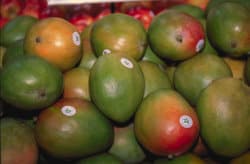
Mango. This stone fruit is full of delicious juice and is native to South Asia. The mango is listed here as one of the best fruits for various reasons. It’s very healthy in that it has plenty of vitamins and other nutrients. It’s 84% water and is low in calories.
Toxic core: As with many stone fruits, the mango’s core is toxic. Be wary of this and always remove the core before feeding your Pomeranian fresh mouth-watering chunks. Otherwise, he’ll try to eat through the core, which is something he may actually do, to the detriment of his health.
Nutrients: a quarter cup of mango pieces contains a mere 25 calories. It contains many nutrients, including vitamins K, B, and A, as well as minerals such as beta-carotene, folate, riboflavin, manganese, niacin, and potassium. The mango contains more vitamin C than any other food except oranges.
The vitamin C in mangos is a very strong antioxidant that has many benefits, including: reducing cell DNA damage that may cause cancer, decreasing the risk of cataracts, improving overall cardiovascular health, acting as a natural antihistamine that can ease congestion in your Pomeranian’s chest, easing symptoms of allergies, and keeping skin as healthy as possible.
The folate in mangos helps produce healthy red blood cells. Vitamin B6 helps keep your Pom’s fur, eyes, and skin as healthy as possible.
Diet: The ideal way to feed mango to your Pomeranian is by cutting it up into cubes. If it’s mixed in with his kibble, he’ll enjoy it more, and that can entice him to finish his food.
Fruits Dogs Can Have
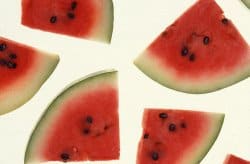
The above list doesn’t contain ALL the safe fruits dogs can eat; it just lists the best fruits safe for dogs. However, whatever you feed your Pomeranian should be in moderation. Too much of any food can cause health problems.
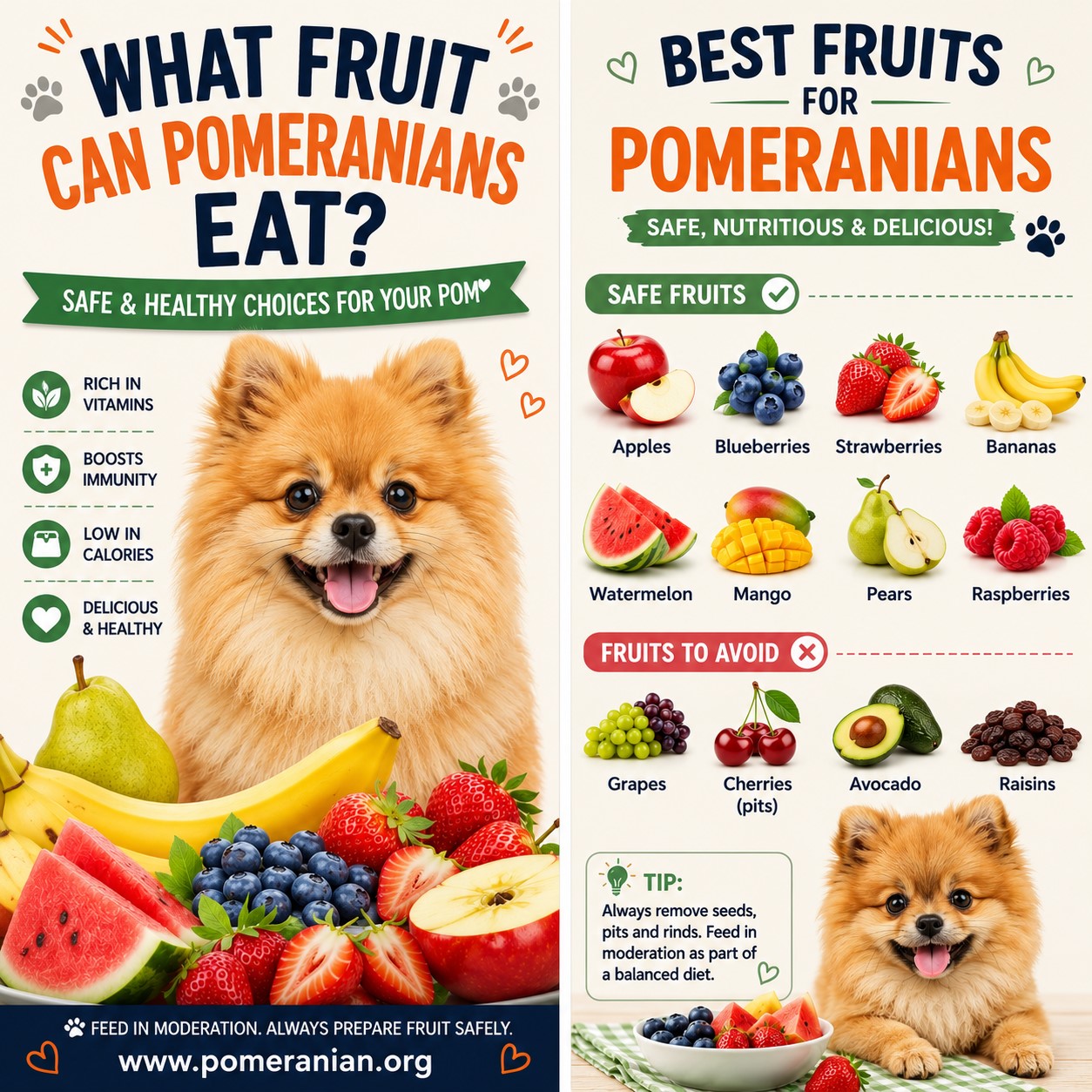
This is a list of the fruits safe for dogs
- Watermelon is 92% water and perfect for those hot days when you want to keep your beloved pet hydrated. Because it has flavor, it’s more enticing than water on its own. • Apples are good and bad. You can’t feed your Pomeranian the core or seeds, but some bite-sized slices will keep him healthy.
- Bananas are ok in moderation. Too much may cause constipation, but a few slices are fine unless your dog has kidney disease or Addison’s disease; in that case, bananas are a big no-no.
- Strawberries.
- Pineapple.
- Oranges, but only the occasional slice due to their high sugar content.
- Cantaloupe.
- Kiwifruit.
- Nectarines.
- Cranberries can control and/or prevent urinary tract infections.
- Pears.
Can Pomeranian Puppies Eat Fruit?
Pomeranian puppies can enjoy small amounts of fruit once they are eating solid food. Soft fruits such as blueberries, bananas, watermelon, and strawberries are usually well tolerated. However, fruit should only be offered occasionally and should never replace a balanced puppy diet designed to support healthy growth and development.
Fruit that a dog may eat, but be aware of the risks.
- Apricot. The pit is toxic, and it’s very hard to remove the flesh from it because of its shape and size, so only use apricots if you’re prepared to do the hard work.
- Avocado is toxic to cattle because it contains a toxin called persin. It’s not a problem for cats and dogs. However, the fact that it IS dangerous to bigger animals means it’s frequently listed as a dangerous food for all animals. If your Pomeranian eats a small amount, he should be fine, but why take the chance?
- Tomatoes ARE a fruit, despite much controversy. The green leaves are very toxic, so if you happen to grow tomato plants, keep your dog away from them. But adding tomato to his food gives him another delicious flavor to enjoy.
- Olives. The pits are high in sodium, which is unhealthy for Pomeranians, and so they’re best avoided. If your Pom does happen to eat a pitted olive, get him to the vet because the pit may have difficulty going through his system.
Dogs must NEVER eat these highly toxic fruits:
- Coconut can cause bloating and an upset stomach due to medium-chain triglycerides.
- Cherries. The seeds contain cyanide, and because it’s extremely difficult to separate them from the rest of the fruit, never feed these to your Pomeranian.
- Grapes are among the most toxic foods for dogs anywhere in the world, being not only poisonous but also can actually kill dogs who eat them.
- Currants and raisins. Some currants are technically called grapes, and there are numerous types of currants, so it’s definitely a food to avoid.
- Grapefruit contains psoralens and oils that can cause diarrhea, vomiting, depression, light sensitivity, and changes in behavior.
How Much Fruit Should a Pomeranian Eat?
While fruit can be a healthy addition to your Pomeranian’s diet, it should only be fed in moderation. Fruit contains natural sugars, and too much can lead to digestive upset, weight gain, or loose stools.
As a general rule, treats, including fruit, should make up no more than 10% of your Pomeranian’s daily diet. The remaining 90% should consist of a complete and balanced dog food appropriate for your Pom’s age and activity level.
For most adult Pomeranians, a few small pieces of fruit several times a week is plenty. When introducing a new fruit, start with a tiny amount and monitor your dog for any signs of stomach upset or allergies.
Remember that every dog is different. Some Pomeranians happily enjoy a variety of fruits, while others may have sensitive digestive systems and tolerate only certain fruits.
Preparing Fruit Safely for Your Pomeranian
Before offering fruit to your Pomeranian:
- Thoroughly wash all fruit to remove dirt, pesticides, and chemicals.
- Remove seeds, pits, stones, and cores, which can be choking hazards or contain toxic substances.
- Cut fruit into small, bite-sized pieces suitable for a toy breed.
- Remove thick skins or rinds that may be difficult to digest.
- Avoid canned fruit packed in syrup or fruit products containing added sugar.
- Never feed moldy or spoiled fruit.
Taking a few simple precautions will help ensure fruit remains a safe and healthy treat for your Pomeranian.
Conclusion
Providing your Pomeranian with a safe, balanced diet is one of the most important things you can do to support its health and well-being. While high-quality dog food should form the foundation of your Pom’s diet, healthy treats, such as dog-safe fruits, can provide additional nutrients, variety, and enjoyment.
Before offering any fruit, always ensure it is safe for dogs, prepared correctly, and fed in moderation. Every Pomeranian is unique, so pay attention to how your dog responds to different foods and consult your veterinarian if you have any concerns.
By making informed choices about what your Pomeranian eats, you can help your beloved companion enjoy a healthier, happier, and longer life by your side.
Copyright Pomeranian.org. All rights reserved.
References and Further Reading:
[1] Denise Leo, “The Pomeranian Handbook”.