
The Wolf Sable Pomeranian is one of the breed’s most striking and distinctive coat colors. Characterized by a grey undercoat combined with black-tipped guard hairs, this beautiful color gives the dog a unique wolf-like appearance that sets it apart from more common shades such as orange and cream.
While wolf sable Pomeranians are less common than many other colors, they are highly prized by enthusiasts for their dramatic coloring and eye-catching looks. In this guide, you’ll discover everything you need to know about Wolf Sable Pomeranians, including color genetics, puppy coat changes, rarity, breed standard requirements, and what makes this fascinating color so special.
What is a Wolf Sable Pomeranian?
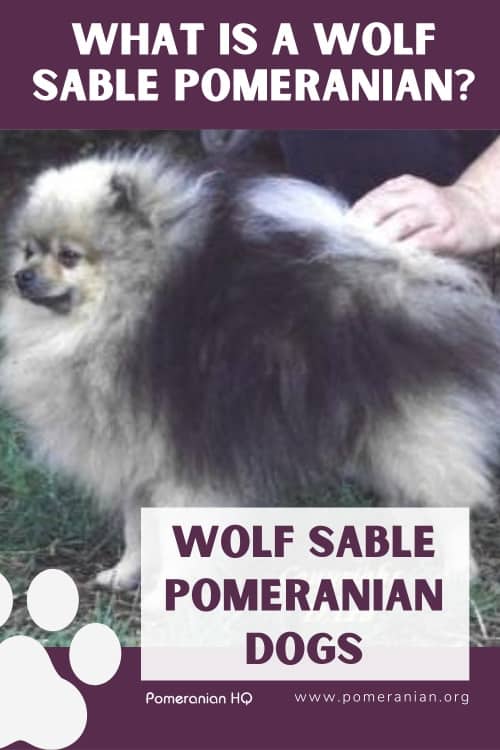
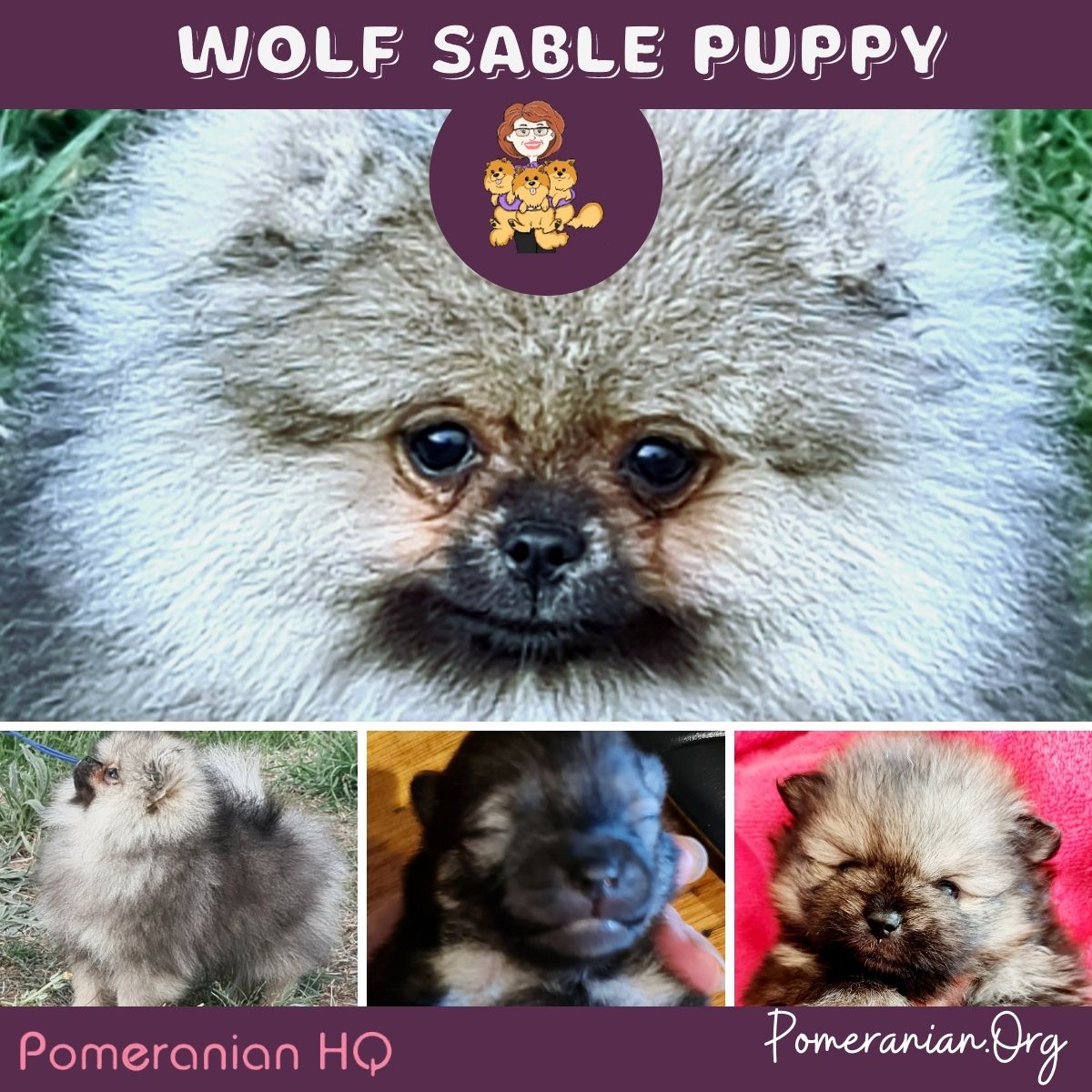
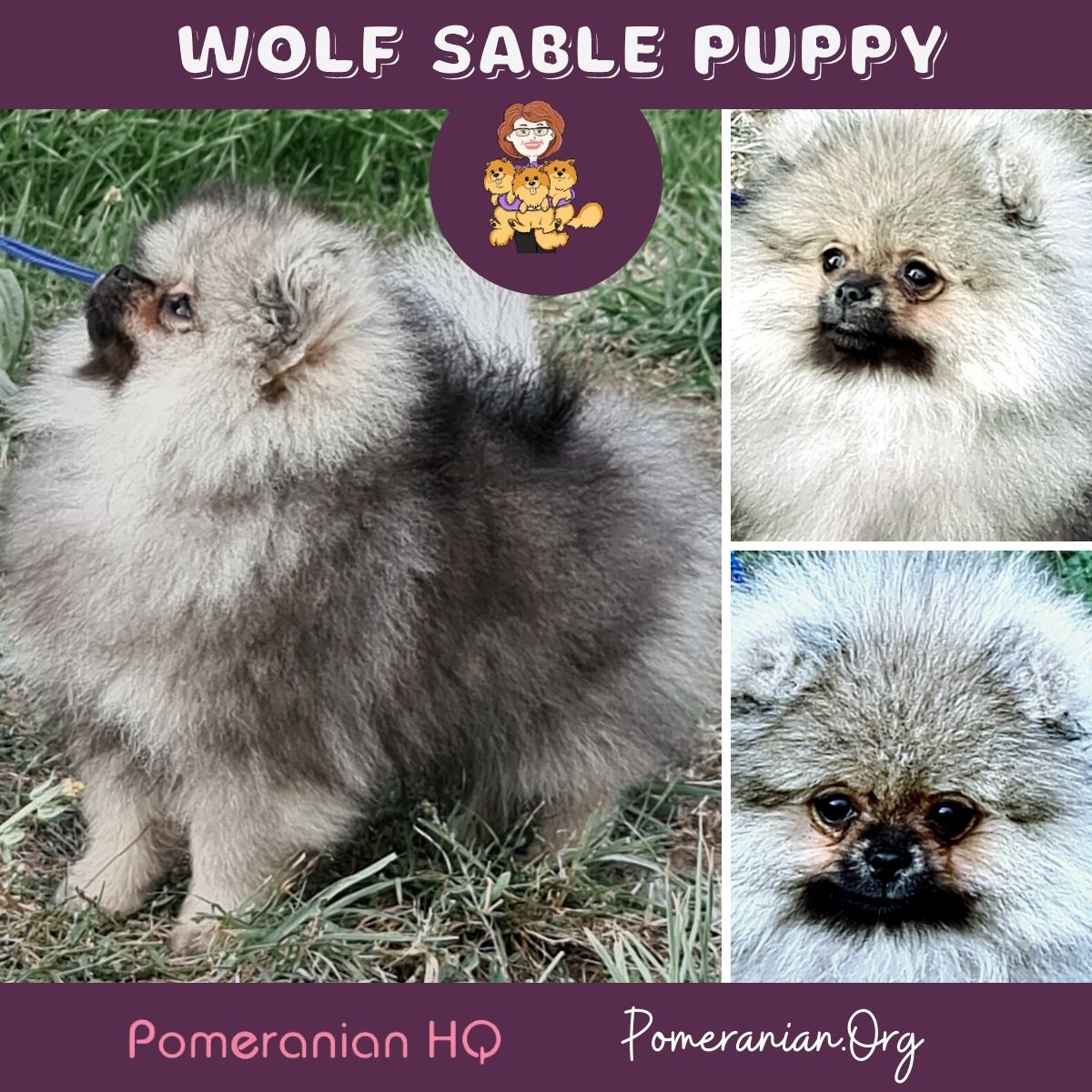
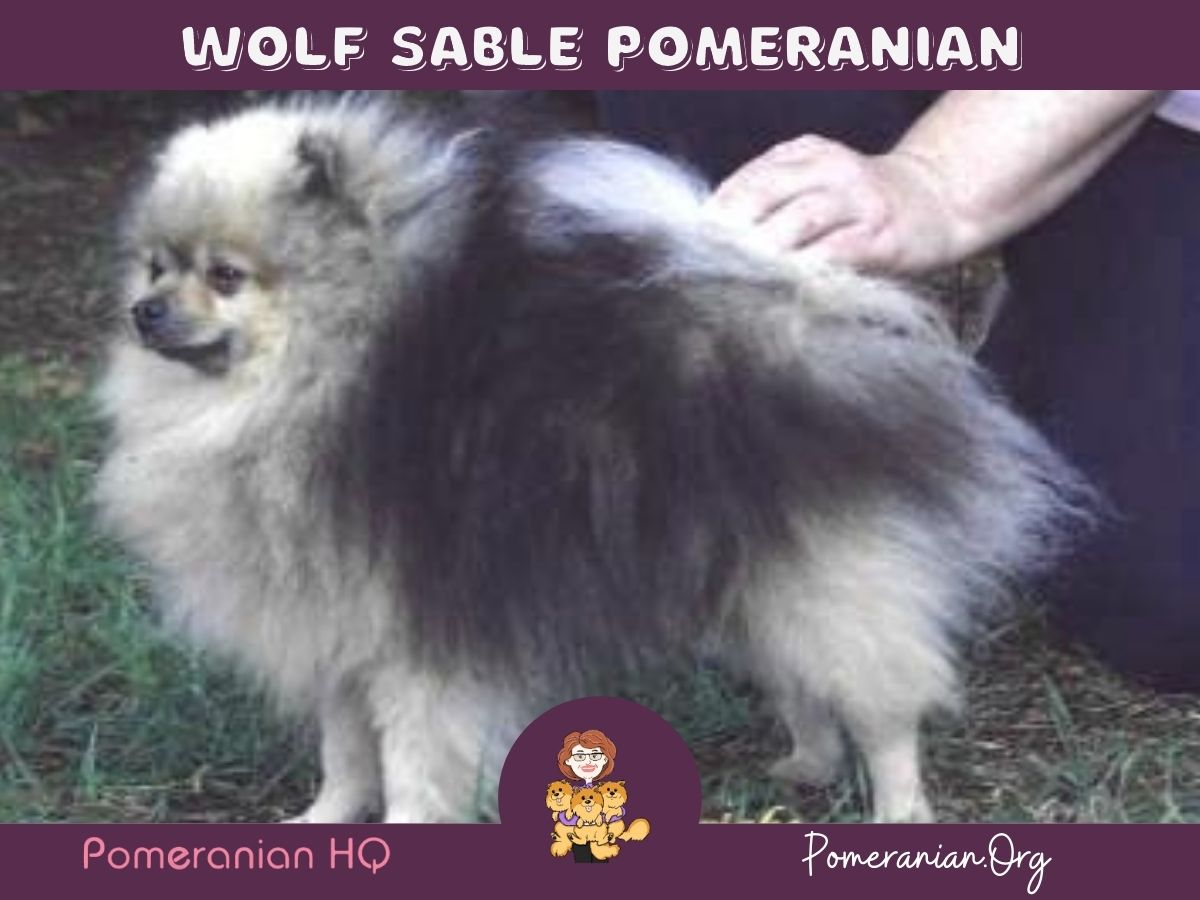
A wolf sable Pomeranian is a grey Pomeranian, or a better description is grey sable Pomeranian. The coat of a wolf sable Pomeranian consists of a light gray undercoat, and the guard hair is a darker gray with black tipping. The gray Pomeranian undercoat and guard hairs can vary in color from silvery off-white to a light gray.
The adult wolf-colored Pomeranian usually has the harshest, stand-off coat compared to other Pomeranian colors. As with all the sables, great care must be taken when trimming the sable wolf Pomeranian for show purposes.
The wolf Pomeranian must not have any hint of orange in its coat. Eye rims, nose, lips, and pads (the points ) are always black.
Basically, a wolf-colored Pomeranian dog has a coat of varying shades of gray, with the guard hairs ending in black tipping. A genuine wolf Pomeranian will definitely not possess a hint of orange in the coat.
The wolf-sable Pomeranian temperament is identical to that of any other Pomeranian dog.
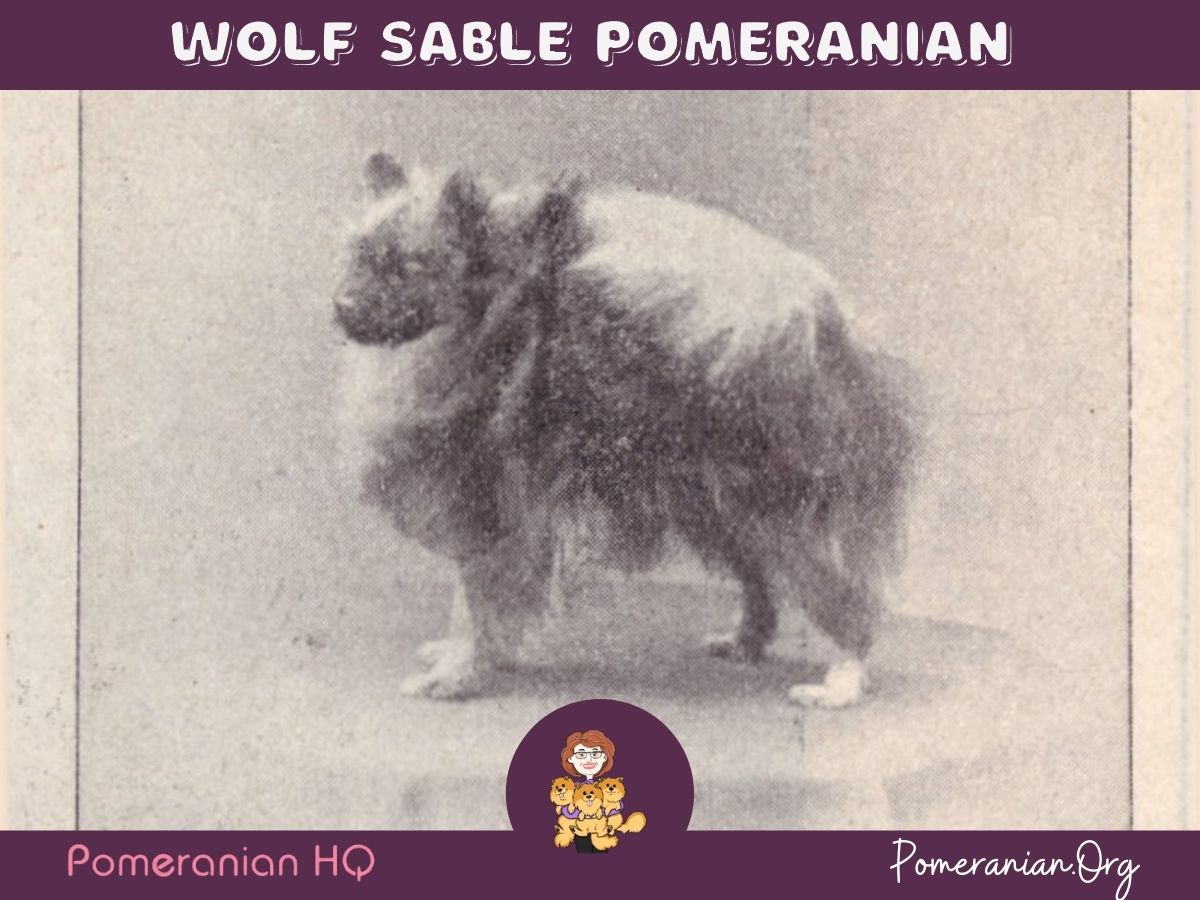
The term “Wolf” is used to identify this color because the Pomeranian dog was originally referred to as the “Wolf Dog”. The Pom dog was originally called the Pomeranian wolf dog. Many of the early champions prior to the introduction of the orange and orange sable colors to the breed were, in fact, wolf sable Pomeranians.
Wolf Sable Pomeranian Facts
- The beautiful and rare Wolf Sable Pomeranian is also called Grey Sable or Agouti.
- An authentic Wolf Sable Pomeranian is considered rare.
- The Wolf Pomeranian’s coat appears in various shades of grey.
- Similar to a Keeshond, a wolf Pomeranian should have lighter “spectacles” around its eyes.
Wolf Sable Pomeranian Myths
Myth: Wolf sable Pomeranians are a separate breed.
Fact: They are simply a color variation of the Pomeranian.
Myth: Wolf sable Pomeranians are larger.
Fact: Color does not affect size.
Myth: All grey Pomeranians are wolf sables.
Fact: Several color combinations can appear grey.
Myth: Wolf sable Pomeranians have wolf ancestry.
Fact: The name refers only to coat coloring.
Identifying a True Pomeranian Wolf Sable
Considerably far too many Pom dogs are registered as Pomeranians wolf sable without proper verification. It is impossible to be sure if a Pomeranian is wolf sable in color until the adult coat is in at 6 months.
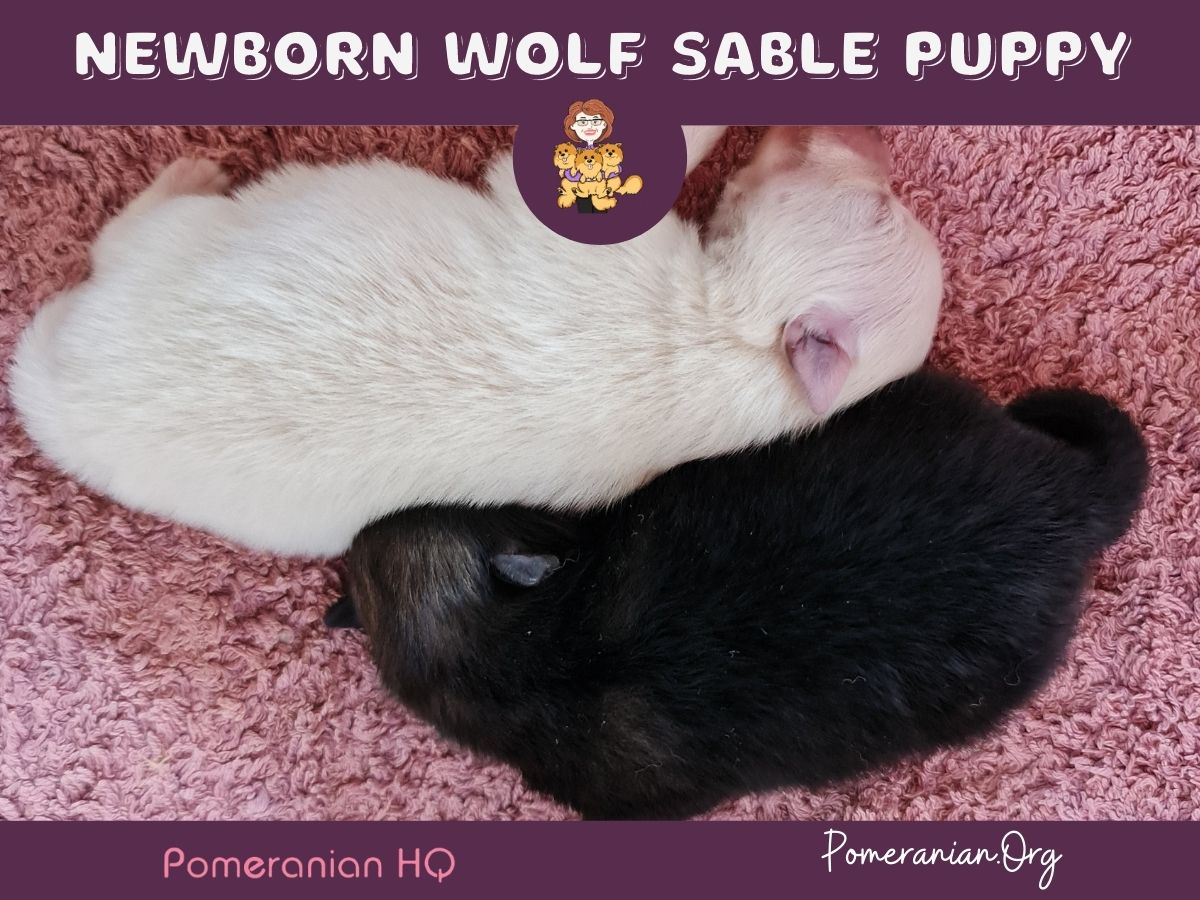
Beginner Pom breeders sometimes mistakenly register an orange sable pup as a wolf sable Pomeranian puppy. Orange sable Pomeranian puppies often appear greyer than orange at six weeks of age. However, as they mature, the orange color will come through.
Experienced Pomeranian breeders know to always check behind the puppy’s ears. The actual color of the hair behind a puppy’s ears is a reasonably accurate guide to the Pom puppy’s adult coat color.
Testing reduces the need for expensive, time-consuming test breedings and mitigates the risk that a wolf-colored Pomeranian’s patterns and colors could be misrepresented to buyers and in the official pedigree.
An early test in which a Pomeranian wolf dog or puppy has its mouth swabbed in a commercial lab may identify whether the puppy carries the wild sable gene.
Dogs that have an Agouti locus with the (aw) allele will test genetically positive for the wild sable gene (AW). This pattern is amongst the oldest in dogs and other animals. It still exists in coyotes, wolves, rodents, rabbits, and a few dog breeds.
Talk to your veterinarian, who can easily organize DNA color gene testing for your dog.
DNA color gene testing for the presence of the aw (wild sable) gene doesn’t prove whether a dog is indeed an authentic wolf sable Pomeranian. The aw gene is only a pattern. Wolf sable is a color and one of the oldest in the Pomeranian.
The DNA color gene test is a quick, painless procedure. Almost all that is involved is taking a swab from inside the dog’s cheek. Your Pom will most likely not notice this being carried out. The swab is then placed in a sealed envelope and mailed off to the closest laboratory for testing. You may have to wait a few weeks for the result. This test will determine whether your dog is a true Pomeranian sable wolf. DNA testing is a helpful tool for breeders.
Wolf Sable Pomeranian Genetics
The distinctive Wolf Sable Pomeranian coat is influenced by genes located at the Agouti (A) locus. The allele most commonly associated with the traditional wolf sable pattern is aw (wolf sable).
Unlike a solid-colored coat, a true wolf sable coat is characterized by individual hairs with multiple bands of color. These hairs often display a pattern of dark pigment, followed by a lighter cream or grey band, and then another dark tip. This “banding” effect creates the striking wolf-like appearance seen in breeds such as the Keeshond and Siberian Husky.
Why Wolf Sable Genetics Can Be Difficult to Identify
One of the challenges facing breeders is that the presence of banded hairs alone does not automatically confirm that a dog carries the aw (wolf sable) allele. Some Pomeranians carrying the more common ay (sable) allele can also display varying degrees of hair banding and dark shading, making visual identification difficult.
This means that not every grey or heavily shaded sable Pomeranian is necessarily a true genetic wolf sable. Likewise, characteristics sometimes associated with wolf sables, such as silver-grey coloring or lighter markings around the eyes, can occasionally appear in dogs that do not carry the aw allele.
For many years, breeders relied solely on appearance and pedigree analysis to identify wolf sable dogs. However, advances in canine DNA testing have shown that coat color inheritance is often more complex than previously believed. Two dogs with a similar appearance may carry different genetic color patterns.
Preserving the Wolf Sable Pattern
Because wolf sable Pomeranians are relatively uncommon, accurate identification is important for breeders wishing to preserve this historic color pattern.
If genuine wolf sable dogs are incorrectly identified as ordinary sables, breeders may unknowingly breed away from the aw allele over time. As a result, fewer true wolf sable Pomeranians may be produced, making the pattern increasingly rare within the breed.
Modern DNA testing is helping breeders better understand coat color inheritance and identify dogs carrying the wolf sable allele. Combined with careful pedigree research and knowledge of color genetics, these tools can assist preservation breeders in maintaining the unique wolf sable pattern for future generations.
The long-term preservation of wolf sable Pomeranians depends not only on recognizing the color itself but also on understanding the genetics underlying this distinctive and beautiful coat pattern.
Are Wolf Sable Pomeranians Rare?
A true wolf-sable Pomeranian is a rarity. If you see advertisements for wolf sable Pomeranian for sale or wolf sable Pomeranian puppies for sale, my advice is to proceed with great caution.
Tips on Locating Wolf Sable Pomeranian Pups for Sale
Advertisements for rare wolf colors, wolf Pomeranian puppies, wolf sable color, and Pomeranian wolf puppies are usually placed by uniformed backyard breeders, who are actually trying to sell orange sable pups. Very dark sable Pomeranian puppies will most often change to orange sable at maturity.
Those people wishing to purchase a wolf sable should ask that the color be verified by viewing the parents in person prior to purchase, or purchase only from a trusted breeder.
How Much Do Wolf Sable Pomeranians Cost?
Finding an available true wolf sable Pomeranian puppy, complete with a DNA certificate, can be very difficult. After you locate this dream wolf sable puppy, talk to the breeder about pricing.
Beware of Mislabelled Wolf Sable Puppies
Some breeders advertise puppies as wolf sable based solely on appearance. However, heavily shaded cream sable and orange sable puppies can look similar when young. A puppy that appears wolf sable at eight weeks may mature into a completely different color. Responsible breeders understand color genetics and can explain how colors develop as puppies mature.
History of the Wolf-Sable Pomeranian
Wolf sable is the oldest dog fur pattern. The term “wolf sable” refers to the dog’s appearance and genetics.
Shaded wolf sables are a rare color today. Not so in the early years of this dog breed; during this period, there were many wolf sable Pomeranian breeders.
The first wolf sable Pom champion was Mrs. Barnett’s “Ruffle. Ruffle was later bought by Mrs. F. Smyth and exported to America.
Mrs. Nicholas was an early breeder and exhibitor. Mrs. Nicholas was one of the first to own a large kennel of wolf sable Pomeranians. Wolf sables owned by Mrs. Nicholas include the big winning Poms, Champion Shelton Sable Mite, and Champion The Sable Mite.
Champion The Sable Mite was registered by the Kennel Club as a shaded sable and bred by Mr. P. Hirst. The Sable Mite’s sire was a black dog, Little Nipper. Little Nipper was the son of the famous sire English Champion Hatcham Nip. The dam of Champion The Sable Mite was Laurel Fluffie.
English Champion Hatcham Nip was later exported to America and, after winning the New York show in 1901, became the first International Champion in this breed.
A stunning orange sable shaded dog was to come on the scene, who took the Pomeranian world by storm, Champion Dragon Fly. Champion Dragon Fly was bred to most of the wolf sables in an attempt to introduce warmth to the coats. The craze for orange Pomeranians had begun, with most other colors taking a back seat to oranges and orange sables.
An early American winning wolf sable dog was Perrywinkle Smo Kee, bred and owned by Perrywinkle Kennels.
Other Wolf Sable Dog Breeds Include:
- Siberian Husky
- Yakutian Laika
- Alaskan Malamute
- Keeshond
- Norwegian Elkhound
What is a Sable Pomeranian?
Sable is a pattern in a sable dog’s outer layer of fur. The sable dog coat pattern is unique, featuring dark hair at the tips.
A dog that is considered to be a heavy sable will have an abundance of dark black guard hairs. Agouti is the correct term for Sable.
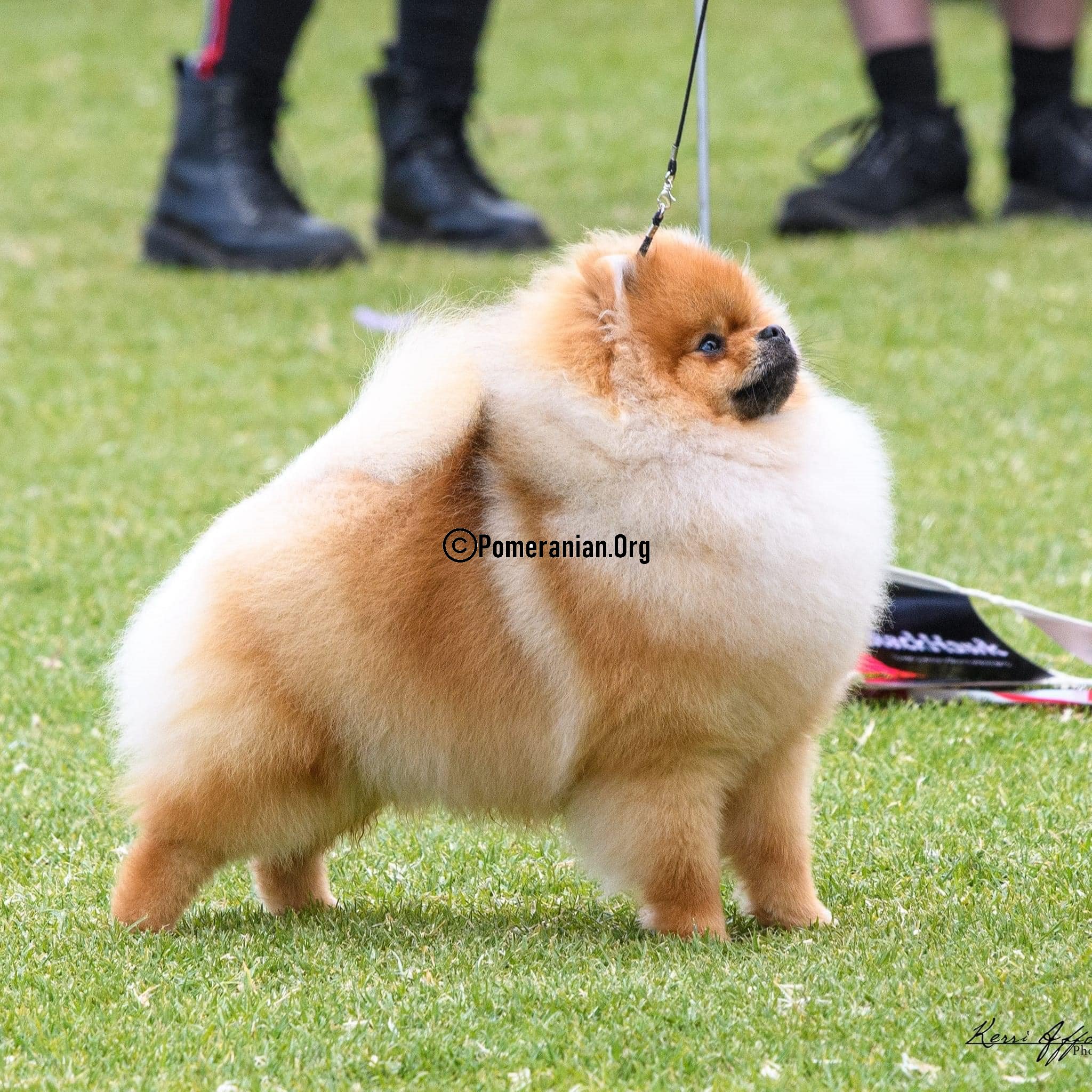
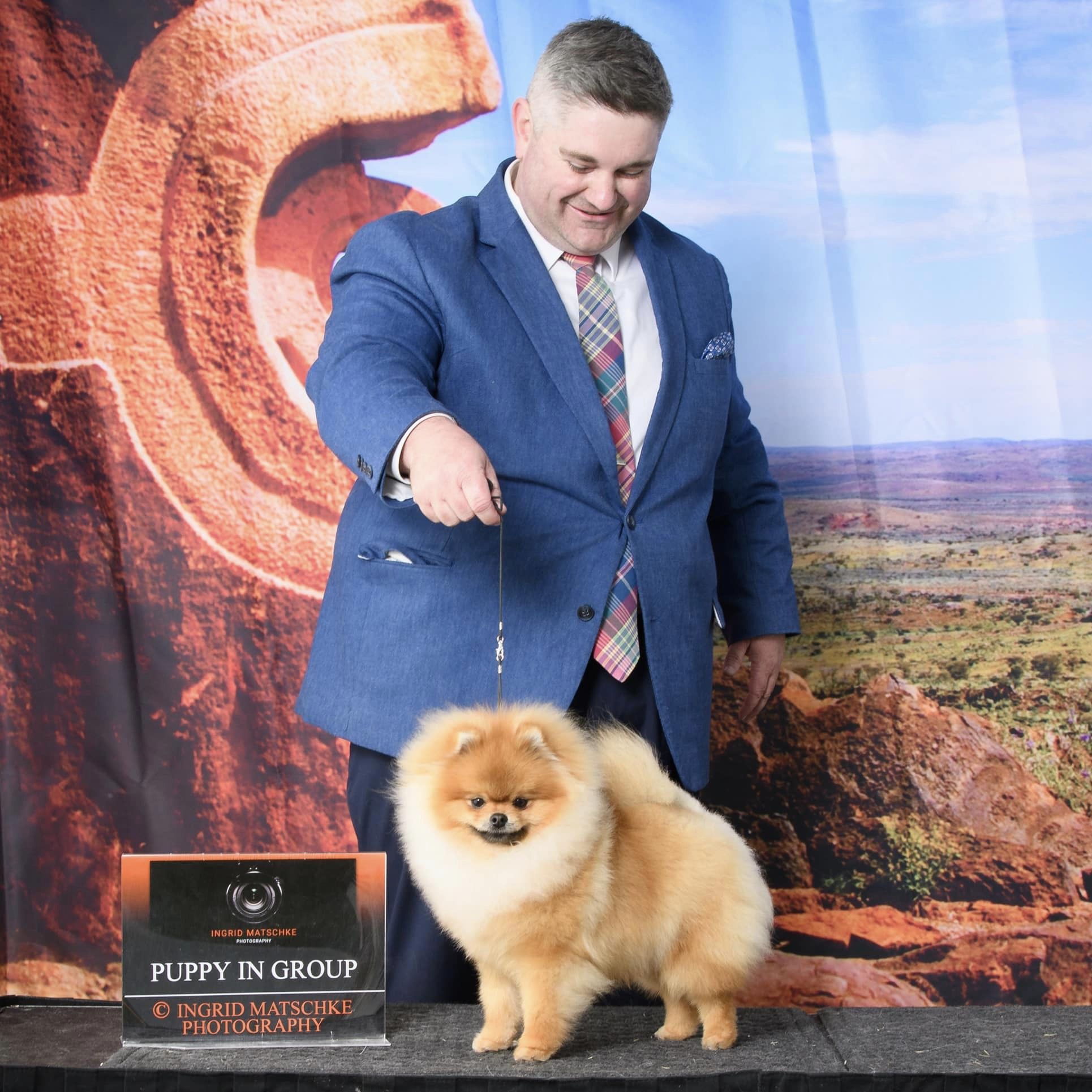
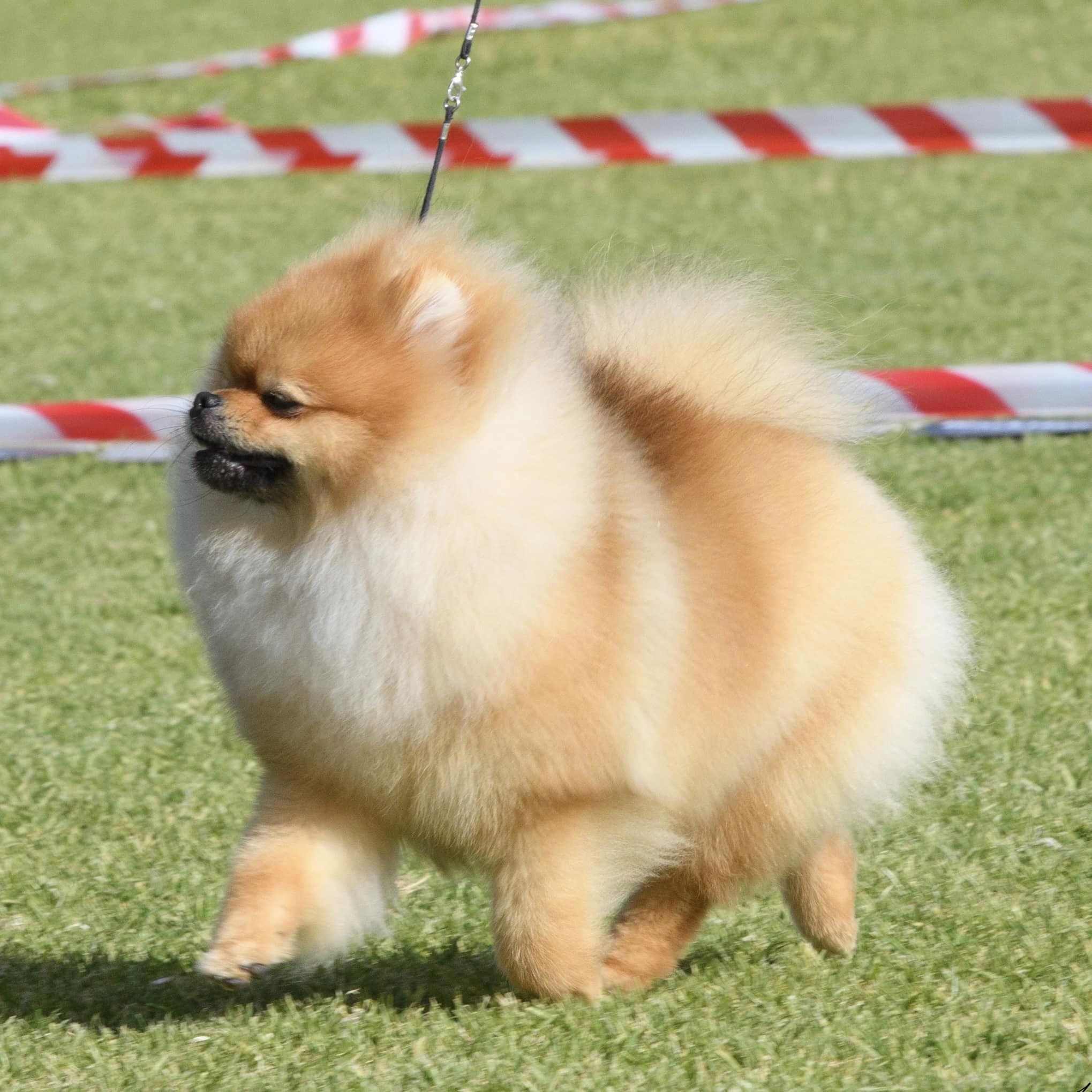
The Pomeranian comes in a variety of sable-patterned colors, including cream sable, wolf sable, orange sable, red sable, chocolate sable, and blue sable.
What Colors Do Pomeranians Come In?
- Brown (also called Chocolate)
- Beaver
- Black
- Blue and Blue Sable
- Cream and Cream Sable
- Orange
- Red
- White
- Wolf Sable
Pomeranian Coat Patterns
The Pomeranian coat pattern refers to how the fur colors appear in different areas of the dog’s body. The most popular dog coat patterns have been around since time immemorial.
- Solid
- Sable
- Brindle
- Parti-Color
- Merle
- Tan points

Frequently Asked Questions About Wolf Sable Pomeranians
Are wolf sable Pomeranians rare?
Yes, wolf sable is considered one of the less common recognized Pomeranian colors. While not as rare as some colors, such as beaver or black and tan, in certain regions, wolf sable Pomeranians are seen far less frequently than orange, orange sable, cream, or cream sable Pomeranians. Their striking grey coat with black-tipped hairs makes them highly sought after by many Pomeranian enthusiasts.
Do wolf sable puppies change color?
Yes. Most Pomeranians undergo significant coat changes as they mature.
Are wolf sable Pomeranians recognized?
Yes. Wolf sable is a recognized Pomeranian color.
How much does a wolf sable Pomeranian cost?
The price of a wolf sable Pomeranian varies depending on pedigree, breeder reputation, health testing, location, and overall quality, rather than color alone. Responsible preservation breeders invest heavily in health testing, quality breeding stock, veterinary care, socialization, registration, vaccinations, microchipping, and DNA profiling. Buyers should be wary of unusually cheap puppies, as low prices can be a warning sign of backyard breeding or puppy farming practices.
Do wolf sable Pomeranians have different personalities?
No. Coat color does not determine temperament. Wolf sable Pomeranians share the same breed characteristics as Pomeranians of any other color. A well-bred Pomeranian should be intelligent, alert, affectionate, outgoing, and devoted to its family. Personality is influenced by genetics, breeding practices, socialization, training, and individual temperament rather than coat color.
Can a wolf sable puppy become orange?
Not usually. A true wolf sable puppy should mature into a wolf sable adult, although the shade and amount of black tipping may change significantly as the dog develops its adult coat. However, inexperienced breeders sometimes incorrectly identify heavily shaded orange sable or cream sable puppies as wolf sables. This is why a puppy’s pedigree, color genetics, and the breeder’s experience are important when predicting adult color.
Final Thoughts on Wolf Sable Pomeranians
The Wolf Sable Pomeranian is one of the breed’s most distinctive and historically significant colors. With its unique banded hairs, striking wolf-like appearance, and fascinating genetics, it continues to captivate Pomeranian enthusiasts around the world.
Although true wolf sable Pomeranians are less common today than many other colors, dedicated preservation breeders are working to ensure this beautiful color pattern is not lost. Through careful breeding, pedigree research, and a commitment to maintaining breed type, these breeders help preserve both the color and the rich heritage of the Pomeranian breed.
Whether you are a breeder, exhibitor, or simply an admirer of this remarkable color, the Wolf Sable Pomeranian remains a wonderful example of the beauty, diversity, and history found within the breed.
Copyright Pomeranian.Org. All Rights Reserved.
References and Further Reading:
[1] Official Standard of the Pomeranian (AKC). American Kennel Club, 2011.
[2] English Kennel Club Pomeranian Breed Standard, 2017.
[3] Denise Leo, The Pomeranian Handbook.
[4] Milo G. Denlinger, “The Complete Pomeranian”.
[5] Kimbering Pomeranians “1891-1991”.
[6] William Taplin “The Sportsman’s Cabinet”.
[7] E. Parker “The Popular Pomeranian”.
[8] Lilla Ives “Show Pomeranians”.
[9] Dreger D.L., Schmutz S.M. (2011) A SINE Insertion Causes the Black and Tan and Saddle Tan Phenotypes in Domestic Dogs. Journal of Heredity 2011:102(S1):S11–S18 doi:10.1093/jhered/esr042