
One of the most important responsibilities of owning a Pomeranian is knowing what not to feed them. Many everyday foods that seem harmless can be dangerous—or even toxic—for this small and sensitive breed.
Over many years of breeding and raising Pomeranians, I have seen how diet directly affects health, coat condition, and overall wellbeing. Avoiding the wrong foods is just as important as choosing the right ones.
This guide outlines harmful foods for Pomeranians, explains why they should be avoided, and helps you make safer feeding decisions for your dog.
Even small mistakes can have serious consequences, so understanding these risks is essential for every Pomeranian owner.
Foods That Are Dangerous for Pomeranians
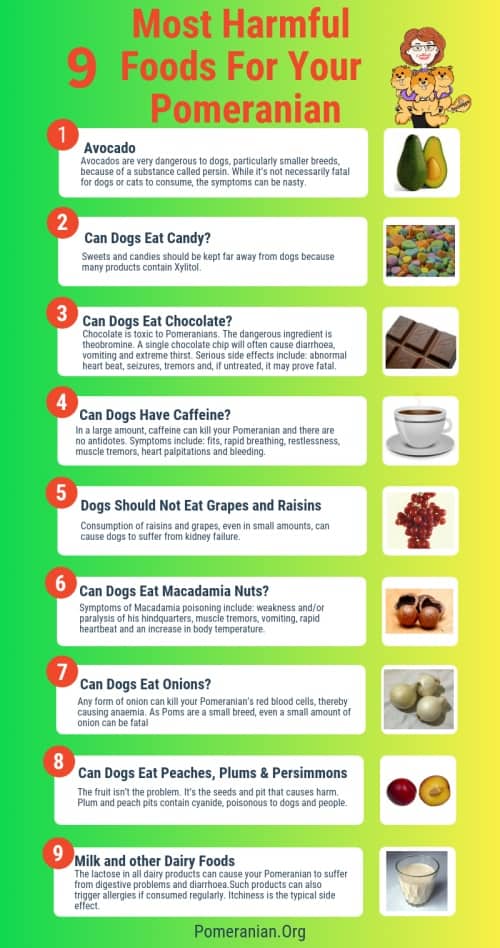
Some human foods are not just unhealthy — they are toxic and can be life-threatening for Pomeranians.
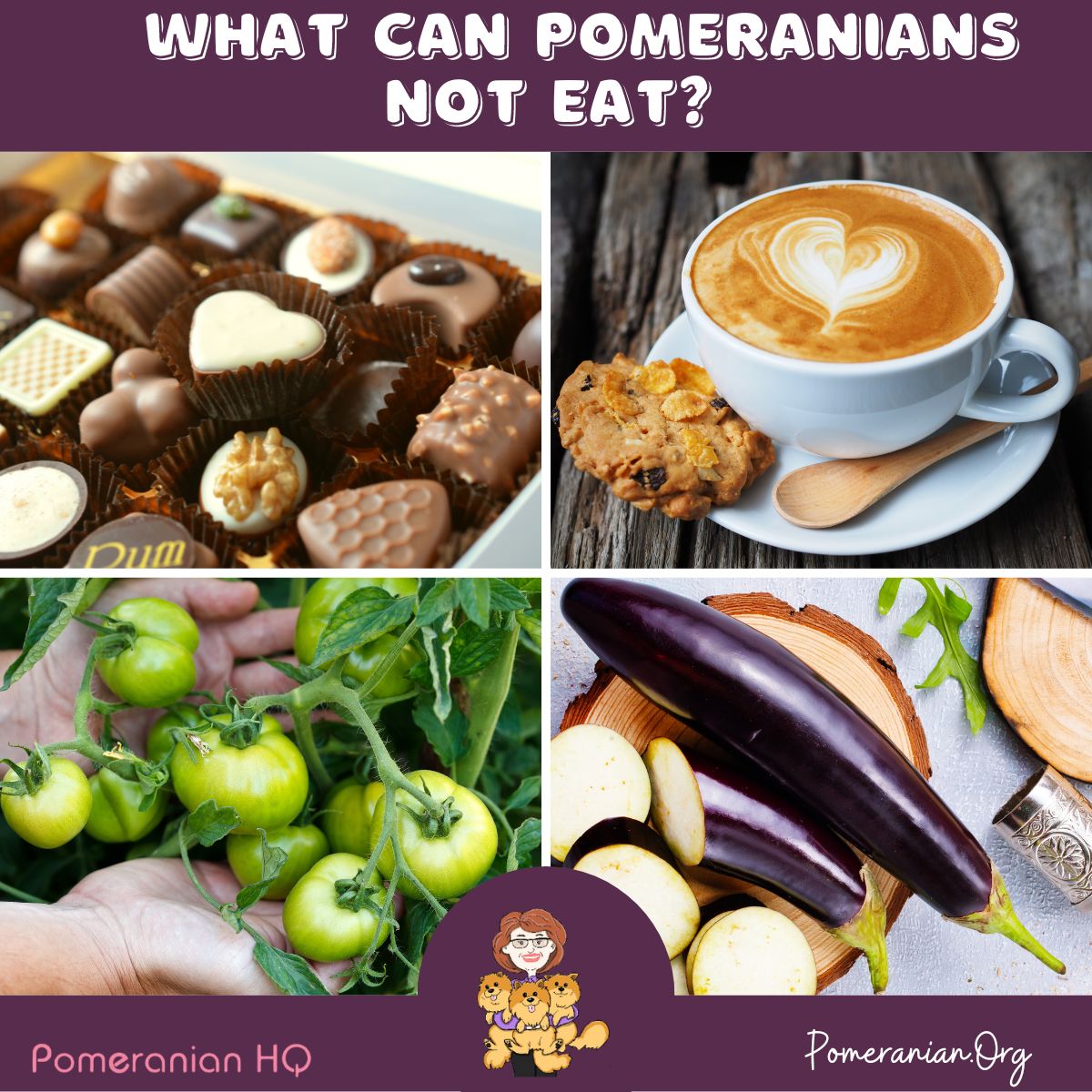
Foods such as chocolate, grapes, raisins, onions, garlic, xylitol (an artificial sweetener), alcohol, and caffeine must never be fed under any circumstances.
What may seem like a harmless treat can have devastating consequences for a toy breed. Pomeranians are particularly vulnerable because toxins are absorbed more rapidly in small bodies, increasing the risk of severe reactions.
Understanding exactly what foods to avoid is one of the most important steps in protecting your Pomeranian’s health, coat condition, and overall wellbeing.
Harmful Foods for Pomeranians at a Glance
| Food | Risk Level | Main Danger |
|---|---|---|
| Chocolate | Toxic | Heart & nervous system |
| Grapes | Highly toxic | Kidney failure |
| Onions | Toxic | Red blood cell damage |
| Xylitol | Highly toxic | Blood sugar crash |
| Macadamia nuts | Highly toxic | Neurological effects |
| Dairy | Unsafe | Digestive upset |
DVM, University of Animal and Veterinary Sciences, 2019
MSc. (Hons.) Animal Breeding & Genetics, University of Agriculture Faisalabad, 2021
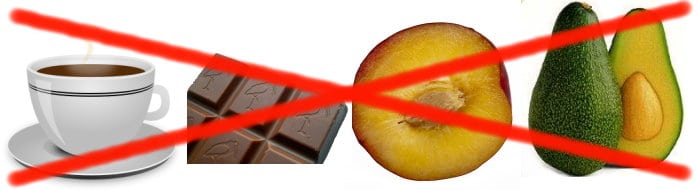
Foods That Are Toxic to Pomeranians
- Chocolate (contains theobromine)
- Grapes and raisins
- Onions, garlic, chives
- Xylitol (found in gum, sweets, baked goods)
- Alcohol
- Caffeine (coffee, tea, energy drinks)
Safe vs Unsafe Foods for Pomeranians
| Safe Foods (When Balanced) | Unsafe / Toxic Foods |
|---|---|
| Chicken, turkey, beef | Chocolate |
| Fish (salmon, sardines) | Grapes and raisins |
| Eggs | Onions, garlic, chives |
| Pumpkin, carrots, sweet potato | Xylitol (artificial sweetener) |
| Rice, oats (if tolerated) | Alcohol |
| Natural whole foods | Caffeine (coffee, tea) |
| Fresh, balanced homemade meals | Rawhide and many dental chews |
Foods That Can Harm Your Pomeranian
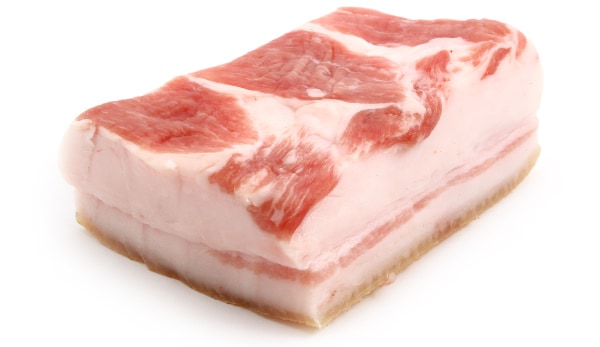
- Fatty meats and trimmings (risk of pancreatitis)
- Salty foods (can cause dehydration and illness)
- Sugary foods and candy
- Highly processed human foods
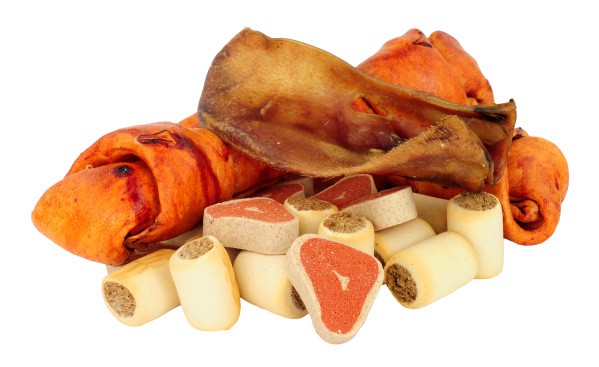
Rawhide and Dental Chews: A Serious Risk for Pomeranians
Rawhide treats and many commercial dental chews are not recommended for Pomeranians and can pose serious health risks, particularly for small breeds.
- Choking hazard: Pieces can break off and lodge in the throat
- Intestinal blockages: Chews can swell or form masses in the digestive tract
- Poor digestibility: Many products are difficult for dogs to break down
- Chemical processing: Some chews are heavily processed or contain additives
Many Pomeranians have suffered serious health issues from dental chews, including intestinal blockages requiring emergency veterinary treatment. Due to their small size, even a small piece can cause a major problem.
The only safe alternative is a correctly selected raw meaty bone sourced from a butcher, given under supervision. This supports dental health and provides a natural chewing outlet when chosen appropriately.
Always supervise your Pomeranian when chewing bones and ensure the size and type are appropriate for toy breeds.
Foods to Limit in a Pomeranian Diet
- Dairy (may cause digestive upset)
- Grains (some dogs may be sensitive)
- Highly processed treats
Signs Your Pomeranian Has Eaten Something Harmful
- Vomiting or diarrhea
- Lethargy or weakness
- Tremors or seizures
- Excessive thirst or drooling
- Loss of coordination
Can Dogs Eat Candy?
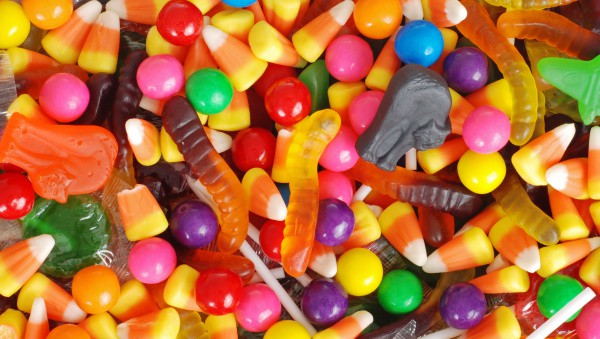
No, Pomeranians should never eat candy or sweets. Many products such as chewing gum, lollies, baked goods, toothpaste, and diet foods contain xylitol, an artificial sweetener that is highly toxic to dogs.
Xylitol can cause a rapid release of insulin, leading to a dangerous drop in blood sugar (hypoglycaemia). In severe cases, it can also result in liver failure.
Early symptoms may include:
- Lethargy or weakness
- Vomiting
- Loss of coordination
More serious signs such as seizures and liver failure can develop quickly. Due to their small size, Pomeranians are especially at risk—even a small amount can be life-threatening.
If your Pomeranian consumes anything containing xylitol, seek veterinary attention immediately.
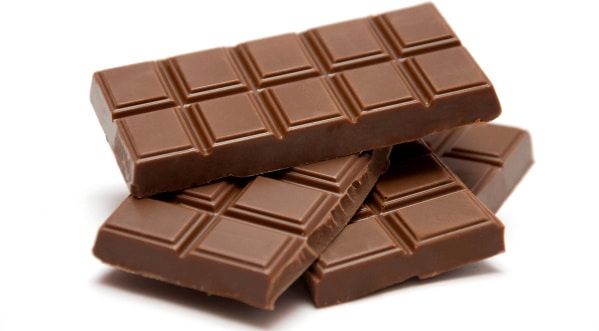
Can Pomeranians Eat Chocolate?
No, Pomeranians should never eat chocolate. Chocolate contains theobromine and caffeine, both of which are toxic to dogs and can cause serious health problems—even in small amounts.
Pomeranians are especially at risk due to their small size, meaning even a small piece of chocolate can lead to poisoning.
Darker chocolate is more dangerous because it contains higher levels of theobromine. Baking chocolate and cocoa powder are the most toxic, while milk chocolate still poses a risk.
Symptoms of chocolate poisoning may include:
- Vomiting and diarrhea
- Restlessness or hyperactivity
- Rapid heart rate
- Tremors or seizures
If your Pomeranian eats chocolate, contact your veterinarian immediately. Prompt treatment is essential, especially for toy breeds.
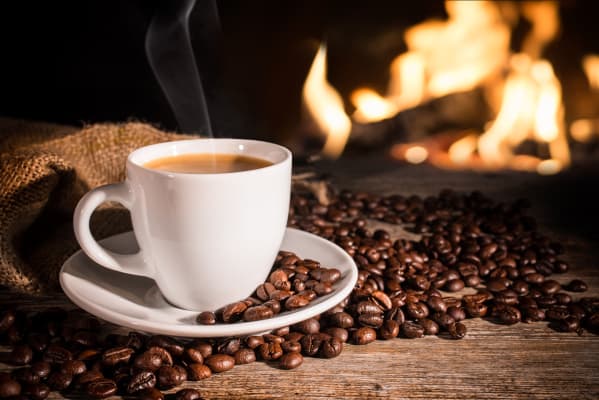
Can Dogs Have Caffeine?
No, Pomeranians should never consume caffeine. Caffeine is toxic to dogs and can affect the nervous system and heart, leading to serious health complications.
Common sources of caffeine include:
- Coffee and coffee grounds
- Tea and energy drinks
- Chocolate and cocoa products
- Certain medications and supplements
Even small amounts can be dangerous for Pomeranians due to their small size.
Symptoms of caffeine poisoning may include:
- Restlessness and hyperactivity
- Rapid breathing or heart rate
- Tremors or muscle twitching
- Seizures in severe cases
If your Pomeranian ingests caffeine, seek veterinary care immediately. Early treatment is essential.
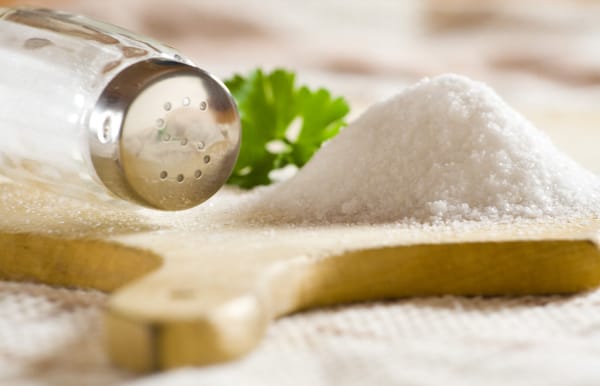
Can Dogs Eat Salt?
Pomeranians should not eat foods high in salt. While small amounts of sodium are part of a normal diet, excessive salt intake can be harmful—especially for small breeds.
High-salt foods to avoid include:
- Chips, salted snacks, and processed foods
- Processed meats and leftovers
- Gravies and heavily seasoned foods
Too much salt can lead to dehydration and, in severe cases, salt toxicity. Pomeranians are particularly sensitive due to their small size.
Symptoms of excessive salt intake may include:
- Excessive thirst or urination
- Vomiting or diarrhea
- Lethargy or weakness
- Tremors or seizures in severe cases
Always provide fresh water and avoid feeding salty human foods. A balanced diet will already contain the appropriate level of sodium for your Pomeranian.
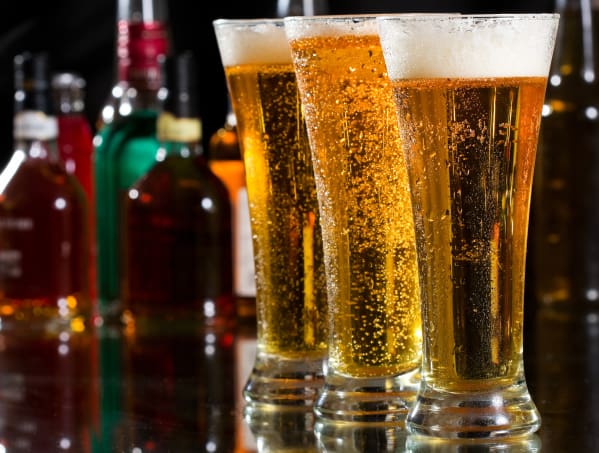
Can Dogs Have Alcohol?
No, Pomeranians should never be given alcohol. Alcohol is highly toxic to dogs and can cause serious health complications—even in very small amounts.
Sources of alcohol include:
- Alcoholic drinks (beer, wine, spirits)
- Foods containing alcohol
- Fermented products or raw dough
Because Pomeranians are a small breed, even a tiny amount can have severe effects.
Symptoms of alcohol poisoning may include:
- Vomiting and disorientation
- Loss of coordination
- Breathing difficulties
- Seizures or collapse in severe cases
If your Pomeranian ingests alcohol, seek immediate veterinary attention.
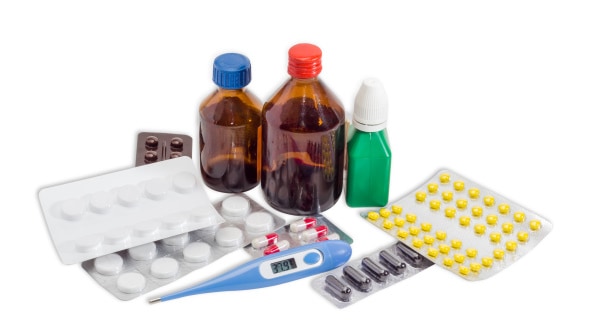
Can Dogs Have Human Medicine?
No, Pomeranians should never be given human medications unless specifically directed by a veterinarian. Many common medicines that are safe for people can be extremely dangerous—even fatal—for dogs.
Common human medications that are toxic to dogs include:
- Pain relievers such as paracetamol and ibuprofen
- Cold and flu medications
- Antidepressants and sleep aids
- Diet pills and supplements
Even small doses can cause serious harm, especially in Pomeranians due to their small size and sensitivity.
Symptoms of medication poisoning may include:
- Vomiting or loss of appetite
- Lethargy or weakness
- Breathing difficulties
- Tremors, seizures, or collapse
Never administer human medication to your Pomeranian without veterinary advice. If accidental ingestion occurs, seek immediate veterinary attention.
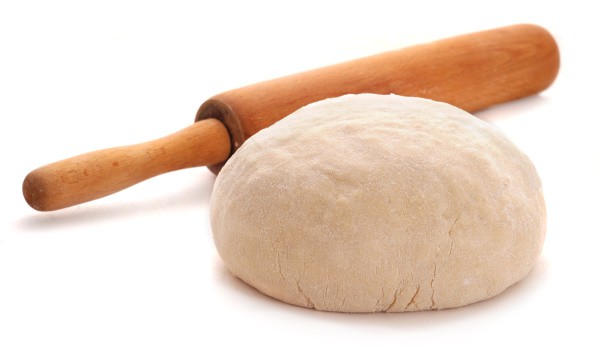
Can Dogs Eat Dough?
No, Pomeranians must never eat raw dough. Uncooked yeast dough can expand in the stomach and create a dangerous, potentially life-threatening situation.
As the dough rises, it can cause severe bloating and abdominal pain, placing pressure on internal organs. In addition, the fermentation process produces alcohol, which can lead to alcohol poisoning.
This combination makes raw dough particularly dangerous for small breeds like Pomeranians.
Signs of a problem may include:
- Swollen or tight abdomen
- Vomiting or attempts to vomit
- Lethargy or weakness
- Disorientation or unsteadiness
If your Pomeranian ingests raw dough, seek veterinary care immediately. Prompt treatment is essential.
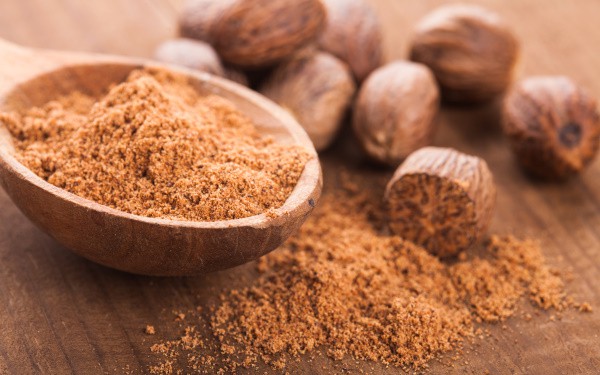
Can Dogs Eat Nutmeg?
No, Pomeranians should not eat nutmeg. Nutmeg contains a compound called myristicin, which can be toxic to dogs when consumed in sufficient amounts.
Even moderate quantities can affect the nervous system and lead to serious health issues, particularly in small breeds like Pomeranians.
Symptoms of nutmeg toxicity may include:
- Disorientation or confusion
- Increased heart rate
- Dry mouth
- Tremors or seizures in severe cases
Nutmeg is commonly found in baked goods and holiday foods, so care should be taken to keep these items out of reach.
If your Pomeranian consumes nutmeg, contact your veterinarian promptly.
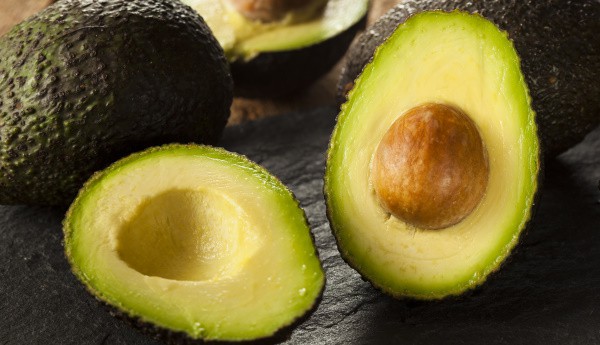
Can Pomeranians Eat Avocado?
Avocado is not recommended for Pomeranians. While small amounts of the flesh are unlikely to be toxic, avocado contains persin, a compound that can cause digestive upset in some dogs.
The biggest risks come from the pit and skin, which can cause choking or intestinal blockages—particularly dangerous for small breeds like Pomeranians.
Avocado is also high in fat, which may lead to stomach upset or contribute to pancreatitis if fed regularly.
Possible symptoms after ingestion include:
- Vomiting or diarrhea
- Abdominal discomfort
- Lethargy
For safety, it is best to avoid feeding avocado to your Pomeranian altogether.
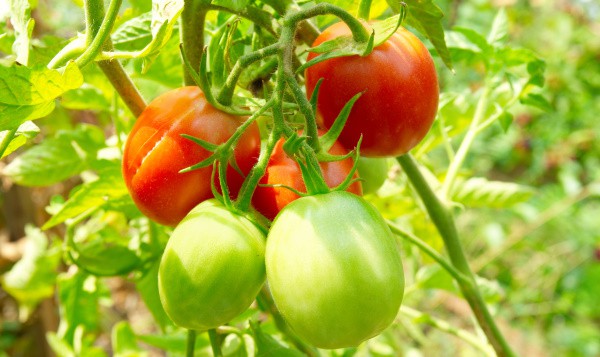
Can Dogs Eat Green Tomatoes?
No, Pomeranians should not eat green (unripe) tomatoes. Green tomatoes contain solanine, a compound that can be toxic to dogs in larger amounts.
The highest levels of solanine are found in unripe tomatoes and the green parts of the plant, including stems and leaves.
Ripe red tomatoes are generally less harmful in small quantities, but they are not necessary in a Pomeranian’s diet and are best avoided to prevent any risk.
Symptoms of ingestion may include:
- Gastrointestinal upset (vomiting or diarrhea)
- Lethargy or weakness
- Confusion or coordination issues in more severe cases
For safety, keep tomato plants and unripe tomatoes out of reach of your Pomeranian.
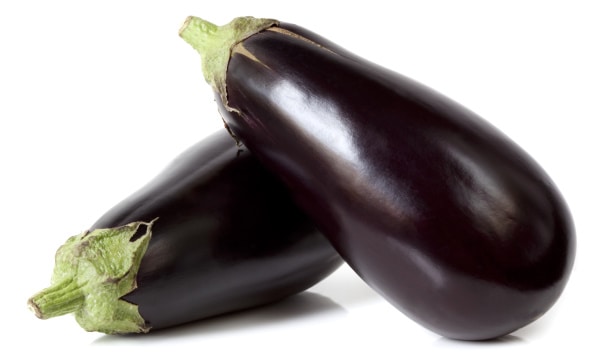
Can Dogs Eat Eggplant?
Eggplant is not recommended for Pomeranians. While small amounts of cooked eggplant are unlikely to be toxic, it offers little nutritional benefit and may cause digestive upset in some dogs.
Eggplant belongs to the nightshade family and contains compounds such as solanine, which can be problematic if consumed in larger quantities.
Some dogs may also be sensitive to eggplant, particularly those with existing digestive issues or allergies.
Possible symptoms after ingestion include:
- Vomiting or diarrhea
- Stomach discomfort
- Reduced appetite
For safety and simplicity, it is best to avoid feeding eggplant to your Pomeranian.
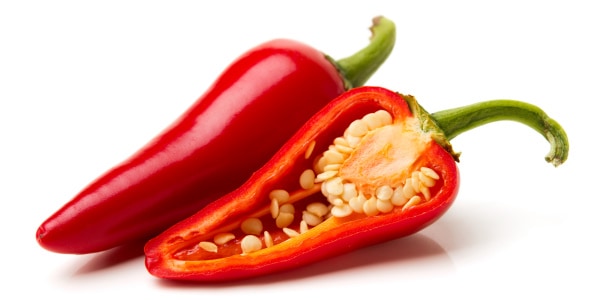
Can Dogs Eat Peppers?
Some peppers are safe in small amounts, but others should be avoided. The type of pepper is the key factor.
Safe in small amounts:
- Red, yellow, and green capsicum (bell peppers)
These can be offered occasionally in small quantities, preferably cooked and without seasoning.
Peppers to avoid:
- Chilli peppers and hot peppers
- Spicy or seasoned pepper dishes
Hot peppers can irritate your dog’s mouth, stomach, and digestive system, causing discomfort and gastrointestinal upset.
Possible symptoms include:
- Drooling or mouth irritation
- Vomiting or diarrhea
- Abdominal discomfort
For simplicity and safety, peppers are not necessary in a Pomeranian’s diet and are best kept minimal or avoided.
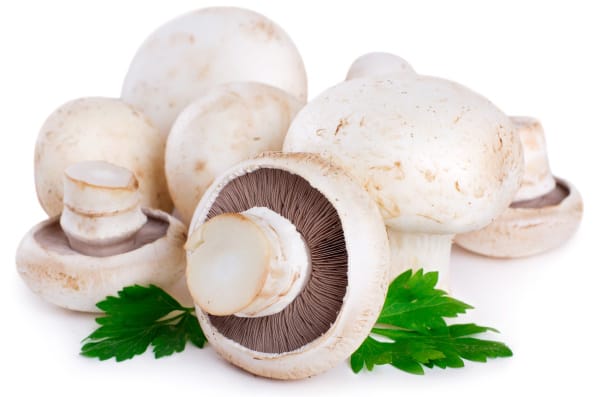
Can Dogs Eat Mushrooms?
Mushrooms are not recommended for Pomeranians. While some store-bought mushrooms may be safe in small amounts, others—especially wild mushrooms—can be highly toxic.
Wild mushrooms pose a serious risk because many toxic varieties look similar to safe ones, making them difficult to identify.
Symptoms of mushroom poisoning may include:
- Vomiting and diarrhea
- Lethargy or weakness
- Loss of coordination
- Seizures or organ failure in severe cases
Even small amounts of toxic mushrooms can be life-threatening, particularly for small breeds like Pomeranians.
For safety, it is best to avoid feeding mushrooms altogether and prevent access to wild mushrooms in gardens or outdoor areas.
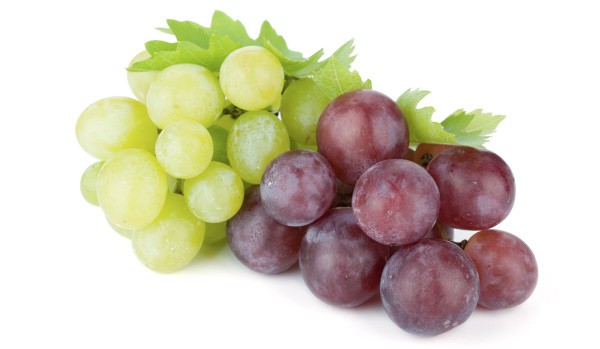
Can Pomeranians Eat Grapes?
No, Pomeranians must never eat grapes or raisins. These foods are highly toxic to dogs and can cause sudden kidney failure, even in small amounts.
The exact toxic substance is not fully understood, but the risk is well established. Some dogs may react severely to even a small quantity.
All forms should be avoided, including:
- Fresh grapes
- Raisins and sultanas
- Foods containing grapes or raisins (cakes, cereals, baked goods)
Symptoms of grape or raisin poisoning may include:
- Vomiting or diarrhea
- Lethargy or weakness
- Loss of appetite
- Increased or decreased urination
Due to their small size, Pomeranians are at increased risk of serious complications.
If your Pomeranian eats grapes or raisins, seek immediate veterinary care. This is a medical emergency.
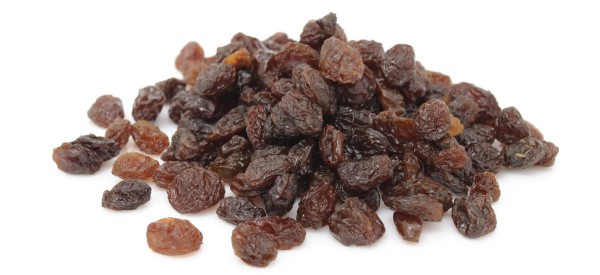
Can Dogs Eat Raisins?
No, Pomeranians must never eat raisins. Raisins are highly toxic to dogs and can cause sudden kidney failure, even in very small amounts.
Raisins are simply dried grapes, and both are equally dangerous. The exact toxin is not fully understood, but the risk is well documented and unpredictable.
Common sources of raisins include:
- Cakes, muffins, and baked goods
- Cereals and snack bars
- Trail mix and fruit mixes
Symptoms of poisoning may include:
- Vomiting or diarrhea
- Lethargy or weakness
- Loss of appetite
- Changes in urination
Pomeranians are particularly vulnerable due to their small size, meaning even a tiny amount can have serious consequences.
If your Pomeranian eats raisins, seek immediate veterinary attention. This is a medical emergency.
Can Dogs Eat Currants?
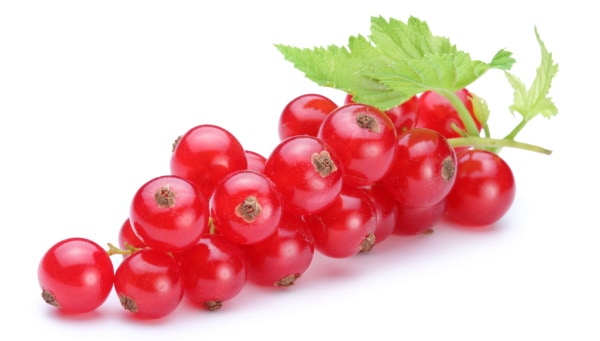
Can Dogs Eat Currants?
No, Pomeranians must never eat currants. Currants—particularly dried currants such as Zante currants—are closely related to grapes and raisins and carry the same risk of toxicity.
These fruits can cause sudden kidney failure in dogs, even in small amounts, and the exact toxic compound is still not fully understood.
Currants are commonly found in:
- Baked goods such as cakes, buns, and scones
- Cereals and snack bars
- Trail mixes and fruit blends
Symptoms of poisoning may include:
- Vomiting or diarrhea
- Lethargy or weakness
- Loss of appetite
- Changes in urination
Due to their small size, Pomeranians are at high risk of severe complications.
If your Pomeranian consumes currants, seek immediate veterinary attention. This is a medical emergency.
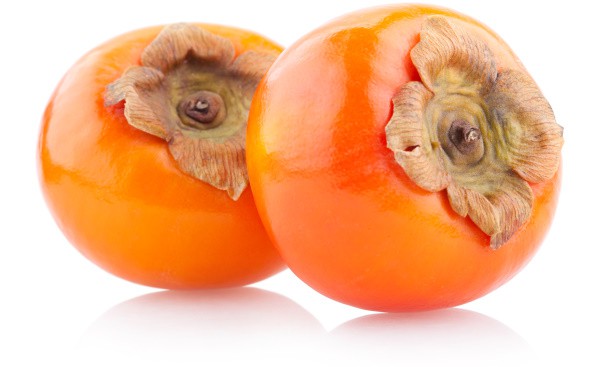
Can Dogs Eat Persimmon Fruit?
Persimmon fruit is not recommended for Pomeranians. While small amounts of the ripe flesh are unlikely to be toxic, parts of the fruit can pose risks—especially for small breeds.
The seeds and pit can cause intestinal blockages, and the skin may be difficult to digest.
Persimmon is also high in fibre and natural sugars, which may lead to digestive upset if fed.
Possible symptoms after ingestion include:
- Vomiting or diarrhea
- Abdominal discomfort
- Reduced appetite
For safety, it is best to avoid feeding persimmon fruit to your Pomeranian.
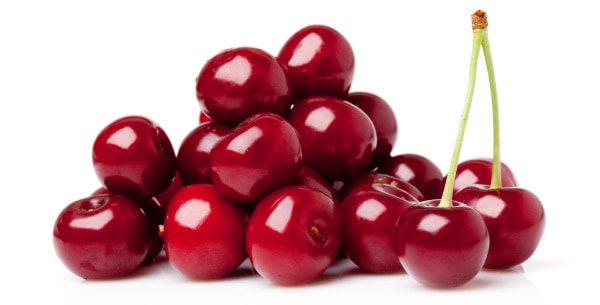
Can Pomeranians Eat Cherries?
Cherries are not recommended for Pomeranians. While the flesh of ripe cherries is not highly toxic, other parts of the fruit can be dangerous.
The pits, stems, and leaves contain compounds that can release cyanide, which is toxic to dogs. The pit also presents a choking hazard and can cause intestinal blockage—particularly in small breeds like Pomeranians.
Cherries are also high in sugar, which can lead to digestive upset if fed.
Possible symptoms after ingestion include:
- Vomiting or diarrhea
- Abdominal discomfort
- Lethargy
- Difficulty breathing in severe cases
For safety, it is best to avoid feeding cherries to your Pomeranian altogether.
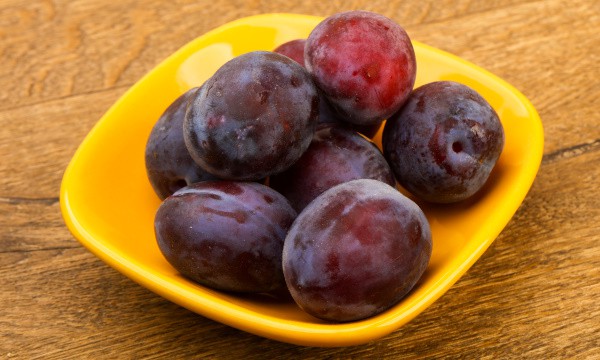
Can Pomeranians Eat Plums?
No, Pomeranians should not be fed plums.
Plums pose several risks to dogs, particularly small breeds like Pomeranians. The pit (stone), leaves, and stems contain compounds that can release cyanide, which is toxic if ingested.
The pit is also a serious choking hazard and can cause intestinal blockage, which may require emergency veterinary treatment.
Even the flesh of the plum, while not highly toxic, can upset a Pomeranian’s sensitive digestive system and lead to stomach upset or diarrhoea.
Symptoms of plum poisoning or obstruction may include:
- Vomiting or diarrhoea
- Lethargy or weakness
- Difficulty breathing (in severe cases)
- Loss of appetite
- Abdominal pain or discomfort
For safety, it is best to avoid feeding plums altogether and choose dog-safe alternatives.
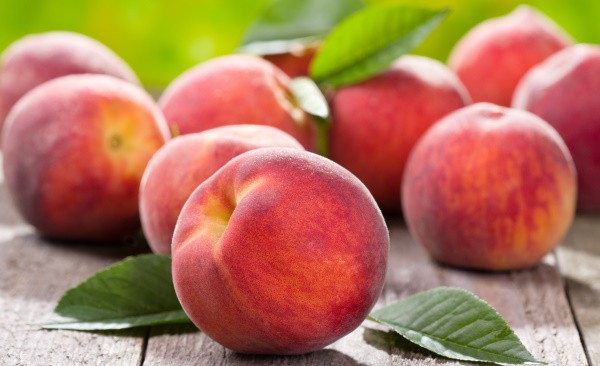
Can Pomeranians Eat Peaches?
No, Pomeranians should not be fed peaches.
Peaches can pose several risks to dogs, particularly small breeds like Pomeranians. The pit (stone), leaves, and stems contain compounds that can release cyanide, which is toxic if ingested.
The pit is also a significant choking hazard and may cause intestinal blockage, a serious condition that often requires urgent veterinary attention.
Even the flesh of the peach, while not highly toxic, can upset a Pomeranian’s sensitive digestive system and lead to stomach upset or diarrhoea.
Symptoms of peach toxicity or obstruction may include:
- Vomiting or diarrhoea
- Lethargy or weakness
- Loss of appetite
- Abdominal pain or discomfort
- Difficulty breathing (in severe cases)
For safety, it is best to avoid feeding peaches and choose dog-safe fruits instead.
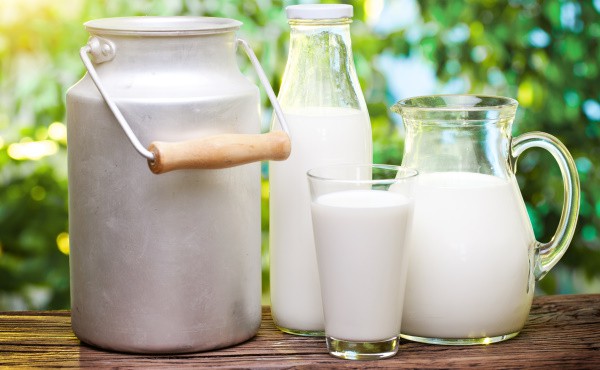
Can Pomeranians Drink Milk and Eat Dairy Foods?
No, most adult Pomeranians should not be given milk or regular dairy products.
While dairy is not toxic, many Pomeranians are lactose intolerant and lack the enzymes needed to properly digest lactose. Feeding milk, cheese, or cream can lead to digestive upset, particularly in this small and sensitive breed.
Symptoms of dairy intolerance in Pomeranians may include:
- Diarrhoea or loose stools
- Vomiting
- Bloating or gas
- Stomach discomfort
- Lethargy after eating
Is It OK for Puppies to Drink Milk?
Puppies naturally rely on their mother’s milk during early development, and this is perfectly suited to their nutritional needs.
However, once weaned, most Pomeranian puppies do not require additional milk. Cow’s milk is not recommended as it can cause digestive upset.
If supplementation is needed, only use milk specifically formulated for puppies, as this is designed to be safe and easily digested.
Can Pomeranians Eat Cheese?
Small amounts of low-fat cheese may be tolerated by some Pomeranians, but it should only be offered occasionally and in moderation.
Cheese is high in fat and can contribute to weight gain or digestive upset if fed regularly. Not all dogs tolerate dairy well, so it is important to monitor your Pomeranian for any signs of intolerance.
Products such as dog-specific milk or yogurt formulated for pets are a safer option if you wish to include dairy in small amounts.
For optimal health, a balanced diet designed specifically for dogs will provide all the nutrients your Pomeranian needs without the risks associated with dairy products.
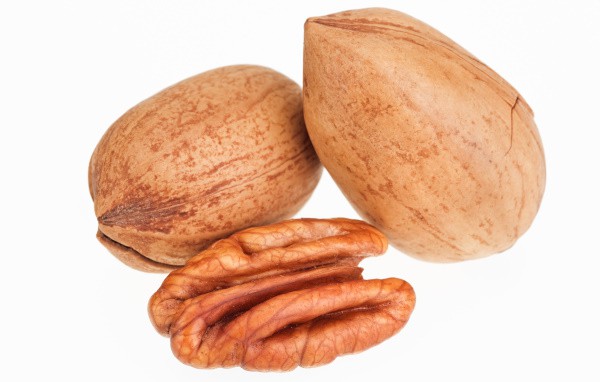
Can Pomeranians Eat Pecans?
No, Pomeranians should not be fed pecans.
Pecans are not a safe food for dogs and can pose several health risks, particularly for small breeds like Pomeranians. They are high in fat, which can lead to digestive upset and increase the risk of pancreatitis — a serious and potentially life-threatening condition.
Pecans are also prone to mould, which can produce harmful toxins (mycotoxins) that may cause neurological symptoms in dogs if ingested.
In addition, their size and hardness can present a choking hazard or lead to intestinal blockage in small dogs.
Symptoms of pecan toxicity or digestive distress may include:
- Vomiting or diarrhoea
- Lethargy or weakness
- Tremors or seizures (in severe cases)
- Abdominal pain
- Loss of appetite
For your Pomeranian’s safety, it is best to avoid pecans entirely and choose healthier, dog-safe treats.
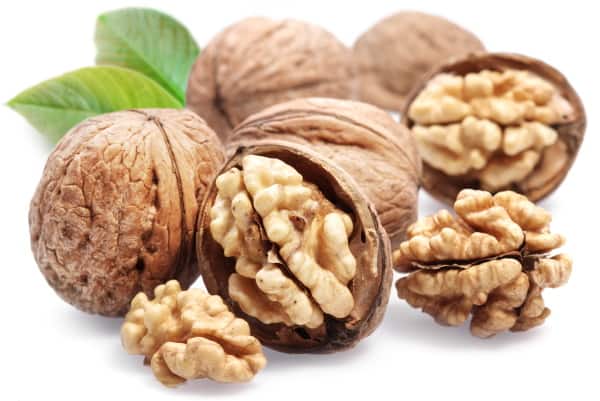
Are Walnuts Safe for Dogs?
No, walnuts are not safe for Pomeranians and should be avoided.
Walnuts can pose several health risks to dogs, especially small breeds like Pomeranians. They are high in fat, which can lead to digestive upset and increase the risk of pancreatitis — a serious condition that may require urgent veterinary care.
Walnuts are also highly susceptible to mould growth, which can produce harmful toxins (mycotoxins) that affect the nervous system. Ingesting mouldy walnuts can result in serious neurological symptoms.
Their size, shape, and hardness can also create a choking hazard or lead to intestinal blockage in small dogs.
Symptoms of walnut toxicity or digestive distress may include:
- Vomiting or diarrhoea
- Lethargy or weakness
- Tremors or seizures (in severe cases)
- Abdominal pain or discomfort
- Loss of appetite
For safety, it is best to avoid walnuts entirely and choose dog-safe alternatives.
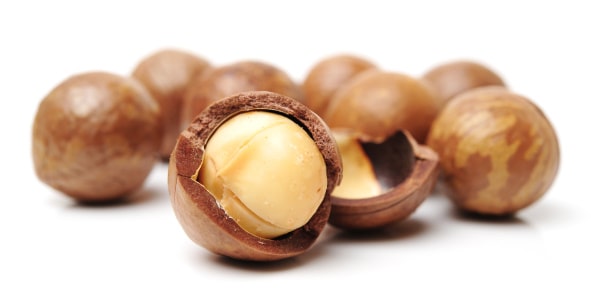
Can Pomeranians Eat Macadamia Nuts?
No, Pomeranians must never be fed macadamia nuts.
Macadamia nuts are highly toxic to dogs and can cause serious illness even in small amounts. The exact toxin is unknown, but ingestion can affect the nervous system and muscles, making this one of the most dangerous nuts for dogs.
Due to their very small size, Pomeranians are at increased risk, and even a tiny quantity can result in noticeable symptoms.
Symptoms of macadamia nut toxicity may include:
- Weakness, particularly in the hind legs
- Tremors or shaking
- Vomiting
- Lethargy or depression
- Fever
- Difficulty walking or standing
If your Pomeranian has eaten macadamia nuts, contact your veterinarian immediately.
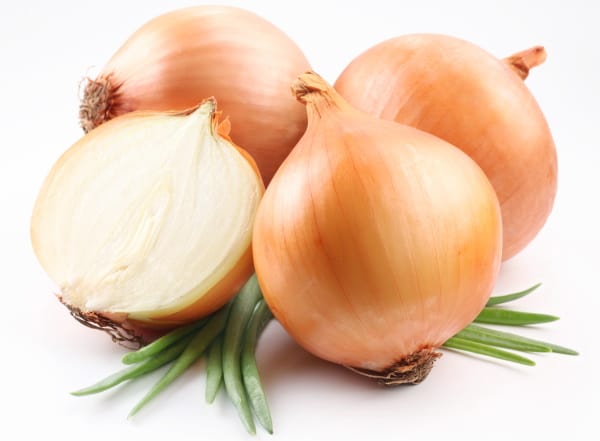
Can Pomeranians Eat Onions?
No, Pomeranians must never be fed onions.
Onions are highly toxic to dogs and can damage red blood cells, leading to a serious condition known as haemolytic anaemia. This reduces the blood’s ability to carry oxygen throughout the body.
All forms of onion are dangerous, including raw, cooked, dried, powdered, and ingredients found in many processed foods.
Because of their small size, Pomeranians are particularly vulnerable, and even small amounts can cause toxic effects.
Symptoms of onion toxicity may include:
- Weakness or lethargy
- Pale gums
- Loss of appetite
- Vomiting or diarrhoea
- Rapid breathing or increased heart rate
If your Pomeranian has eaten onions, seek veterinary advice immediately.
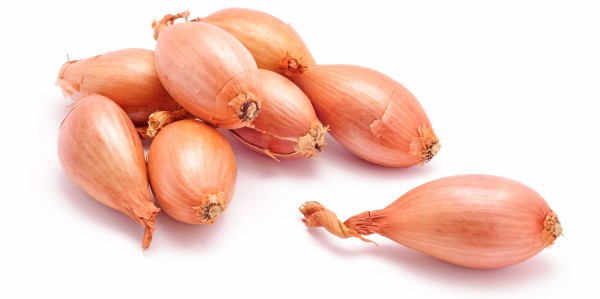
Can Pomeranians Eat Shallots?
No, Pomeranians must never be fed shallots.
Shallots belong to the allium family, which also includes onions, garlic, and leeks. All of these are toxic to dogs and can damage red blood cells, leading to haemolytic anaemia.
This condition reduces the blood’s ability to carry oxygen and can result in serious illness, particularly in small breeds like Pomeranians.
Shallots are harmful in all forms, including raw, cooked, dried, and powdered, and may be hidden in many prepared foods.
Symptoms of shallot toxicity may include:
- Weakness or lethargy
- Pale gums
- Loss of appetite
- Vomiting or diarrhoea
- Rapid breathing or increased heart rate
If your Pomeranian has eaten shallots, seek veterinary advice immediately.
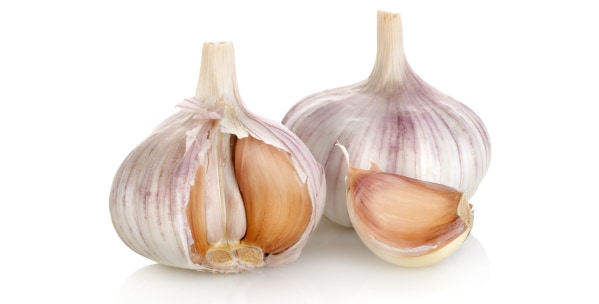
Can Pomeranians Eat Garlic?
No, Pomeranians must never be fed garlic.
Garlic is highly toxic to dogs and can damage red blood cells, leading to haemolytic anaemia. This reduces the blood’s ability to carry oxygen throughout the body.
All forms of garlic are dangerous, including raw, cooked, dried, powdered, and garlic hidden in prepared foods.
Because of their very small size, Pomeranians are especially vulnerable, and even small amounts or repeated exposure can cause serious illness.
Symptoms of garlic toxicity may include:
- Weakness or lethargy
- Pale gums
- Loss of appetite
- Vomiting or diarrhoea
- Rapid breathing or increased heart rate
If your Pomeranian has eaten garlic, seek veterinary advice immediately.
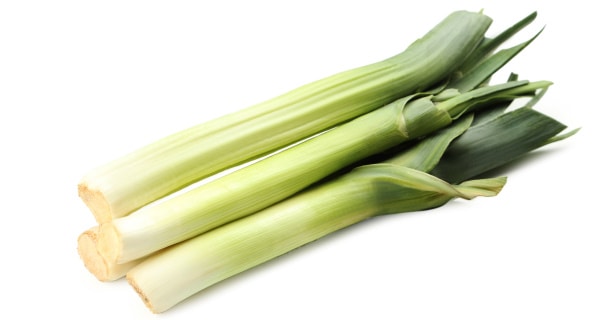
Can Pomeranians Eat Leeks?
No, Pomeranians must never be fed leeks.
Leeks belong to the allium family, which includes onions, garlic, and shallots. All of these are toxic to dogs and can damage red blood cells, leading to haemolytic anaemia.
This condition reduces the blood’s ability to carry oxygen throughout the body and can result in serious illness, particularly in small breeds like Pomeranians.
Leeks are harmful in all forms, including raw, cooked, dried, and as ingredients in soups, stocks, and prepared foods.
Symptoms of leek toxicity may include:
- Weakness or lethargy
- Pale gums
- Loss of appetite
- Vomiting or diarrhoea
- Rapid breathing or increased heart rate
If your Pomeranian has eaten leeks, seek veterinary advice immediately.
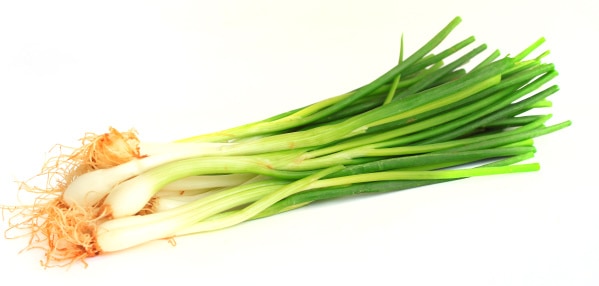
Can Pomeranians Eat Chives?
No, Pomeranians must never be fed chives.
Chives are part of the allium family, which includes onions, garlic, leeks, and shallots. All members of this group are toxic to dogs and can damage red blood cells, leading to haemolytic anaemia.
This condition reduces the blood’s ability to carry oxygen throughout the body and can result in serious illness, especially in small breeds like Pomeranians.
Chives are dangerous in all forms, including fresh, dried, cooked, or as an ingredient in foods such as sauces, dips, and prepared meals.
Symptoms of chive toxicity may include:
- Weakness or lethargy
- Pale gums
- Loss of appetite
- Vomiting or diarrhoea
- Rapid breathing or increased heart rate
If your Pomeranian has eaten chives, seek veterinary advice immediately.
What Happens if Your Pomeranian Eats These Foods?
Pomeranians are naturally inquisitive and love to taste and sniff things. While owners do everything they can to protect their beloved pets, it’s also wise to have a plan of attack if your Pom does eat something dangerous.
Keep the phone numbers of your vet, the animal hospital, and the Poison Control Center on your fridge, where you can easily see them in an emergency.
Why Harmful Foods Affect Pomeranians More Severely
Pomeranians are a toy breed with a very small body mass, meaning toxins are far more concentrated in their system compared to larger dogs.
This makes them significantly more vulnerable to even tiny amounts of harmful foods. What may have little effect on a large dog can quickly become a serious medical emergency in a Pomeranian.
Because of this, strict control over diet is essential to protect their health and wellbeing.
What Can Pomeranians Eat?
I hope, by now, you’re gaining a good appreciation for the types of foods your Pomeranian should NEVER be fed and the reasons why. The health problems your Pomeranian may face will range from mild to those that prove deadly to your beloved pet.
Either way, keep a list of those bad foods so you never make mistakes during feeding time. Apart from all the types of dog foods available, you can focus your thoughts on adding extra flavor with a range of human foods that are safe and healthy for your Pomeranian to consume.
Keep this handy reference Pomeranian dog food list so you don’t have to worry about whether a food is good or bad every single time.
Feed Your Pomeranian Healthy, High-Quality Food
Human foods your Pomeranian will love include:
- Seedless fresh fruits.
- Cooked lean meats.
- Cucumber.
- Zucchini.
- Brussels sprouts.
- Broccoli.
- Carrots.
- Cauliflower.
- Green beans.
- Peanuts.
- Cooked pasta.
- Cooked white rice.
There are other human foods that you can safely feed your Pomeranians but the items on this Pomeranian dog food list are commonly fed to Pomeranians so it’s smart to pin it to your fridge or another place that’s easy to remember to check.
So, enjoy creating delicious meals for your family, including your four-. legged members. When shopping for dog food, always read labels, select organic options where possible, buy high-quality, healthy dog food, and create an environment that’s healthy and safe for your Pomeranian.
FAQs About Harmful Foods for Pomeranians
Can one grape kill a Pomeranian?
Yes, even a single grape can be dangerous for a Pomeranian. Grapes and raisins are highly toxic to dogs and can cause sudden kidney failure. Because of their small size, Pomeranians are at greater risk from even tiny amounts.
What happens if my Pomeranian eats chocolate?
Chocolate contains theobromine, which is toxic to dogs. In Pomeranians, even small amounts can cause vomiting, restlessness, rapid heart rate, tremors, and in severe cases, seizures. Immediate veterinary attention is recommended.
Are onions and garlic really that dangerous for dogs?
Yes, onions, garlic, and other allium vegetables are highly toxic to dogs. They damage red blood cells and can lead to haemolytic anaemia. Toxicity can occur from a single large amount or repeated small exposures.
What should I do if my Pomeranian eats something toxic?
Remove access to the food immediately and contact your veterinarian as soon as possible. Do not attempt to induce vomiting unless instructed by a professional. Quick action can make a significant difference in outcome.
Are there any safe human foods for Pomeranians?
Yes, some human foods can be fed in moderation, including cooked chicken (plain), carrots, blueberries, pumpkin, and rice. Always introduce new foods slowly and ensure they are safe for dogs.
Can Pomeranians recover from food poisoning?
Many dogs recover if treatment is given quickly, but this depends on the type and amount of toxin consumed. Early veterinary care greatly improves the chances of a full recovery.
Is milk safe for Pomeranians?
Most adult Pomeranians are lactose intolerant and may experience digestive upset if given milk or dairy products. It is best to avoid dairy or only offer small amounts of dog-specific products if tolerated.
Why are small dogs like Pomeranians more at risk?
Pomeranians have a very small body mass, meaning toxins are more concentrated in their system. Even small amounts of harmful foods can have a much greater impact compared to larger dogs.
Conclusion: Protecting Your Pomeranian Starts With What You Feed
Feeding your Pomeranian correctly is one of the most important factors in maintaining their health, coat quality, and overall wellbeing. While many human foods may seem harmless, some can be highly toxic and even life-threatening to this small and sensitive breed.
Understanding which foods to avoid — and why — allows you to make informed decisions and prevent unnecessary health risks. In many cases, even a small amount of the wrong food can have serious consequences for a Pomeranian.
As a responsible owner, it is always safer to err on the side of caution and provide a balanced, high-quality diet specifically designed for dogs, rather than sharing human foods.
By making the right feeding choices, you are not only protecting your Pomeranian’s immediate health but also supporting a long, happy life with a beautiful coat and strong vitality.
For more detailed guidance on feeding, nutrition, and caring for your Pomeranian, refer to the complete guide:
The Pomeranian Handbook by Denise Leo
Please note: while I do discuss health, care, and behavioral issues, you should never use this information as a replacement for advice from qualified veterinarians, diagnoses, or recommended treatment regimes. If you have any worries about the health of your Pomeranian, your first contact should be your regular vet or, if you don’t yet have one, a vet that works locally. Never ignore or avoid treatment and advice from your vet because of a piece of information you have read on any website.
Want to feed your Pomeranian safely and confidently?
Buy the Pomeranian Recipe BookConclusion: Protecting Your Pomeranian Through Safe Feeding
Understanding what foods Pomeranians cannot eat is essential for protecting their health. Many everyday foods—and even some popular dog treats—can cause serious illness in this small and sensitive breed.
Over many years of breeding and raising Pomeranians, I have seen firsthand how easily preventable feeding mistakes can lead to major health problems. Avoiding harmful foods is one of the simplest and most important ways to keep your dog safe.
By choosing appropriate foods, avoiding known risks, and supervising treats and chews, you can help ensure your Pomeranian lives a healthy, happy, and long life.
When in doubt, always choose simple, natural, and balanced feeding options—and avoid anything that could compromise your dog’s wellbeing.
Copyright Pomeranian.org
📚 References & Further Reading
- [1] AKC Pomeranian Breed Standard (2011)
- [2] English Kennel Club Breed Standard
- [3] The Pomeranian Handbook – Denise Leo
- [4] Denlinger, The Complete Pomeranian
- [5] Kimbering, 1891–1991
- [6] Taplin, The Sportsman’s Cabinet
- [7] Parker, The Popular Pomeranian
- [8] Ives, Show Pomeranians