
DVM, University of Animal and Veterinary Sciences, 2019
MSc. (Hons.) Animal Breeding & Genetics, University of Agriculture Faisalabad, 2021
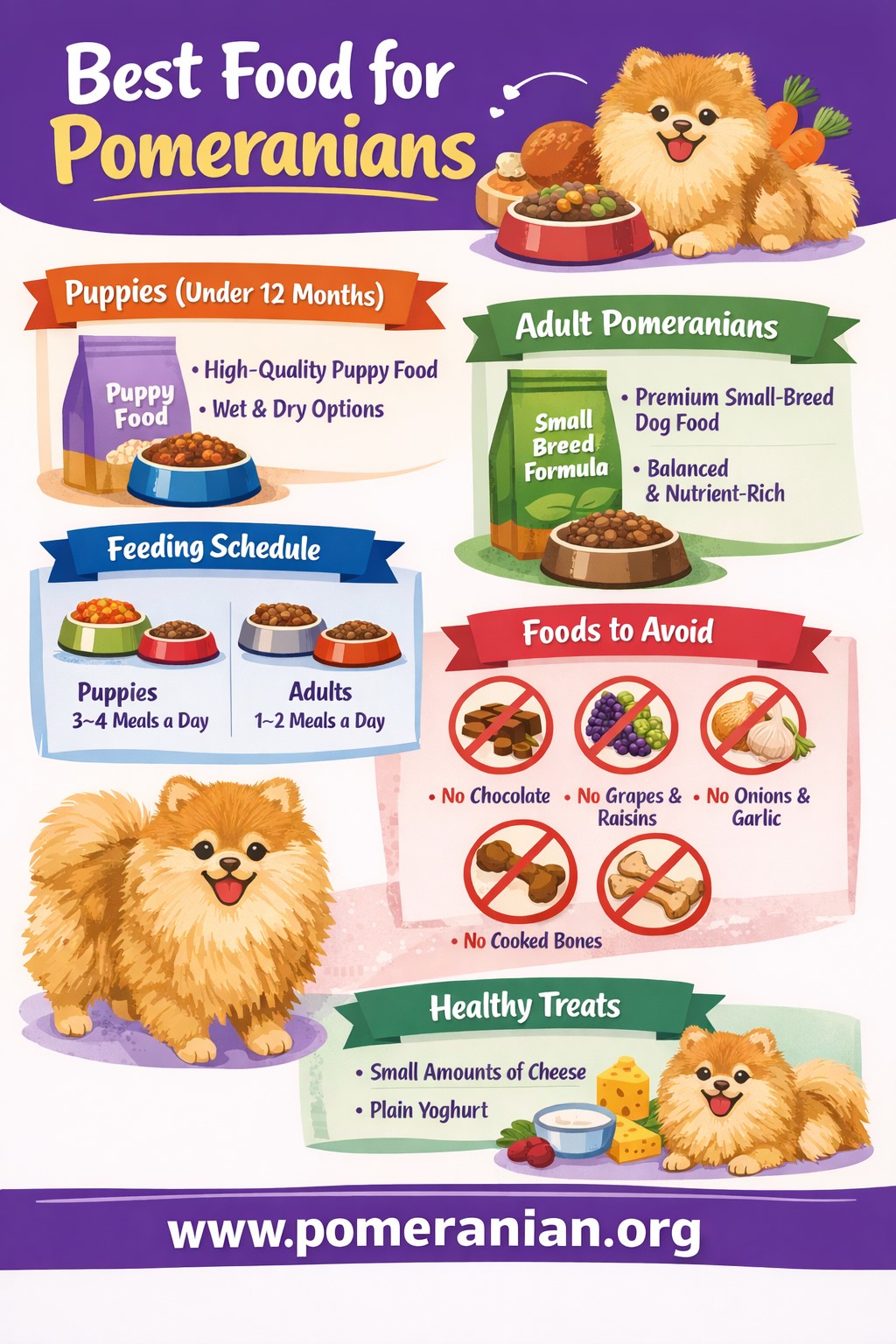
The best food for Pomeranians is a high-quality, balanced diet designed for small breeds. Puppies should be fed a premium commercial puppy food until around 12 months of age, while adult Pomeranians do best on a consistent, high-quality diet that supports coat condition, energy levels, and long-term health.
Feeding a Pomeranian correctly is essential, as their small size means even minor dietary mistakes can impact their well-being. In this guide, you’ll learn what to feed a Pomeranian, how often to feed them, and practical tips to keep your dog healthy and in ideal condition.
What Should You Feed a Pomeranian?
Feeding a Pomeranian correctly depends on their age and nutritional needs:
- Puppies (under 12 months): High-quality commercial puppy food
- Adults: Balanced, high-quality commercial dog food or balanced homemade food
- Treats: Small amounts of cheese or plain yoghurt
- Portion size: Small, measured meals suited to a toy breed
💡 Feeding a consistent, high-quality diet is essential for maintaining your Pomeranian’s health, coat condition, and energy levels.
What to Feed a Pomeranian
When deciding what to feed your Pomeranian, you can choose between a high-quality commercial diet or a carefully balanced home-cooked diet. Both options can work well, provided your dog receives the correct balance of nutrients.
For most owners, a premium commercial dog food is the safest and most reliable choice, as it is formulated to meet your dog’s nutritional requirements.
Quality matters. Cheap dog foods are often filled with low-grade ingredients and do not provide the nutrition your Pomeranian needs to thrive.
It is especially important to feed puppies correctly. Pomeranian puppies should be fed a high-quality commercial puppy diet until at least 12 months of age. This stage is critical for proper growth and bone development, and an inappropriate diet can lead to long-term structural and health problems.
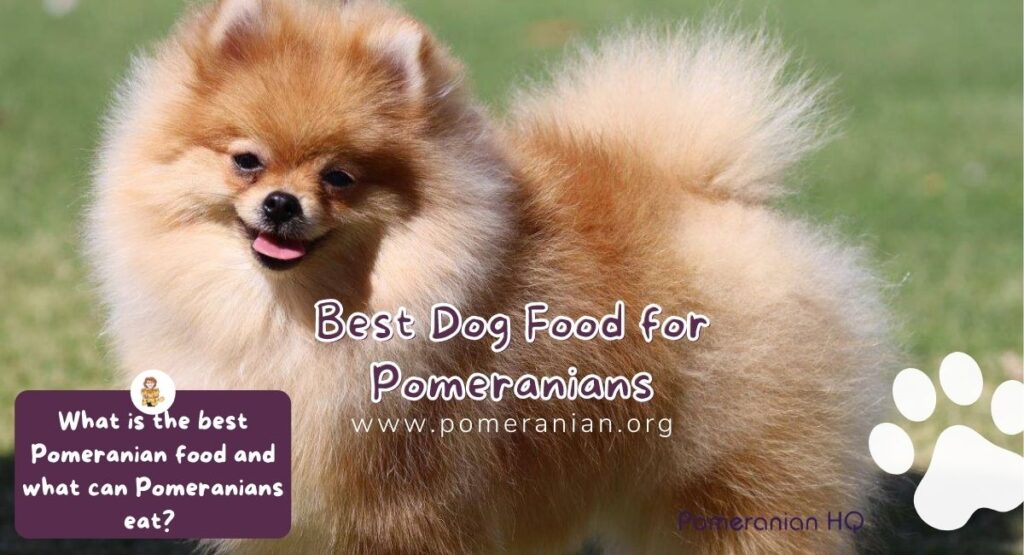
What’s the Best Dog Food for Pomeranians?
Commercial vs Home-Cooked Diets (Quick Comparison)
Expert Tip: For most Pomeranian owners, a premium commercial diet is the safest option unless guided by a veterinarian or canine nutritionist.
Best Dry Food for Pomeranians
After many years of testing different commercial dog foods on the Dochlaggie Pomeranians, I recommend the following dog food for Pomeranians:
Best Food for Pomeranian Puppy Dogs
Pomeranians under 12 months of age must be fed a special puppy diet to ensure correct growth
Best Pomeranian Puppy Food:
No products found.
No products found.
Royal Canin Small Indoor Adult Dry Dog Food
This dog food is for small breeds aged 12 months to 8 years, weighing 9–22 pounds. This food has been precisely formulated to ensure the dogs in this group receive all the essential nutrients they need. This special kibble encourages the dog to chew it thoroughly so it’s properly digested.
The Royal Canin food options balance DHA and EPA to keep the dogs’ coats and skin healthy. It uses easily digestible proteins that support digestive health while reducing stool odor and volume.
Because the dogs spend most of their time inside the home, engaged in low-intensity activities, there’s no need for food that provides them with too much energy. Foods are designed not to overload the dog with unnecessary calories; they get enough to keep their weight stable.
No products found.
Hill’s Science Diet Adult Dog Food, Small Bites Chicken & Barley Recipe Dry Dog Food
This food is formulated for small dogs aged 1 to 8 years, with a precise balance of essential nutrients. The quality and luster of their coats and skin are managed by vitamin E, a unique mix of omega-6 fatty acids and numerous other nutrients.
The food also contains a proven blend of antioxidants and vitamins E and C to support dogs’ healthy, strong immune systems. This is prime-quality food containing real chicken to help maintain the dog’s ideal weight and ensure he has lean, strong muscles.
This delicious dog food is easy to digest and has no preservatives, artificial flavors, or colors. This food is not suitable for puppies, nursing, or pregnant dogs. Seek advice from your vet or the manufacturer if you’re not sure.
No products found.
Dog Food For Senior Pomeranians
Dogs older than 7 or 8 need a diet slightly lower in protein. Nutrients need to be absorbed properly. If your dog eats the best possible home-cooked food, he may not absorb the vitamins, minerals, and protein.
A small amount of normal enzymes can make most of these essential nutrients go right through the dog’s body without being absorbed. If your Pom isn’t gaining weight or has stomach problems, a prozyme enzyme can help address these issues.
A Good Food Choice for Senior Pomeranians is the Following :
Royal Canin Mini Aging
This dog food is targeted at dogs 12+ years old. It has been made for smaller senior breeds and helps keep them healthy. This formula contains plenty of antioxidants that also support kidney health.
The formula for this product is designed to be a complete diet that provides your older dog with everything he needs to be healthy and happy.
The food has several unique flavors and can be rehydrated, so your dog can eat it even more easily. The phosphorus content keeps his kidneys healthy, and the chelation parts of the calcium decrease the amount of tartar that accumulates on his teeth.
No products found.
Pomeranian Feeding Chart
How Much to Feed a Pomeranian
The amount you feed your Pomeranian will depend on their size, age, activity level, and metabolism. The following guide provides a general starting point.
Note: 1 lb = 0.45 kg
💡 These amounts are a guide only and should be adjusted based on your Pomeranian’s individual needs.
Feeding Frequency
- Puppies (under 6 months): 3–4 small meals per day
- 6–12 months: 2–3 meals per day
- Adults: 1–2 meals per day
Puppies have very small stomachs, so meals should be small and evenly spaced throughout the day.
Practical Feeding Tips
- If your Pomeranian stops eating after 5–15 minutes, they are likely full
- If they finish quickly and still seem hungry, portions may be increased slightly
- Monitor body condition and weight regularly
- A lack of appetite or weight loss may indicate a health issue — consult your veterinarian
Transition to Adult Feeding
Around 12 months of age, your Pomeranian becomes an adult. Transition gradually to adult food to avoid digestive upset.
If feeding twice daily, divide the total daily amount between meals — do not double portions.
Treats and Snacks
Treats should be given in moderation and used primarily as rewards during training. Overuse can lead to weight gain and reduce their effectiveness.
Portion Control is Essential for Pomeranians
Many Pomeranians will eat as much as they are offered, so portion control is important. The amount your dog requires will vary depending on age, size, and activity level.
A simple guide is to offer food for a limited time. If your Pomeranian has not finished eating within 15–30 minutes, remove the food until the next scheduled meal.
💡 Consistent portion control helps maintain a healthy weight and prevents overfeeding.
Understanding Pomeranian Food Needs
Feeding your Pomeranian correctly is essential for maintaining optimal health and longevity. These small dogs may look delicate, but their nutritional needs must be carefully balanced to support their energy levels, coat quality, and overall well-being.
Overfeeding or providing an unbalanced diet can quickly lead to weight gain. Even a small amount of excess weight places strain on a Pomeranian’s joints and ligaments, increasing the risk of mobility issues. Obesity can also contribute to more serious health problems, including diabetes and reduced quality of life.
Feeding measured portions of a high-quality, balanced diet is one of the simplest ways to prevent these issues and keep your Pomeranian in peak condition.
Common Feeding Mistakes
Even well-meaning owners can make feeding mistakes that affect a Pomeranian’s health. Because this is a small breed, even minor dietary errors can quickly lead to weight gain, poor growth, digestive upset, or long-term health problems.
Expert Tip: One of the best ways to keep your Pomeranian healthy is to feed measured portions of a high-quality diet and avoid the temptation to overfeed.
How Many Times a Day Should You Feed a Pomeranian?
At Dochlaggie Pomeranians, adult dogs are fed twice daily. Pomeranian puppies are fed three meals per day using a high-quality wet puppy food.
For puppies under six months of age, dry puppy food is made available throughout the day, along with fresh, clean water, to help reduce the risk of hypoglycaemia.
Changing a Pomeranian’s Diet
When bringing your Pomeranian puppy home, it is best to gradually transition from the breeder’s diet to the food you intend to feed long term. Sudden changes can upset a puppy’s digestion, so a slow, steady transition is essential.
Because Pomeranian puppies are very small and sensitive, always introduce new foods gradually to support their health and wellbeing.
| Week | Feeding Adjustment |
|---|---|
| Week 1 | Replace ¼ of the current food with your chosen food |
| Week 2 | Replace ⅓ of the current food with your chosen food |
| Week 3 | Replace ½ of the current food with your chosen food |
| Week 4 | Replace ¾ of the current food with your chosen food |
| Week 5 | Fully transitioned to your chosen diet |
💡 Always monitor your puppy during diet changes and adjust the transition speed if needed.
How to Choose the Right Food for Your Pomeranian
Some dog food brands rely on fillers to increase volume rather than nutritional quality. This means a portion of what your dog eats provides limited benefit and simply passes through the body, often leading to larger, messier clean-up the following day.
- Fillers pass through the dog (without being absorbed) and come out the other end. This can lead to nutritional deficiencies and behavioral issues, such as coprophagia or grass eating.
- The Pomeranian is small and fragile, so its digestive system is also small and sensitive.
- Home-cooked meals can be a good option for Pomeranians over 12 months of age, as they allow you to control the ingredients and avoid unnecessary fillers. This can help ensure your dog receives quality nutrition when meals are properly balanced.
- 👉 Explore Pomeranian food recipes.
If you are unable or prefer not to prepare food for your dog, there are many commercial dog food options available. However, it is important to understand that cheaper foods are often made with lower-quality ingredients and may not provide the balanced nutrition your Pomeranian requires.
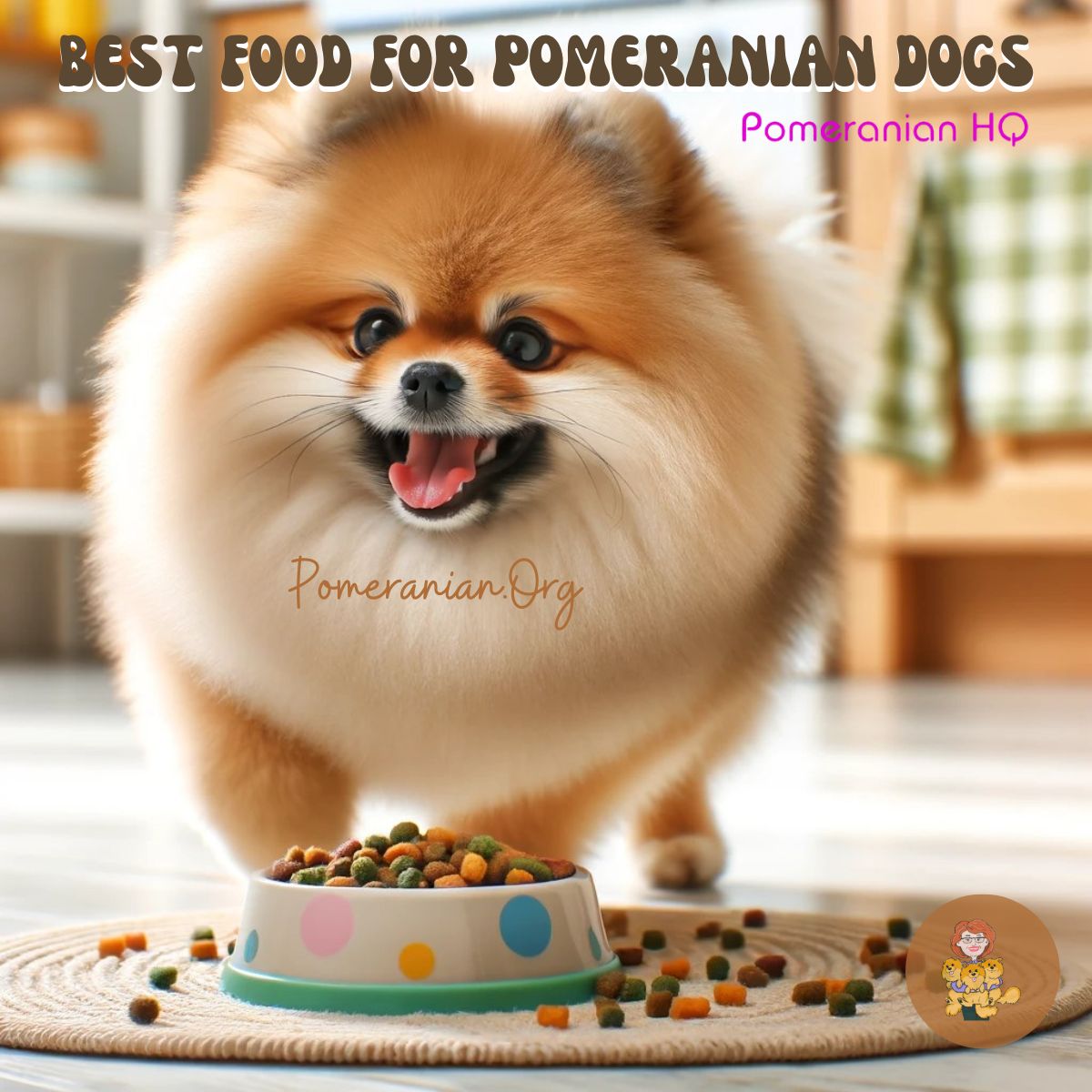
Grain-Free vs Grain Diets for Pomeranians
Grain-free diets are often promoted as healthier, but this is not always the case. While some dogs may have genuine sensitivities to certain grains, true grain allergies are relatively uncommon.
In dogs that are sensitive, symptoms may include itching, skin irritation, digestive upset, bloating, or gas. Wheat and rye, which contain higher levels of gluten, are more commonly associated with sensitivities.
In recent years, concerns have been raised about a possible link between certain grain-free diets and dilated cardiomyopathy (DCM), a serious heart condition. Research, including a 2018 report published in the Journal of the American Veterinary Medical Association, highlighted a potential association between DCM and some grain-free diets.
These diets often included boutique formulations with exotic proteins such as kangaroo or alligator, and high levels of ingredients like lentils, peas, and potatoes.
Choosing between grain and grain-free diets is not always straightforward. If your Pomeranian has a confirmed allergy, that ingredient should be avoided. However, in most cases, a balanced, high-quality diet is more important than whether it contains grains.
If you suspect sensitivity, you may consider avoiding wheat and rye and instead feeding easily tolerated options such as rice, oatmeal, or barley.
💡 Always introduce dietary changes gradually and monitor your Pomeranian’s condition.
Pomeranian Nutrition Requirements
The Association of American Feed Control Officials (AAFCO) recommends that adult Pomeranians have a minimum of 18% protein in their diet, and growing puppies require a minimum of 22%.
The majority of today’s canine foods have more protein than recommended. However, certain exceptions exist. For example, hypoallergenic foods and limited-ingredient diets. These foods use either exotic meat or plant proteins (in smaller amounts) to avoid triggering allergic reactions.
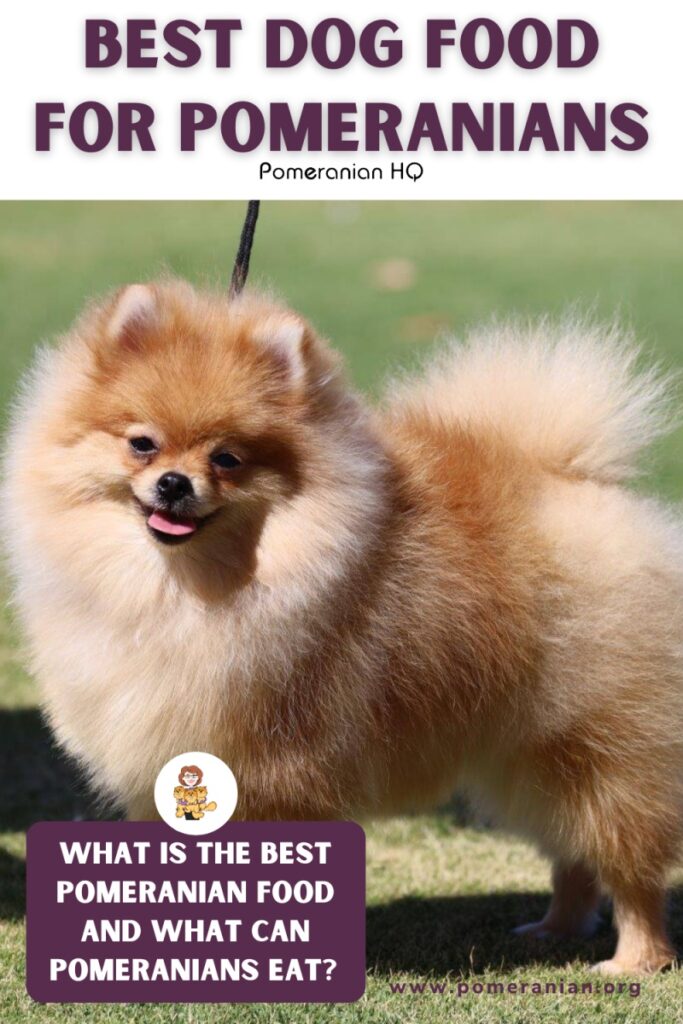
Proper Feeding: The Key to a Healthy Pomeranian
Feeding your Pomeranian correctly is essential to maintaining good health. If overfed or given an unbalanced diet, your Pom can quickly become overweight, which places strain on the joints and ligaments. Over time, this can lead to more serious conditions, including diabetes and reduced mobility.
Most canine nutrition experts agree that adult dogs thrive on a diet that is relatively low in carbohydrates, with moderate fat levels and a higher proportion of quality protein. This helps support muscle tone, energy levels, and overall well-being.
If your Pomeranian has any existing health concerns, it is always wise to consult your veterinarian to ensure the diet is tailored to your dog’s specific needs.
Great animal protein sources include eggs, meat, poultry, and fish. These foods give your Pomeranian every amino acid necessary for good health. Plant proteins can supply some essential amino acids, but they can’t give your dog the full amino acid requirements that animal proteins supply. Most are missing at least one, and sometimes more, of the vital amino acids your Pom needs.
Lots of today’s dog foods (including the costly, popular choices that claim they supply high protein levels) may get a lot of their proteins from lentils and peas. While some proteins and various extra nutrients can benefit canines, they’re harder to digest than protein from eggs, meat, and other animal proteins.
Manufacturers prefer using plant material when making dog food because animal proteins cost considerably more. They have plenty of fiber, but unfortunately, lentils, chickpeas, and peas are much harder to digest.
If you’re giving your Pomeranian dog grain-free food, you should check to ensure the fiber ratio isn’t too high. Most grain-containing canine foods contain approximately 4% fiber, according to the guaranteed analysis.
If grain foods contain more plant protein, they can have 6–7% fiber per the guaranteed analysis. This significantly affects how well your dog digests his food and the quality of the mess you have to pick up after him.
Fat is an essential nutrient for keeping your dog healthy. It contains omega-3 and omega-6 fatty acids critical for your brain’s development, good, healthy skin and coat, and the proper functioning of your heart.
Essential fatty acids assist with absorbing vitamins A, D, E & K. Fats from animals are healthier than fats from plant sources. Your Pom can’t use plant fats. The best fat sources for your dog’s diet include chicken fat and fish (e.g., salmon oil).
Dog Minerals, Vitamins, and Supplements
Pomeranians require minerals and vitamins as part of their diet. Many owners believe that the vitamins and minerals in dog food are derived from its ingredients.
However, most canine foods are cooked at very high temperatures. This process destroys a large percentage of nutrients. They’re forced to include supplements as a part of their formula, so when you check food labels, don’t be surprised when you read a long list of minerals and vitamins.
Recent studies have also indicated the importance of taurine in doggie diets, and have linked feeding commercial dog food, which often lacks taurine, to heart issues.
Taurine is an amino acid containing sulfur and is important in metabolizing fats. All these studies reinforce the idea that the best food for your Pom (if possible) is a healthy, home-cooked diet.
Pomeranian Food Allergies
Some Pomeranians can develop sensitivities or allergies to certain ingredients, including peas, lentils, and other plant-based proteins. While these ingredients are commonly used in modern dog foods, not every dog tolerates them well.
In recent years, plant proteins have been included more heavily in some commercial diets. For some dogs, this can lead to digestive upset, including bloating, gas, or loose stools.
Digestive enzymes are sometimes added to dog foods to help improve nutrient absorption and support digestion. While they are not harmful, their presence may indicate that a dog needs additional support to properly digest certain ingredients, particularly plant-based proteins.
For this reason, it is important to monitor your Pomeranian closely when introducing new foods and choose a high-quality diet that suits your dog’s individual needs.
There Are Two Problems Associated With Buying Commercial Dog Food for Pomeranians:
- The myriad of commercials makes people believe certain foods must be the best because they’re brand names they hear so much about. The sad news is that the opposite is often true.
- It’s simple to buy something while you’re out shopping, and the advertisements do their work again, so the popular foods go into the trolley and your dog’s tummy.

No products found.
Home Cooking Saves Money
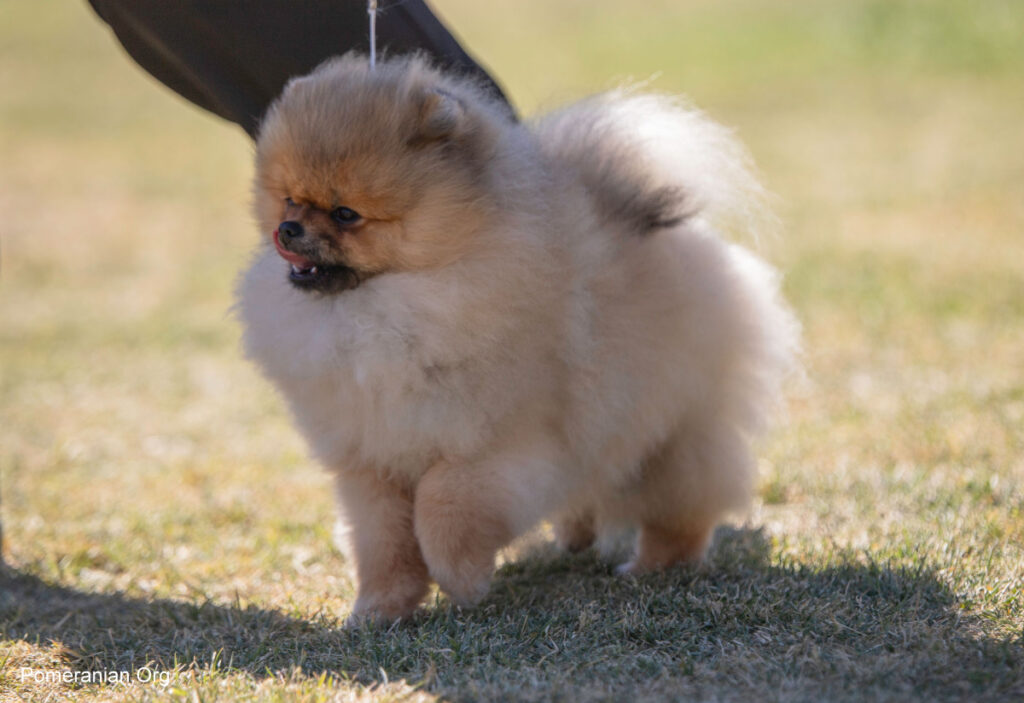
Many of the ingredients you would feed your dog are the same as what you normally buy yourself. Just buy a little more for your dog’s meals.
You can also make larger amounts and freeze them in small portions, so you don’t have to cook every day just for your dog. This is not the same as tossing your dog the table scraps. You control what nutrients your dog is getting, so you can ensure he remains healthy.
Some better ingredients you may use include:
- Organs such as the brain, kidneys, and liver.
- Lean meats, including fish, white breast chicken, and lean hamburger mince meat.
- Vegetables such as sweet or regular potatoes (your Pom loves these), spinach, baby carrots, zucchini, and broccoli. Don’t use corn.
- White or brown rice. Poms also love different types of pasta, so use your imagination there.
- Meat is the most important ingredient in your dog’s diet and should be the largest component of each meal. The other foods help balance the meal. Use a ratio of 40% meat, 30% starch, and 30% vegetables.
Pomeranian Dog Food Quality
Never buy cheap dog food. Higher-quality canine food has less filler and will give your dog better-quality vitamins, protein, and calories.
The cheaper food can make your dog gain weight and become unhealthy. It may affect his immune system, and he could be sick more often. He’ll find it harder to fight off any illnesses. Food with more filler will also give him bigger, more frequent bowel motions.
Wet or Dry Pomeranian Dog Food?
I feed my Pomeranians high-quality dry food, as it provides a convenient, nutritionally balanced foundation for their diet. Many experts recommend dry food as the main component of a Pomeranian’s diet.
If your Pom is a little fussy, you can encourage eating by adding a small amount of low-salt beef or chicken broth, or lightly mixing it through the food to enhance flavor and aroma.
High-Protein Diets for Pomeranians
There has been ongoing debate about high-protein diets for dogs, but in reality, protein is an essential part of a healthy Pomeranian diet.
Pomeranians thrive on a diet rich in high-quality animal protein, which supports muscle development, energy levels, coat condition, and overall health.
Earlier concerns about high-protein diets were largely misunderstood or based on research that does not accurately reflect the nutritional needs of healthy dogs. For most Pomeranians, a diet with adequate levels of quality protein (typically 20% or more) is both safe and beneficial.
The key is not simply the amount of protein, but the quality and source. Protein should come primarily from animal-based ingredients rather than plant fillers.
If your Pomeranian has specific medical conditions, such as kidney disease, dietary adjustments should always be made in consultation with your veterinarian.
When Your Pomeranian Needs a Special Diet
At certain stages of life or during illness, your Pomeranian’s nutritional needs may change. Factors such as age, reduced activity, injury, or underlying health conditions can all require dietary adjustments.
For example, less active or older Pomeranians may benefit from a carefully controlled diet to prevent weight gain, while still supporting joint health and overall condition.
Pregnant and lactating Pomeranian bitches have significantly increased nutritional requirements. A high-quality, nutrient-dense diet is essential for supporting both the mother and the developing puppies.
Particular attention must be paid to the correct balance of calcium and phosphorus, as imbalances can increase the risk of complications such as hypocalcemia (milk fever) and may affect whelping.
Because these situations can vary greatly between individual dogs, it is always important to seek guidance from your veterinarian. Tailored advice ensures your Pomeranian receives the correct nutrition for their specific condition and life stage.
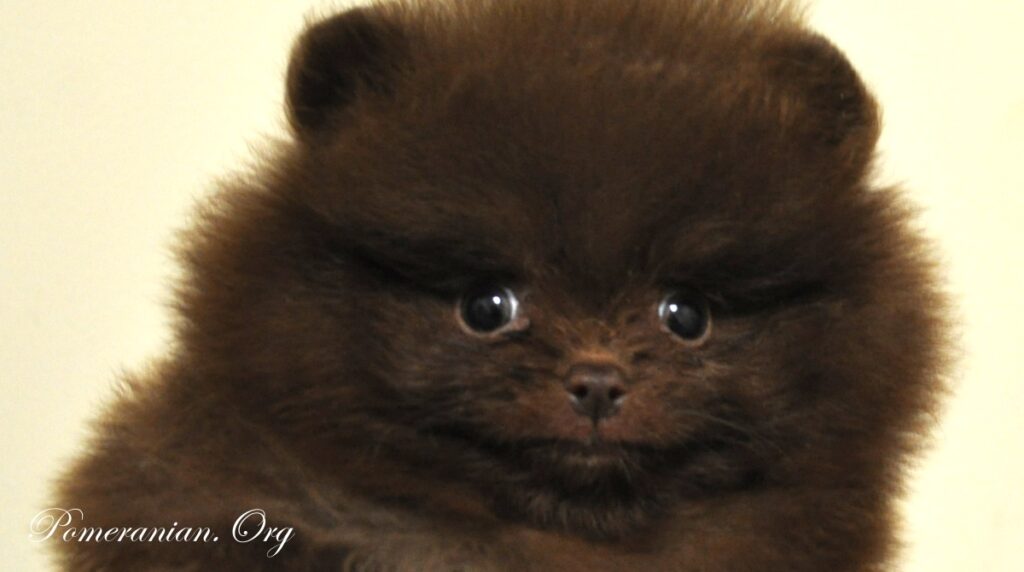
Artificial Colors and Preservatives
Some lower-quality dog foods may contain artificial colors and preservatives, including BHA, BHT, and Ethoxyquin, as well as added colorings like caramel and FD&C dyes.
While these additives are permitted for use in pet foods, many experienced breeders and canine nutrition experts prefer to avoid them where possible. Diets that rely on artificial additives are often associated with lower overall ingredient quality.
For this reason, it is generally recommended to choose a high-quality dog food made with natural ingredients and minimal processing. Focusing on ingredient quality, rather than marketing claims, is one of the best ways to support your Pomeranian’s long-term health.
Unusual Eating Behaviors in Pomeranians
Some Pomeranians may display unusual eating habits, such as carrying food away from their bowl or attempting to “bury” it. This behavior is instinctive and comes from their ancestral need to store food for later.
While it is normal, it can become undesirable in a home environment. Food may be hidden in inappropriate places or not eaten properly.
It is best to encourage your Pomeranian to eat from their bowl at set meal times. Consistent feeding routines and supervision will help reinforce good habits and prevent mess or food wastage.
Should You Allow Your Pomeranian to Beg for Food?
Pomeranians are very clever and quickly learn behaviors that bring rewards — including begging. While it may seem harmless, allowing your Pom to beg for food can lead to poor eating habits and weight gain.
Once a dog is regularly given table food, it may begin to refuse its own meals and hold out for treats instead. This can make it difficult to maintain a balanced diet.
It is important to establish clear boundaries. Avoid feeding your Pomeranian while you are eating, and ensure all food is given as part of their regular, measured meals or controlled treats.
Human foods, particularly processed foods, often contain excess salt, fats, and additives that are not suitable for dogs and may negatively impact their health over time.
Consistency is key. By not giving in to begging, you help your Pomeranian develop healthy eating habits and maintain an appropriate weight.
Best Dog Food For Pomeranians

- SMALL BREED DOG FOOD: Royal Canin Small Adult Dry Dog Food for small dogs 10 months to 8 years weighing 9 to 22 lbs
- IDEAL WEIGHT: Helps maintain ideal weight by meeting a small dog’s specific energy needs
- STRONG BONES: Helps maintain strong bones with a precise blend of calcium and phosphorus
- PRECISE NUTRITION: Easy-to-digest proteins and precise levels of various fibers, including prebiotics, to help support a healthy microbiome
- AGE SPECIFIC FORMULAS: As dogs mature, their nutritional needs change. For small-sized dogs age 8+, check out the Royal Canin Small 8+ dry dog food for a formula specific to their unique needs
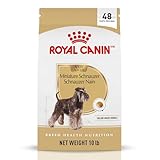
- FORMULATED FOR PUREBRED MINIATURE SCHNAUZERS: Royal Canin Miniature Schnauzer Adult Dry Dog Food is designed to meet the nutritional needs of purebred Miniature Schnauzers 10 months and older
- SPECIALIZED KIBBLE: Unique kibble shape helps Miniature Schnauzers pick up and chew their food
- SKIN SUPPORT: Essential nutrients promote healthy skin and coat and help protect a Miniature Schnauzer’s sensitive skin
- HEALTHY COAT: Helps provide coat care with tailored levels of amino acids to maintain a vibrant coat
- WEIGHT MANAGEMENT: Adult dog food promotes weight control with appropriate balanced formula to help maintain an ideal weight
- SMALL BREED DOG FOOD: Royal Canin Small Adult Dry Dog Food for small dogs 10 months to 8 years weighing 9 to 22 lbs
- IDEAL WEIGHT: Helps maintain ideal weight by meeting a small dog’s specific energy needs
- STRONG BONES: Helps maintain strong bones with a precise blend of calcium and phosphorus
- PRECISE NUTRITION: Easy-to-digest proteins and precise levels of various fibers, including prebiotics, to help support a healthy microbiome
- AGE SPECIFIC FORMULAS: As dogs mature, their nutritional needs change. For small-sized dogs age 8+, check out the Royal Canin Small 8+ dry dog food for a formula specific to their unique needs

- Royal Canin Pomeranian Adult Loaf in Sauce wet dog food is designed to meet the nutritional needs of pure breed adult Pomeranians
- Features an exclusive formula enriched with EPA and DHA to support and maintain skin health and a nourished, beautiful healthy coat
- Supports this small breed dog’s fragile knees, joints, and overall bone health
- Delivers a balanced blend of digestible fibers and highly digestible protein to promote digestive health and optimal stool quality
- Complete and balanced soft dog food loaf can be fed alone or mixed with Pomeranian Adult dry dog food to satisfy even the pickiest eaters

- FORMULATED FOR PUREBRED MINIATURE SCHNAUZERS: Royal Canin Miniature Schnauzer Puppy Dry Dog Food is designed to meet the nutritional needs of purebred Miniature Schnauzers 8 weeks to 10 months old
- SPECIALIZED KIBBLE: Unique kibble shape helps small dogs pick up and chew their food
- HEALTHY DEVELOPMENT: An exclusive complex of antioxidants including vitamin E helps support puppy development of the immune system
- WEIGHT MANAGEMENT: Precise nutrients, moderate fat levels, and added L-carnitine promote healthy weight control
- HEALTHY DIGESTION: High-quality proteins and prebiotics support digestion and promote optimal stool quality
Foods to Avoid Feeding a Pomeranian
Some foods are unsafe or unsuitable for Pomeranians and should always be avoided:
- Chocolate
- Grapes and raisins
- Onion and garlic
- Cooked bones
- Fatty or heavily processed foods
- Sugary foods and artificial sweeteners
⚠️ Even small amounts of certain foods can be harmful. Always choose safe, appropriate foods for your Pomeranian.
Pomeranian Feeding FAQ
What is the best food for a Pomeranian?
A high-quality commercial dog food formulated for small breeds is generally recommended. Puppies should be fed a puppy-specific diet until around 12 months of age.
How often should I feed my Pomeranian?
Puppies require 3–4 small meals per day, while adult Pomeranians are usually fed 1–2 meals daily.
Can Pomeranians eat human food?
Some human foods can be given in small amounts, such as plain yoghurt or cheese, but many foods are unsafe. Always ensure foods are suitable before feeding.
How much should a Pomeranian eat?
The amount varies depending on size, age, and activity level. Small, measured portions are important to avoid overfeeding.
Are treats necessary for Pomeranians?
Treats are not essential but can be useful for training. They should be given in moderation to avoid excess weight gain.
Conclusion
Feeding your Pomeranian correctly is one of the most important factors in maintaining their health, coat quality, energy levels, and overall longevity. A well-balanced, high-quality diet — combined with proper portion control and consistent feeding routines — will help your Pom thrive.
If you are ever unsure about what your Pomeranian should be eating or whether their weight and condition are ideal, it is always best to consult your veterinarian for tailored advice.
Want to learn more?
For complete and detailed Pomeranian care information — including feeding your new puppy, understanding dog food labels, maintaining optimal health, toilet and crate training, choosing the right puppy, and proper socialisation — explore the comprehensive guide below.
Copyright Pomeranian.Org. All rights reserved.
References and Further Reading:
[1] Denise Leo, “The Pomeranian Handbook”.
[2] Journal of the American Veterinary Medical Association “Diet-associated dilated cardiomyopathy in dogs: what do we know?”