
Many people wonder whether dogs have hair or fur, especially when discussing fluffy, double-coated breeds like the Pomeranian. Technically, dogs have fur, while humans have hair. However, the terms are often used interchangeably in everyday conversation.
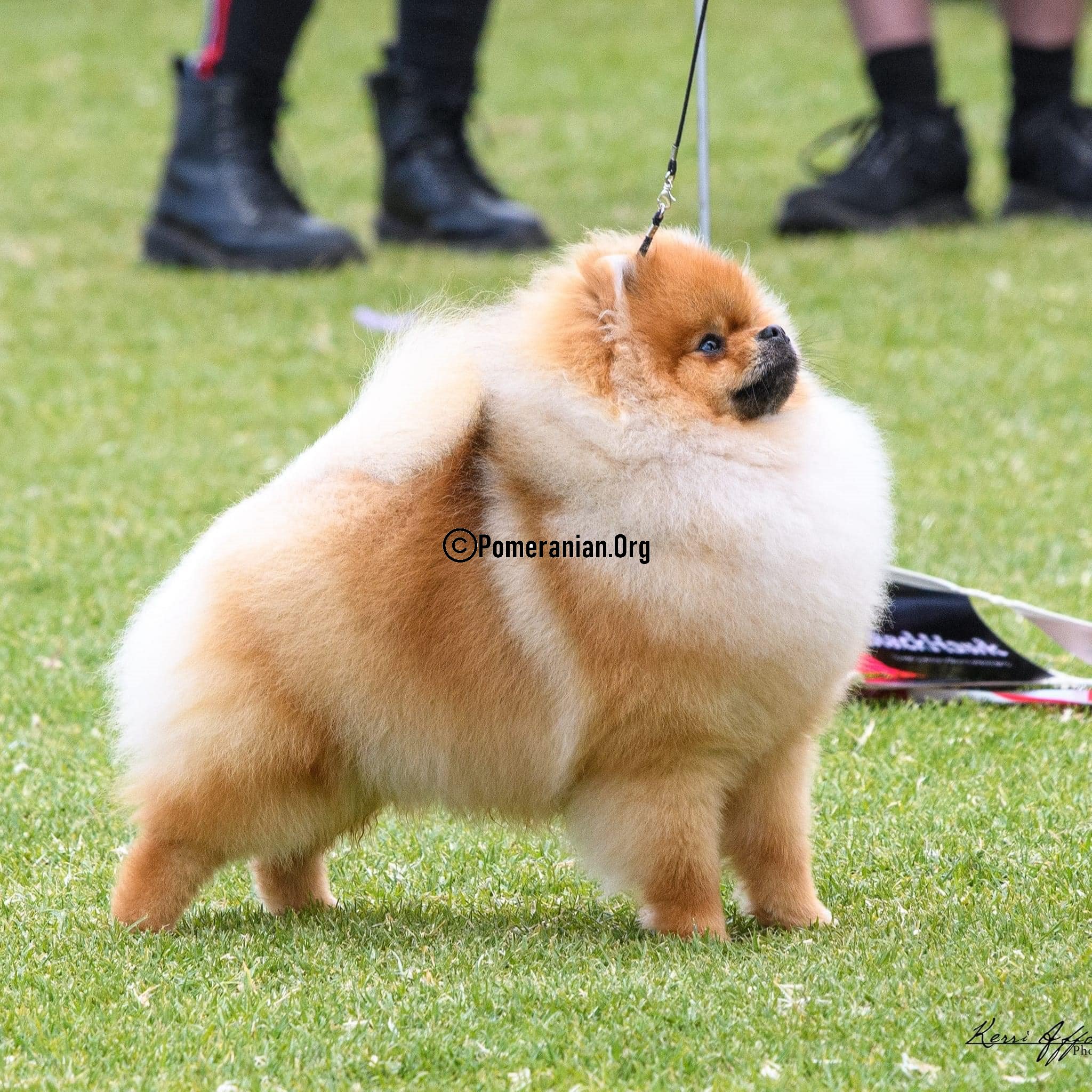
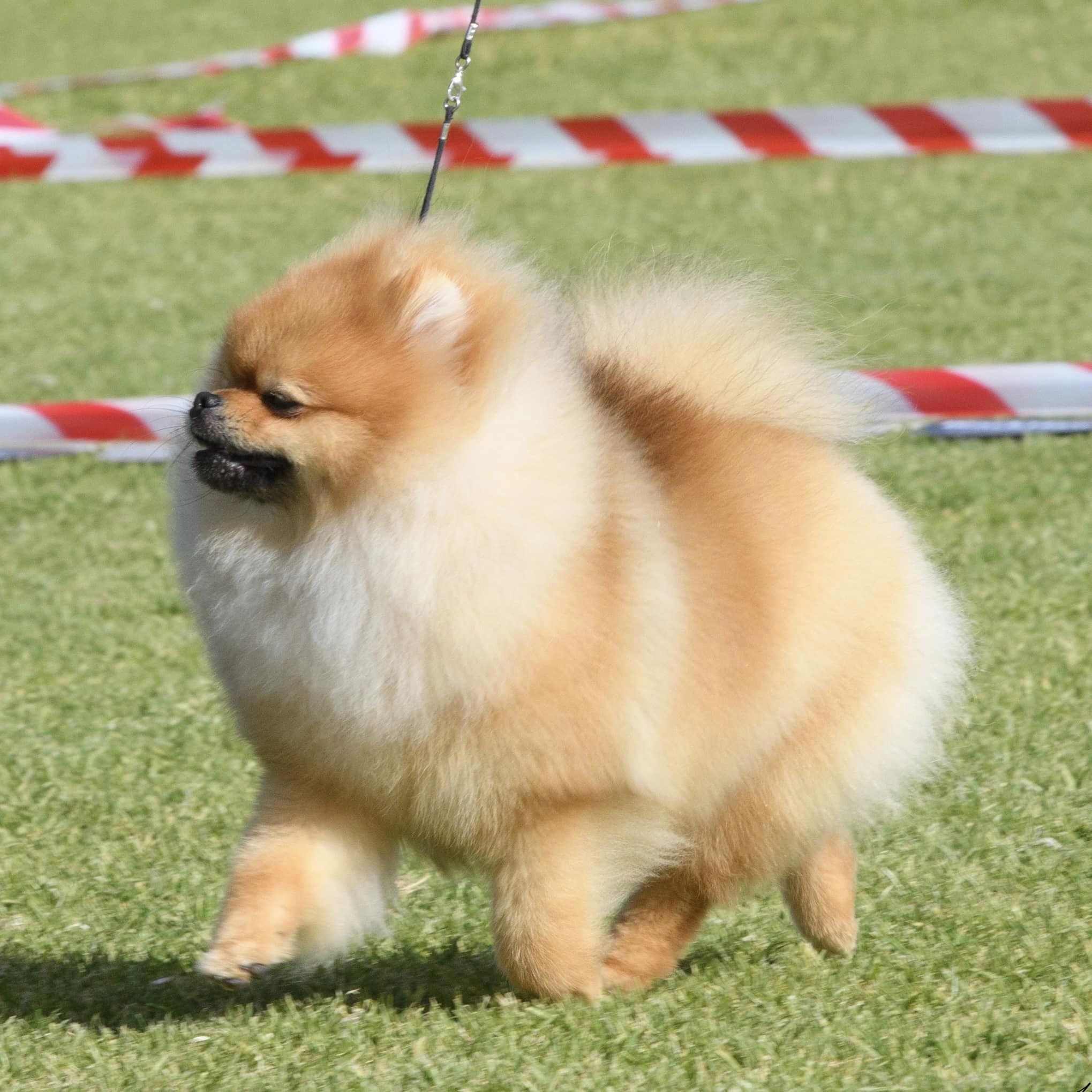
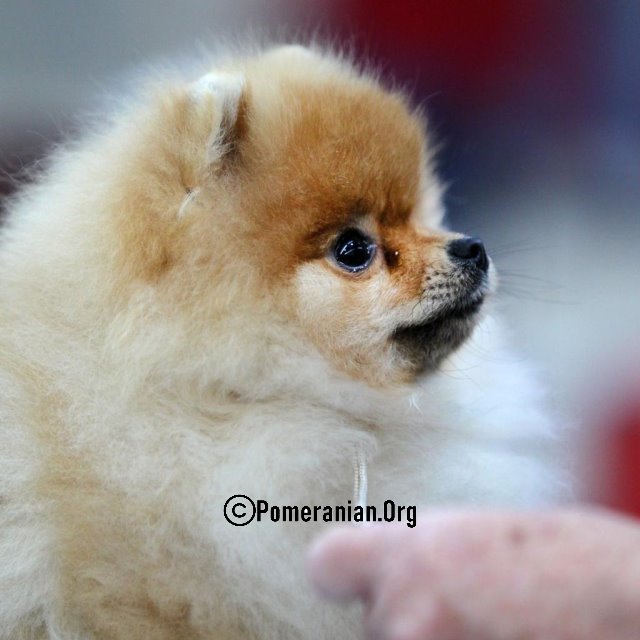
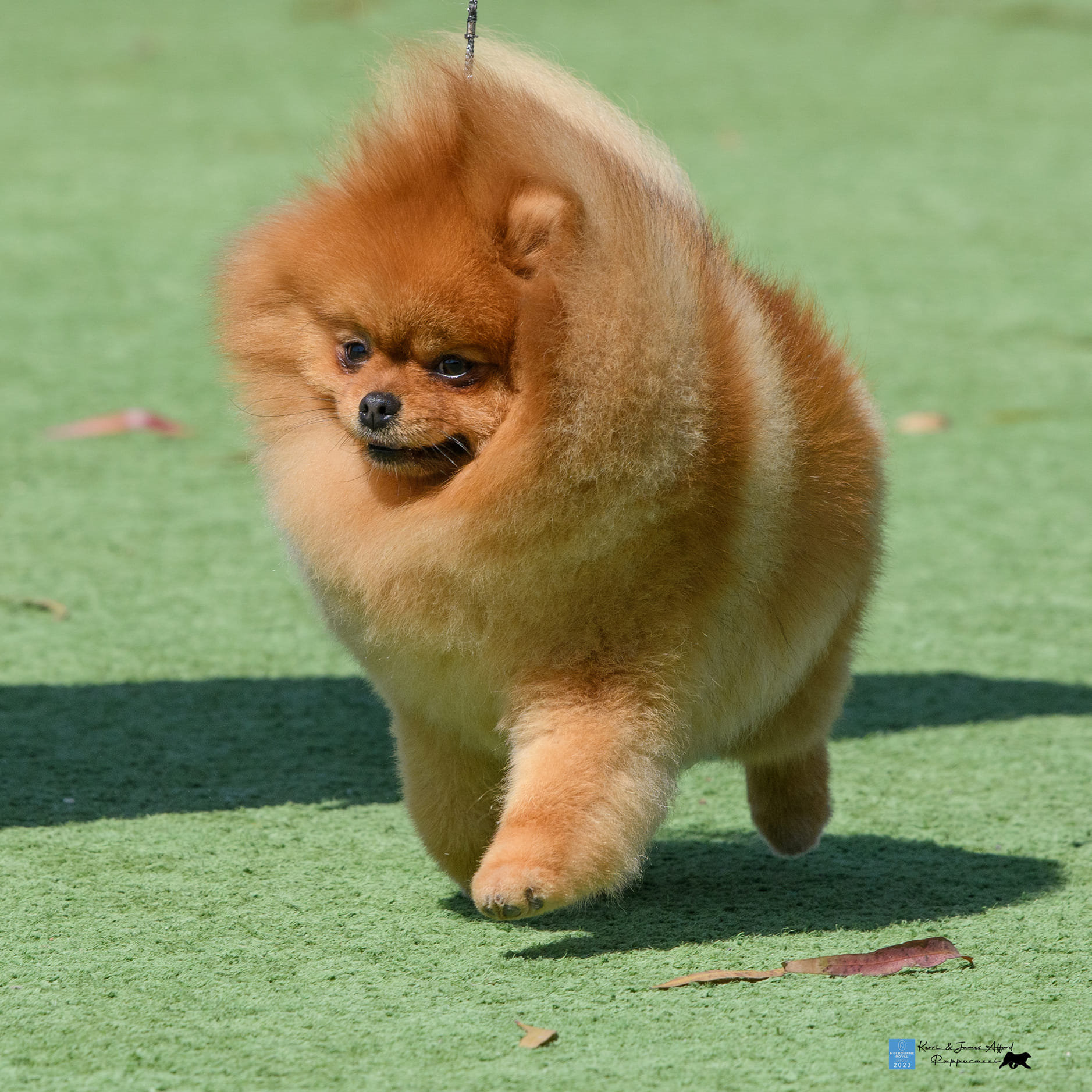
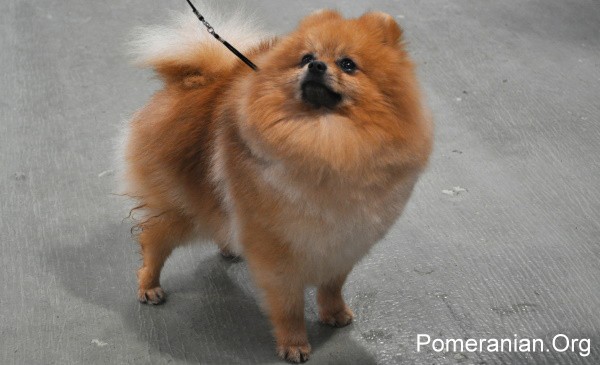
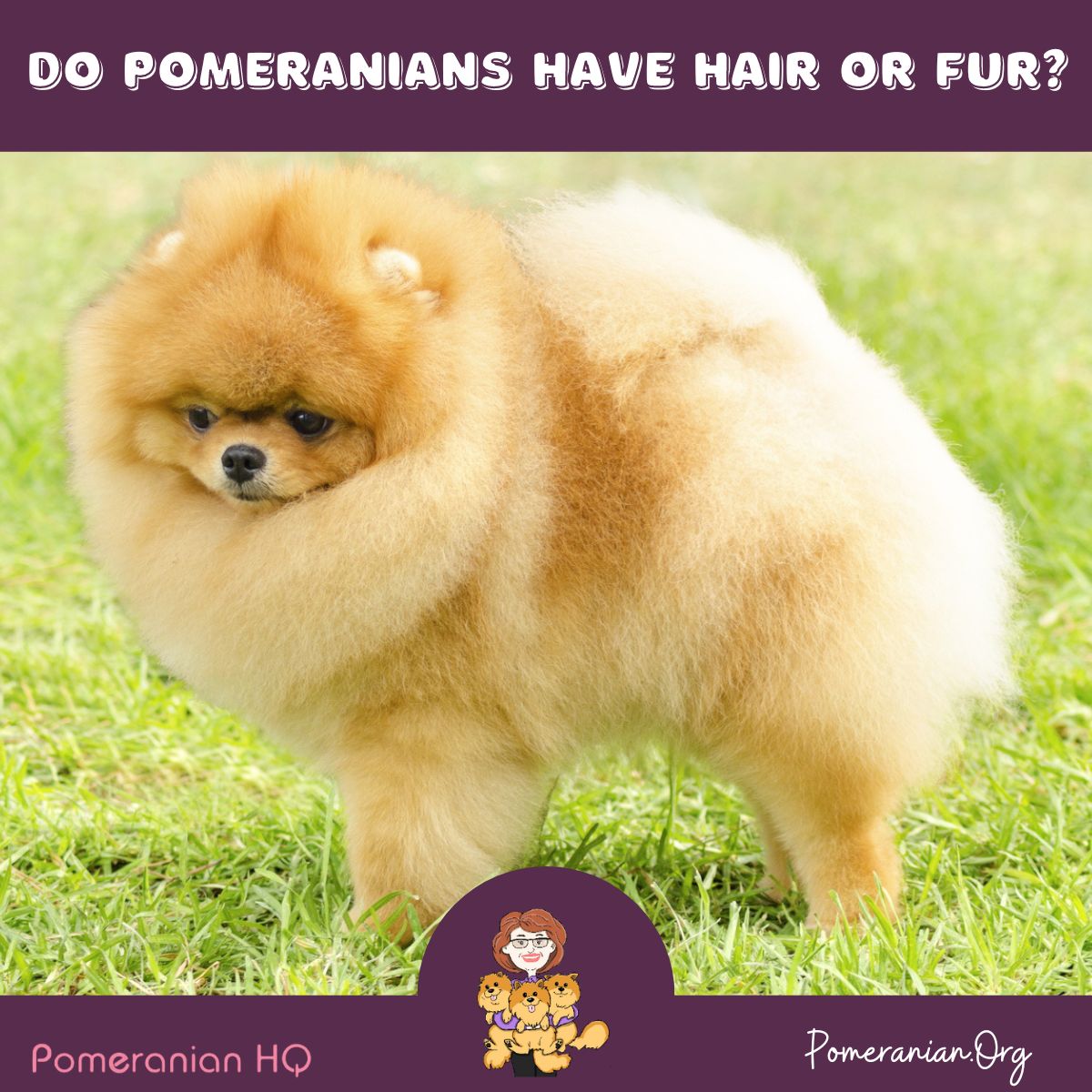
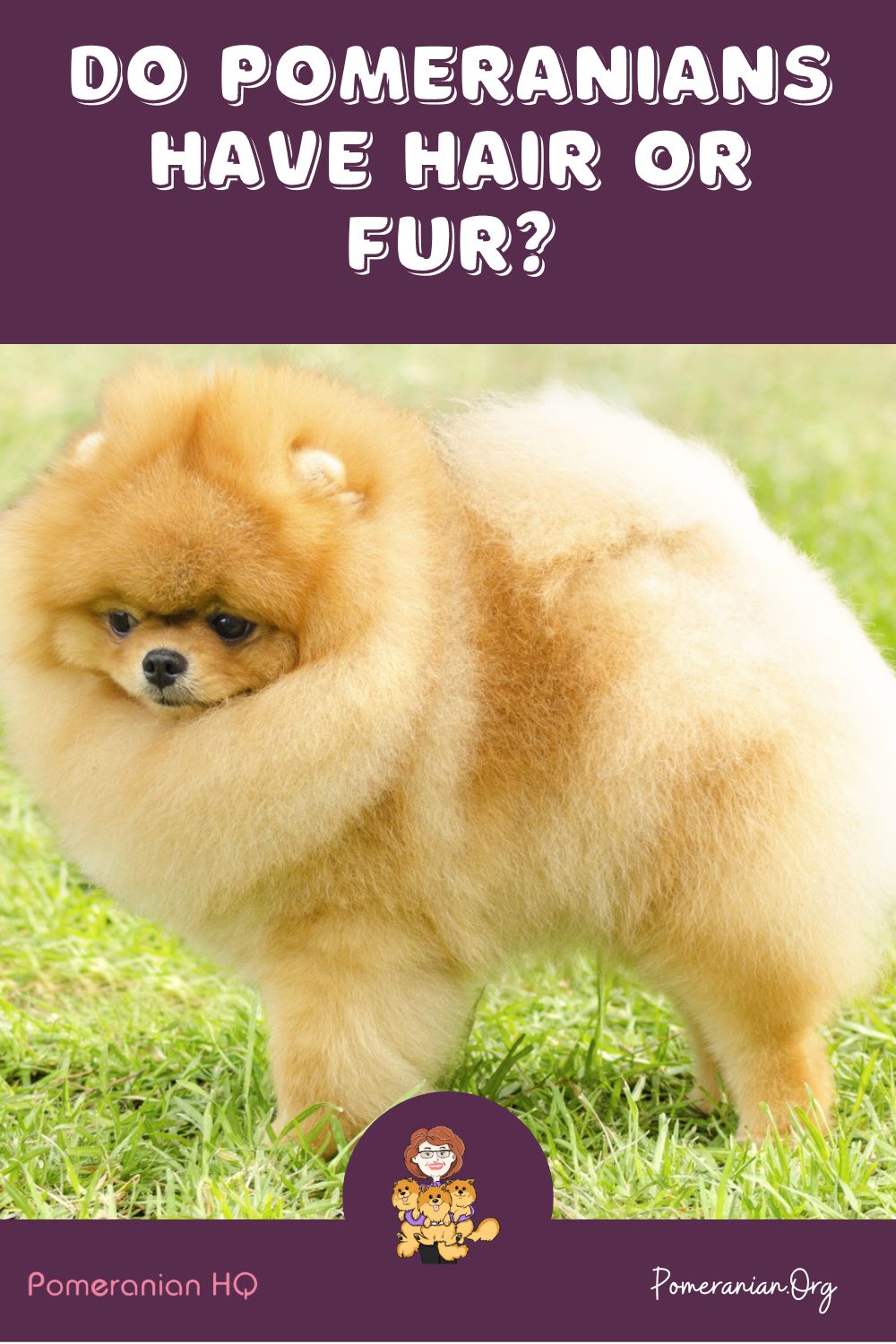
A Pomeranian’s beautiful coat is a thick double coat made up of a soft, dense undercoat and a longer outer coat that gives the breed its famous fluffy appearance. Unlike human hair, which grows continuously, fur grows in cycles and is designed to help regulate body temperature and protect the skin from the environment.
Humans also have fur-like body hair on areas such as the arms, legs, and men’s chests, while the hair on our heads typically grows much longer and follows a different growth cycle. In dogs, the coat serves an important purpose beyond appearance, helping keep the dog warm in winter and insulated from heat in summer.
Understanding the difference between hair and fur can also help owners better understand shedding, coat changes, grooming needs, and why breeds like the Pomeranian require regular coat maintenance to keep their fur healthy and free from painful mats and tangles.
Quick Answer
Pomeranians have fur, not hair. Their coat is a thick double coat made up of a soft undercoat and longer outer fur that gives the breed its fluffy appearance. While people often use the words hair and fur interchangeably, fur usually refers to the shorter, denser coat found on animals, while human hair grows differently and continuously.
Pomeranian Dog Hair vs Dog Fur
What is the difference between hair and fur? A difference between dog fur and hair is that fur grows to a specific length, while hair keeps growing. Dog fur has rest periods known as telogen phases, where the hair follicles are dormant.
The dog fur growth period is known as the anagen phase. In Pomeranians and other Nordic breeds, this phase seems to be relatively short.
The dog’s genes determine the length of canine fur growth, and then the follicles will rest. If the dog is stressed, the time of both phases can be affected.
Dog Hair Characteristics Explained
Dog hair is composed of a hard material named keratin, an insoluble protein with high levels of sulfur (the amino acid called cystine) and smaller amounts of other amino acids, including leucine and tyrosine.
Your hair grows from follicles just under your outer layer of skin. Each strand of hair grows from one follicle in people. Dogs can have compound and simple hair follicles.
One central follicle that creates the guard hair or primary hair can have two or even more lateral follicles, creating 5-25 secondary hairs for each follicle. The thickness or coarseness of hair in dogs can vary and is a function of hair diameter.
Finer dog hairs can measure around 75 microns. Coarser dog hairs can be more than 200 microns. For a dog’s hair to be healthy, it needs to eat a nutritious, well-balanced diet consisting of proteins (particularly the ones rich in amino acids, including sulfur, methionine, and tyrosine), copper, essential fatty acids, and the B group of vitamins.
Almost a third of a dog’s daily protein needs are used to renew the hair and skin. Various hormones can affect the proper growth of hair. The growth and thyroid hormone stimulate the hair follicles, while sexual hormones and corticoids slow down the growth of the follicles.
If prolactin (lactating females produce this hormone) remains high, the dog’s coat will look like a healthy, summery coat instead of a sparse, thin one.
Dog Coat Changes
If the appearance or texture of your dog’s coat changes, it’s an indication that there’s an internal problem. However, there’s no single condition or disease to which this can be attributed. An imbalance in the diet can cause brittle or dull hair, but diseases of the parasitic, renal, immune, hepatic, or digestive systems may also cause it.
Hair changes usually occur late in the disease’s course because hair growth is slow. It’s usually a minimum of four weeks before positive effects on your dog’s hair can be seen if dietary supplements are added to the dog’s diet.
The shine of the coat of a healthy dog is mainly caused by fats secreted through sebaceous glands within the skin that act as a natural release of conditioners for hair. Despite popular belief, there are no dogs that never shed hair.
It’s just that some shed more than others. Every shaft created by a hair follicle has to die eventually and get dislodged (shedding) so it can be replaced by the new hair shaft the follicle makes.
Some dog breeds have hair that grows for longer periods before it sheds. A hair follicle has a couple of different growth phases.
Anagen is the growing phase when the follicle grows hair. Then comes the catagen phase, a short break between the resting and growing phases. The telogen phase happens when the hair follicle lies dormant.
New hair forces the old hair out of the dog’s skin. However, both fall and spring cause prolific growth of hair; not all the dog’s follicles are in one phase simultaneously, so he should never get completely bald.
Human hair is mostly in the growing stage (anagen), and this phase may last for years, according to how long your genes determine your hair should be. The resting phase only lasts a few weeks. Poodles have an anagen phase similar to humans, and their hair grows so long that it must be trimmed a couple of times each year before it finally falls out.
Most other dogs have a dominant resting (telogen) phase. The anagen phase lasts only long enough for the coat to reach its genetically determined length.
This period could be a month, a year, or sometimes even longer. Then the hair goes back to the telogen phase for an extended period. The hair in the follicle is tightly bound and can’t easily be pulled or fall out.
Will Shaved Pomeranian Hair Grow Back?
In Pomeranians and other Nordic dog breeds, it’s believed this phase can last for years. Shaving or clipping your Pomeranian’s coat whilst in this telogen phase is believed to be the cause of most cases of post-clipped alopecia, or Pomeranian coat funk.
Post-clipping alopecia can also be an advanced indication of hypothyroidism or other metabolic disorders.
Taking your Pomeranian to a groomer may be a risky venture. Shaving or clipping the coat very short on a double-coated dog, such as the Pomeranian, may damage the hair follicles. After visiting the Grooming Salon, the Pomeranian’s coat could grow back quickly, or it might not grow again for years, if ever.
Some Pomeranians have had very short haircuts at grooming salons and then have had success with recoating for many years; then, the hair growth suddenly stops.
Any stress that a dog endures can force hair follicles into their resting period. Stressors can include pregnancy, disease, anesthesia, or specific medications. Approximately 2-3 months after the event, shedding will be abnormal as the dog’s hair reactivates.
Pomeranian Hair Color
The color of your dog’s coat is decided genetically. However, some environmental factors can slightly change the color.
Some nutrients may change the coat’s color. Deficiencies of phenylalanine, tyrosine, methionine, cystine, and arginine have been reported as causes of hair color changes.
Protein deficiencies can affect hair growth and the quality of your dog’s hair. The American Society for Nutritional Sciences produced a report after a study in 2004 that revealed deficiencies in trace elements can also impede the quality of your dog’s hair.
A lack of zinc causes grey hair; a lack of copper causes black or brown hair to fade. Hair color can also be affected if the dog is deficient in biotin, pantothenic, nicotinic, folic acids, vitamins B2, B6, and A, iodine, and iron.
How to Improve a Pomeranian Coat
Natural remedies seem to work better than typical medical methods. An immune system booster such as Echinacea can help. If the case is severe, some homeopathic remedies may also help. Some hot spots can be caused by a nerve that triggers itching. This can happen if the spine or a joint is misaligned. A chiropractor can usually fix this problem easily.
So you can see, there are many possible causes of poor hair growth. This means there are also many possible remedies, and every dog should be treated as an individual, just like humans, as different remedies will help different dogs.
There’s a good overall plan of attack that usually helps, and it includes these elements:
Boosting the immune system through omega-3 fatty acids, antioxidants, and herbal remedies. Ensuring the dog’s diet is nutritious and free of deficiencies. Use supplements if necessary to balance it out.
Include raw meat in the diet (start with one teaspoon for every 20 pounds of weight and build to a quarter or one-third of the dog’s diet). Meat is believed to be the best hair coat and skin “medicine” you can get.
Some natural remedies are excellent. For example, calming herbs and/or flower essences if the dog is stressed or nervous; topical herbs for faster healing and itchiness; homeopathy and acupuncture when needed.
Other Things You Can Do Yourself
Massage and use a rubber mitt on your dog’s sebaceous gland to release natural skin and hair conditioners.
Ensure your dog is brushed or combed regularly and is always clean. This will help you better monitor his overall health and build your bond at the same time. Ensure your dog’s coat is fed a high-quality, nutritious diet with fresh meat.
Dog Shampoos and pH
Some say dogs should only be washed with dog shampoo, as human shampoo dries out their skin. Some claim the pH is different. But these are false claims.
Human shampoos have different pH levels, depending on the type. Some are acidic, with a pH of around 2.0. Some are alkaline at around 9.0 pH. The majority sit at pH 5.5-6.0. The shampoos for dogs also vary, but are generally more alkaline, ranging from pH 4.5 to 9.0.
Human and dog skin also vary in pH. Humans are around 5.5 and slightly acidic. Human hair is usually slightly more acidic, with a pH of 4.5 to 5.0. Dogs’ skin is generally neutral, with a pH of 7.0 to 8.0, and slightly alkaline.
However, these figures are just averages, and people and dogs can vary greatly. In 2007, a report revealed that variations in dogs seemed to vary by breed. Labradors are 7.37 pH, and Manchester Terriers are 8.07 pH.
Other factors also affected the dogs’ pH levels, including excitement level, the dog’s gender, gonadal status, coat color, where the skin was measured, and, surprisingly, the time of year.
The term “pH balanced” is commonly used by advertisers to sell conditioners and shampoos. Although it sounds good, it can mean different things.
The manufacturer can mean that the product has been formulated to approximate the average pH of the skin and hair of intended users, whether dogs or humans. It can also mean it has a neutral pH, the same as water.
If you look at the outer surface of hair through a microscope, it looks like a terracotta roof with overlaying rows of flat cells. Pull one strand between two fingers, and it will feel smoother in one way than it would in another.
Substances with a lower pH usually harden and tighten these so-called “tiles” of your hair cuticles. This makes the hair shinier and smoother.
Diluted lemon juice or vinegar makes your hair even shinier for this reason. If there’s more alkaline, the “tiles” swell up and are dull and rough.
Whether a product will dry out hair or skin involves much more than pH alone. Shampoos made with soap can dry your dog’s skin and leave a residue, which may cause dandruff and itchiness. Soapy products are usually alkaline.
If you have shampoo made with detergent, it rinses off more easily and is more acidic. Some products also have humectants that attract and retain moisture within the shaft and/or conditioning elements that make hair easy to comb and reduce static electricity.
One or more of these may affect your dog’s skin and hair annoyingly or pleasingly, depending on your dog’s skin and coat type.
Conclusion
Pomeranian dog hair can feel overwhelming at times, especially during seasonal coat changes, but shedding is a normal part of living with this beautiful double-coated breed. With proper grooming, regular line brushing, and a healthy diet, you can keep your Pom’s coat in excellent condition while reducing loose hair around your home.
Written by Denise Leo, preservation Pomeranian breeder, exhibitor, and ANKC Championship Show Judge with over 50 years of experience in the breed.
Copyright. Pomeranian. Org. All rights reserved.
References and Further Reading:
[1] Denise Leo, “The Pomeranian Handbook.”