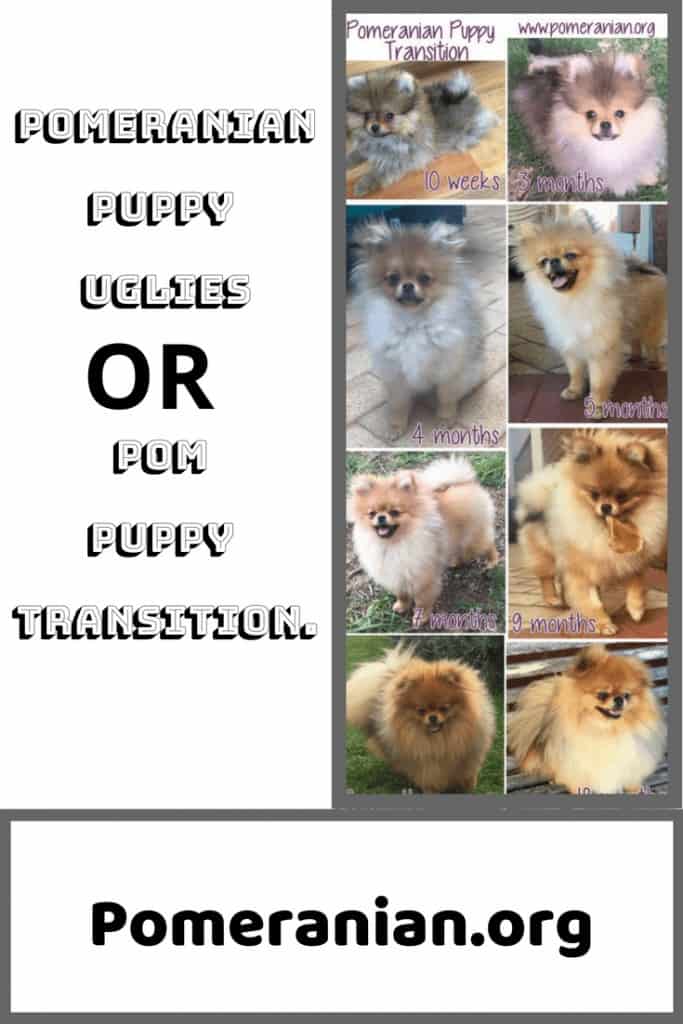

What Are Pomeranian Puppy Uglies?
The term “Pomeranian puppy uglies” describes the temporary stage between the soft puppy coat and the mature adult coat. Despite the name, there is nothing ugly or unhealthy about this normal period of development.
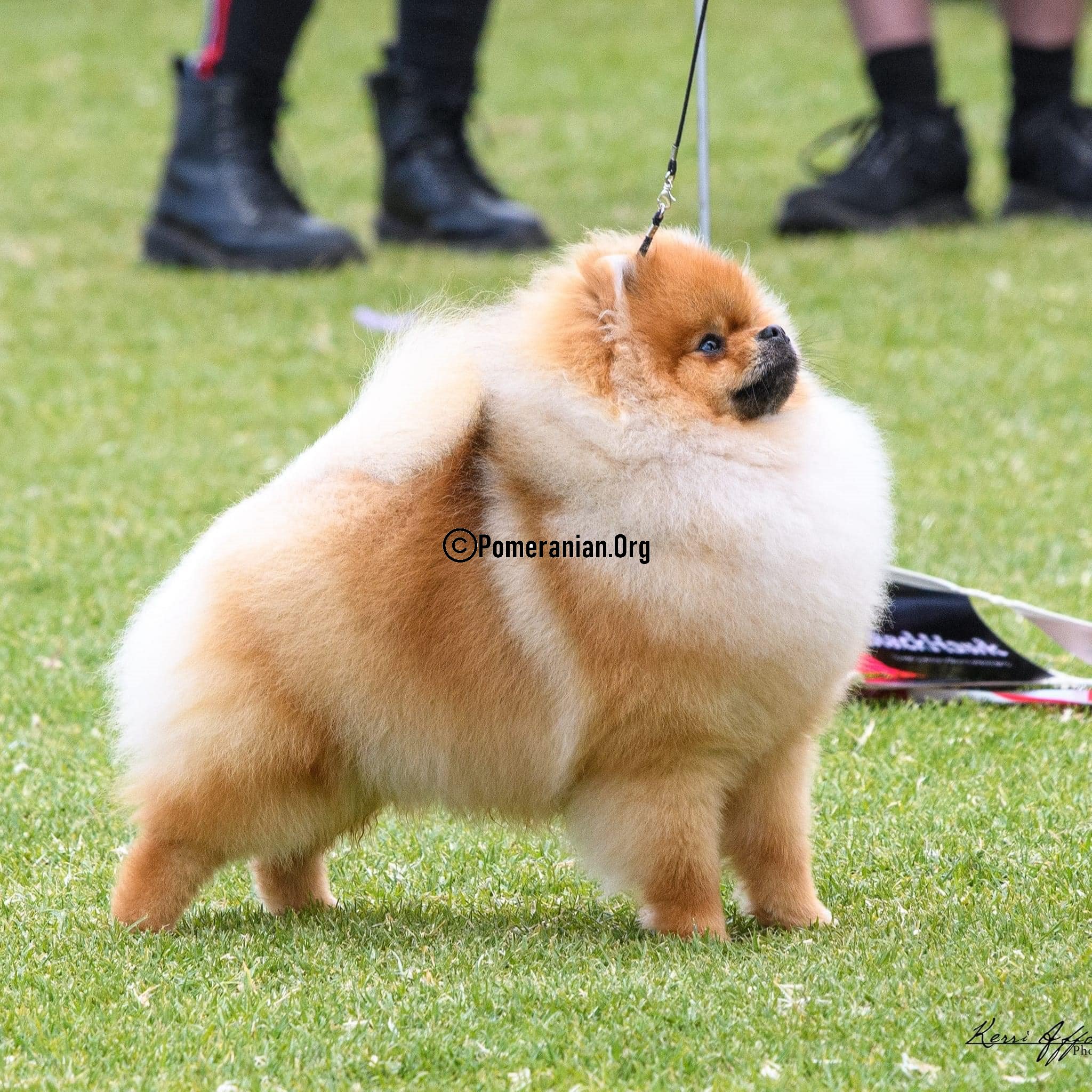
Young Pomeranian puppies begin life with a soft, fluffy coat. As they mature, this puppy hair gradually sheds to make way for the breed’s characteristic adult double coat. The new coat consists of a soft, dense undercoat protected by longer guard hairs.
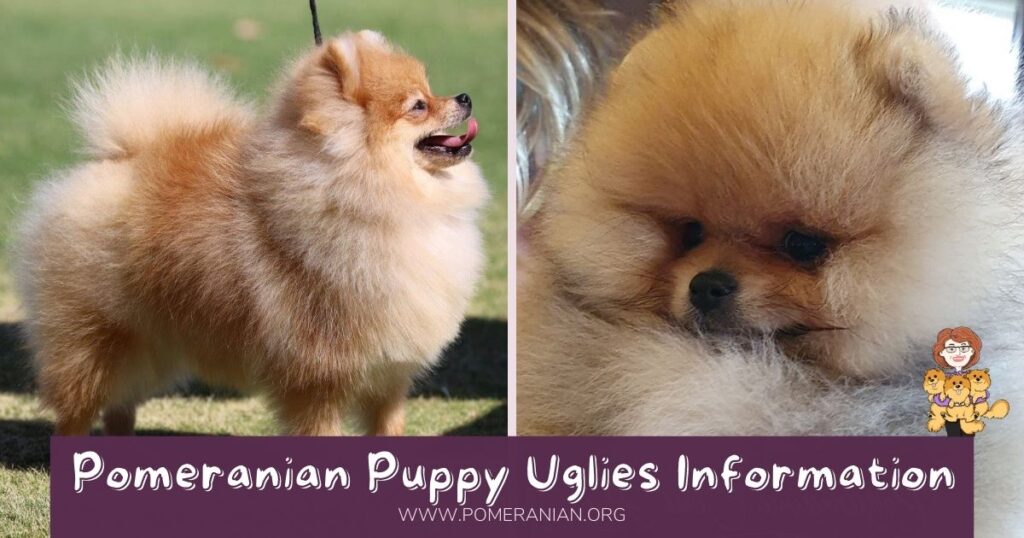
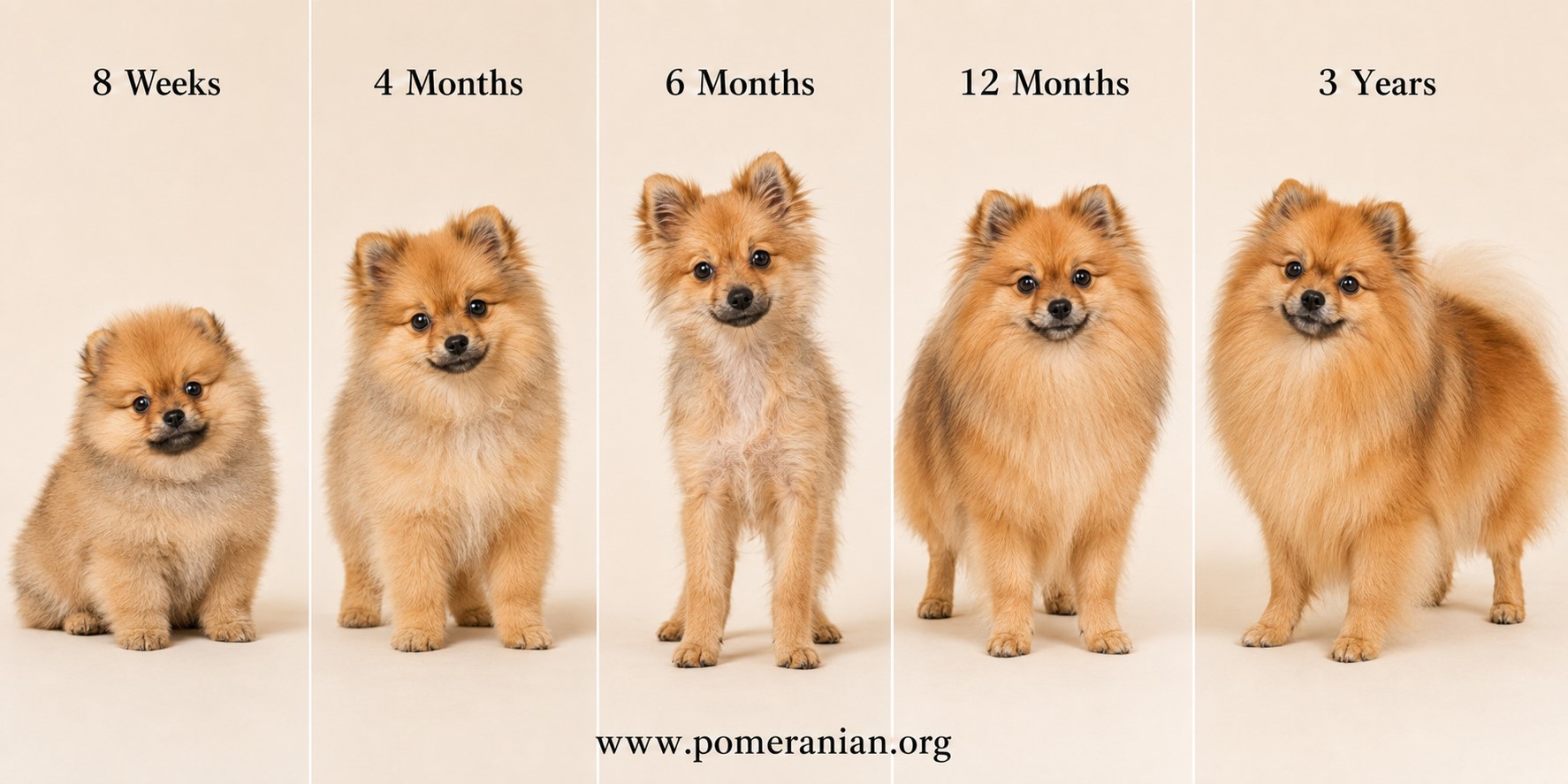
Because the puppy coat may fall out faster than the adult coat grows, a youngster can temporarily look thin-coated, patchy or uneven. The legs may appear longer, the ears more prominent and the face less rounded. Some puppies experience an obvious transformation, while the change in others is barely noticeable.
During more than 50 years of breeding and exhibiting Pomeranians, I have watched many beautiful puppies pass through a stage when their coats looked thin, uneven or completely unlike their eventual adult coats. Some youngsters change quickly, while others take considerably longer. The puppy uglies are usually a normal part of development and are not an indication of how attractive the mature Pomeranian will become.
The severity and duration of this stage vary considerably. A puppy that looks awkward at six months may eventually develop a beautiful, full adult coat. For this reason, the appearance of a Pomeranian during the puppy uglies should never be used to judge the quality of its finished adult coat.
When Do Pomeranian Puppy Uglies Start?
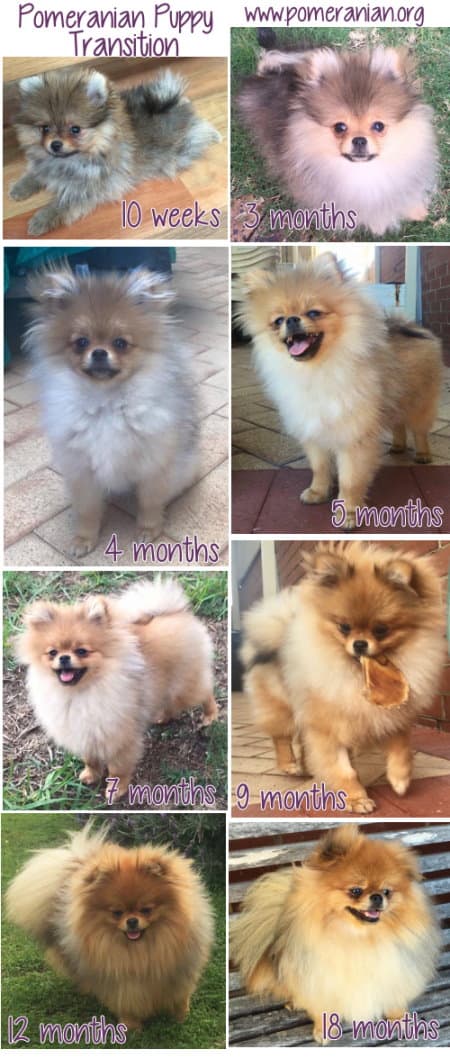
Pomeranian puppy uglies commonly become noticeable between four and six months of age. However, there is no exact starting date because every puppy develops at a different rate. Some puppies begin losing their soft puppy coat a little earlier, while others retain it for longer.
The first changes can be subtle. You may notice the coat becoming thinner around the face, chest or body. The longer puppy fluff may begin to disappear, making the ears, muzzle and legs look more prominent. Coat colour and shading can also change as the adult guard hairs start growing.
The most noticeable stage often occurs between six and ten months of age. During this period, the puppy coat may look uneven while the undercoat and longer adult guard hairs develop at different rates.
Many Pomeranians show considerable coat improvement by approximately 10 to 12 months, but this does not mean the coat has finished developing. The adult coat may continue gaining length, density and texture until the dog is 18 months to two years old.
These ages should be treated as a general guide rather than a fixed timetable. Genetics, coat type, health, nutrition and individual development can all influence when the transition begins and how long it lasts.
What Do Pomeranian Puppy Uglies Look Like?
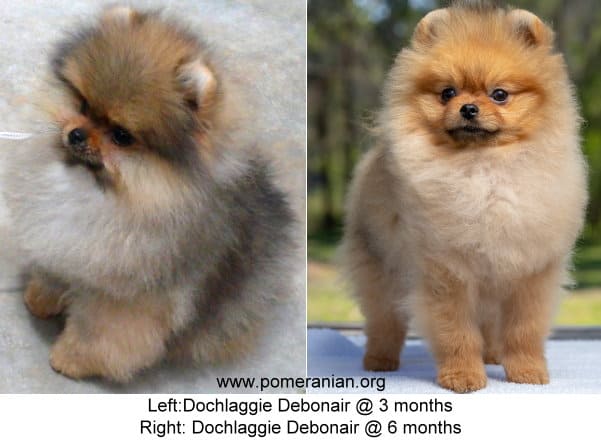
During the puppy uglies, a Pomeranian may temporarily look very different from the round, fluffy puppy you brought home. The change can sometimes seem dramatic, but an uneven coat is usually part of the normal transition to the adult double coat.
Common signs of Pomeranian puppy uglies include:
- A thinner or uneven-looking coat
- Short or sparse hair around the face and muzzle
- Longer-looking legs
- Ears that appear unusually large or prominent
- Less fluff around the neck, chest and body
- Uneven patches of puppy hair and emerging adult hair
- Changes in coat colour or shading
- Longer adult guard hairs beginning to appear
- A tail coat that looks thinner than usual
The skin beneath the changing coat should appear healthy and comfortable. Normal puppy uglies generally do not cause persistent itching, redness, sores, crusting, unpleasant odour or obvious discomfort.
Not every puppy experiences the same degree of change. Some Pomeranians lose much of their puppy fluff before the adult coat becomes noticeable. Others experience a gradual transition and never look particularly thin-coated.
The puppy’s overall health and behaviour should remain normal throughout this stage. A healthy puppy should continue eating, playing, growing and behaving as usual while the adult coat develops.
Pomeranian Puppy Uglies or Abnormal Hair Loss?
Normal puppy uglies should occur gradually as the puppy coat is replaced by the developing adult coat. Although the hair may look thin or uneven, the skin beneath it should remain healthy, and the puppy should not appear uncomfortable.
Signs generally associated with a normal coat transition include:
- Gradual thinning of the puppy coat
- Uneven areas of short and long hair
- Healthy-looking skin
- Little or no itching
- Normal energy, appetite and behavior
- New adult hairs gradually appearing
Hair loss should not automatically be attributed to puppy uglies simply because the Pomeranian is between four and ten months old. Skin infections, parasites, allergies and other health conditions can also cause coat loss in young dogs.
Consult your veterinarian if you notice:
- Sudden, severe or rapidly spreading hair loss
- Completely bald or sharply defined patches
- Persistent scratching, chewing or licking
- Red, inflamed or painful skin
- Sores, scabs, crusting or scaling
- An unpleasant skin or coat odour
- Discharge or weeping skin
- Changes in appetite, energy or general health
- No apparent coat regrowth over an extended period
A veterinarian can examine the puppy and, when necessary, perform tests to determine whether the coat change is developmental or caused by an underlying condition. Seeking advice early is especially important when hair loss is accompanied by irritation, discomfort or illness.
Does a Pomeranian’s Coat Color Change During Puppy Uglies?
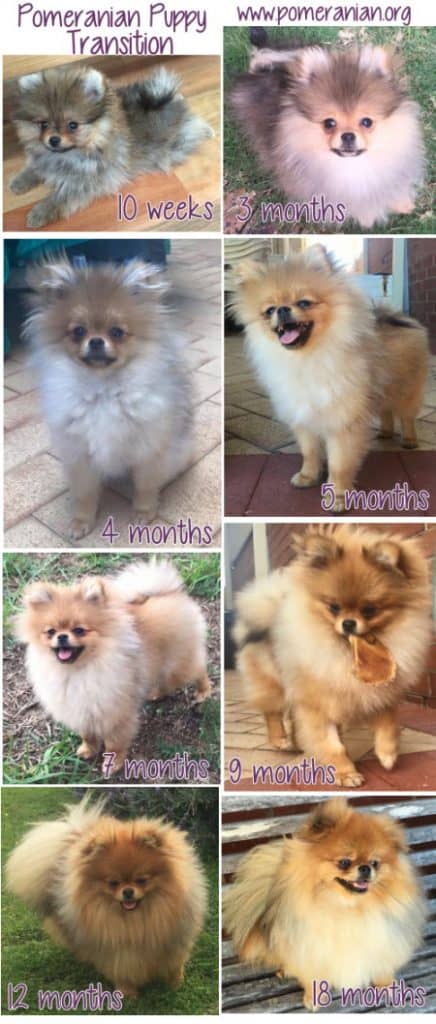
A Pomeranian’s coat color and shading can change considerably as the soft puppy coat is replaced by the adult coat. This is a normal part of development and may occur at the same time as the puppy uglies.
The adult guard hairs may be lighter, darker or differently shaded from the puppy coat. As these hairs grow, the Pomeranian’s overall color can appear to change from week to week. Some puppies also develop more visible markings, tipping or sable shading during this period.
Orange and orange sable puppies may lighten or deepen in color as they mature. Cream puppies can become paler, while sable puppies may lose some dark tipping or develop more defined shading. Other colors can also change in intensity as the adult undercoat and guard hairs develop.
A puppy’s nose, eye rims and other skin pigmentation should not be confused with coat color. These features are determined separately and should remain consistent with the Pomeranian’s genetic color.
Photographs of the puppy’s parents and older relatives may provide a general indication of how the mature coat could look. However, they cannot predict the final result with certainty. The adult color is best assessed after the coat has developed more fully, usually after the first year.
Taking photographs in similar lighting every few weeks is an excellent way to record the transformation. Changes that are difficult to notice from day to day often become obvious when earlier and later photographs are compared.
How to Care for a Pomeranian During Puppy Uglies
The puppy uglies do not require special treatment. However, gentle and consistent grooming will help keep the changing coat comfortable, clean, and free from tangles.
Brush the Coat Gently
Brush your puppy regularly using a suitable pin brush, followed by a metal comb to check for hidden knots. Work through the coat in small sections and avoid pulling roughly through tangles.
Pay particular attention to areas where knots commonly develop, including behind the ears, under the front legs, around the neck and beneath the tail.
Brushing removes loose puppy hair and helps prevent it from becoming trapped within the developing adult coat. It does not make the coat grow faster, but it helps maintain the coat while the natural transition occurs.
Bathe When Necessary
There is no bathing schedule that suits every Pomeranian. Bathe your puppy when the coat is dirty or requires freshening, using a gentle shampoo formulated for dogs.
Rinse the coat thoroughly because shampoo residue can irritate the skin. After bathing, dry the puppy completely while gently brushing the coat in sections. Never leave the dense undercoat damp.
Avoid Shaving the Coat
Do not shave a Pomeranian to make the uneven coat appear tidier. Shaving will not speed up adult coat growth and may interfere with the appearance and development of the double coat.
A light trim around the paws and hygiene areas may be performed when necessary, but extensive cutting should be avoided during this stage.
Support Healthy Development
Feed a complete, balanced diet appropriate for your puppy’s age and size. Fresh water, regular exercise, parasite prevention and routine veterinary care all contribute to healthy development.
Do not give coat supplements unless your veterinarian recommends them. Additional vitamins or minerals are not a substitute for a balanced diet, and unnecessary supplementation may be harmful.
Most importantly, be patient. The puppy uglies are temporary, and the adult coat needs time to develop naturally.
You have covered the essential information. Before the FAQ, I would add only one short section and a conclusion. Anything more may become repetitive.
Can Pomeranian Puppy Uglies Be Prevented?
Pomeranian puppy uglies cannot and should not be prevented. They are part of the natural transition from the soft puppy coat to the mature adult double coat.
Grooming, bathing and good nutrition can help maintain the coat and skin, but they cannot eliminate this developmental stage or make the adult coat appear immediately. Products claiming to prevent puppy uglies or produce rapid coat growth should be treated cautiously.
Never shave the coat or give unnecessary supplements in an attempt to speed up the process. The most helpful approach is gentle grooming, a complete and balanced diet, routine veterinary care and patience while the adult coat develops.
Conclusion
The Pomeranian puppy uglies can be surprising, particularly when a once-round and fluffy puppy suddenly looks thin-coated or uneven. In most cases, however, this is a temporary and completely normal stage of development.
Every Pomeranian changes at an individual rate. Some puppies experience a dramatic transformation, while others move into their adult coats with relatively little change. The way a puppy looks during this period does not determine how attractive or full its mature coat will become.
Maintain a gentle grooming routine, provide appropriate nutrition and monitor the condition of the puppy’s skin. If the hair loss is accompanied by itching, redness, sores, odor or changes in general health, seek veterinary advice rather than assuming it is part of the puppy uglies.
With time and patience, the uneven puppy coat will gradually give way to the beautiful adult double coat for which the Pomeranian breed is known.
Pomeranian Puppy Uglies FAQs
Answers to the most frequently asked questions about the Pomeranian puppy coat transition.
What are Pomeranian puppy uglies?
The puppy uglies are a normal stage during which a Pomeranian sheds much of its soft puppy coat while the adult double coat begins to develop. The coat may temporarily appear thin, uneven or patchy, and the puppy’s face, ears and legs may look more prominent.
When do Pomeranian puppy uglies start?
The change commonly becomes noticeable between four and six months of age, although some puppies begin earlier or later. Every Pomeranian develops at an individual rate.
How long do Pomeranian puppy uglies last?
The most noticeable stage may last for several months. Many Pomeranians show considerable coat improvement by 10 to 12 months, but the full adult coat can continue developing through 18 months and, in some dogs, up to two years.
Do all Pomeranians go through puppy uglies?
Most Pomeranians experience a puppy-to-adult coat transition, but its appearance varies considerably. One puppy may look dramatically different for several months, while another may undergo a much less noticeable change.
Will my Pomeranian become fluffy again?
Yes, in a normal coat transition the adult undercoat and longer guard hairs gradually replace the puppy coat. Coat development takes time, so the final density, length and texture should not be judged during the puppy uglies.
Can a Pomeranian change colour during puppy uglies?
Yes. A Pomeranian’s adult coat may be lighter, darker or differently shaded from its puppy coat. Orange, sable, cream and other colours can change noticeably as the adult guard hairs grow.
How should I care for the coat during this stage?
Brush gently and regularly with suitable grooming tools to remove loose hair and prevent tangles. Bathe the puppy when necessary using a gentle dog shampoo, rinse thoroughly and dry the coat completely. Avoid pulling through knots or brushing irritated skin.
Should I shave my Pomeranian during puppy uglies?
No. Shaving does not make the adult coat grow faster and may damage the appearance and normal growth of a Pomeranian’s double coat. Gentle grooming and patience are usually the best approach.
When should I ask a veterinarian about hair loss?
Seek veterinary advice if hair loss is sudden or severe, or if it occurs with persistent itching, redness, sores, crusting, scaling, unpleasant odour, discharge or changes in the puppy’s health or behaviour. These signs should not automatically be attributed to puppy uglies.
Do puppy uglies predict the quality of the adult coat?
No. A thin or awkward-looking puppy coat does not reliably predict the appearance of the mature Pomeranian. Some beautiful adults pass through a very noticeable puppy-uglies stage.
Copyright Pomeranian.Org. All Rights Reserved.
References and Further Reading:
[1] Denise Leo, “The Pomeranian Handbook”.
Pomeranian Puppy Uglies Before and After Pictures
The Pomeranian Handbook