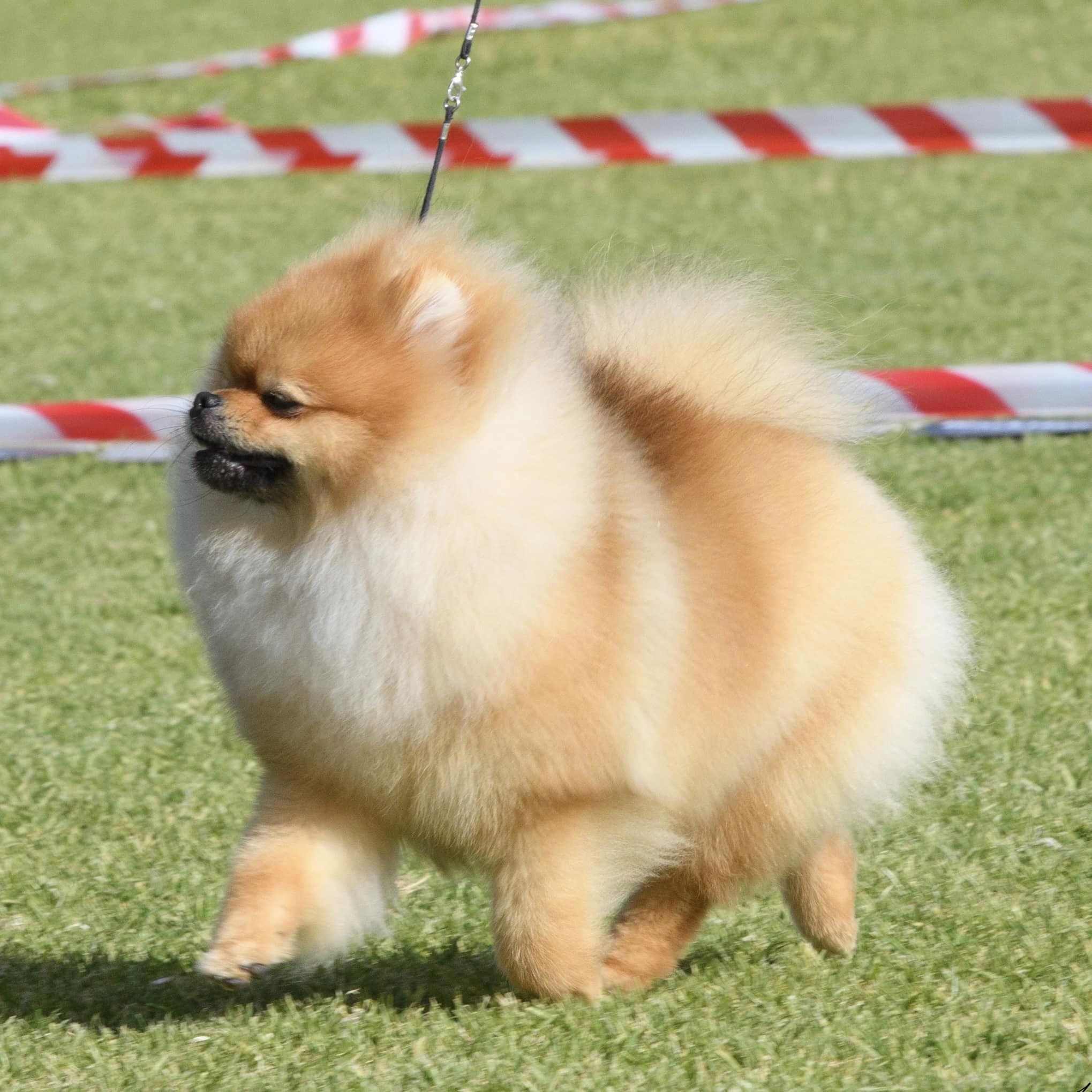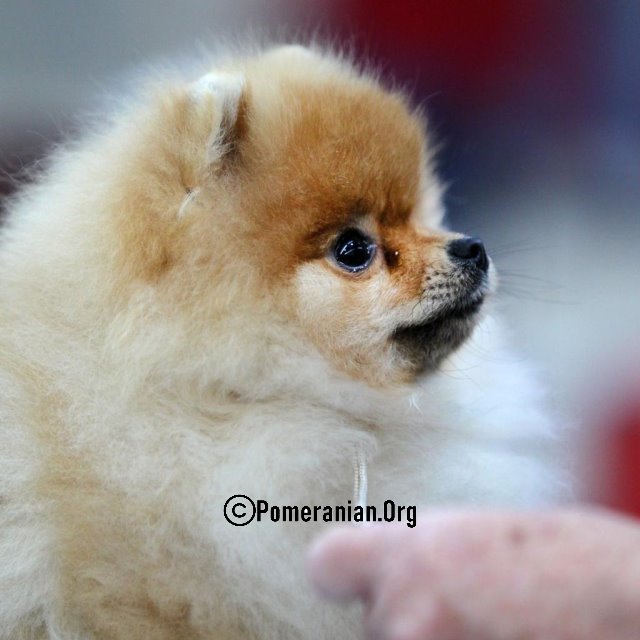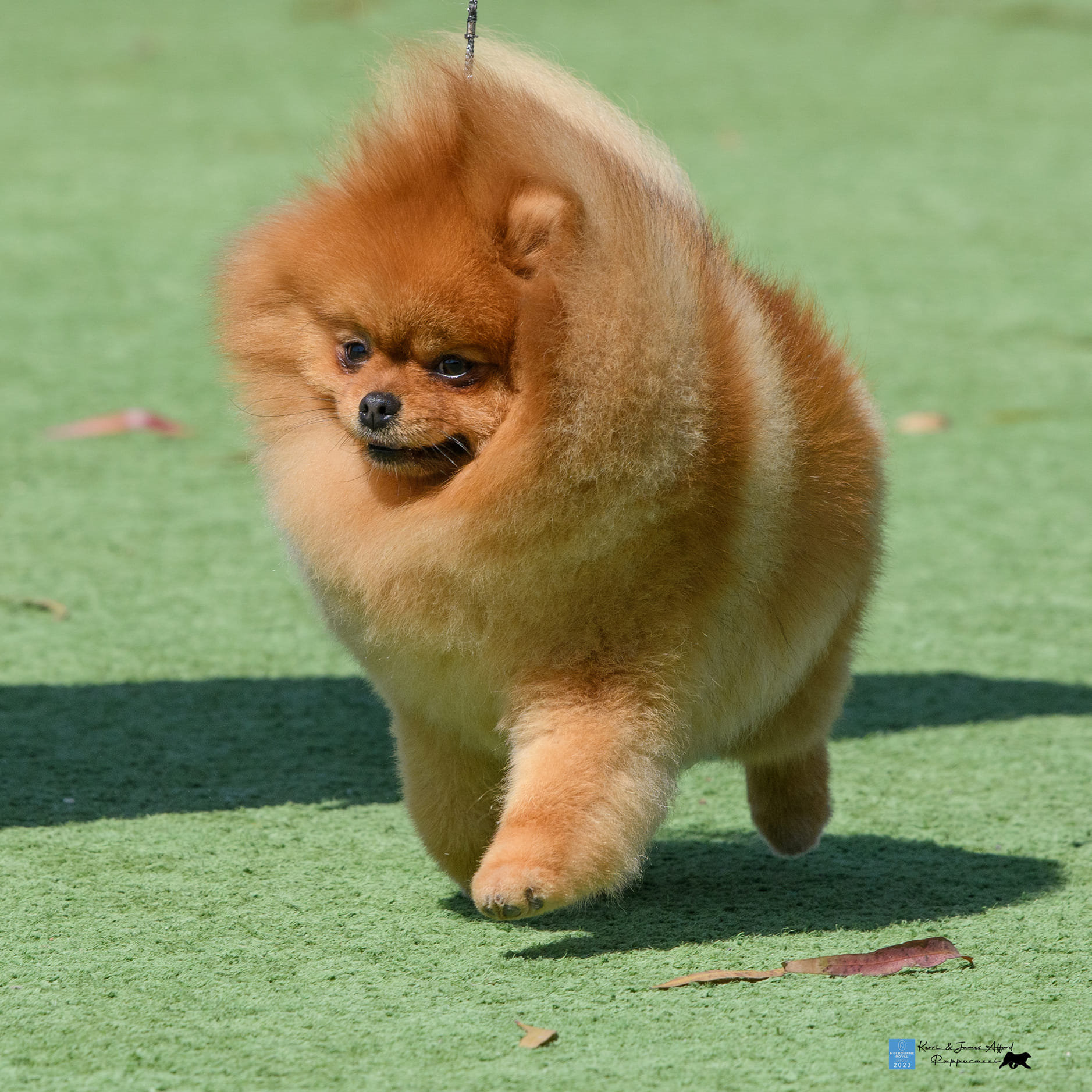

Are You Getting a Pomeranian Puppy? You and your family may be thinking about getting a new addition to the household in the form of a new Pomeranian puppy. However, it would be best to think it through before making any decisions. Your current pets (regardless of whether they’re cats, dogs, or both) won’t be happy when you first bring that puppy home.
A young Pom puppy will need lots of attention because he’s a stranger to you, your human family, and your animal family. A puppy can annoy other pets because he’ll do whatever he wants, including stealing their toys, going potty wherever he desires, and making a general nuisance of himself.
It can take six months, or even longer, in some cases, to train your puppy properly and get him used to your other pets and how the household is run.
First Night With a New Puppy Pomeranian
A pom puppy’s first night in a new home can be very unsettling for a puppy. He’ll meet other family members and your other pets and must adjust to life in a brand-new environment. He’ll have a couple of meals, so he’ll be confident that he’ll be regularly fed.
When it comes to bedtime, he’ll most likely be too excited and nervous to sleep now he’s in your home. You can make him more comfortable at the beginning of his new life with you and your family in many ways. Please set up a specific time and routine for putting him to bed from the first night.
These tips will make that task easier to manage:
- Puppy Pom should have his final meal 30 minutes before bedtime. In older dogs, this should be a snack instead of a meal.
- Ten minutes before bedtime, take him outside for a toilet break to avoid problems during the night.
- Finally, you should take him to where his bed is set up and ensure he’s comfortable and has all he needs.
- Go to bed yourself, or at least try.
- If your Pomeranian is anxious because he’s in a new home and can’t sleep, read further to learn what to do for him.
If he wakes up during the night, take him out to the bathroom again. This isn’t playtime, so don’t make it one. Otherwise, he’ll want to play every night. Set your alarm clock, so you decide when to take him to the bathroom instead of him dictating terms.
This may occur a few times a night but should eventually settle down.
Reducing Anxiety over Puppy’s First Night in New Home
You put your new Pom puppy in his crate and wish him goodnight. Then you turn off the lights. Is your new Pomeranian puppy sleeping all night without any noise? This may be the case, but it’s common for pom puppies to feel lonely and afraid.
Is Your New Pomeranian Crying At Night?
Is your Pomeranian whining at night? So he’ll do what most puppies would do, and that’s cry and scream until he gets some attention from you.
Why Do Pomeranians Cry?
He wants to be reunited with his previous family. You can’t imagine how your new pom feels, that abrupt separation from his home and family, the two factors that have kept him secure for his whole life until that point.
The Pom Breeder should separate the puppies for periods that grow longer and longer before being sent to a new home. This helps reduce your puppy’s feelings of abandonment when he’s uprooted and given to new owners, no matter how nice you are.
Pre-owned and older Pomeranians generally feel nervous when moving to a new home they don’t recognize. Put yourself in your puppy’s shoes. You’d also feel anxious and stressed if you were suddenly forced to move to a different place with new people.
How to Comfort a New Puppy Pomeranian:
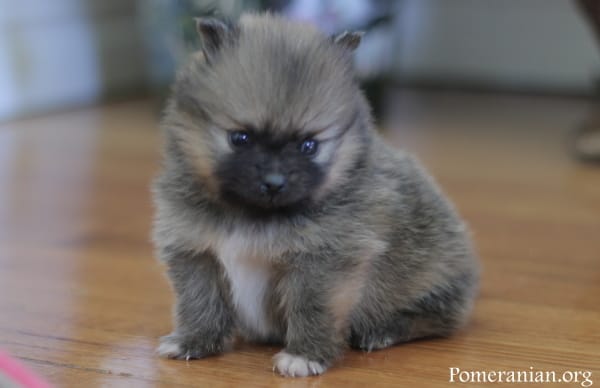
What to do when a puppy cries at night:
- Create a crate or space your new puppy can call his home. Include things he likes, such as his toys, a blanket, cushion, water, snacks, and food, so he’ll feel more comfortable.
- Don’t always come running during the night whenever your Pom puppy makes any sound. If you do, he’ll learn how to get you to come, and you’ll end up coming and going frequently.
- Don’t ignore him, either. This makes him feel more isolated and may contribute to feelings of anxiety and being separated. This certainly doesn’t mean you should come running at the slightest sound. It means you attend to his main needs, comfort him, and then place him back in his crate.
- This is similar behavior to the way you treat a new human baby. Although your puppy’s crate or space may be at the other end of your house, it’s natural that he’ll feel alone and lonely during the night while everybody is asleep.
- In the early stages of getting him used to settling into your home, you may need to set up his temporary bed in your bedroom, maybe for a few nights, until he gets comfortable and calms down at night. However, there’s no reason to allow the puppy to sleep in or on your bed. It’s unwise due to safety concerns (among other things).
Tips On Easing Tension Between Pets
It’s wise to make a confined area to keep your puppy. If it’s currently the area where you feed your pets, change the feeding area so it’s away from the puppy and is in a quiet place. This must be done a week before bringing the puppy home so your pets get used to it.
The same thing applies to caged pets and litter boxes. This planning will help eliminate potentially negative thoughts about this new family addition.
Your Pets Need to be Fussed Over More Than Normal
Make a big fuss over your current pets so they don’t feel you’re ignoring them.
Here are a few tips to help you achieve this: If you have to feed your puppy three times daily, do the same with your other pets and split their meals so they’re not getting more than usual. Feed your existing pets before your puppy.
- You should play with, give treats to, and generally respect your current animals so they don’t feel ignored by the “intruder.”
- If your pet is a dog, allow him to enter/exit rooms first.
- If your current pet comes to you while you’re attending to the puppy, turn around and give immediate attention to him, ignoring the puppy.
- Never let a puppy attempt to grab your attention if you’re busy with other pets.
How To Introduce Your New Pomeranian Puppy to Older Dogs
If you have had one or more dogs for a few years, they’ll feel territorial and won’t like sharing your home with the new Pomeranian pup or what they probably think is a little “intruder.”
At first, it’s best to have your dogs and the puppy in a neutral space outside and then introduce them slowly. It would be best if you remained calm, and your current pet needs to be the main focus of your affection.
Follow These Tips:
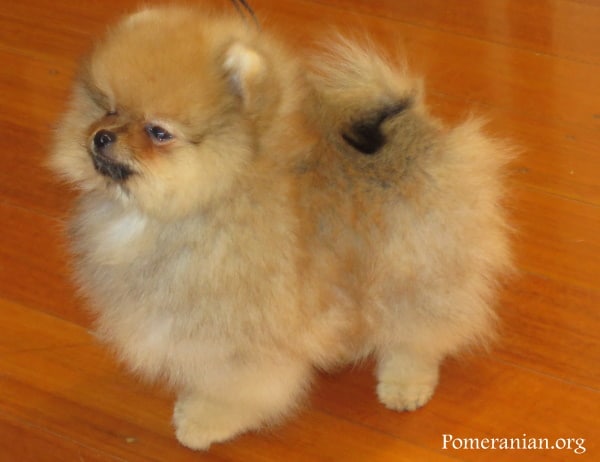
Choose the time for the introduction when your current pet is relaxed and calm. You need two people. You have your dog on a leash. Somebody else has the Pom pup on a leash. That way, you keep control of the situation.
Give your dog plenty of treats as you solely focus on him. After you feel your dog will accept this new family member, ask the other person to carry the puppy into your home.
If you’re worried about how your dog will react once he and the puppy are inside your home, put the puppy in his playpen or crate. You give your dog 100% of your attention and pretend the puppy isn’t even there. Remain calm while the dog and puppy check each other out, and you stay focused on your dog. If interactions get rough, your dog will use body language to tell the puppy who’s boss. Watch as it all happens while remaining cool and ever-vigilant.
Another way of doing it is to start outside again and allow the dog and the puppy to “say hello.” Then, indicate to your dog that he can lead the puppy into your home. If you’re seriously worried that your dog may cause harm to the puppy, you can muzzle him or grip his leash tightly so you can pull him back if necessary.
Introducing Cat to Puppy Pomeranian
Cats need to be introduced, too. The majority of cats prefer not to have puppies in the same house. If your cat has a lot of confidence, he’ll most likely wait patiently until the puppy gets near enough so he can give the puppy a good slap across the snout. Don’t overreact.
Stay relaxed, or you can make your pets feel stressed. Put the puppy in his crate (and have a toy or two) for him to play with. Let your cat do what he wants (as most do). Never force a cat and puppy to be friends. Eventually, they’ll become great friends, or the cat will stay out of reach.
Before you bring your Pomeranian pup home, there are supplies to buy, and your house needs to be Pomeranian-proofed. If your Pomeranian is spending time in the backyard, you will need to ensure the yard is secure and that there is no area where the puppy can slip through the fence. Make sure no other animals that could harm your Pomeranian can get in.
Pomeranians are only small dogs and should live in the house with their families. They enjoy companionship and can get lonely. A lonely Pomeranian can be a destructive Pomeranian.
Pomeranian Puppy Supplies
You will need to provide a place for your Pomeranian to sleep. Buy a small dog bed of unchewable hard plastic that is just big enough for your dog. A zippered bed cover will allow you to remove and wash it when needed. Place the bed next to your bed or where you want it to sleep.
If you prefer to have your Pomeranian sleep in another room, start him out sleeping there. Don’t let him sleep in your room for a couple of weeks, and then try to switch him. This will only lead to frustration for you and your dog.
You will want to buy a collar and a leash so that you and your Pomeranian can go on walks. I prefer the use of a harness and a leash for a Pomeranian. This will also ensure he is safe when you visit the veterinarian.
Feeding dishes is important. You will want one for food and one for water. Avoid plastic dishes. Choose a small size suitable for your Pomeranian. Ensure they stay clean between feedings and the water is always fresh and available.

- Full Dinner Set – Set of 2 Dog Bowls (S:6.9 OZ for each bowl,designed for 【PUPPY VERY SMALL DOGS and CAT (TINY PET) 】★★;M:13.9 OZ for each bowl,designed for small medium dogs and cats;L:29.8 OZ for each bowl, designed for medium dogs, cats and other pets;XL:50.8 OZ for each bowl, designed for large dogs,cats and other pets). Works as a full dinner set with food and water for one. Double bowls also allow you to feed two pets at same time.
- Safe Food Grade Material – Our dog bowls are made of food grade stainless steel and BPA Free silicone mat, This is a fantastic dog cat puppy food and water dish to prevent messy eating and drinking! Handy all in one feeder for messy pups, new puppy or Small Medium Large dogs.
- Double Dog & Cat Bowls – Set of 2 Stainless Steel Dog & Cat Bowls for messy eaters, one for water and another for food. The bowls is made of high quality food grade stainless steel which makes it rust resistant and anti-corrosion. The non slip stainless steel pet bowl is durable for long-term use and healthy for your beloved pets especially for holding hot food, and easy to clean, easy to detachable from silicon mat and dishwasher safe.
- No-Spill Silicone Mat – The raised silicone mat edge can catch most spills and splashes and keep your floor clean, Keep Bowls staying in the same place when your boy or girl dog is eating.The flexible silicone mat is foldable for travel and storage.
- 【Package】:Include a pet food scoop.

- PERFECT SIZE DOG DISHES FOR SMALL DOGS – At 5.5″ round x 2″ tall, this small dog bowl set of 2 are the perfect food and water bowls for dogs up to 20lbs. With a capacity of up to 2 cups per bowl, this is the ideal pet food bowl for for your Dachshund, Yorkie, Shih Tzu, Pomeranian or Chihuahua.
- ANTI-SLIP BASE – No more sliding, slipping or scratching! These non skid dog bowls have waterproof and non-removable rubber rings on the base. This set of 2 matching non slip food bowls is practical yet stylish.
- CUTE & DECORATIVE – With cute allover paw imprints, these off-white ceramic bowls for dogs serve as a decoration. Perfect for your kitchen, office, pet station or anywhere you feed your pet, these aesthetic dog bowls will elevate your home décor.
- EASY TO CLEAN CERAMIC – This easy clean dog bowl set is dishwasher safe, as well as easy to handwash and wipe down. With thick walls, these ceramic bowls for pets are sturdy, leak-free and weighty yet not too heavy.
- COMPLETE THE SET – We even have a matching treat jar available for purchase to complete the set! These cute dog bowls match perfectly with the HB Design Co. Dog Treat Container. Feed and treat your dog in style!

- Perfectly Petite for Delicate Eaters: 14″x8″ non-slip silicone dog bowl mat with dual 5-oz stainless puppy bowls for small dogs, designed for kittens, teacup puppies, and pets under 8 lbs. Low-profile edges encourage natural eating positions for guinea pigs, senior cats, or tiny breeds.
- Lock-in-Place: Detachable stainless steel bowls resist rust and stay securely locked into the silicone mat’s grooves for slip-free meals. Made with food-grade materials, the grippy mat stays grounded on floor. Lightweight yet rock-solid stable — perfect for calm pets tired of wobbling plastic bowls!
- Mess Control for Busy Pet Parents: Shallow metal dog bowls reduce spilled kibble, while the rubber cat food and water bowl set catches crumbs. Wipe clean in seconds or place bowls on the top dishwasher rack for swift cleaning — ideal for juggling pet care between work calls.
- Compact & Travel-Ready: The foldable silicone travel dog bowls mat set creates a space-saving feeding zone wherever needed. Effortlessly store it vertically in narrow cabinets, slide under sofas, or pack flat in luggage — perfect for tiny homes, weekend RV adventures, or as a grab-and-go feeding solution for busy days out.
- Thoughtful Notes: Designed for gentle eaters on flat surfaces. Not intended for chewers, aggressive diggers, or pets over 8 lbs.
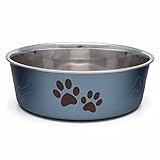
- STAINLESS STEEL & DURABLE – This Bella Bowl (27 oz, 6.75″ x 2″) features a stainless steel design with a poly-resin exterior great for dog food mat, which makes them dish washer safe and easy to keep clean and hygienic. Perfect cat food bowl or dog water bowl for home & travel.
- REMOVEABLE RUBBER BASE – This feature prevents and ensures no spill water bowl for dogs. It’s perfect for puppy food and makes an excellent addition to your dog feeding station. Watch the bowl stand steady on your pet food mat, making it a great complement to your dog mat and other dog stuff.
- PATENTED AWARD-WINNING DESIGN – Bella Bowls are renowned for being the bestselling bowls in the pet industry. The Bella Bowl Stainless Steel Bowls come in a variety of sizes, making this versatile dog food bowl perfect for all pets—from puppy bowls and small bowls to dog bowls large breed and everything in between! These bowls are also ideal for use as a cat water bowl, with smaller sizes being highly recommended for cat bowls for indoor cats.
- REAL STEEL STYLISH & COLORFUL DOG FEEDER – Available in a wide range of vibrant colors, this dog bowl seamlessly complements any pet supplies collection or dog accessories and makes a fantastic addition to your home’s décor. The Bella Bowls come in beautiful hues like blueberry and artichoke, making them a perfect fit for your dog bowl mat or cat food mat.
- VETERINARIAN RECOMMENDED – This stainless steel dog bowl and stainless steel cat bowls have all the benefits of stainless steel making them hygienic and clean. Bella bowls are truly a must-have for any cat feeding station and essential addition to your dog supplies.


- 【Neck Protection Design 】Featuring an elevated structure, our dog bowl encourages an upright eating posture to reduce pressure on the neck, spine and joints. It effectively cuts down post-meal regurgitation for small dogs under 25 lb, puppies and cats, while supporting healthy digestion and mealtime comfort.
- 【Food-Grade Safe Material】The pet bowl set comes with 2 premium food-grade stainless steel bowls for food and water separately. This sleek minimalist design fits seamlessly with any home decor style. Both bowls are dishwasher safe and easily removable, making daily cleanup quick and convenient for cat owners.
- 【Stable and Non-Slip Design】Equipped with a reinforced non-slip rubber base, the raised bowl stand stays firmly in place during active mealtimes. It prevents sliding, tipping and clattering, eliminating scattered food and spilled water, and delivers a quiet, mess-free feeding experience for small breed pets.
- 【Leak-Proof & Absorbent】The included feeding mat features a waterproof backing that stops liquid from seeping through, fully protecting wood, tile and carpet floors from stains and wetness. It quickly absorbs spilled water, food crumbs and saliva, keeping the feeding area neat with minimal daily maintenance.
- 【Perfect Practical Gift for Dog Lovers】This compact elevated feeding station is a practical daily essential for owners of small dogs, cats and puppies. With reliable quality and a neat appearance, it makes a warm gift for pet birthdays, adoption days, holidays and all pet-loving occasions.
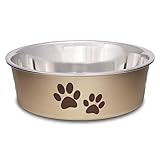
- STAINLESS STEEL & DURABLE – This Bella Bowl (15 oz, 5.5″ x 1.75″) features a stainless steel design with a poly-resin exterior great for dog food mat, which makes them dish washer safe and easy to keep clean and hygienic. Perfect cat food bowl or dog water bowl for home & travel.
- REMOVEABLE RUBBER BASE – This feature prevents and ensures no spill water bowl for dogs. It’s perfect for puppy food and makes an excellent addition to your dog feeding station. Watch the bowl stand steady on your pet food mat, making it a great complement to your dog mat and other dog stuff.
- PATENTED AWARD-WINNING DESIGN – Bella Bowls are renowned for being the bestselling bowls in the pet industry. The Bella Bowl Stainless Steel Bowls come in a variety of sizes, making this versatile dog food bowl perfect for all pets—from puppy bowls and small bowls to dog bowls large breed and everything in between! These bowls are also ideal for use as a cat water bowl, with smaller sizes being highly recommended for cat bowls for indoor cats.
- REAL STEEL STYLISH & COLORFUL DOG FEEDER – Available in a wide range of vibrant colors, this dog bowl seamlessly complements any pet supplies collection or dog accessories and makes a fantastic addition to your home’s décor. The Bella Bowls come in beautiful hues like blueberry and artichoke, making them a perfect fit for your dog bowl mat or cat food mat.
- VETERINARIAN RECOMMENDED – This stainless steel dog bowl and stainless steel cat bowls have all the benefits of stainless steel making them hygienic and clean. Bella bowls are truly a must-have for any cat feeding station and essential addition to your dog supplies.

- Material Matters: A bowl is just a bowl, right? Sadly, that’s not the case. Most pet food bowls are made from stainless steel, plastic, ceramic. Plastic is the worst option which contain chemicals that could disrupt an animals hormonal balance. Apart from that, plastic accumulates deep scratches that harbor insanitary things and can be hard to clean. Ceramic is heavier and far less durable. One drop or bang can chip, crack, or shatter your ceramic bowl, making it no longer safe for use
- Rust Resistant & Rubber Bottom: Made from genuine stainless steel. If properly cared for, your stainless steel dog bowl will last for years. Regular metal bowls that try to pass themselves off as stainless steel when they are actually regular steel (carbon steel) will rust in no time. The added slip resistant rubber rim on the bottom prevent the bowl from sliding around and reduce noises while your dog eats
- Easy to Clean & Dishwasher Safe: Dog bowls made out of stainless steel can easily be cleaned with mild dish soap and warm water. In addition, they are also dishwasher safe, making for easy cleanup. Besides, the rubber ring can be removed to wash these bowls thoroughly in the dishwasher
- Stackable Design for Easy Storage or Travel: With a considerate and convenient design, these bowls stack easily inside one another for easy storage or travel. Durable for long time use and healthy for your beloved four-paw companions
- Dimensions & Capacity: Extral Small Size: Holds ¾ Cup/7 fl.oz for each bowl(6″ Dia x 1.5″ H); Small Size: Holds 1.5 Cup/12 fl.oz for each bowl(7″ Dia x 1.8″ H); Medium Size: Holds 2¼ Cup/18 fl.oz for each bowl(8.7″ Dia x 2.1″ H); Large Size: Holds 3¾ Cup/30 fl.oz for each bowl(10.2″ Dia x 2.3″ H). Capacity is calculated by total volume. When using container, choose a capacity greater than what you need to prevent overfilling and spills

- Adorable Dog Supplies: each package comes with 2 pieces ceramic dog bowls in pink and gray colors, can store dry and wet food, snacks or water to meet your dogs’ use and eat demands; And this dog water bowl comes in beautiful colors, cute designs and styles, which make them more aesthetically pleasing, and can match with your home decorations and easily get your pets’ attentions
- Safe and Non Toxic: our ceramic small dog bowls are non toxic and odorless, serviceable and reusable, washable and can be heated in a microwave oven, non porous and safer and cleaner, smooth with adorable patterns, and are typically heavier than plastic or metal bowls, making them harder for your dog to tip over, suitable for holding food and feeding your pets, giving them a pleasant eating time
- Portable Size: the dog bowls ceramic set about 5 inches/ 12.2 cm in outer diameter and 4.37 inches/ 11.1 cm in inner diameter, 1.38 inches/ 3.5 cm in depth, has a capacity of 10 ounces, can store enough food at the same time that saves your more effort to fill with frequently, and also appropriate for small pets, such as dogs, puppies, cats and more; And at one meal, a dog bowl can only hold a certain amount of food, preventing dogs from overeating
- Practical and Convenient: this ceramic dog water bowl can be washed by washing machines, without the worry of scratching or damaging them, can not only give you more convenience, but offer you more personal time to play with your dogs; And these bowls are portable and easy to carry during travel, which makes feeding your dog convenient wherever you go
- Thoughtful Presents: our puppy ceramic bowl is novelty and useful, can be sent to your mates, family members, colleagues, neighbors and other people who have pets or pet lovers, can show your kindness and also surprise them; And the bowls with touching sayings can also make the pet owner more pleasant

- RENEWABLE & SUSTAINABLE – Dolce Bamboo dogs and cat bowls were crafted using renewable and sustainable resources making them perfect for your pet supplies. This dog dish & bowl set is the perfect choice for conscious pet owners that are looking for both stylish and environmentally responsible puppy essentials and dog accessories.
- DISHWASHER SAFE- Our pet food bowls are designed with your convenience in mind, this bamboo dog bowl is dishwasher safe, making cleanup a breeze! Dog supplies should not be complicated, whether you are using the bowl for dog water bowl or cat food bowl simply place bowls in top rack dish washer. Mealtimes can get sloppy, make clean up easy! Add this eco-responsible bowl to your girl dog accessories, dog travel accessories or dog accessories boy today!
- PREVENTS SPILLS & NOISE – The Dishes skid-free rubber base ensures stability on dog food mat or cat food mat. Prevent spills and reduce mess on your dog mat for food and water or cat feeding station. Expect a dog water bowl no spill, even during your dog’s enthusiastic mealtime, ensuring a clean and mess-free feeding experience. The thoughtful pet feeder design also helps keep your dog’s nose safe from unnecessary friction. Perfect for kitten and puppy essentials!
- AVAILABLE IN THREE SIZES – Small, Medium, and Large—perfectly designed to suit dogs of all breeds and sizes. From small bowls to large dog bowl, these bowls hold from 18 to 76 ounces (2.25 to 9.5 cups) of dog food or water. Whether you need a small dog food bowl for your puppy or a large dog food and water bowl set for your grown dog, we’ve got you covered. These bamboo bowls are ideal for both dog food bowls and cat food bowls. With a versatile design, they are great for puppy bowls, small dog bowls, dog bowls large breed and even a cat water bowl! Elevate your pet’s mealtime with our high-quality dog stuff, dog essentials and puppy supplies!
- AVAILABLE IN THREE COLORS – Dolce Bamboo cat bowl and dog bowls come in three decorative colors to complement any indoor or outside home decor, water mat and dog feeding station, dog water mat : Oat, Slate, and Coffee. Whether you prefer a neutral, modern look or a warmer tone, these bowls seamlessly fit into your space and dog feeding mat. The timeless colors are not only aesthetically pleasing and look great on any cat mat, pet food mat or silicone mat. Choose the color that best matches your style and enhance your mat for dog food and water bowls with a functional yet stylish bowl!

- STAINLESS STEEL & DURABLE – This Bella Bowl (27 oz, 6.75″ x 2″) features a stainless steel design with a poly-resin exterior great for dog food mat, which makes them dish washer safe and easy to keep clean and hygienic. Perfect cat food bowl or dog water bowl for home & travel.
- REMOVEABLE RUBBER BASE – This feature prevents and ensures no spill water bowl for dogs. It’s perfect for puppy food and makes an excellent addition to your dog feeding station. Watch the bowl stand steady on your pet food mat, making it a great complement to your dog mat and other dog stuff.
- PATENTED AWARD-WINNING DESIGN – Bella Bowls are renowned for being the bestselling bowls in the pet industry. The Bella Bowl Stainless Steel Bowls come in a variety of sizes, making this versatile dog food bowl perfect for all pets—from puppy bowls and small bowls to dog bowls large breed and everything in between! These bowls are also ideal for use as a cat water bowl, with smaller sizes being highly recommended for cat bowls for indoor cats.
- REAL STEEL STYLISH & COLORFUL DOG FEEDER – Available in a wide range of vibrant colors, this dog bowl seamlessly complements any pet supplies collection or dog accessories and makes a fantastic addition to your home’s décor. The Bella Bowls come in beautiful hues like blueberry and artichoke, making them a perfect fit for your dog bowl mat or cat food mat.
- VETERINARIAN RECOMMENDED – This stainless steel dog bowl and stainless steel cat bowls have all the benefits of stainless steel making them hygienic and clean. Bella bowls are truly a must-have for any cat feeding station and essential addition to your dog supplies.
Pomeranians love to play, so don’t forget to buy a special toy for him. Make sure it is suitable for a small dog and not easy to tear into millions of pieces he could choke on. Check for pieces that could be ripped off and swallowed.
A small pet carrier is a necessity for car travel. Use puppy pads, newspapers, or a puppy potty.

- LEAK-PROOF & WATERPROOF: Dog Playpen Bottom Pad Fits for 36 Inch 4 Panels Exercise Pet Playpen. This features a durable 3-layer construction: 600D Oxford fabric with PVC coating, padded PP cotton, and a non-slip bottom. This Dog Playpen Bottom Mat effectively contain urine, preventing any leaks or odors. They keep both puppies and the floor clean and dry.
- NON-SLIP BOTTOM: This dog crate pad is equipped with hook-and-loop fasteners for easy attachment to the playpen. The bottom layer features anti-slip material, ensuring it stays in place even during active play.
- FUNCTIONAL: These pet pads offer versatile uses beyond potty training. Their durable design makes them suitable for both indoor and outdoor use, serving as pee pads for dogs, puppy pads, reusable dog training pads, and dog playpen mats.
- WASHABLE & REUSABLE: Washable pee pads for dogs are highly durable and long-lasting, capable of being washed multiple times. They are reusable and eco-friendly.
- QUALITY ASSURANCE: You can purchase our dog whelping pads with confidence, trusting in their quality. If any issues arise, please don’t hesitate to contact us—we will promptly replace the product.

- LEAK-PROOF & WATERPROOF: Dog Playpen Bottom Pad Fits for 36 Inch 4 Panels Exercise Pet Playpen. This features a durable 3-layer construction: 600D Oxford fabric with PVC coating, padded PP cotton, and a non-slip bottom. This Dog Playpen Bottom Mat effectively contain urine, preventing any leaks or odors. They keep both puppies and the floor clean and dry. (Note: Playpen Not Included).
- NON-SLIP BOTTOM: This dog crate pad is equipped with hook-and-loop fasteners for easy attachment to the playpen. The bottom layer features anti-slip material, ensuring it stays in place even during active play.
- FUNCTIONAL: These pet pads offer versatile uses beyond potty training. Their durable design makes them suitable for both indoor and outdoor use, serving as pee pads for dogs, puppy pads, reusable dog training pads, and dog playpen mats.
- WASHABLE & REUSABLE: Washable pee pads for dogs are highly durable and long-lasting, capable of being washed multiple times. They are reusable and eco-friendly.
- QUALITY ASSURANCE: You can purchase our dog whelping pads with confidence, trusting in their quality. If any issues arise, please don’t hesitate to contact us—we will promptly replace the product.

- SUPER ABSORBENT & LEAKPROOF – The dog pee pads uses thick absorbent material that locks in liquids upon contact and prevents leaks and mess. The design allows for approximately 20 uses and overnight use while still keeping your dog comfortable
- WASHABLE & REUSABLE – The pee pads can be reused infinitely. Machine wash and tumble dry. The pads will stay like-new without wear, tears, or loss of softness. package includes 2 pads for easy replacement after cleaning
- BEAUTIFUL PATTERNS & MULTIPLE SIZES – Our puppy training pads come in different sizes, colors, and patterns for various pets. They are eco-friendly and cost-effective compared to disposable pee pads
- ANTI-SLIP DESIGN – The dog pad has a non-slip silicone base, shaped like a dog paw, to keep it in place on floors or carpets. It ensures pet safety and protects your floors and furniture from scratches and dirt, keeping your home clean
- MULTI USE – These pads are perfect for potty training puppies or helping incontinent senior dogs. They can be used as liners under enclosures, crates, and dog beds, providing great protection for beds, sofas, furniture, wood floors, rugs, and car seats

- LEAK-PROOF & WATERPROOF: Dog Playpen Bottom Pad Fits for 36 Inch 4 Panels Exercise Pet Playpen. This features a durable 3-layer construction: 600D Oxford fabric with PVC coating, padded PP cotton, and a non-slip bottom. This Dog Playpen Bottom Mat effectively contain urine, preventing any leaks or odors. They keep both puppies and the floor clean and dry.
- NON-SLIP BOTTOM: This dog crate pad is equipped with hook-and-loop fasteners for easy attachment to the playpen. The bottom layer features anti-slip material, ensuring it stays in place even during active play.
- FUNCTIONAL: These pet pads offer versatile uses beyond potty training. Their durable design makes them suitable for both indoor and outdoor use, serving as pee pads for dogs, puppy pads, reusable dog training pads, and dog playpen mats.
- WASHABLE & REUSABLE: Washable pee pads for dogs are highly durable and long-lasting, capable of being washed multiple times. They are reusable and eco-friendly.
- QUALITY ASSURANCE: You can purchase our dog whelping pads with confidence, trusting in their quality. If any issues arise, please don’t hesitate to contact us—we will promptly replace the product.

- High-Quality Materials: Made from 600D waterproof Oxford cloth with a PVC coating, this dog playpen mat is durable, waterproof, and stain-resistant. It protects your floors while providing a clean and fresh environment for your pet, making it perfect for indoor and outdoor use.
- Exquisite Printing: The dog pet fence bottom pad features stylish and visually appealing prints, enhancing your pet’s sense of fashion. The high-quality printing ensures long-lasting beauty without fading.
- Easy to Install and Clean: Made from leak-proof Oxford fabric with a smooth waterproof coating, this product is easy to clean—just rinse with water if your puppy urinates on it. The bottom cover lies flat, and with 4 stretch hooks on each side, the pet enclosure hangs effortlessly indoors or outdoors, providing a cozy play area for your pet.
- Quality Assurance: Purchase our dog playpen bottom pad with confidence, assured of its high quality. If any issues arise, please contact us, and we will promptly replace the product.

- Product Size: The pet playpen top cover accessory fits 24″ 8-panel octagon playpens (playpen not included). It’s perfect for puppy playpens and can also be used for dog crates, outdoor pet tents, escape-proof dog playpens, and other pet activity areas.
- High-Quality Materials: Made from 600D water-resistant Oxford cloth with a PVC coating, this dog playpen mat is durable, water-resistant, and stain-resistant. It protects your floors while providing a clean and fresh environment for your pet, making it perfect for indoor and outdoor use.
- Exquisite Printing: The dog pet fence bottom pad features stylish and visually appealing prints, enhancing your pet’s sense of fashion. The high-quality printing ensures long-lasting beauty without fading.
- Easy to Install and Clean: Made from leak-proof Oxford fabric with a smooth water-resistant coating, this product is easy to clean—just rinse with water if your puppy urinates on it. The bottom cover lies flat, and with 3 stretch hooks on each side, the pet enclosure hangs effortlessly indoors or outdoors, providing a cozy play area for your pet.
- Quality Assurance: Purchase our dog playpen bottom pad with confidence, assured of its high quality. If any issues arise, please contact us, and we will promptly replace the product.

- 【Super Absorbent & Leakproof】With High-density Material: 100% polyester knitting surface for ultimate comfortable; Superior absorbent cotton middle layer keeps surfaces dry and clean; Breathable waterproof PUL inner layer protects against urine leakage.
- 【Anti-Slip Bottom Design】The Anti-slip silicone design of the dog mat bottom layer allows the waterproof dog mat to stay on the floor or carpet, keeping your pet safe. Ideal for puppies, older dogs, and those with incontinence issues or who are being trained to use pee pads.
- 【Reusable & Washable Pee Pads】Dog mats can be reusabled to many times! Dog training pads can be cleaned quickly and effectively by Machine wash and easy to clean, drying them in the dryer on low heat, or hanging them dry. Please don’t use fabric softener, bleach, or dry clean these puppy pads.
- 【Cute Dog Pee Pads】Come with 4 Packs. 18″x24″ small size with cute pattern are available to accommodate all dog breeds.Washable dog pee pads with our stylish design can be a puppy training pad, dog pen mat, dog playpen mat, dog carpet waterproof, crate pad, waterproof floor mat, pet piddle pad, dog kennel pad.
- 【Multi Scene Use & Cost-saving】These reusable washable pee pads are ideal for protecting carpets, wood floors, sofas, furniture, car seats, and car trunks during travel. A great alternative to disposable puppy pads, they help save money and reduce waste. For best results, replace the pee pad daily or when heavily wet to help keep your pet’s area clean, dry, and comfortable while maintaining optimal absorbency.

- Fast Absorption & Leakproof: Our washable dog pee pad can quickly absorb surface urine stains so that puddles will not remain on the mat. Effective to prevent the urine through to the floor, keep puppies and floor clean and dry
- Anti-Slip Bottom & Soft Surface: The puppy pad always lays flat, having a non-slip bottom to prevent them from moving out of place. They have a nice grippy texture on the underside as well for slick floors.Fleece surface is more like a blanket texture which is soft and comfortable, also provides cushion for dog to rest, sleep and play on
- Reusable: Compared to disposable pet pads, It’s an excellent choice to save money.The reusable dog pee pad supports machine wash and reusable. TPU waterproof coating keeping dog pads stand up to repeated cleaning or urine soaking, Multiple washes always keep same good leak-proof effect
- Two Packs: Big floor coverage and less worries of floors.They are easy to place and big enough to tuck edges under so the puppy doesn’t pull it. The two pack pee pad can be cleaned and replaced in turn, which is more convenient and sanitary
- Multi-Use: Our pee pads are used for dogs playpen, crate, dog litter box, and ultimate protection for floor, carpet, sofa, car seat.The fabric is great for tiny puppy paws to get a grip for nursing, and easy for them to crawl around on

- Stylish Checkered Design – Featuring a modern checkered pattern in 5 color options (Black, Khaki, Green, Pink, Blue), ralxion pee pads blend seamlessly with your home decor while providing reliable protection for your floors and furniture.
- Superior Absorbency & Leak-Proof Protection – Thick multi-layer construction with heavy absorbency quickly locks in moisture and prevents leakage. Waterproof backing ensures your floors stay completely dry, even with large dogs or extended use.
- Non-Slip Backing for Safety – Anti-slip bottom layer keeps the pad securely in place during active play or training sessions, preventing bunching and sliding that can lead to accidents or injuries.
- Reusable & Machine Washable – Eco-friendly and cost-effective alternative to disposable pads. Simply toss in the washing machine for easy cleaning and reuse hundreds of times without losing absorbency or quality.
- Multiple Size Options for Every Need – Available in 3 convenient sizes: 18″×24″ (45.7×61 cm), 24″×36″ (61×91.4 cm), and 24″×48″ (61×121.9 cm). Perfect for puppy training, crate liners, playpen floors, whelping boxes, or senior dog care.

- High-quality materials: Our reusable dog pee pads are made from high-quality, durable materials that can withstand heavy use and multiple washes. They are designed to last longer than disposable pads, which saves you money in the long run.
- Superior Absorption and Leak-Proof: Made with high-quality absorbent fibers, these puppy pads can quickly soak up liquids without leaking, keeping your floors and furniture clean and dry.
- Non-slip bottom: The non-slip bottom on our pee pads prevents them from sliding around on smooth surfaces. This feature is especially important for dogs who have mobility issues, making it safer for them to use the pad.
- Multipurpose, Suitable for Various Occasions: These puppy pads are not just for training puppies, but also ideal for senior dogs, cats, and other pets as a bed or crate liner. They are highly versatile and practical.
- Easy to clean: Our pee pads are easy to clean – simply toss them in the washing machine and you’re done. This saves you time and hassle compared to disposable pads, which need to be thrown away and replaced frequently.
Puppy shampoo, Pomeranian Brush, Pomeranian Comb and Slicker Brush
Grooming supplies for your Pomeranian are a necessity. Daily brushing keeps your Pomeranian coat clean and beautiful. It’s also a great way for you and your dog to spend time together and can be very stress-relieving.

- DOG PIN BRUSH – meet the brush that started it all. Chris Christensen Original Series Pin Brushes offer quality and durability, all in an affordable, universal premium pin brush. Rounded pins glide through the coat easily and comfortably. Available in a variety of shapes and pin lengths, there is a Chris Christensen Original Pin Brush that is a perfect match for your dog’s coat.
- DURABLE OVAL BODY – the Original Oval Pin Brush is 8.5” in length, comfortable to hold, and made from a lightweight, durable Beechwood. The oval shaped head is effective at covering large areas of the body, making daily brushing a breeze. The firm, flexible cushion provides movement through the coat, even those with a dense or mixed coat type. This brush is suitable for all breeds and mixes that require regular brushing.
- ROUNDED POLISHED PINS – each pin in an Original Series brush is round ground and polished. The pins will not scratch or irritate skin, and they will not pull and tug at the coat making it the ideal brush for every dog, but especially for dogs with sensitivity issues or who hate being brushed. Choose the pin length based on your dog’s coat. For hair 1.5” or shorter, select 20mm pins; for hair 2” – 5” in length, select the 27mm; and for coats with longer hair, select the 35mm pins.
- LITTLE WONDER SIZE – for ringside touch-ups or face and feet, select the mini version of the Original Series Oval Pin Brush. Its smaller size – 5.75” in length with 20mm pins – has the exact features of the regular sized brush – round polished pins and a Beechwood body and handle. Ideal for travelling, on-the-go, and use at shows. Fits inside pockets and purses.
- HANDMADE IN GERMANY – Chris Christensen Original Series Brushes are handmade in Germany with unsurpassed quality and workmanship. Each brush is meticulously inspected from the stainless-steel pins to the ergonomic Beechwood handle. Each pin brush includes one air vent hole in the cushion for flexibility. It will withstand years of use, even with daily brushing, and is backed with a 6-month warranty against manufacturer defects.

- CHRIS CHRISTENSEN SLICKER BRUSH – meet the Mark Series Slicker Brushes, featuring shorter pins, for shorter hair, and ergonomically designed to cut your grooming time in half. Made of lightweight natural Beechwood, the contoured handle allows for brushing in any direction. High-grade steel 12mm pins are fixed in an ultra-soft, highly flexible pad, cushioned with a 1/4″ foam base for a soft feel when grooming. Available in a variety of shapes, there is a Chris Christensen Mark Slicker Brush that is a perfect size for your dog or cat’s short-haired coat.
- MARK I SLICKER – the Mark I Slicker has a 6.5” body and an extra-small 2.75” head. It’s perfect for cats and kittens, even those who cannot tolerate brushing. Cats love the gentle brushing movement as it removes shedding fur and detangles small mats. Great for grooming toy dogs too, and use on larger breeds for behind the ears, on the muzzle, armpits, and paws.
- ALL COAT TYPES – for double coats, use pre-trim and, on the legs, head, and detail work. For scissored breeds, use it to detangle and smooth those cottony curly coats, leaving them soft and fluffy. For drop coats, use on the undercarriage, legs, feet, under the beard, and sanitary areas. For Setters and Spaniels, use it on the hocks and feet. For wire coats, use while stripping the jacket and separating hair when doing leg work. On smooth coats, it acts like a carding brush, removing shedding hair, and setting the chalk foundation and chalk between the hairs for show dogs.
- HANDMADE IN GERMANY – Chris Christensen Mark Series Brushes are handmade in Germany with unsurpassed quality and workmanship. Each brush is meticulously inspected from the stainless-steel pins to the ergonomic Beechwood handle. It will withstand years of use, even with daily brushing, and is backed with a 6-month warranty against manufacturer defects. The Mark I Slicker Brush is item # A5I in the Chris Christensen catalog.
- BEST IN SHOW RESULTS – steeped in dog show tradition, Chris Christensen has been crafting excellence and cultivating winners since 1996. Regarded highly in and out of the show ring, Chris Christensen dog grooming products have a reputation for performance and perfection. Groom like a professional and get best in show results.

- THE’ DOG BRUSH – you’ve found it! It’s THAT dog brush for shedding breeds. It’s THAT dog brush for detangling. It’s THAT brush groomers love and recommend. Chris Christensen Big G Slicker Brush is the original doodle brush for deshedding, detangling, and creating a finished look. Fluff, detangle, and style with one professional tool. Available in a coral color and three sizes to fit the requirements of a professional groomer and show exhibitor.
- DESHEDDING BRUSH – removes trapped undercoat with less strokes. The extra-long angled pins effectively reach down into the coat removing dead and loose undercoat. The hair remains trapped inside the brush until removed. Perfect for double-coated breeds, especially during the shedding season. Get maximum results, with less work when using the Big G Slicker. It is your workhorse.
- DETANGLING BRUSH – this slicker brush is ideal for removing fine knots from long-coated breeds and the tiny mats hidden in tight curly-coated breeds. With 30% more pins than other slickers, the Big G slicker works 30% harder for you. Brushing with this slicker brush is easier, faster and will make your job grooming painless.
- POODLE BRUSH – the long, dense pins are perfect for fluffing curly, cottony coats and fluffing and shaping heads, toplines, and legs. Ideal for Poodles, Bichons, Labradoodles, Goldendoodles, and other Doodle breeds.
- THOUGHT-OUT DESIGN – every pin is angled for gentle brushing and sits within a flexible cushioned pad allowing the pins to flex softly and glide through the coat. The unique handle design with a non-slip grip reduces hand and arm fatigue and the extreme curved back allows additional control, movement, and direction when brushing. Brushing multiple dogs has never been easier.

- SLICKER BRUSH FOR DOGS – Chris Christensen Big K Slicker Brush is for hard-to-manage, dense double coats and is ideal for managing heavy, wavy, or curly doodle coats. It desheds and demats in half the time while maintaining the integrity of the coat. It also lifts and adds volume. Professionals, the Big K is your workhouse, achieve maximum results with far less effort. Pet parents enjoy a hair-free home and reduced grooming costs. Available in 3 sizes including ‘Baby’ for small dogs and hard-to-reach areas.
- DESHEDDING BRUSH – removes trapped undercoat with fewer strokes. The extra-long angled pins reach down to the bottom of the coat, and grab the dead hair, without damaging or cutting the coat, and with minimal effort or discomfort. The pins are sparsely spaced to help get through dense coats and sit within a flexible cushioned pad allowing the pins to flex softly. Brushing with the Big K is less work – get twice the hair out, with half the effort.
- DETANGLING BRUSH – the Big K has immense pulling power, guiding as you brush. Rely on its strength to remove mats, snarls, knots, and burrs without tugging at the coat or causing pain and discomfort to the dog. The coat will lay smoothly, preventing future matting. Detangling the coat is less stressful, and grooming is much shorter. Use between groomer visits to avoid short trims, shave downs, and extra dematting charges.
- EASY TO HOLD – coated with a rubber non-slip grip, the handle prevents slipping during bathing and grooming. The unique ergonomic shape of the handle reduces hand, wrist, and arm fatigue. The extreme curved back allows additional control, movement, and direction when brushing. Brushing multiple dogs has never been easier.
- HANDMADE IN GERMANY – Chris Christensen Big K Slicker Brush is handmade in Germany with unsurpassed quality and workmanship. Each brush is meticulously inspected from the pins to the handle. It will withstand years of use, even with daily grooming, and is backed with a 6-month warranty against manufacturer’s defects.
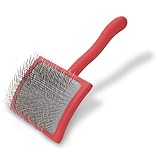
- ‘THE’ DOG BRUSH – you’ve found it! It’s THAT dog brush for shedding breeds. It’s THAT dog brush for detangling. It’s THAT brush groomers love and recommend. Chris Christensen Big G Slicker Brush is the original doodle brush for deshedding, detangling, and creating a finished look. Fluff, detangle, and style with one professional tool. Available in a coral color and three sizes to fit the requirements of a professional groomer and show exhibitor.
- DESHEDDING BRUSH – removes trapped undercoat with less strokes. The extra-long angled pins effectively reach down into the coat removing dead and loose undercoat. The hair remains trapped inside the brush until removed. Perfect for double-coated breeds, especially during the shedding season. Get maximum results, with less work when using the Big G Slicker. It is your workhorse.
- DETANGLING BRUSH – this slicker brush is ideal for removing fine knots from long-coated breeds and the tiny mats hidden in tight curly-coated breeds. With 30% more pins than other slickers, the Big G slicker works 30% harder for you. Brushing with this slicker brush is easier, faster and will make your job grooming painless.
- POODLE BRUSH – the long, dense pins are perfect for fluffing curly, cottony coats and fluffing and shaping heads, toplines, and legs. Ideal for Poodles, Bichons, Labradoodles, Goldendoodles, and other Doodle breeds.
- THOUGHT-OUT DESIGN – every pin is angled for gentle brushing and sits within a flexible cushioned pad allowing the pins to flex softly and glide through the coat. The unique handle design with a non-slip grip reduces hand and arm fatigue and the extreme curved back allows additional control, movement, and direction when brushing. Brushing multiple dogs has never been easier.

- ‘THE’ DOG BRUSH – based on the Original Big G Slicker Brush used by professional groomers. Pet owners can benefit from the Chris Christensen difference without the professional price tag. Use the Chris Home Care Big G for deshedding, detangling, finishing, and fluffing your dog between groomer visits. Available in a limited-edition teal color and two sizes to fit your breed and size of dog. For at-home use.
- DESHEDDING BRUSH – removes trapped undercoat with less strokes. The extra-long angled pins effectively reach down into the coat removing dead and loose undercoat. The hair remains trapped inside the brush until removed. Perfect for double-coated breeds, especially during the shedding season. Frequent brushing with the Big G keeps shedding hair around the home at a minimum. Spend less time cleaning and more time bonding with your pet.
- DETANGLING BRUSH – this slicker brush is ideal for removing fine knots from long-coated breeds and the tiny mats hidden in tight curly-coated breeds. With 30% more pins than other slickers, the Big G slicker works 30% harder for you. Brushing with this slicker brush is easier, faster and will make your trip to the groomers painless.
- DOODLE BRUSH – the long, dense pins are perfect for fluffing curly, cottony coats and fluffing and shaping heads, toplines, and legs. Ideal for Poodles, Bichons, Labradoodles, Goldendoodles, and other Doodle breeds.
- TRUSTED DESIGN – with the innovative design of the Original Big G, the teal version also has the unique ergonomic handle design but without the non-slip grip that professional groomers need. Every pin is angled for gentle brushing and sits within a flexible cushioned pad allowing the pins to flex softly and glide through the coat. The extra curved back allows additional control, movement, and direction when brushing. Brushing with the Big G is easy on the dog and you.

- DOG DETANGLER BRUSH – Chris Christensen Ice Slip Pin Brush was created to glide through all coat textures with ease and is the perfect accompaniment to Chris Christensen’s Ice on Ice detangling products, to gently and effectively eliminate tangles and mats. For show dogs specifically, it will allow you to demat the coat while preserving as much coat as possible. It is also an excellent preventative and maintenance brush for daily use.
- PET APPROVED – our Ice Slip Dematting Brush is a great all-round brush, especially for dogs with sensitivities or who hate being brushed. The pins are rounded for comfort on your pets’ skin and coat making it gentle enough for everyday use. The pins will not scratch or irritate skin, and they will not pull and tug at the coat. For new pet parents, owners of younger, senior, rescue, or difficult dogs, this brush is for you.
- DESIGNED FOR EASE – the perfect shape of the brush lets you groom hard-to-reach or sensitive places. Easily remove mats from beneath armpits, behind the ears, furnishings, paws and more. It’s perfect for areas that mat frequently including bushy tails and long lush ears. The 20mm pin length, clever spacing and sturdy hold within a firm base, allows the brush to glide through these areas minimizing damage.
- HANDMADE IN GERMANY – Chris Christensen Ice Slip Pin Brush is handmade in Germany with unsurpassed quality and workmanship. Each brush is meticulously inspected from the stainless-steel pins to the ergonomic Beechwood handle. It will withstand years of use, even with daily grooming, and is backed with a 6-month warranty against manufacturer defects.
- BEST IN SHOW RESULTS – steeped in dog show tradition, Chris Christensen has been crafting excellence and cultivating winners since 1996. Regarded highly in and out of the show ring, Chris Christensen dog grooming products have a reputation for performance and perfection. Groom like a professional and get best in show results.

- GROOM LIKE A PROFESSIONAL – Dog boar brush distributes natural oils back into coat and stimulates skin follicles for a healthy coat.
- QUALITY MATERIALS – Made of durable, lightweight Beech wood, 100% natural boar hair bristles.
- BRISTLES – 8 rows of natural boar bristles redistribute natural oils making for a healthier, shinier coat.
- SIZE – 8.75 inches, body length
- WHY CHRIS CHRISTENSEN – It all started in 1996 when Chris Christensen developed the first true color correcting shampoo for canines and felines. White on White was a catalyst in the evolution of canine coat care. The momentum that followed has allowed Chris Christensen Systems to bring you the finest grooming products ever available in the dog show and pet care worlds.

- GROOM LIKE A PROFESSIONAL – A high quality brush for those who demand quality and perfection
- QUALITY MATERIALS – Made of lightweight, durable thermo-treated Ash wood body, Made in Germany
- PINS – Real wood pins delicately separate the tangle from the rest of the hair, Reduces painful pulling, Perfect for wet coat and style drying, Pins won’t get hot, 100% static-free
- DOGS & CATS – Perfect for both dogs and cats who don’t like brushing, Wood pins make brushing feel more like a massage
- WHY CHRIS CHRISTENSEN – It all started in 1996 when Chris Christensen developed the first true color correcting shampoo for canines and felines. White on White was a catalyst in the evolution of canine coat care. The momentum that followed has allowed Chris Christensen Systems to bring you the finest grooming products ever available in the dog show and pet care worlds

- SAVE MONEY: Reduce expensive trips to the groomer. Our dog shedding brush works great as a dog brush for short haired dogs & dog brush for long haired dogs. It is an absolute essential for pet supplies, dog supplies, and a dog grooming kit.
- ALL HAIR & FUR TYPES: Our dog brushes for grooming safely removes loose hair without irritation. SleekEZ dog hair brush works great as a pet hair remover / dog hair remover for pets of all fur types and hair lengths.
- EASY AND FAST CLEANUP: SleekEZ also works great as a carpet rake, pet hair rake, & dog fur remover tool. It removes hair & fur from couches, cars, blankets, beds & more! Its innovative design ensures that hair is easily gathered and removed.
- PAINLESS AND ENJOYABLE: SleekEZ’s patented design helps grab at the tips of the hair to extract from the skin without painful tugging. It is the perfect undercoat brush for dogs and deshedding dog brush. Works on all coat types and animal breeds!
- GREAT GIFT: A must have metal dog comb for any pet grooming kit. The perfect pet grooming metal comb for dogs & dog deshedding brush. Worlds best grooming brushes / dog grooming brush. Voted #1 dog brushes for shedding & deshedder brush for dogs.
Make an Appointment to Have a New Pomeranian Puppy Vet Checked
High-Quality Puppy food

- TOY BREED PUPPY FOOD: Royal Canin X-Small Breed Dry Puppy Food for puppies 2 to 10 months with an expected adult weight of no more than 8 lbs
- CRUNCHY KIBBLE: Crunchy kibble texture is simple to serve and pairs well with Royal Canin X-Small Puppy Thin Slices in Gravy wet food cans
- GROWTH AND DEVELOPMENT: Extra small breed dog food for puppies supports brain development and energy needs during growth and development
- IMMUNE SUPPORT AND DIGESTIVE HEALTH: Antioxidants support the immune system, while prebiotics and proteins promote gut health
- MIXED FEEDING: Give your dog a savory textured meal by mixing in Royal Canin Wet Dog Food for puppies

- FORMULATED FOR PUREBRED POODLES: Royal Canin Poodle Puppy Dry Dog Food is designed to meet the nutritional needs of purebred Poodles 8 weeks to 10 months old
- SPECIALIZED KIBBLE: Unique kibble design helps Poodles easily pick up and chew their food
- HEALTHY DEVELOPMENT: An exclusive complex of antioxidants, including vitamin E, helps support puppy development of the immune system
- SKIN AND COAT: EPA and DHA from fish oil promote healthy skin and coat to help nourish puppy’s developing curly coat
- OPTIMAL STOOL: Supports healthy digestion in puppies and promotes optimal stool quality with high-quality proteins and prebiotics
- TOY BREED PUPPY FOOD: Royal Canin X-Small Breed Dry Puppy Food for puppies 2 to 10 months with an expected adult weight of no more than 8 lbs
- CRUNCHY KIBBLE: Crunchy kibble texture is simple to serve and pairs well with Royal Canin X-Small Puppy Thin Slices in Gravy wet food cans
- GROWTH AND DEVELOPMENT: Extra small breed dog food for puppies supports brain development and energy needs during growth and development
- IMMUNE SUPPORT AND DIGESTIVE HEALTH: Antioxidants support the immune system, while prebiotics and proteins promote gut health
- MIXED FEEDING: Give your dog a savory textured meal by mixing in Royal Canin Wet Dog Food for puppies

- EXTRA SOOTHING TEETHING RELIEF – Soak and chill this freezable teething toy to soothe sore gums
- TEACHES HEALTHY CHEWING HABITS – Chew toy for puppies is thoughtfully designed to encourage positive behavior that’ll last a lifetime
- SUPPORTS DOG DENTAL HEALTH – Massaging bristles help clean teeth
- TRUSTED CHEW TOYS WITH HEART & PURPOSE – Every chew toy’s unique shape, individual texture, and gotta-have-it flavor is created with purpose and love to give your dog what they need, when they need it!
- ALLERGEN-FREE PEANUT BUTTER FLAVOR – Made with enticing flavor infused throughout
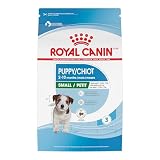
- SMALL BREED PUPPY FOOD: Royal Canin Small Breed Dry Puppy Food for puppies 2 to 10 months with an expected adult weight of 9 to 22 lbs
- CRUNCHY KIBBLE: Crunchy kibble texture is simple to serve and pairs perfectly with Royal Canin Small Puppy Thin Slices in Gravy canned puppy food
- GROWTH AND DEVELOPMENT: Small breed dog food for puppies supports brain development and energy needs during growth
- IMMUNE SUPPORT AND DIGESTIVE HEALTH: Antioxidants support the immune system, while prebiotics and proteins promote gut health
- MIXED FEEDING: Give your dog a savory textured meal by mixing in Royal Canin Small Puppy Thin Slices in Gravy canned puppy food

- INDOOR SMALL BREED PUPPY FOOD: Royal Canin Small Indoor Puppy Dry Dog Food is tailor-made for puppies from 2 to 10 months old with an expected adult weight of 9-22 lb
- IMMUNE SUPPORT: Clinically proven antioxidants, including vitamins E and C, help support the healthy development of your puppy’s immune system
- PROMOTES OPTIMAL STOOL QUALITY: Helps reduce stool odor and volume with a combination of prebiotics, highly digestible proteins, and a specific fiber blend
- BRAIN DEVELOPMENT: Promotes healthy skin and a healthy dog coat, formulated with DHA, an omega-3 fatty acid that is scientifically proven to help support a puppy’s brain development
- SPECIALIZED KIBBLE: Exclusive kibble for puppies designed for miniature jaws and picky appetites

- BREED HEALTH PUPPY FOOD: Royal Canin Breed Health Nutrition Yorkshire Terrier Puppy Dog Food Dry Formula for purebred Yorkshire Terriers 8 weeks to 10 months old
- CRUNCHY KIBBLE: Specialized dog kibble shape and texture designed for a Yorkshire Terrier puppy’s short muzzle and bite
- GROWTH SUPPORT: This Royal Canin dog food formula contains antioxidants and vitamin E to help support their developing immune system and keep their body growing strong
- SKIN AND COAT: Healthy dog food with omega-3, omega-6 and biotin to help maintain healthy skin and coat
- DIGESTIVE HEALTH: High-quality proteins and prebiotics support healthy digestion and promote optimal stool quality

- MEDIUM BREED PUPPY FOOD: Royal Canin Medium Breed Dry Puppy Food for puppies 2 months to 1 year with an expected adult weight of 23 to 55 lbs
- CRUNCHY KIBBLE: Crunchy kibble texture is simple to serve and pairs perfectly with Royal Canin Medium Puppy Thin Slices in Gravy wet dog food
- GROWTH AND DEVELOPMENT: Medium breed Royal Canin dog food for puppies supports brain development and energy needs during growth and development
- IMMUNE SUPPORT AND DIGESTIVE HEALTH: Antioxidants support the immune system, while prebiotics and proteins promote gut health
- MIXED FEEDING: Give your dog a savory textured meal by mixing in Royal Canin Wet Dog Food for puppies

- FORMULATED FOR PUREBRED CHIHUAHUAS: Royal Canin Chihuahua Puppy Dry Dog Food is designed to meet the nutritional needs of growing purebred Chihuahuas 8 weeks to 8 months old
- SPECIALIZED KIBBLE: Unique kibble shape helps Chihuahua puppies easily pick up and chew their food
- HEALTHY DEVELOPMENT: An exclusive complex of antioxidants including vitamin E supports puppy development of the immune system
- OPTIMAL STOOL: Small breed dog food reduces stool odor with highly digestible proteins and precise fiber content
- HIGHLY PALATABLE: Exceptional aromas and flavors to satisfy picky eaters

- PROMOTES DIGESTIVE HEALTH: Prebiotic fibers (FOS and MOS) feed the good bacteria in the gut to support a balanced gut microbiome in puppies over 6 months old
- SUPPORTS STOOL QUALITY: Beta-glucan postbiotics promote healthy digestion and support good stool quality
- SUPPORTS IMMUNE SYSTEM: Vitamins E and C support cellular health and your puppy’s developing immune system
- THE PERFECT COMPLEMENT: Designed to complement any Royal Canin diet formulated for healthy puppies
- DEVELOPED BY VETERINARIANS: Royal Canin Soft Chew Supplements are developed by veterinarians to help support your pet’s health from the inside out

- 🐶【Value Pack of Puppy Toys】This premium 8-piece toy set is specially designed for teething puppies and includes everything your furry friend needs for fun and relief: 3 squeaky plush toys, 2 durable rope toys, 2 soft rubber chew toys, and a bonus roll of poop bags. Made with high-quality, puppy-safe materials, each toy is perfectly sized for small puppies. Get more variety and value than other sets—keeping your pup entertained, comforted, and active!
- 🐶【Professionally Designed for Puppies】Our adorable frog plush toy is crafted with a built-in squeaker in the head and crinkly paper in the tentacles—ideal for instantly grabbing your puppy’s attention while satisfying their natural chewing instincts. Paired with our interactive treat ball, this set doubles as a mental enrichment tool, encouraging your puppy to think, roll, and retrieve treats that fall out as they play. These thoughtfully designed toys offer both fun and cognitive stimulation, delivering hours of engaging entertainment for your furry friend.
- 🐶【Superior Quality & Safe Materials】Our small dog toys are made from high-quality PP cotton and ultra-soft plush, ensuring they’re completely safe for your precious pup. Each toy features reinforced double-stitched seams and a durable inner lining to withstand rough play, reducing the risk of tearing and mess. The included rope toys are built for long-lasting fun—perfect for tugging, chewing, and keeping your furry friend entertained for hours on end.
- 🐶【Toys That Support Healthy Puppy Development】This puppy chew toy set is thoughtfully designed to encourage active play and exercise, helping to reduce anxiety and prevent destructive behaviors—like chewing on furniture. Ideal for teething pups, these toys also promote better dental health by soothing sore gums and supporting cleaner teeth. A fun and effective way to nurture your puppy’s physical and emotional well-being!
- 🐶【Friendly Reminder】The perfect toy gift for dogs to release energy! Please remember to supervise your pup during playtime, especially if they are strong or aggressive chewers. If you have any questions or concerns about the product, don’t hesitate to contact us—we’re always here to help and will do our best to resolve any issues promptly.

- 🐶【8 SET DOG SQUEAKY TOYS】Our plush dog toy 8-pack features a delightful assortment of 8 squeaky plush puppy toys. Each toy is thoughtfully designed with adorable shape characters that will capture the attention and fascination of your small dogs.
- 🐶【INTERACTIVE SQUEAKY FUN TOYS】 Each toy in the set is equipped with a built-in squeaker, providing an interactive element that dogs love. The squeaky sound engages their natural instincts and adds excitement to playtime, making it even more enjoyable for your canine companion.
- 🐶【Durable and Entertaining DURABLE AND ENTERTAINING】These plush dog chew toys are made to withstand enthusiastic play and chewing. They are constructed with durable materials and reinforced stitching, ensuring long-lasting fun for your furry pal. The squeaky feature adds an extra layer of entertainment that keeps dogs engaged.
- 🐶【SAFE AND PET-FRIENDLY】Our puppy teething toys are crafted with pet safety in mind. They are made from non-toxic materials and filled with premium cotton, free of any harmful substances, and designed to be safe for dogs to chew and play with. You can have peace of mind knowing that your pup is enjoying a safe and enjoyable playtime experience.
- 🐶【VERSATILE PLAY OPTIONS】This 8-pack of plush puppy chew toys offers a variety of play options. Whether your dog prefers fetching, chewing, or simply cuddling, these toys cater to different play styles. The engaging squeaker sound encourages active play and provides mental stimulation for your furry companion.

- Breakfast-Themed Fun:Cute breakfast-inspired designs bring a fresh and engaging look to your dog’s daily play, helping attract attention while adding variety and visual appeal to everyday toys
- Squeaky & Engaging:Built-in squeaker produces sound when squeezed or bitten, helping stimulate your dog’s natural play instincts, release energy, and reduce boredom or destructive behavior
- Soft for Small Dogs:Made from soft plush material that is gentle on teeth and gums, making it suitable for puppies and small dogs for daily chewing and light play
- Interactive Play: Great for fetch and toss games, whether you’re playing together or your dog is enjoying independent activity. Designed to support active play and make everyday play feel more varied
- Storage Made Simple:Includes a practical storage bag that keeps toys neatly organized and easy to store when not in use, helping maintain a tidy home while making it convenient to carry for travel or outdoor use

- QTwoof Choir Performances Starts: Our 20-pack set includes 16 squeaky plush toys and 4 dog bags.Dogs’ hearing is sensitive, so they’re drawn to sound toys. The squeaky toys with vocalizers are beloved. The birthday or festival dog toys for your puppies
- Interactive Dog Squeaky Toys: Squeaky toys can better attract your dog, increase your dog’s exercises. You can train your dog’s hearing sensitivity by pressing, improve your dog’s fitness by throwing games or tug of war. Get fun and relax anytime, anywhere
- Colorful Cute Squeaky Dog Toys: The irresistible cute toys accompany your puppy every day and bring endless and joyful surprises, making your dog’s life as colorful as these colorful toys. Let’s decorate a colorful world for our fur friends
- Accompany Your Dog’s Growth: The various shapes of the toys can touch every tooth when your dog chews. They massage the teeth, allowing for clean teeth and fresh breath. Chewing also eases teething pain and relieves anxiety
- Natural Materials: Each of our members is made of a naturally materials, feels fuzzy soft and light, and is friendly to your dog’s teeth. The surface is plush chew-resistant materials, soft fleece to care for each dog’s teeth, great for teething dogs

- 🐶 Plush Dog Squeaky Toys: This assortment value bundle plush pet toy contains 5 pack big woodland animals: Raccoon Squirrel Tiger Fox and Lion. The funny and enrichment toys help dogs to exercise more and improve their health. A good dog products for boredom and stimulating. They can do chewing and teething, tug of war games. Quality interactive playing time together will also increase their bond with owner. It’s the best gift supplies for dogs Birthday Christmas Halloween or any holiday
- 🎁 No Stuffing Plush Toys: 100% stuffingless squeaky toys and no any hidden dangerous stuffing, it’s very safe for your puppies to play, no worry about swallow or choke on. Five different sized bulk toys make it suitable for small, medium and large breeds chewers. It will be more durable because most dogs are less tempted to kill an unstuffed toy. No more cleaning up bits of fluff from all over the house
- 🐶 With Two Squeaky: These stuffless squeak doggie toys set have squeakers in both head and tail which will attract dog’s attention. When you’re away from home, squeaky toys will help release your pet’s anxiety and pressure, keep them busy, cleaning their teeth, and reduce their destructive behavior. No need to worry about your dog’s alone at home, or pillows, sofas, shoes, etc getting destroyed. With toys dogs won’t feel bored or chew furniture up, their excess energy will be released
- 🎁 Good Quality: Made of non-toxic premium quality plush fabric, incredibly safe, soft and durable. Floppy lightweight bodies, length of fox and lion is 17.72inch, squirrel and raccoon is 21.26inch, tiger is 19.69inch, easy for small, medium and large dogs to carry, toss, and roll around with. Intensive fabric and better stitching make these squeeky toys more durable for dogs
- 🐶 WARM TIPS FOR DOG TOY SET: Please kindly note these toys are not for extra aggressive chewers, such as hound. We offer 30 Days Replacement and Refund Guarantee for these stuffless dog toys. There is anything wrong with it, just click “Contact Us” and we will be happy to assist you with replacement or refund. We suggest watching closely when you give these toys to your Indestructible Tough Chewer to watch dogs pull the squeakers out due to aggressive chewing

- Premium Soft Chew Toys for Dogs – These adorable dog crinkle toys no stuffing ducks provide your four-legged best friend with an interactive chew toy that makes noise, keeps them engaged, and is gentler on teeth, gums, and dental health
- Cute and Colorful Duck Shape – Shaped like a real duck these dog crinkle toys for small dogs, medium dogs, and every size in between comes in 6 unique colors and provides a more puppy friendly shape that’s easy to carry around
- No Fluff, No Mess Design – Unlike messy bones, ropes, or other toys for aggressive chewers these dog crinkle toys won’t leave behind a mess after they’re done playing. They also boast reinforced fabric and stitching to help them hold up to chewing
- Active Play, Tossing, and Retrieving – Our cute duck chew toys for dogs can be used for bonding with your puppy, reducing stress or separation anxiety, or simply giving them an active outlet for channeling aggression or intense play
- GREAT GIFT: Whether you’re looking for an exciting birthday, holiday or a just-because gift for your furbaby, you can’t go wrong with these incredibly fun dog toys. Click ‘Add to Cart’ now! Please note that our toys are not edible or meant for consumption.

- LOVELY SQUEAKY PLUSH TOYS-12 Pack-Includes watermelon(sphere, slice) Ice cream, star, banana, lobster, apple, chicken leg, orange, triangle watermelon, flip flop, pumpkin, carrot in cartoon figures. Their bright color and cute shapes are the dog’s favorites.
- REDUCE DOG’S ANXIETY-These squeaky toys help dogs expend spare energy and release anxiety. Reduce destruction behaviors at home and train dogs cleverer.
- IMPROVE TEETH HEALTY-Cleans teeth and massages gums. Washable fibers help to fight against tartar buildup and preventing gum diseases. Satisfy dog’s chew and help to grow a natural protective layer.
- SOFT PLUSH-Made from plush and fabric, these plush toys are perfectly safe and reliable for your pets to chew and play.
- VARIETY for SMALL DOGS: A delightful assortment of 12 small-sized plush squeaky toys, perfect for little breeds.

- Adorable Companions: Our dog toy set includes 3 distinct plush animals, BUNNY, DUCK, and FROG, which are suitable for small and medium breed (under 50 Lbs). Fun and tough, each toy brings cheerful moments to your dog’s day
- Long-lasting Fun: Crafted from safe materials and designed with no-stuffing, these toys help reduce choking hazards and mess. Built to last, they are reinforced to handle chewing and keep your dog entertained for longer
- Playful Sounds: Each plush toy squeaks and crinkles, making them even more enjoyable and adding excitement to playtime.The fun sounds easily capture your dog’s attention, enhancing interactive play
- Relieve Boredom: Our toys keep your dog entertained and engaged while also being great for interactive play. For example, the bunny’s long ears are great for tug-of-war. Whether indoors or outdoors, they provide endless fun for your dog
- Warm Tips: This dog toy set is designed to be fun and tough, but no toy is truly indestructible. For your dog’s safety, we recommend supervised play. Great for small and medium breeds, it’s sure to bring lots of joy to your furry friends

- 12 Dog Toy Squeakers Pack&High Value: There are variety dog toy assortment for small dogs with various animal shape, including dinosaur, giraffe,panda, chicken, lamb, frog, lobster, octopus, whale, turtle, squirrel and pig dog toys .The bundle of toys is a perfect birthday or festival gift for your pets
- Puppy Teething Toys for Small Dogs:These sqeeky toys for dogs are made of soft, non-toxic cotton and plush, which is quite suitable for teething and dental cleaning. Playing the barkbox toys can not only entertain doggies, but also benefit their growth
- Cute Dog Chew Toys Set: Chewing is dog’s nature no matter how big your dog is, and the plush dog toy pack is to help those light chewers. Loving them and just release their nature
- Stuffed Dog Toys with Squeakers for Breed Dogs & Premium Quality: All of the squeeky dog toys are with squeakers and it is easy for puppy & small dogs to make the squeaker sound. The dog plush toy set is hand-stiched instead of glued. They are allowed to wash by hand or machine
- Sincere Guarantee of Dog Toys Pack: Please warm noted that the leaps and bounds dog toy is for slightly aggressive chewers.Providing products that satisfy you is our aim, so we earnestly promise you a satisfactory solution. Please feel free to contact us with any questions.

- Stuffless Dog Toys: Designed with no stuffing and a cavity to hold empty bottles, these dog chew toys are mess-free and safe, minimizing choking risks. The crunch sound from the bottle keeps dogs entertained, ensuring they never get bored.
- Minimize Mess: With squeakers in both the head and tail, this stuffing-free toy keeps dogs engaged with every bite. The self-fastener at the bottom lets you insert a plastic bottle for extra crunchy fun. No bottle insert space for small size.
- Keep Your Dog Intrigued: Our no-stuffing pet toys come in fun animal designs. Available in wild duck, fox, raccoon, deer, hare, snow leopard and other styles, these unique dog toys will spark your dog’s natural instincts to hunt and play.
- For All Breeds: Whether you have a large breed chewer, small dog or looking for puppy gift, you’ll find the perfect-sized squeaky unstuffed dog toy from our collection. Each of these squeaky dog chew toy come in 3 sizes to fit your dog’s size and age.
- Quality First: These dog toys are crafted from high-quality, soft plush material, each toy contains two protected squeakers to ensure durability and long-lasting fun so your dogs can say goodbye to boredom. Not for aggressive chewers.
Crates and xPens For Your Pomeranian Puppy
“Canis familiaris,” the domestic dog, is descended from “Canis lupus,” the wolf. The mother wolf cleans up the cub’s feces in the wolf den until the youngsters are old enough to defecate away from the den. The cubs learn that the den is a place to keep clean as well as a place of safety and comfort. A modern den can be an xPen puppy crate that can be controlled in any room.
The Puppy Crate is a Multi-purpose Piece of Dog Paraphernalia
It can be used for:
Housetraining A Crate or xPen is a valuable potty training tool for puppies. Playpen for puppies when you’re not home. If you need to take the kids to school or the grocery store, the crated pup will not chew the furniture or wet the carpet while you’re gone. If he has already wet the carpet or chewed the furniture, you can put him in the crate and issue a stern warning that there’ll be no more of that going on—sanctuary for the over-excited pup.
Don’t let Puppy run amok through the house, terrorizing the cat, the kids, and the furniture, and don’t feel guilty about restricting his freedom. Sending the pup to his crate is akin to sending a child to his room: he feels comfortable there, knows you are angry, and has a chance to recover from his outburst.
After the pup is housebroken, leave the crate open during the day. You’ll find that the pup will nap in the crate by choice. You can continue to put the pup in the crate when you’re away from the house as long as you don’t leave puppies and young dogs confined too long, and make sure they have plenty of exercise when you are home.
People often cringe at putting their beloved Pomeranian in a box or cage. They think confinement is cruel. After all, people don’t want to be enclosed in a space they can barely turn around. But puppies aren’t people. Their wolf ancestors found comfort, safety, and shelter in their dens, and modern Pomeranians found solace and satisfaction in their own space.
Copyright Pomeranian.Org. All Rights Reserved.
References and Further Reading:
[1] Denise Leo “The Pomeranian Handbook”.
The Must Have Book For All Pomeranian Owners – The Pomeranian Handbook