
Do Pomeranians change color as they grow?
Yes — and often dramatically.
Pomeranian puppies are famous for changing coat color as they mature. What looks like a white, grey, or dark puppy can develop into an entirely different shade by adulthood.
With over 50 years of experience breeding Pomeranians, I still see surprising color changes — especially during the “puppy uglies” stage.
In this guide, you’ll learn:
- When Pomeranian coat color changes happen
- How to predict adult color
- Which colors change the most
- Real examples from birth to maturity
Do Pomeranians Change Colour?
Yes. Most Pomeranians change colour between birth and adulthood, sometimes quite dramatically.
- Changes usually begin at 8–12 weeks
- They are often most noticeable during the “puppy uglies” stage
- Final coat colour often develops between 6–12 months
- Some colours, especially sable, may change dramatically as the coat matures
🎨 Pomeranian Puppy Colour Change Chart
Pomeranian colour changes can occur from birth to around two years of age, with the most dramatic changes occurring during the transition from puppyhood to adulthood.
Pomeranian Puppy Color Changes
Pom puppies usually go through a Pomeranian fur color change when changing from puppy Pomeranian fur to adult Pomeranian coat.
The Pomeranian puppy color change lasts a few months, and some breeders refer to this as the Pomeranian puppy uglies or puppy transition.
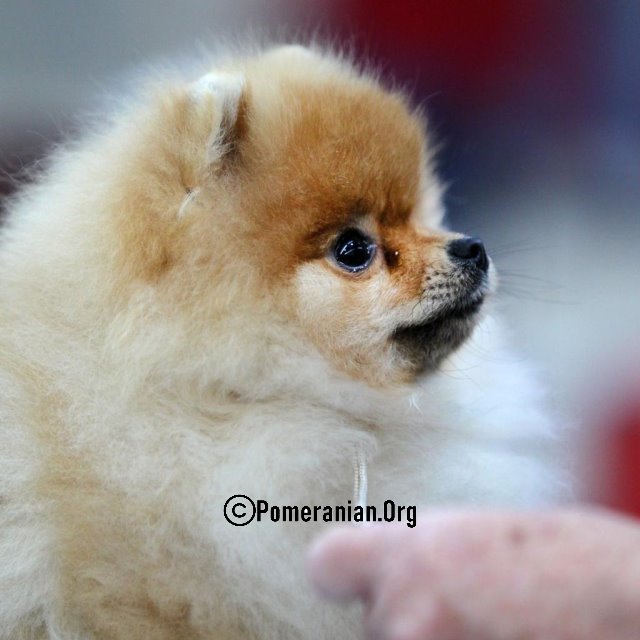
Experienced breeders usually have a good idea of true adult Pomeranian color and know to check the hair color behind the ears of Pomeranian pups.
The hair color behind a Pom puppy’s ears at only a few weeks is a reasonably accurate guide to the Pomeranian puppy’s adult coat color.
Pomeranian owners concerned about their puppy’s color should chat with their breeder about any concerns.
Pomeranian Puppy to Adulthood Coat Color Change
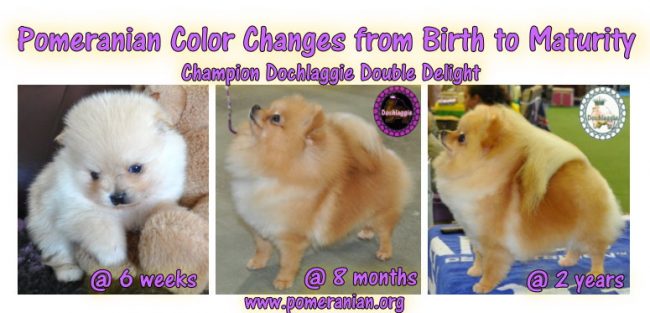

Pomeranian Color Change
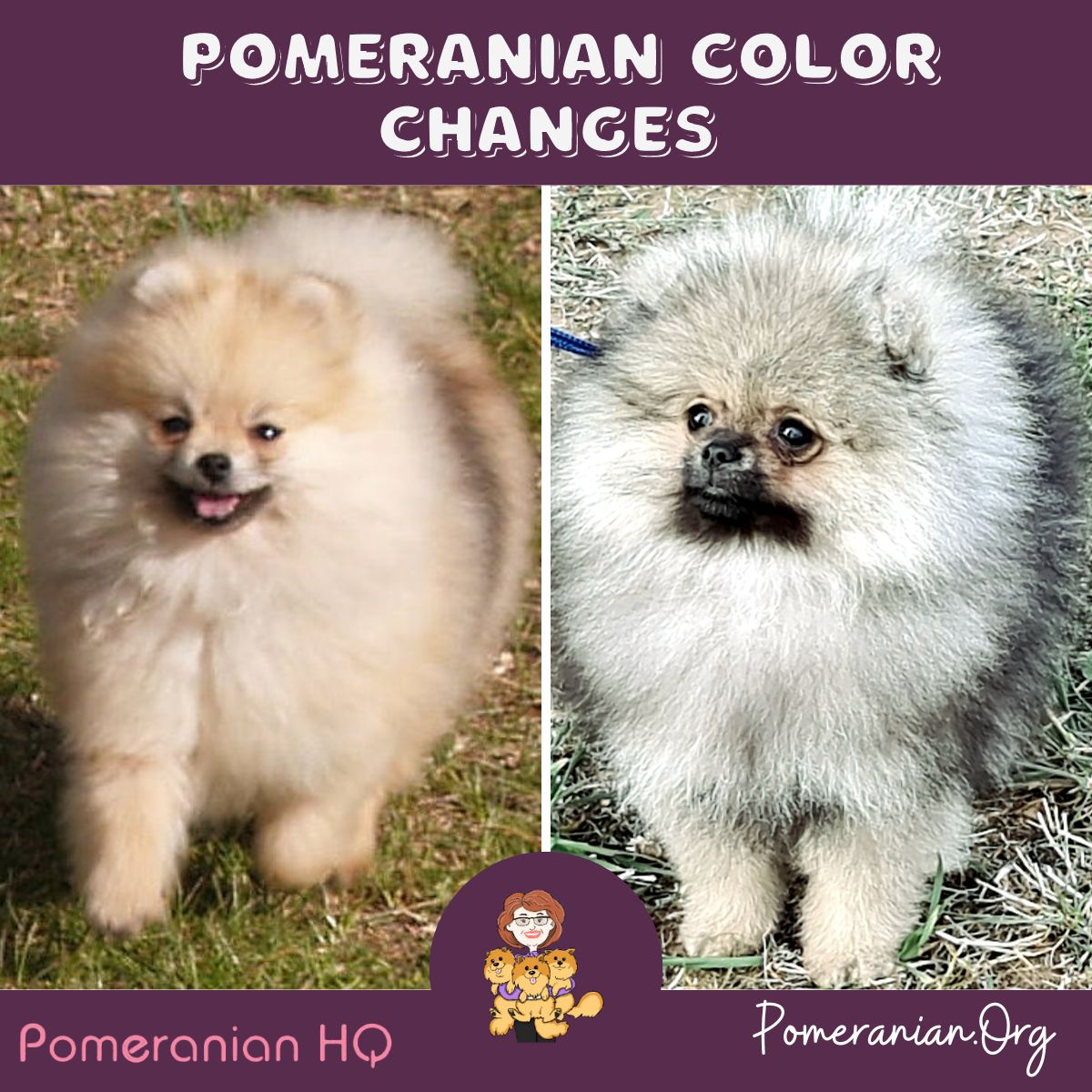
Some colored Pomeranian pups will have a dramatic coat color change, while others will have a slight change in coat color as adult Poms.
Do Cream Pomeranians Change Color?
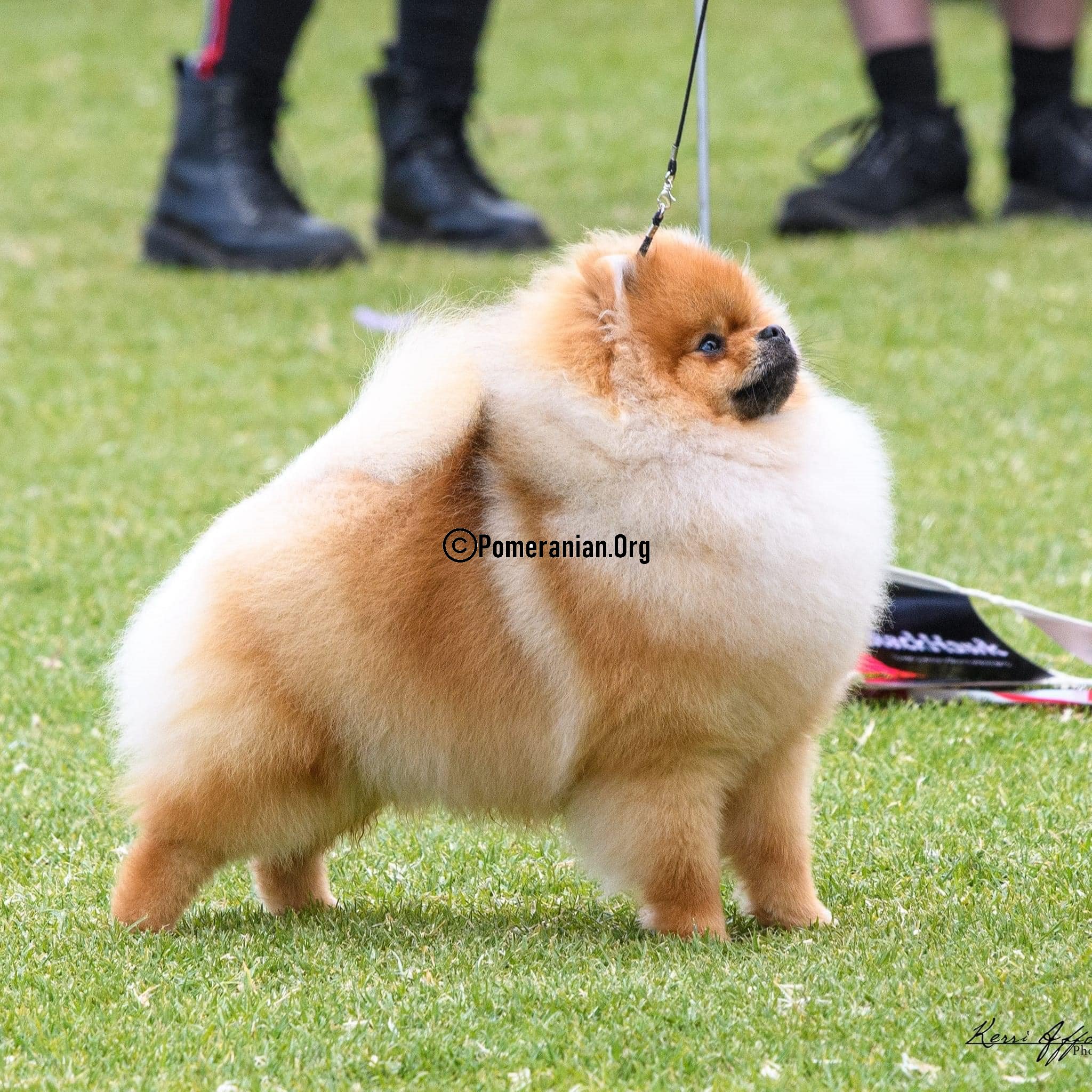
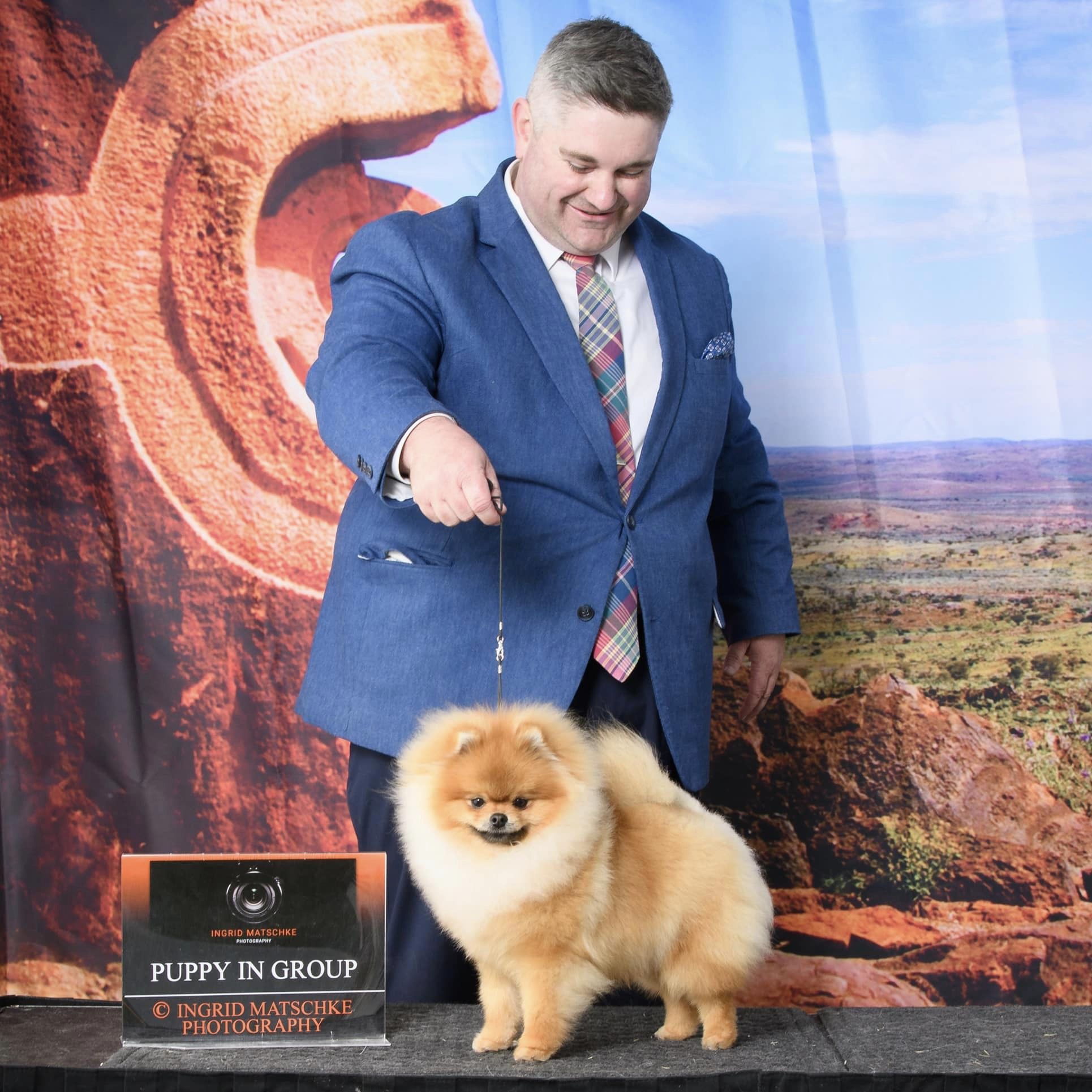
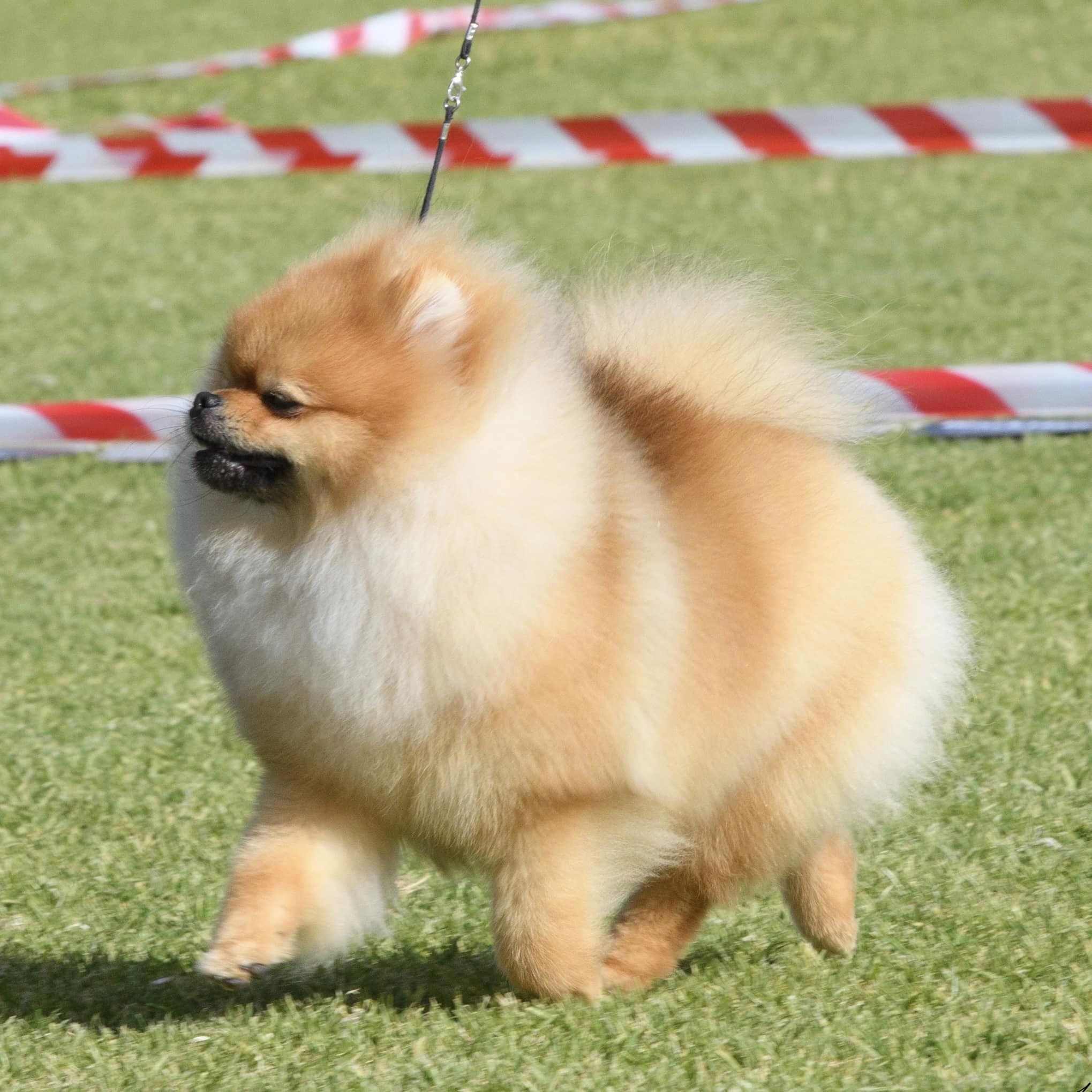
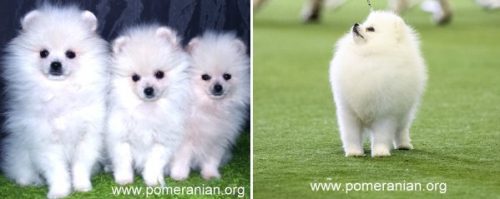
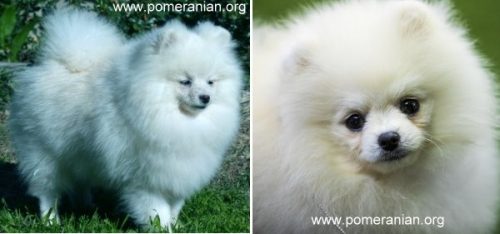
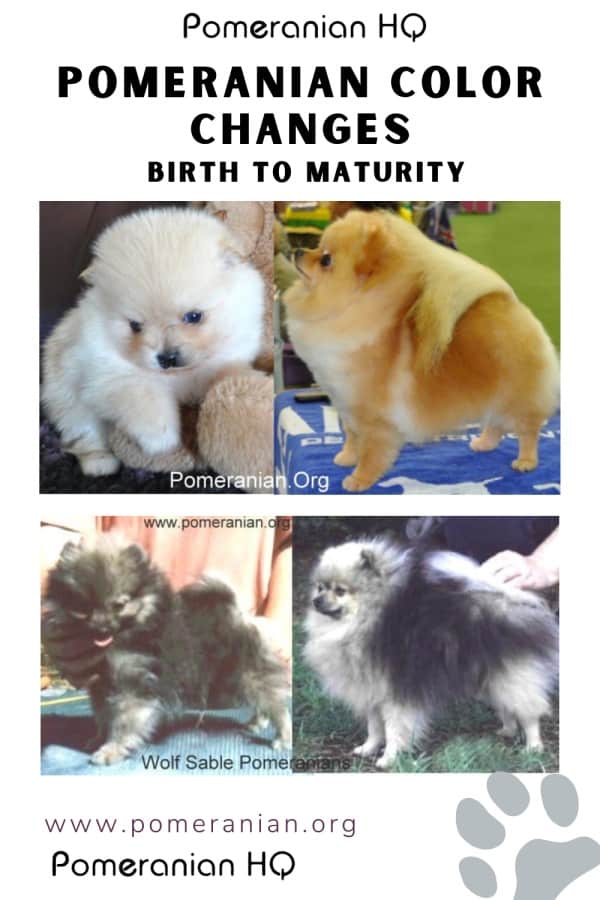
Light-colored Pom pups often are very light at birth and darken as they mature. A good example of this is a cream- or light-orange Pomeranian puppy. This puppy will often appear white at birth and mature into a cream- or orange-colored Pomeranian.
White Pomeranian puppies often darken. What is often referred to as a white Pomeranian puppy will mature into an orange Pomeranian.
Do Black Pomeranian Puppies Change Color?
Usually, no, although the puppy’s fur may lose light shading during the coat change and appear darker. Wolf sable and Black and Tan Pomeranians often appear to be whole blacks at birth.
Do Sable Pomeranians Change Color
A sable Pomeranian color change is probably the most dramatic in a baby Pomeranian to an adult Pomeranian. Sable Pomeranians are usually very dark at birth; as the hair grows, the dark sable-colored hair tips grow out to the end of the hair shaft.
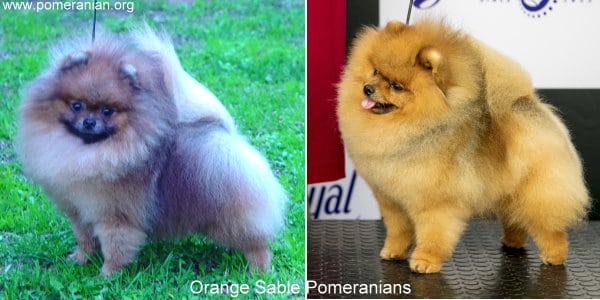
Wolf Sable is another color where beginner breeders sometimes mistakenly register an orange sable Pomeranian puppy as a wolf sable Pomeranian.
Orange sable Pomeranian puppies often appear greyer than orange at six weeks. However, as they mature, the orange comes through. If in doubt, have your Vet organize a DNA test before registration.
I am sharing pictures of the different colors of Pomeranians, from birth, bred here at Dochlaggie Pomeranians, through to Pomeranian dog adulthood.
For more pictures and full descriptions of Pomeranians: Pomeranian Colors, visit our page.
Colors of Pomeranians from Birth to Adulthood. Pomeranian Color Change Chart
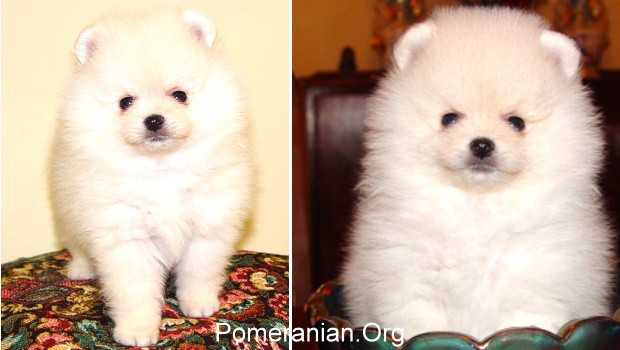
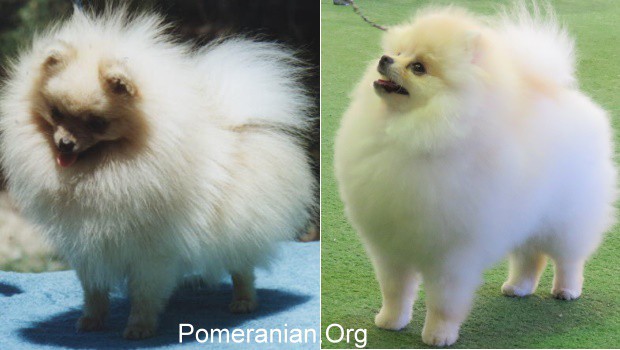
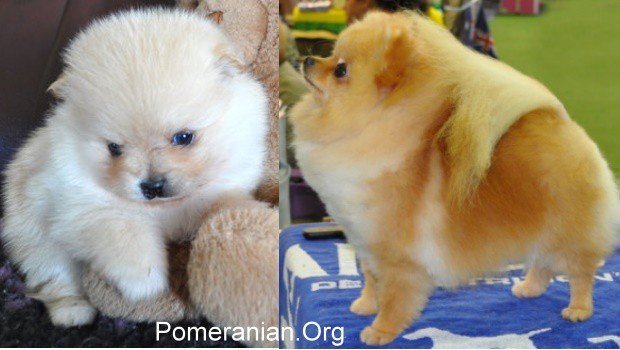
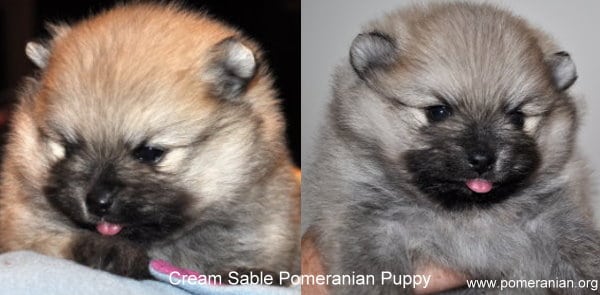
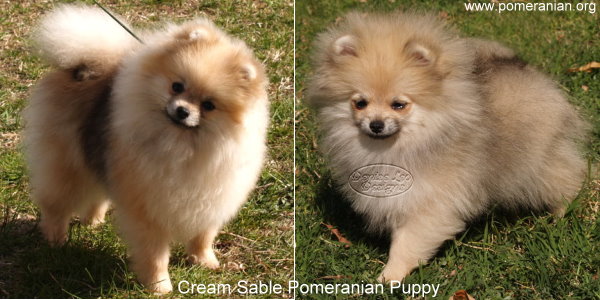
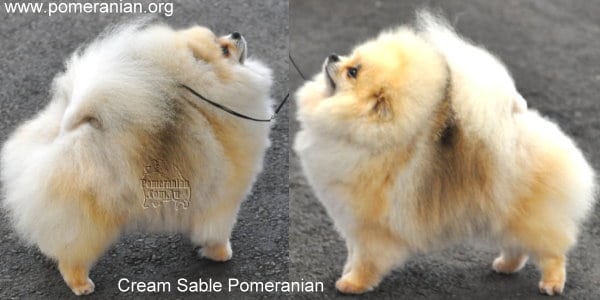
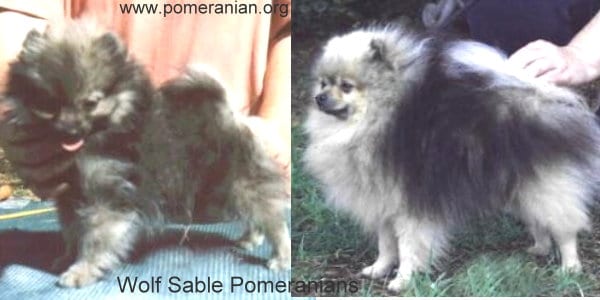
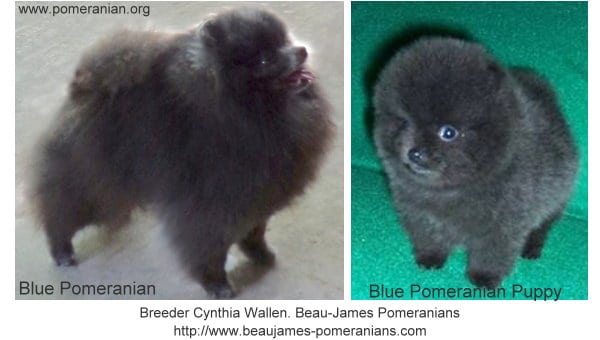
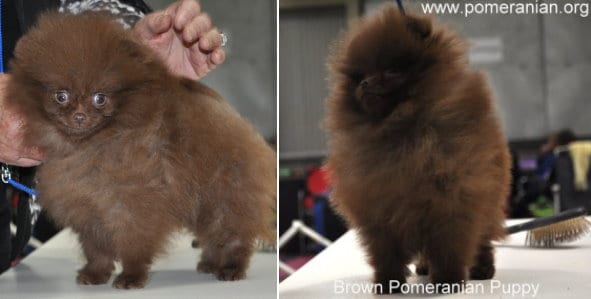
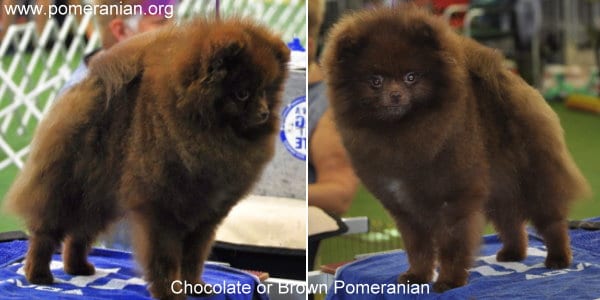
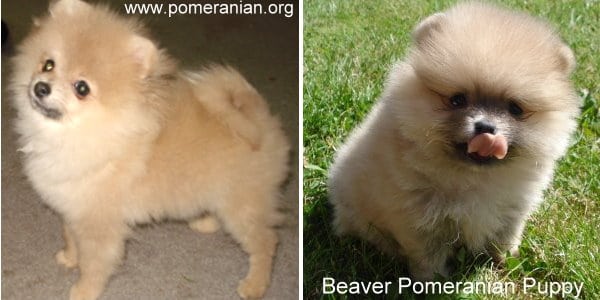
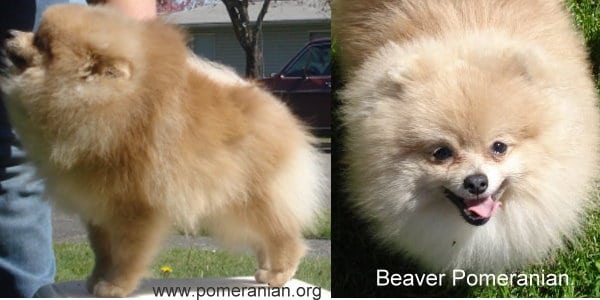
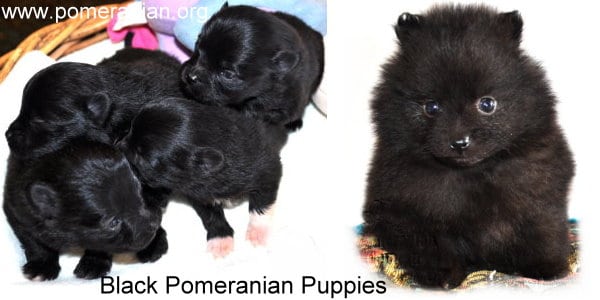
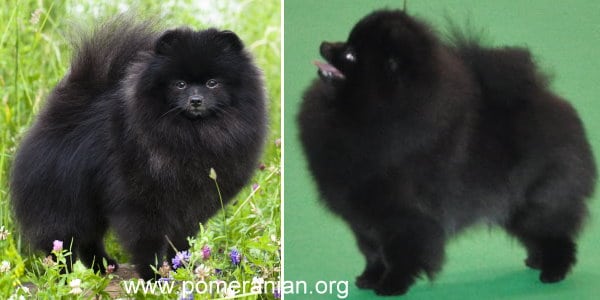
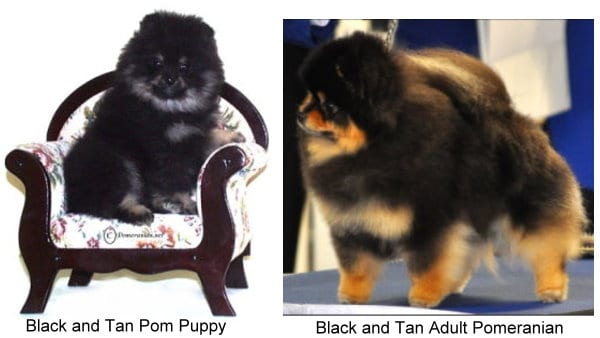
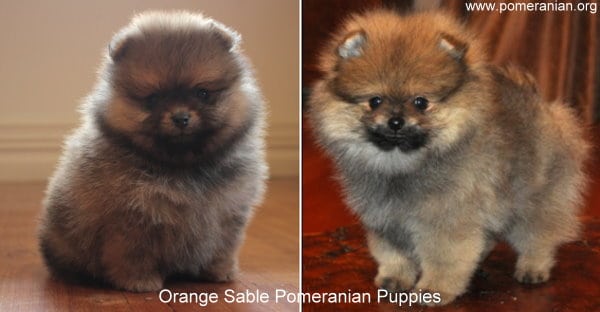
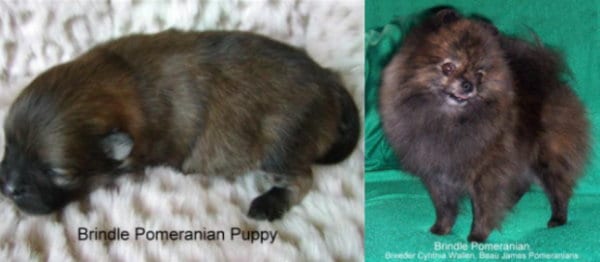
New brindle Pomeranian puppy.
Adult Pomeranian is Beau James Stripe Up The Band. Breeder Cynthia Wallen, Beau James Pomeranians.
Pomeranian Colour Change FAQs
At what age do Pomeranians change colour?
Pomeranians can change colour from birth until around two years of age. The most noticeable changes usually occur during the transition from puppy coat to adult coat.
When do the biggest changes happen?
The most dramatic colour changes occur from puppyhood to adulthood, particularly during the “puppy uglies” stage when the coat is changing.
Do all Pomeranians change colour?
Most do, but not all dramatically. Some colours remain quite stable, while others can change significantly.
Which colours change the most?
Sable and wolf sable typically show the biggest changes. Parti colours can also change more than expected as markings soften and fade.
Can you predict adult colour?
Sometimes, but not always. Coat colour at the roots, behind the ears, and knowledge of bloodlines can help—but surprises are common.
Do parti colours change?
Yes. Blazes often become smaller or disappear, and colour patches may fade or change shade, sometimes leaving an almost white adult coat.
Final Thoughts on Pomeranian Color Change
As we wrap up our discussion on the fascinating topic of Pomeranian color change, there are a few key points to remember:
- Natural Phenomenon: The Pomeranian color change is a natural and expected part of their growth. Each phase is a wonder, from puppyhood’s adorable hues to adulthood’s vibrant shades.
- Unique to Each Pom: Every Pomeranian is special in how its coat color transforms. While some may undergo dramatic changes, others might retain a similar shade with subtle differences.
- A Rainbow of Colors: Pomeranians are known for their wide range of coat colors. From striking blacks and whites to the rarer blues and chocolates, these little fluffs amaze us with their beauty.
- Patience is Key: Remember, the color change doesn’t happen overnight. It’s a gradual process that unfolds as your Pom grows, so patience is essential to witness this delightful transformation.
- Health Over Color: While we adore the varied colors of Pomeranian coats, it’s crucial to prioritize their health and well-being over aesthetics. A healthy Pom is always more beautiful, regardless of coat color.
Copyright Pomeranian.org. All Rights Reserved.
References and Further Reading:
Official Standard of the Pomeranian (AKC). American Kennel Club, 2011.
Official English Kennel Club Pomeranian Breed Standard, 2017.
Denise Leo, The Pomeranian Handbook.