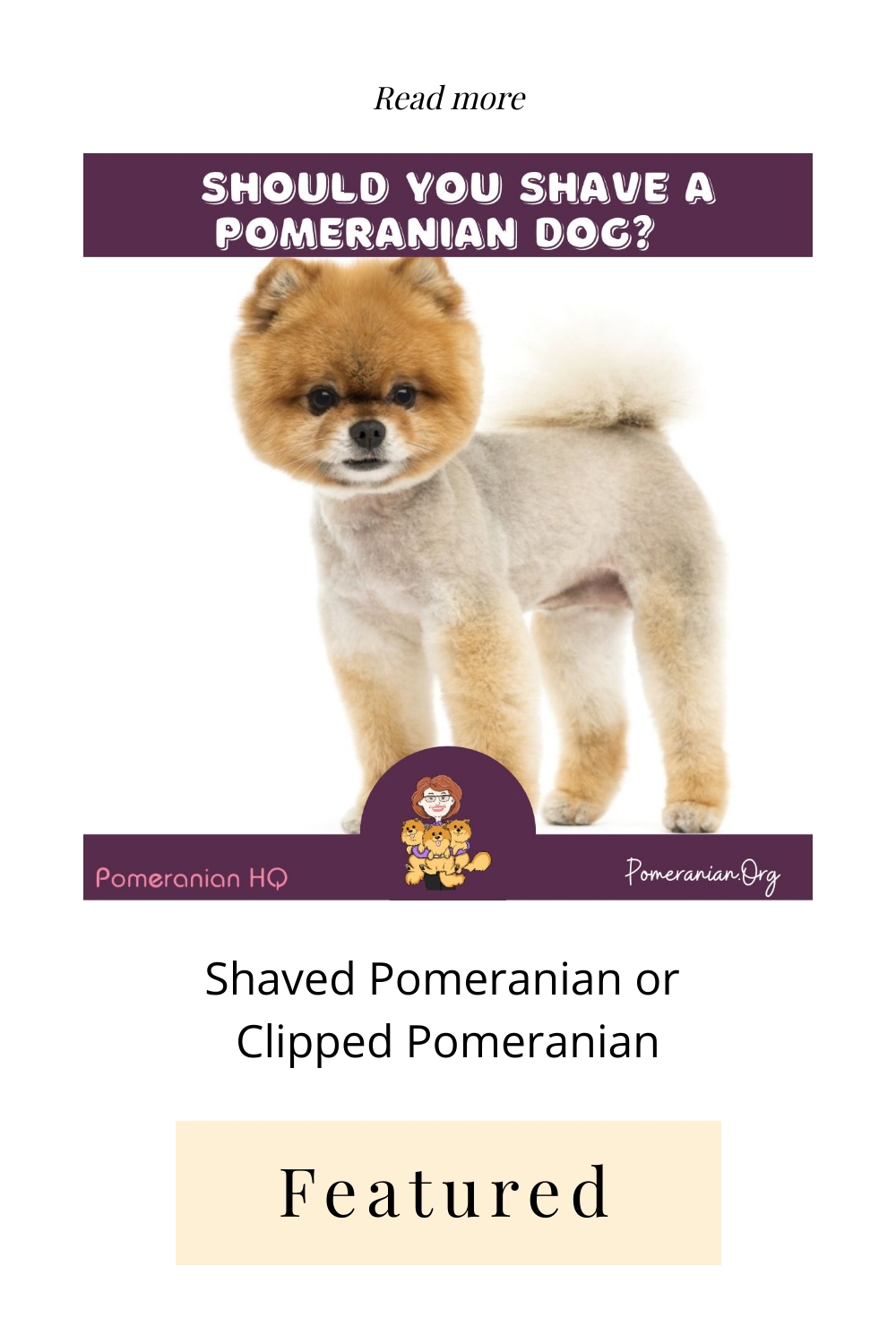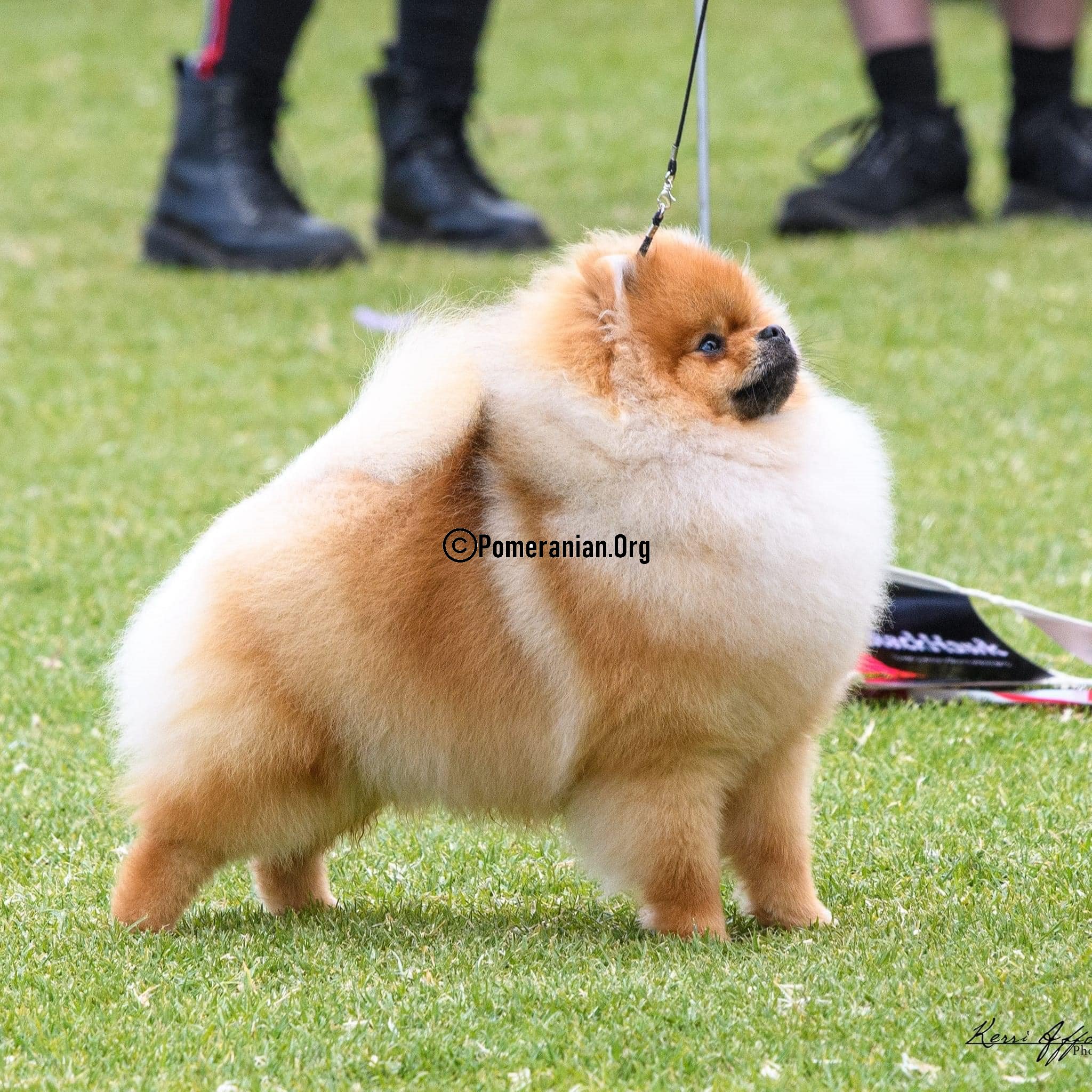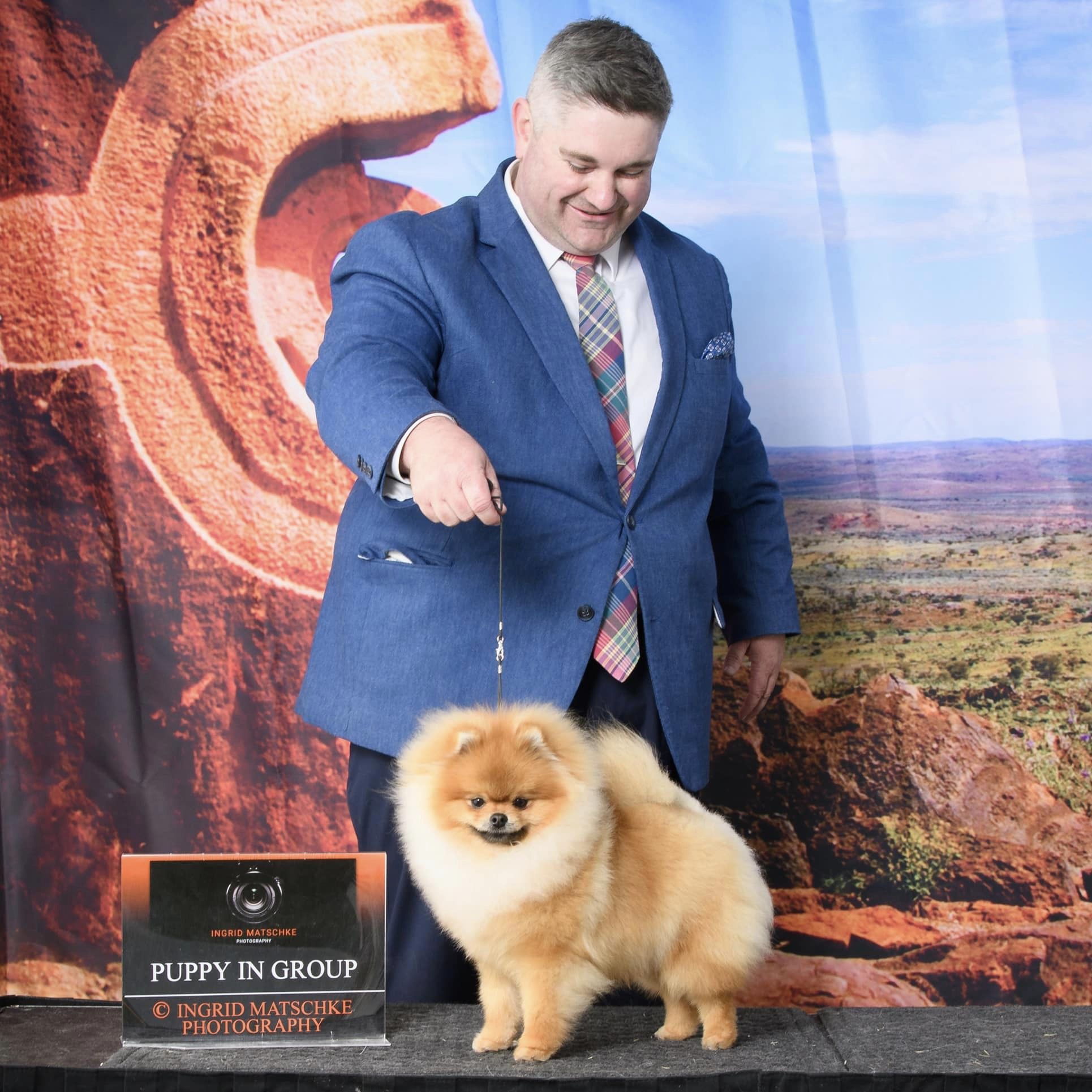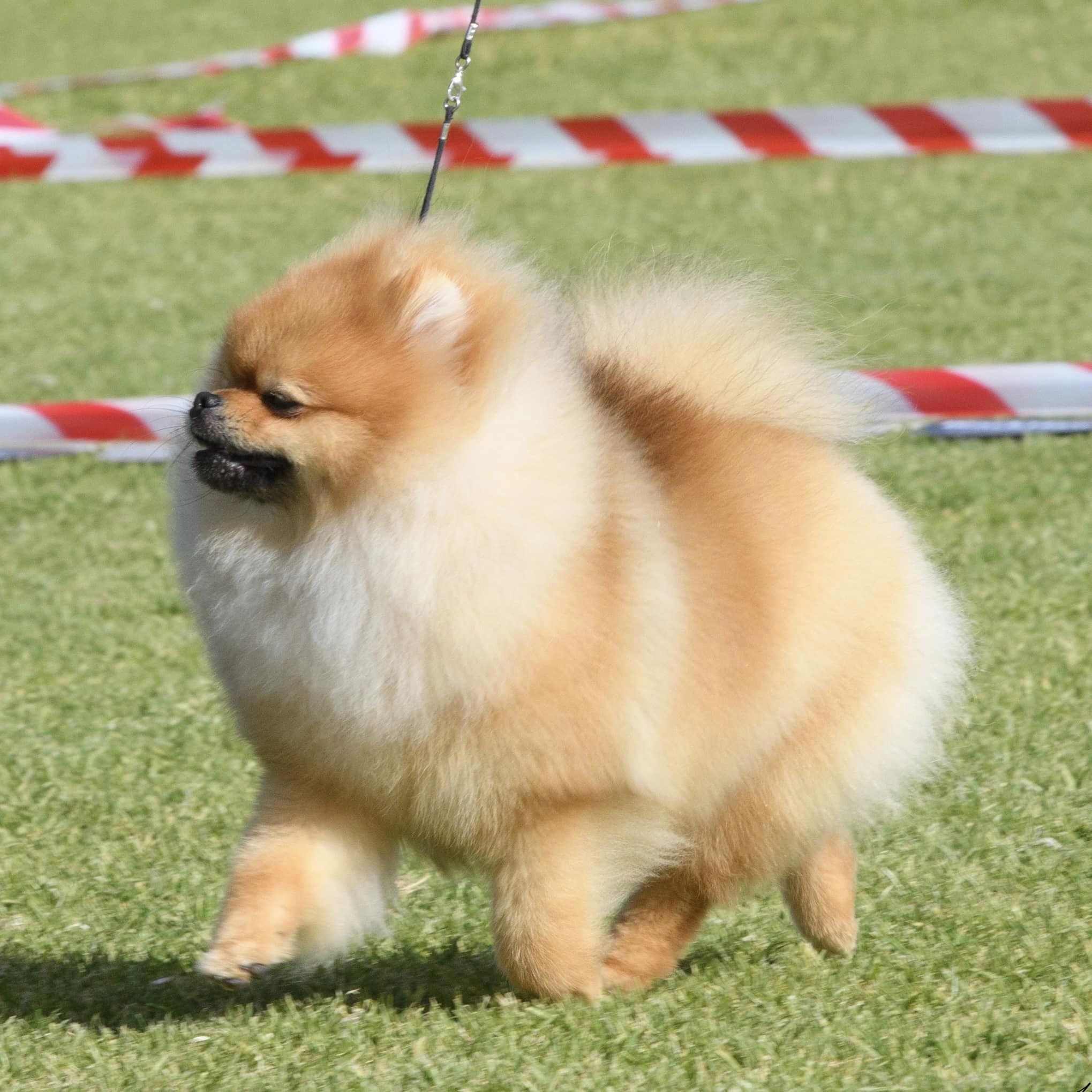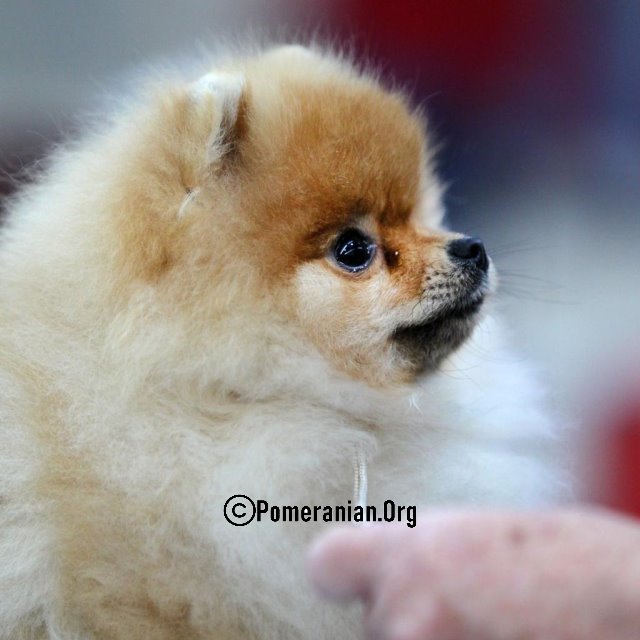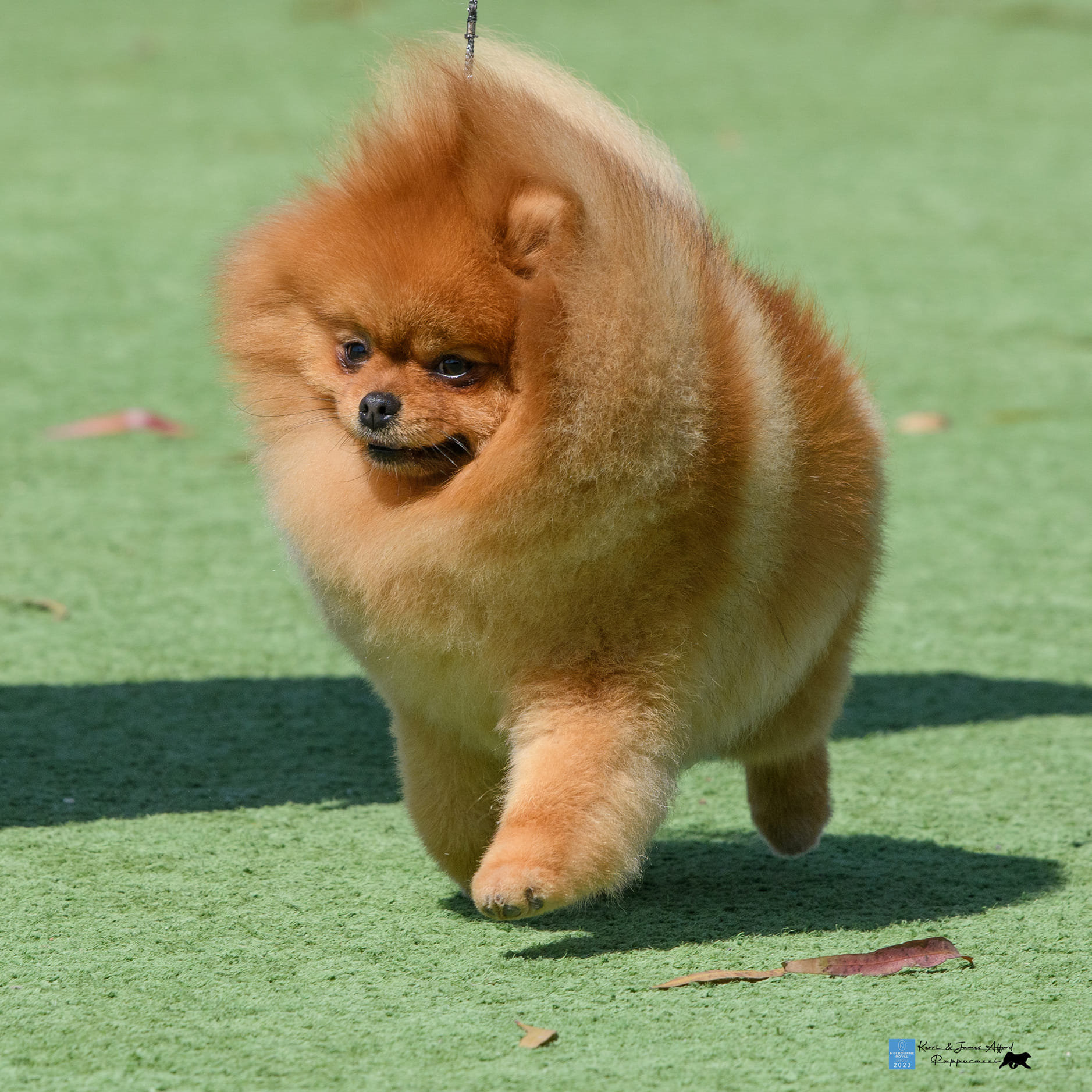

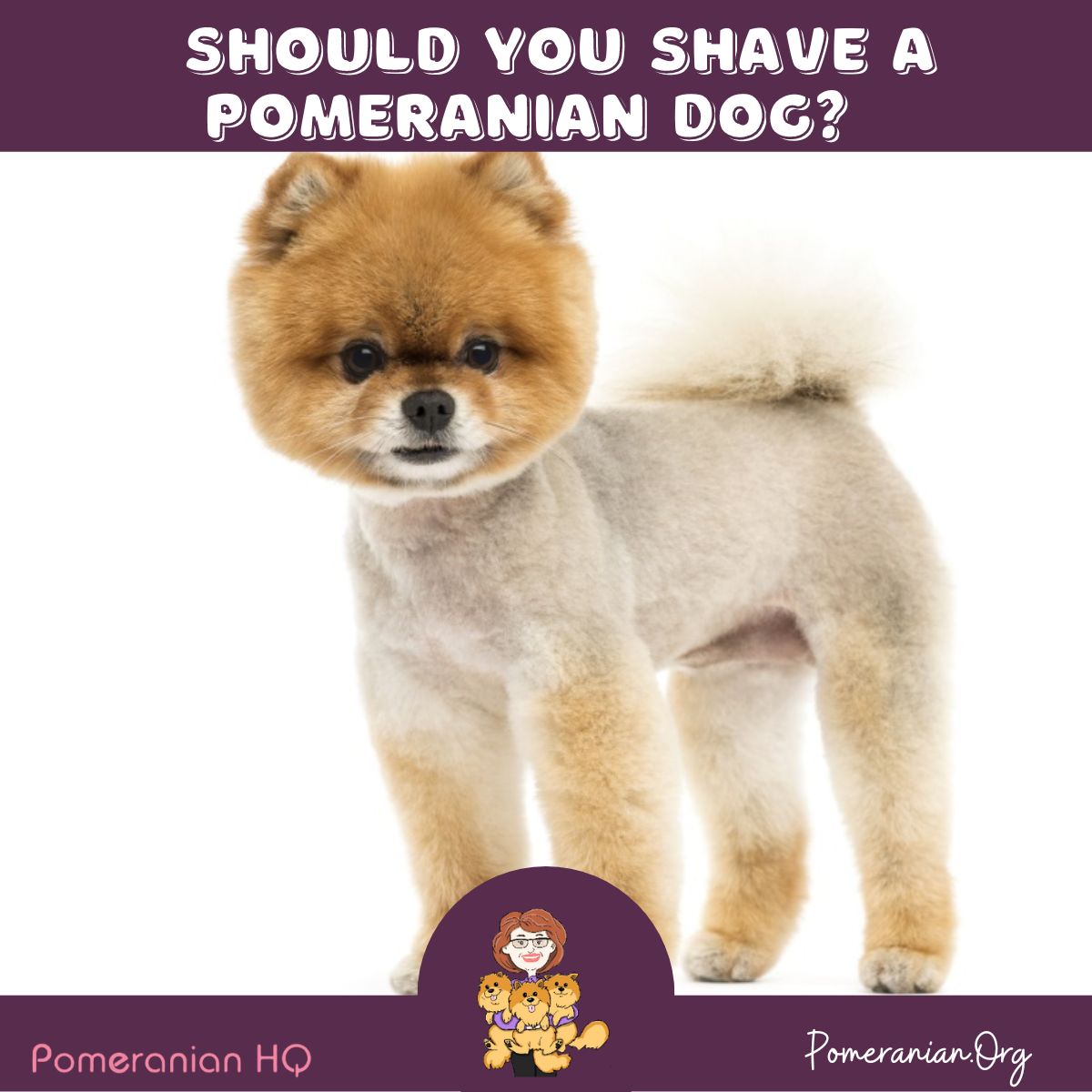
A Pomeranian should not normally be shaved for comfort, shedding control, or a fashionable haircut. Pomeranians have a double coat consisting of a soft, dense undercoat and longer protective guard hairs. Close clipping can interfere with the natural growth cycle, potentially causing uneven regrowth, a change in coat texture, or a prolonged failure of the coat to return.
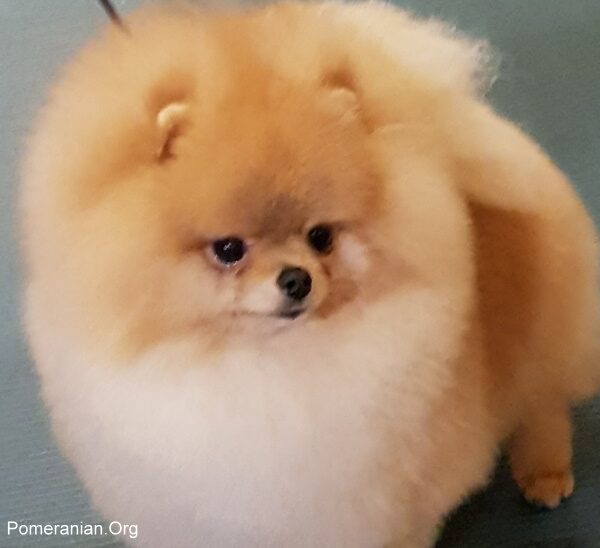
As a Pomeranian breeder and exhibitor with more than 50 years of experience, I have bred and owned many champion Pomeranians and am also a qualified Pomeranian judge. Throughout those decades, I have seen the difference between careful trimming and the damage that can follow close clipping. A Pomeranian’s magnificent double coat is one of the breed’s defining features and should be preserved whenever possible.
If your Pomeranian has already been shaved, do not panic. Many coats gradually recover, although complete regrowth can take many months and, in some cases, up to two years. Contact your veterinarian if the skin appears inflamed, your dog is itchy or uncomfortable, or the coat shows little improvement after several months.
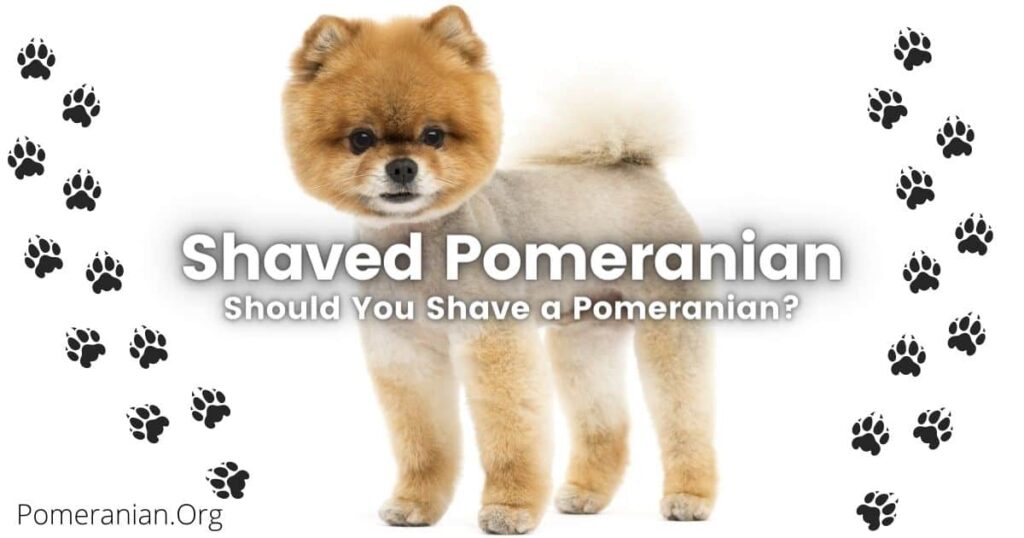
Many Pomeranian owners contemplate shaving their dog’s coat, yet understanding the potential implications is vital. Although a Pomeranian’s coat might grow back after shaving, it often does not return with the same texture or fullness.
The regrowth can be uneven, and the double coat may lose its natural insulating properties, potentially leading to discomfort for your dog. Moreover, there is always a risk that the coat may not grow back at all. It’s essential to consider grooming alternatives that preserve the health and original characteristics of the coat.
explains Denise Leo, a renowned Pomeranian breed expert.
Should You Shave a Pomeranian?
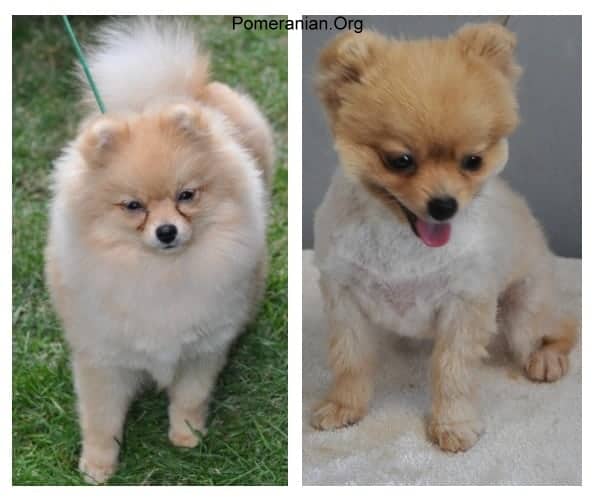
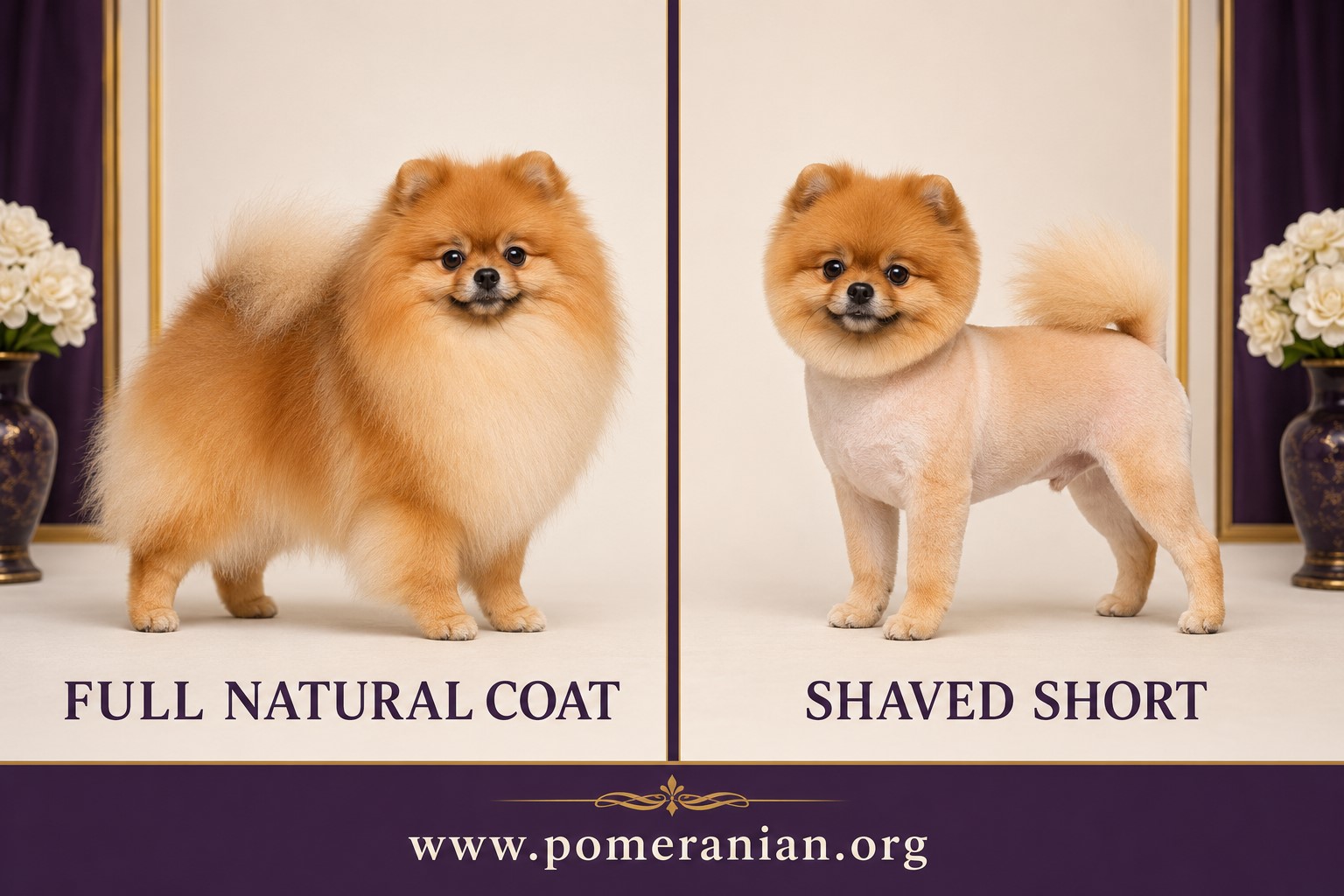
No, a Pomeranian should not be routinely shaved. Close clipping removes both layers of the dog’s double coat and may disrupt the natural growth cycle. Although the coat often grows back, regrowth can be slow, uneven, softer in texture, or different in color. In some Pomeranians, the guard hairs may take a very long time to return.
Shaving is not an effective way to stop shedding or keep a Pomeranian cool during summer. The coat helps protect the skin from direct sunlight, insect bites, and minor abrasions. Removing it also leaves the sensitive skin more vulnerable to irritation and sunburn.
There is an important difference between shaving and careful trimming. Light scissor trimming around the feet, ears, hygiene areas, and outline of the coat is generally acceptable when performed correctly. Clippers should not be used to cut deeply into the body coat simply to create a short teddy-bear or “Boo” appearance.
Occasionally, a veterinarian may need to shave part of a Pomeranian’s coat for surgery, medical treatment, severe skin disease, or badly matted hair that cannot be removed safely. In these situations, the dog’s health and comfort must take priority over the appearance of the coat.
Does Pomeranian Hair Grow Back After Shaving?
In many cases, a Pomeranian’s coat will grow back after shaving, but the rate and quality of regrowth vary considerably between dogs. Some Pomeranians begin showing noticeable new growth within a few months, while others may require 12 to 24 months for the coat to recover fully.
The soft undercoat usually returns before the longer guard hairs. During this stage, the coat may appear woolly, patchy, uneven, or different in color and texture. Early undercoat growth does not necessarily mean that the complete double coat has recovered.
Factors that may influence regrowth include:
- The dog’s age and general health
- How closely the coat was clipped
- The area of the body that was shaved
- The stage of the natural hair-growth cycle
- Previous episodes of close clipping
- Hormonal, metabolic, or skin conditions
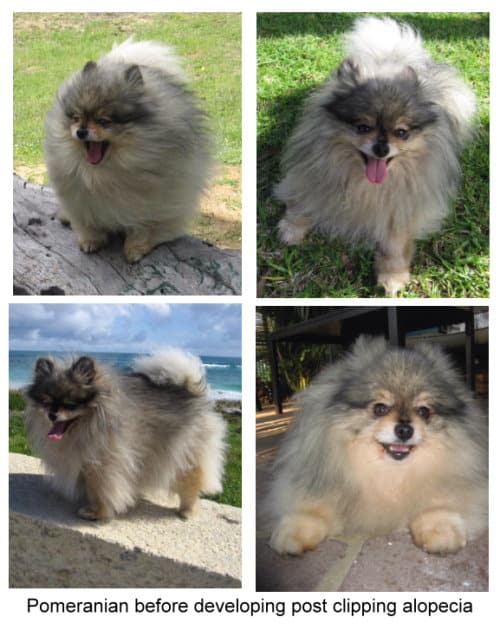
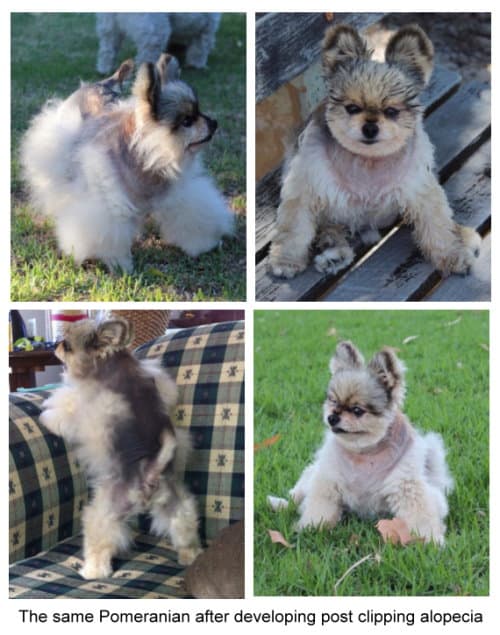
When a healthy dog’s coat does not begin to regrow normally within approximately three to four months after clipping, the condition may be described as post-clipping alopecia or hair-cycle arrest. This is seen more frequently in dogs with dense double coats, including Pomeranians and other Spitz breeds.
Post-clipping alopecia is mainly a cosmetic condition, and many affected dogs eventually regrow their coats. However, similar hair-loss patterns can also be associated with medical problems. If your Pomeranian develops darkened skin, itching, redness, sores, continuing hair loss, or very little regrowth after several months, arrange a veterinary examination. Your veterinarian can check for other possible causes rather than assuming that shaving is the only reason for the poor coat growth.
Pomeranian Coat Regrowth Timeline
There is no exact timetable for coat regrowth after shaving. Every Pomeranian is different, and progress may be affected by age, health, genetics, the depth of the clip, and the stage of the natural coat-growth cycle. The following timeline is a general guide rather than a guarantee.
| Time After Shaving | What You May Notice |
|---|---|
| First few weeks | The skin may remain clearly visible, with very little noticeable hair growth. Protect exposed areas from strong sunlight and skin irritation. |
| 1–3 months | Soft undercoat may begin to appear. Regrowth can look fuzzy, uneven, or patchy because the undercoat often returns before the longer guard hairs. |
| 3–6 months | The coat may become denser, although some areas can remain noticeably shorter. A lack of meaningful regrowth by this stage should be discussed with your veterinarian. |
| 6–12 months | Longer guard hairs may gradually return, and the coat’s natural shape may become more recognizable. Its texture and color can still differ from the original coat. |
| 12–24 months | Some slowly recovering Pomeranians may require this long to regain a reasonably complete coat. In certain dogs, the coat may not return to its previous length, texture, or fullness. |
What Is Post-Clipping Alopecia in Pomeranians?
Post-clipping alopecia, sometimes called hair-cycle arrest, describes delayed hair regrowth after a dog’s coat has been closely clipped or shaved. It is most often reported in breeds with dense double coats, including Pomeranians and other Spitz-type dogs.
The exact reason it occurs is not fully understood. Clipping does not necessarily destroy the hair follicles. Instead, the follicles may remain in the resting stage of the natural growth cycle for an unusually long time.
Signs can include:
- Little or no regrowth several months after clipping
- Soft undercoat returning without the longer guard hairs
- Uneven, patchy, or woolly-looking regrowth
- A change in coat color or texture
- Darkening of the exposed skin
- A clear difference between clipped and unclipped areas
Post-clipping alopecia usually affects the appearance of the coat rather than the dog’s general health. The exposed skin should not normally be painful, inflamed, or intensely itchy. Redness, sores, scaling, odor, or persistent scratching may indicate a separate skin condition requiring veterinary attention.
Post-clipping alopecia cannot always be diagnosed from appearance alone. Alopecia X, hypothyroidism, Cushing’s disease, parasites, skin infections, nutritional problems, and other conditions can also cause slow regrowth or hair loss.
A veterinarian may recommend a physical examination, skin tests, or blood tests to rule out medical causes. If no underlying disease is found, time and protection of the recovering coat are often the most important parts of management. Many affected Pomeranians eventually experience substantial regrowth, although recovery may take 12 to 24 months.
What to Do if Your Pomeranian Has Already Been Shaved
If your Pomeranian has been shaved, do not panic or immediately clip the coat again to make it look more even. Many coats gradually recover, but patience is essential because the undercoat and guard hairs grow at different rates.
Protect the Exposed Skin
A shaved Pomeranian has less protection from sunlight, cold weather, insect bites, and minor skin injuries.
Keep your dog out of strong direct sunlight, particularly during the hottest part of the day. If sun protection is needed, ask your veterinarian to recommend a dog-safe product. Do not apply human sunscreen without veterinary advice because some ingredients can be harmful when licked.
During cold weather, a lightweight, correctly fitted dog coat may be helpful. Make sure it does not rub the skin or cause matting as the coat begins to return.
Examine the Skin Regularly
Check the shaved area for:
- Redness or inflammation
- Flaking or scaling
- Sores, pimples, or crusting
- Unusual odor
- Excessive scratching or licking
- Darkening or thickening of the skin
- Hair loss spreading beyond the clipped area
Contact your veterinarian if you notice any of these changes.
Groom the Regrowing Coat Gently
Use a soft brush when the new coat is long enough to require grooming. Brush gently and avoid repeatedly scraping exposed skin with a slicker brush.
As the undercoat returns, check carefully for tangles close to the skin. Do not repeatedly clip uneven areas in an attempt to improve your Pomeranian’s appearance. Allow the guard hairs time to grow.
Provide a Complete and Balanced Diet
Healthy skin and hair growth require appropriate nutrition. Feed a complete and balanced food suitable for your Pomeranian’s age and health.
Avoid adding large amounts of vitamins, oils, coat supplements, or homemade remedies without veterinary advice. More supplementation does not necessarily produce faster growth, and excessive amounts of some nutrients can be harmful.
Record the Regrowth
Take a photograph every four weeks from the same angle and in similar lighting. Monthly photographs make gradual improvement easier to recognize and provide useful information for your veterinarian.
Arrange a Veterinary Examination When Needed
Speak to your veterinarian if there is very little regrowth after approximately three to four months, or sooner if your Pomeranian has itching, skin inflammation, continuing hair loss, low energy, weight changes, or other signs of illness.
Your veterinarian can investigate skin, hormonal, or metabolic conditions that may be interfering with normal coat growth.
When Shaving a Pomeranian May Be Necessary
Although routine shaving is not recommended, there are circumstances when clipping part or all of a Pomeranian’s coat may be necessary for the dog’s health, safety, or comfort.
Veterinary Procedures
A veterinarian may shave a small area to:
- Prepare the skin for surgery
- Insert an intravenous line
- Perform an ultrasound
- Clean and treat a wound
- Apply medication directly to the skin
- Examine or treat a serious skin condition
Medical clipping should never be refused simply because the coat may take time to regrow. Your Pomeranian’s immediate health must always come first.
Severe Matting
A badly matted coat can pull painfully on the skin, restrict movement, conceal sores, and create a warm, moist environment where skin infections may develop.
If mats are extremely tight or cover a large part of the body, attempting to brush them out can cause considerable pain and may damage the skin. In these cases, careful clipping by a veterinarian or experienced professional groomer may be the kindest option.
Never use scissors beneath a tight mat. A Pomeranian’s delicate skin can be pulled up inside the mat and accidentally cut.
Wounds, Infections, or Parasite Treatment
Local clipping may sometimes be needed so a wound can be cleaned and monitored or medication can reach the affected skin. The smallest practical area should be clipped whenever possible.
Shaving the entire dog is rarely necessary for ordinary flea or tick treatment because modern parasite-control products can usually be used without removing the coat.
Elderly or Medically Fragile Pomeranians
Occasionally, an elderly or unwell Pomeranian may have a severely neglected coat that cannot be restored without causing prolonged distress. Comfort and quality of life should take priority over preserving the dog’s appearance.
Once the immediate problem has been resolved, regular gentle grooming can help prevent the coat from becoming badly matted again.
When shaving is medically or humanely necessary, it is not a grooming failure. The priority is to relieve pain, treat disease, and keep the Pomeranian comfortable.
Safe Pomeranian Haircuts and Trimming
A Pomeranian can be carefully trimmed without shaving or cutting deeply into the double coat. The aim should be to neaten the dog’s natural outline while preserving the protective guard hairs and dense undercoat.
Areas That Can Be Trimmed
Light scissor trimming is generally suitable around the:
- Feet and paw pads
- Tips and edges of the ears
- Hygiene area beneath the tail
- Long, untidy hairs around the legs
- Outline of the coat
- Excess hair interfering with normal movement or cleanliness
The finished Pomeranian should still retain its natural shape, full ruff, profuse tail, and characteristic double coat.
The Traditional Pomeranian Show Trim
A show trim is designed to enhance the Pomeranian’s natural outline rather than create an artificial haircut. Scissors are used carefully to neaten the feet, ears, legs, tail area, and overall silhouette.
The coat should continue to look abundant and natural. The body is not shaved, and the undercoat is not clipped close to the skin.
Teddy-Bear and Boo Haircuts
Teddy-bear and Boo-style cuts are popular because they create a short, rounded appearance. However, these styles may require the body coat to be clipped much shorter than is suitable for a Pomeranian.
The term “teddy-bear cut” does not have one precise length. Some groomers use it to describe gentle shaping with scissors, while others clip deeply into the double coat. Always discuss the exact length and method with the groomer rather than relying on the name of the style.
Give Your Groomer Clear Instructions
Tell the groomer:
- Do not shave or closely clip the body coat.
- Use scissors for light shaping wherever possible.
- Do not cut into the dense undercoat.
- Trim only the feet, ears, hygiene areas, and untidy outline.
- Contact you before removing any mats that require close clipping.
- Do not use a short teddy-bear or Boo-style cut.
Showing the groomer photographs of the result you want can prevent misunderstandings. Ask the groomer to confirm the planned trim before leaving your Pomeranian in their care.
How to Keep a Pomeranian Cool Without Shaving
Shaving is not a reliable way to protect a Pomeranian from hot weather. Dogs primarily release heat through panting, with a smaller amount lost through their paw pads. A well-maintained double coat also helps protect the skin from direct sunlight.
During hot weather, concentrate on controlling your Pomeranian’s environment and activity rather than removing the coat.
Brush Out Loose Undercoat
Regular brushing removes dead undercoat, improves airflow through the coat, and helps prevent mats from trapping moisture and heat close to the skin.
Brush in sections so you reach the undercoat without repeatedly scraping the skin. Bathing followed by thorough drying with a dog-safe dryer can also help release loose coat.
Avoid the Hottest Part of the Day
Exercise your Pomeranian during the cooler early morning or evening hours. Keep walks short when temperatures or humidity are high, and avoid strenuous play.
Before walking, place the back of your hand against the pavement. If it feels too hot to hold comfortably for several seconds, it may burn your dog’s paw pads.
Provide a Cool Environment
Keep your Pomeranian indoors with air-conditioning or good ventilation during extreme heat. Always provide:
- Fresh, cool drinking water
- Shade when outside
- Access to cool floor surfaces
- Frequent rest periods
- A well-ventilated area away from direct sunlight
Cooling mats may be helpful when used under supervision. Avoid wrapping your Pomeranian in wet towels, as they can trap heat as they warm.
Never Leave a Pomeranian in a Parked Car
A parked vehicle can become dangerously hot within minutes, even when the outside temperature seems mild, or the windows are partly open. Never leave your Pomeranian unattended in a car.
Recognize Signs of Heat Stress
Warning signs include:
- Heavy or persistent panting
- Excessive drooling
- Bright red or very pale gums
- Weakness or unsteadiness
- Vomiting or diarrhea
- Confusion
- Collapse
Heatstroke is a veterinary emergency. Move the dog to a cooler location, begin cooling with cool—not icy—water, and contact a veterinarian immediately. Do not delay veterinary care while waiting to see whether your Pomeranian improves.
Common Myths About Shaving Pomeranians
Misunderstandings about shedding, summer heat, allergies, and coat regrowth often lead owners to have their Pomeranians clipped too short. Here are the facts behind five common shaving myths.
Shaving Stops a Pomeranian From Shedding
Myth: Removing the coat will prevent shedding around the home.
Fact: Shaving makes shed hairs shorter, but it does not stop the natural shedding cycle. Regular brushing and bathing are safer ways to manage loose hair.
A Shaved Pomeranian Will Be Cooler in Summer
Myth: A very short haircut will prevent a Pomeranian from overheating.
Fact: Removing the coat does not prevent heatstroke and leaves the skin with less protection from direct sunlight. Shade, fresh water, air-conditioning, and avoiding midday exercise are more effective.
The Coat Will Always Grow Back Normally
Myth: Shaving is harmless because the complete coat will quickly return.
Fact: Many coats regrow, but normal regrowth is not guaranteed. Recovery may take many months or as long as two years, and the coat may differ in texture, color, or fullness.
Shaving Makes a Pomeranian Hypoallergenic
Myth: A shorter coat will remove the cause of dog allergies.
Fact: Dog allergies are generally triggered by proteins found in dander, saliva, and urine. Shaving does not make a Pomeranian hypoallergenic.
Every Teddy-Bear Cut Is Safe
Myth: Asking for a teddy-bear cut guarantees that the double coat will be protected.
Fact: “Teddy-bear cut” is not a standardized grooming term. Some groomers lightly shape the coat with scissors, while others clip deeply into the undercoat. Discuss the precise length and method before grooming begins.
When to Consult Your Veterinarian
Slow coat regrowth after shaving is not always an emergency. However, a veterinary examination is important when the skin appears unhealthy, the hair loss continues, or your Pomeranian develops other changes.
Contact your veterinarian if you notice:
- Red, inflamed, crusty, or painful skin
- Persistent scratching, licking, or biting
- Sores, pimples, scaling, or an unusual odor
- Hair loss spreading beyond the shaved area
- Darkening, thickening, or thinning of the skin
- Very little coat regrowth after three to four months
- Increased thirst or urination
- Changes in appetite or body weight
- Unusual tiredness or reduced activity
- A swollen or pot-bellied appearance
These signs may indicate that something other than clipping is affecting the coat. Possible causes include skin infections, parasites, allergies, hypothyroidism, Cushing’s disease, Alopecia X, or another hormonal or metabolic condition.
Your veterinarian may examine the skin, check hair growth patterns, perform skin scrapings or other dermatology tests, and recommend blood testing when appropriate.
Do not begin hormone treatments, human hair-loss products, essential oils, or large doses of supplements without veterinary advice. There is no single treatment that guarantees rapid coat regrowth, and using unsuitable products may irritate the skin or harm your dog.
If your Pomeranian is otherwise healthy and medical causes have been ruled out, careful coat management and time may be all that is required. Continue taking monthly photographs so you and your veterinarian can assess gradual progress.
Shaved Pomeranian Frequently Asked Questions
Answers to common questions about clipping, coat damage, and hair regrowth in Pomeranians.
Will a shaved Pomeranian’s coat grow back?
Many Pomeranian coats grow back after shaving, but the rate and quality of regrowth vary. The undercoat often returns before the guard hairs, temporarily creating a woolly or patchy appearance. Complete recovery can take several months and occasionally as long as two years.
How long does Pomeranian hair take to grow back?
Some new growth may appear within one to three months, but restoration of the complete double coat usually takes much longer. Age, health, genetics, clipping depth, and the natural hair-growth cycle can all affect recovery.
Should I shave my Pomeranian during summer?
No. Shaving does not prevent heatstroke and leaves the skin with less protection from sunlight. Keep your Pomeranian comfortable with shade, fresh water, air-conditioning, regular grooming, and exercise during the cooler parts of the day.
Can I use clippers on my Pomeranian?
Clippers may be used carefully for small hygiene areas or beneath the paw pads, but they should not be used to closely clip the body coat for appearance. Light scissor trimming is generally more suitable for shaping the natural outline.
Is it safe to give a Pomeranian a teddy-bear cut?
It depends on how the groomer interprets the term. Gentle scissor shaping may be suitable, but a short clip that cuts deeply into the undercoat is not recommended. Discuss the exact length and method before grooming begins.
Can a Pomeranian have a sanitary trim?
Yes. Careful trimming around the hygiene area can help keep the dog clean. Only the necessary area should be shortened, without extending the clip unnecessarily into the surrounding body coat.
Will shaving stop my Pomeranian from shedding?
No. A shaved Pomeranian continues to shed, although the loose hairs will be shorter. Regular brushing, bathing, and thorough drying are safer ways to remove loose undercoat and manage shedding.
Can I make my Pomeranian’s coat grow back faster?
There is no guaranteed way to produce rapid regrowth. Feed a complete and balanced diet, protect the skin, groom gently, and allow time for the natural growth cycle. Do not use essential oils, human hair products, or large doses of supplements without veterinary advice.
When should I take my shaved Pomeranian to a veterinarian?
Arrange an examination if there is very little regrowth after three to four months or if you notice redness, itching, sores, skin darkening, spreading hair loss, weight changes, increased thirst, or unusual tiredness.
What if my Pomeranian must be shaved for surgery?
Necessary veterinary treatment should always take priority over the appearance of the coat. Follow your veterinarian’s aftercare instructions, protect the healing skin, and monitor regrowth once the surgical area has recovered.
Final Thoughts From Denise Leo
During more than 50 years of breeding, exhibiting, and caring for Pomeranians, I have handled many different coats and watched them change through puppyhood, maturity, seasonal shedding, illness, and old age. As a breeder of champion Pomeranians and a Pomeranian judge, I believe this breed’s magnificent double coat should be preserved whenever possible.
A Pomeranian does not need to be shaved for summer comfort, shedding control, or a fashionable appearance. Regular brushing, bathing, thorough drying, and careful scissor trimming can keep the coat neat and manageable without removing its natural protection.
If your Pomeranian has already been shaved, do not lose hope. Many coats recover with time, although the undercoat and guard hairs may return at different rates. Protect the exposed skin, avoid repeated clipping, feed a complete and balanced diet, and monitor the coat with monthly photographs.
Veterinary or humane clipping is sometimes necessary for surgery, skin treatment, wounds, or severe matting. In these situations, your Pomeranian’s health and comfort must always come before appearance.
The safest approach is simple: maintain the coat carefully, give your groomer clear instructions, and avoid close body clipping unless it is genuinely necessary. Your Pomeranian’s beautiful double coat may take considerable time to develop, but only a short grooming appointment to remove.
Copyright Pomeranian.Org. All Rights Reserved.
📚 References & Further Reading
- [1] AKC Pomeranian Breed Standard (2011)
- [2] English Kennel Club Breed Standard
- [3] The Pomeranian Handbook – Denise Leo
- [4] Denlinger, The Complete Pomeranian
- [5] Kimbering, 1891–1991
- [6] Taplin, The Sportsman’s Cabinet
- [7] Parker, The Popular Pomeranian
- [8] Ives, Show Pomeranians
Learn Everything About Pomeranians in The Pomeranian Handbook