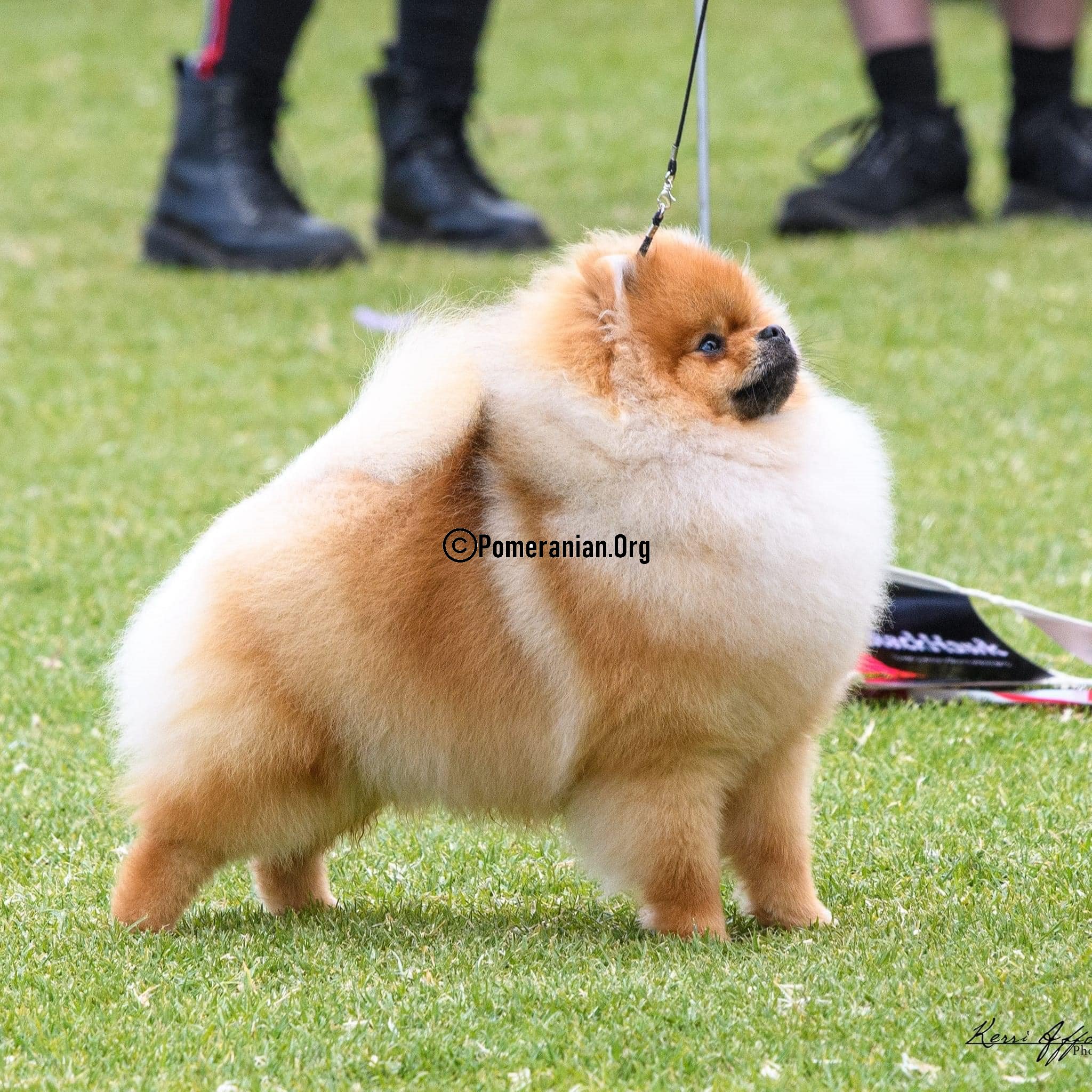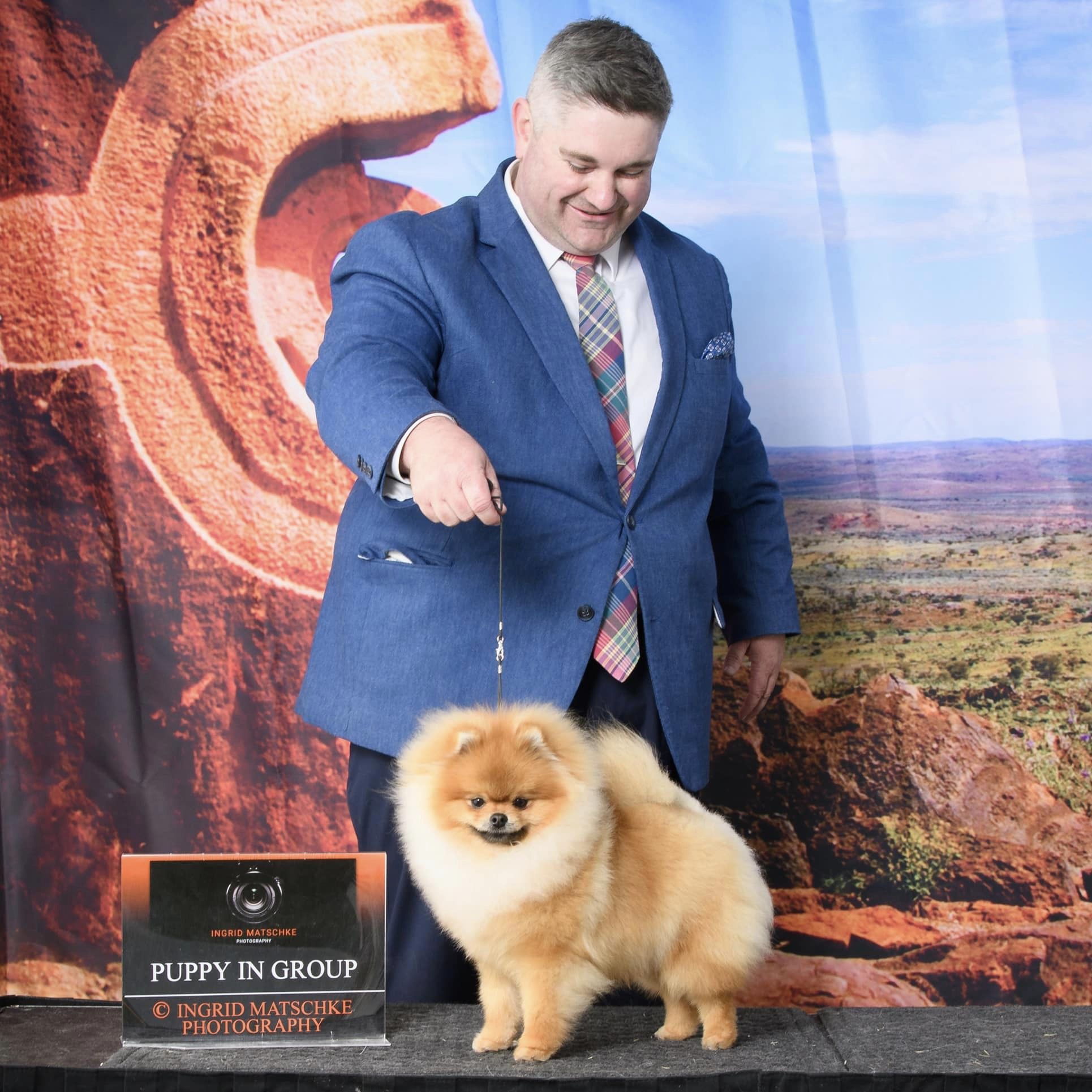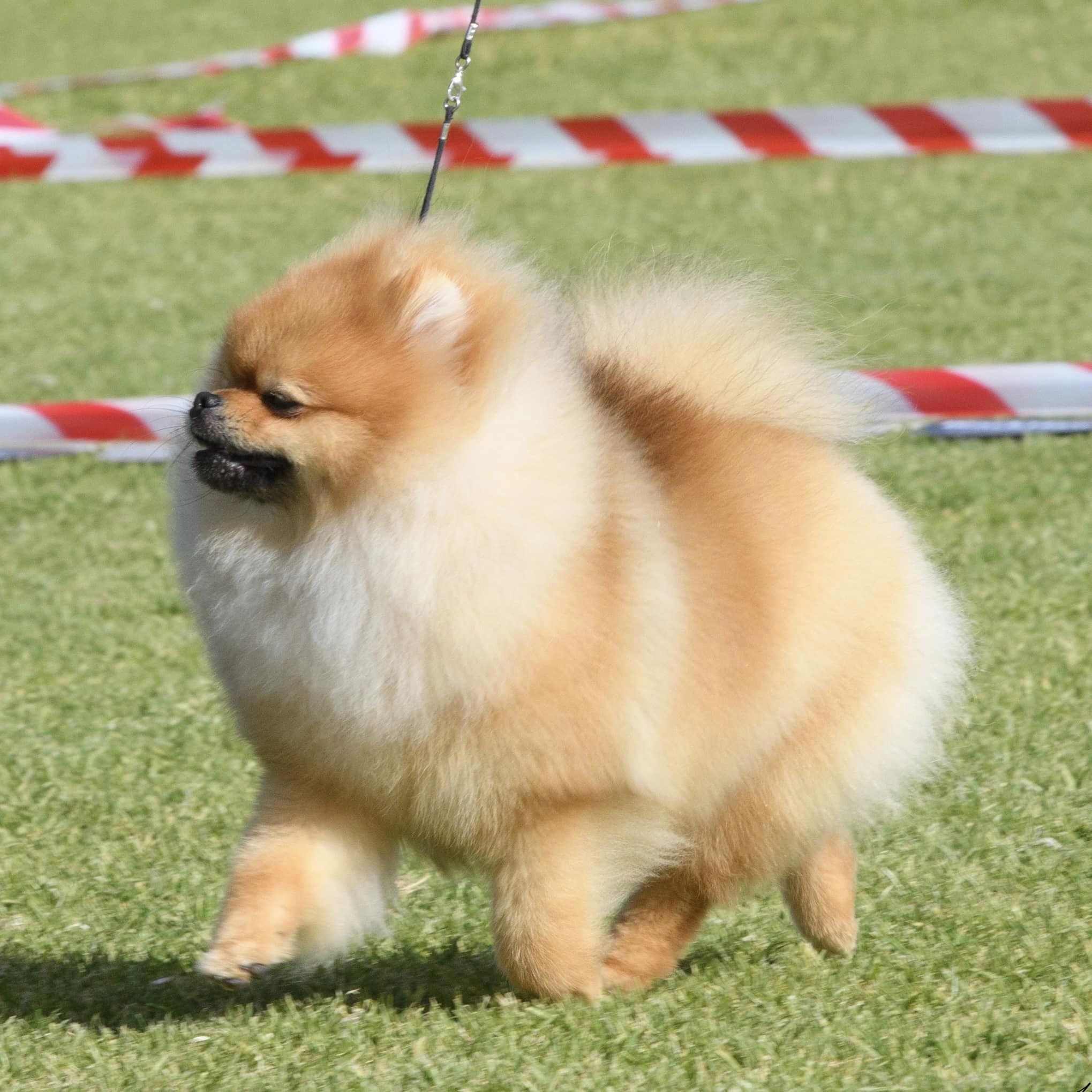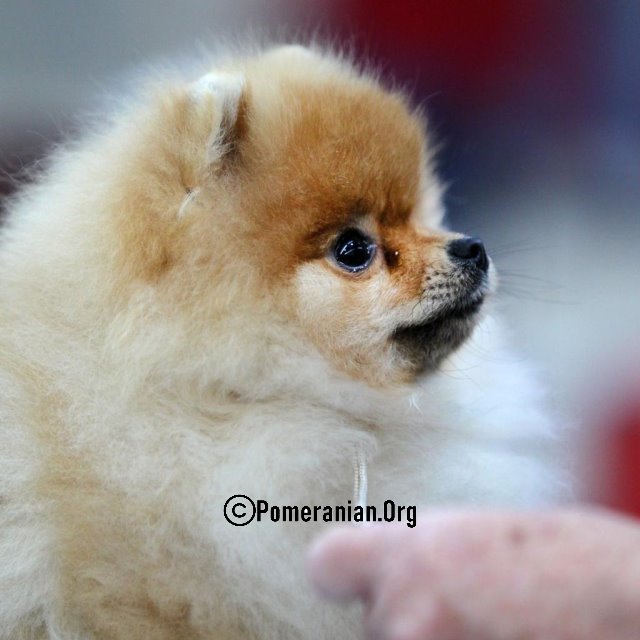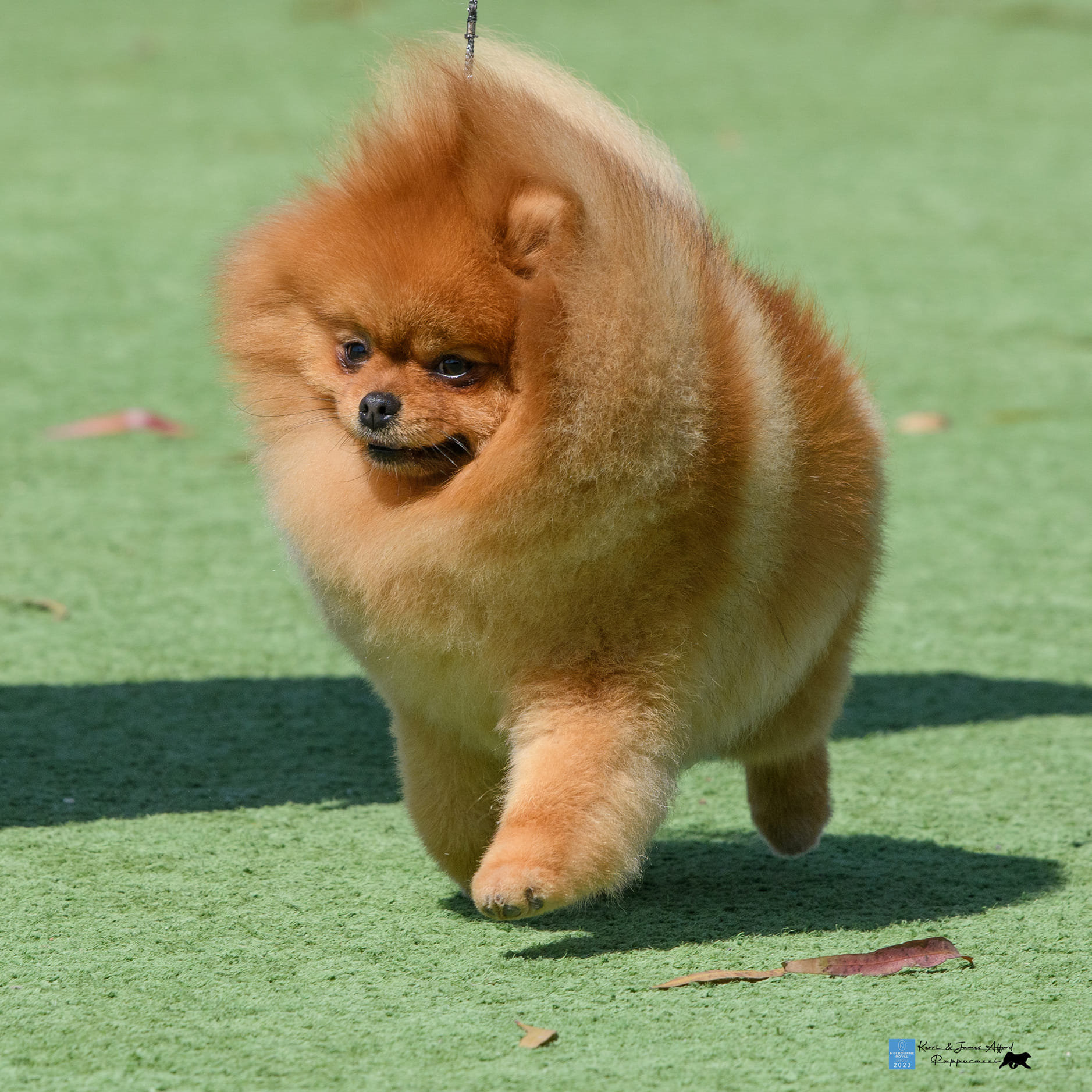

The Pomeranian is one of the most instantly recognizable toy dog breeds in the world — small in size but overflowing with personality. Known for their bold spirit, intelligence, and luxurious double coat, these little companions never go unnoticed. Understanding Pomeranian characteristics helps you appreciate what makes this breed so special — from its proud stance and fox-like face to its playful, alert nature and deep devotion to its family.
If you’ve ever wondered what a Pomeranian looks like, picture a compact, well-balanced toy dog with a glorious plumed tail carried high over the back and an expressive face that radiates curiosity. Their charm goes far beyond appearance, however. The Pomeranian character traits include confidence, affection, and a surprising courage that makes them seem unaware of their small stature.
Whether curled on your lap or trotting with head held high, the Pomeranian embodies elegance, energy, and endless love in one tiny package.
The Pomeranian is a small, toy-sized dog that weighs between 3 and 7 pounds. Some breed standards describe its head as having a fox-like expression, while others describe it as foxy in outline with small, erect ears.
Characteristics and Facts
| Breed Name | Pomeranian |
|---|---|
| Size (Adult) | 7–9 inches (18–22 cm) tall, 4–7 pounds (1.8–3.2 kg) |
| Life Span | 12–16 years |
| Recognized Colors | Orange, Sable, Black, Cream, Blue, Chocolate, Beaver, Red, White, Wolf Sable, and Parti-color patterns |
| Coat Type | Dense double coat — long, harsh outer coat with soft, thick undercoat |
| Grooming Needs | High — regular brushing (2–3 times per week), frequent bathing, trimming, and coat maintenance required |
| Temperament | Alert, confident, intelligent, and lively; often fearless despite small size. Deeply loyal and affectionate with family. |
| Energy Level | Moderate — enjoys playtime, short walks, and indoor activity; easily adapts to apartment life. |
| Trainability | Highly intelligent but independent; responds best to positive reinforcement and short, fun sessions. |
| Barking Level | High — naturally vocal and alert; excellent watchdog when trained appropriately. |
| Ideal Home | Apartment or house; thrives with companionship, attention, and daily interaction from owner. |
| Good With Children | Best with older, gentle children; supervision recommended due to small size and fragility. |
| Good With Other Pets | Generally friendly with other dogs and pets when properly socialized early. |
| Health Considerations | May be prone to luxating patella, tracheal collapse, dental issues, and coat loss (alopecia). Regular vet checkups advised. |
| Origin | Descended from Arctic Spitz-type sled dogs; developed in the Pomerania region between Germany and Poland. |
Pomeranian Breed Characteristics
This dog breed has a thick, fluffy coat in various colors, including white, brown, orange, and black. When fully grown, this small dog usually measures 8 to 11 inches tall at the shoulder. The tail is covered in long, flowing hair and is carried over its back.
What sets a Pomeranian apart?
This seemingly simple question unravels a fascinating tapestry of history and endearing traits, making it one of the most adored small dog breeds. Endowed with a thick double coat and almond-shaped eyes, Pomeranians, as recognized by the American Kennel Club, are a delightful contradiction of compact size and bold personalities.
Once the favored companions of royalty, with Queen Victoria and Queen Charlotte among their notable admirers, Pomeranians carry a regal air despite their small stature. Their physical traits are just the beginning- their affectionate nature and lively spirit make them adaptable to various living situations as long as they receive regular exercise to maintain their happiness and health.
If you want to be a Pomeranian owner, here are some things you should know about this breed. The first thing is the size and weight of these dogs. They’re small and usually weigh less than 7 pounds when fully grown.
Pomeranians can easily live in apartments or other smaller homes, as long as their family provides plenty of exercise outside on walks. We recommend at least one 30-minute walk per day, if possible.
These active little fellows also require regular grooming (approximately once every two weeks), so ensure your home has sufficient space for all the necessary tools, such as hair dryers, combs, and brushes.
Luckily, this breed sheds little, so you don’t need to worry about getting pet hair everywhere!
Pomeranian Origin
We must know where they come from to truly understand the purebred Pomeranian dog.
The Pomeranian originated in the Arctic region. While a Pom is a small dog, its history is long. The Pomeranian’s ancestors were well-suited to survive in cold habitats.
Their ancestors were bred for work and evolved to adapt to living in extremely cold climates. Today’s Pomeranians are bred and built to be loved and adored, yet they should still retain the distinctive features of their ancestors.
The term form follows function, which also applies to the Pomeranian Dog. For the ancestors of the modern Pomeranian to survive in their northern European habitat, these early Spitz dogs evolved with certain features that enabled their survival in temperatures as low as -35 degrees.
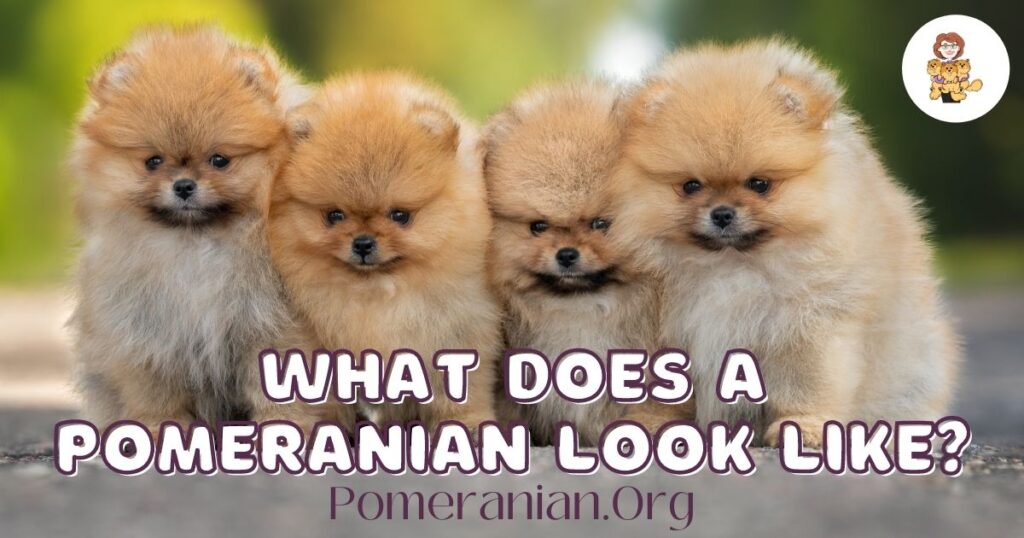
What Does a Pomeranian Look Like?
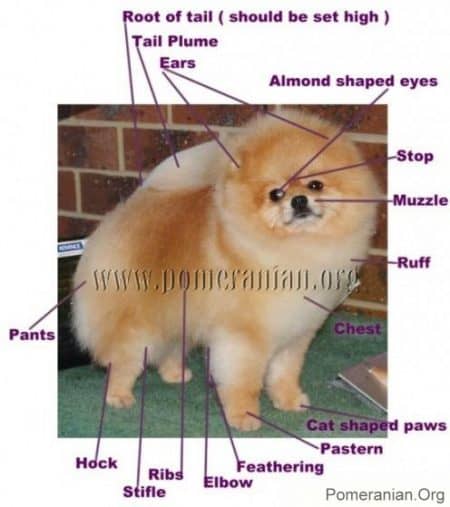
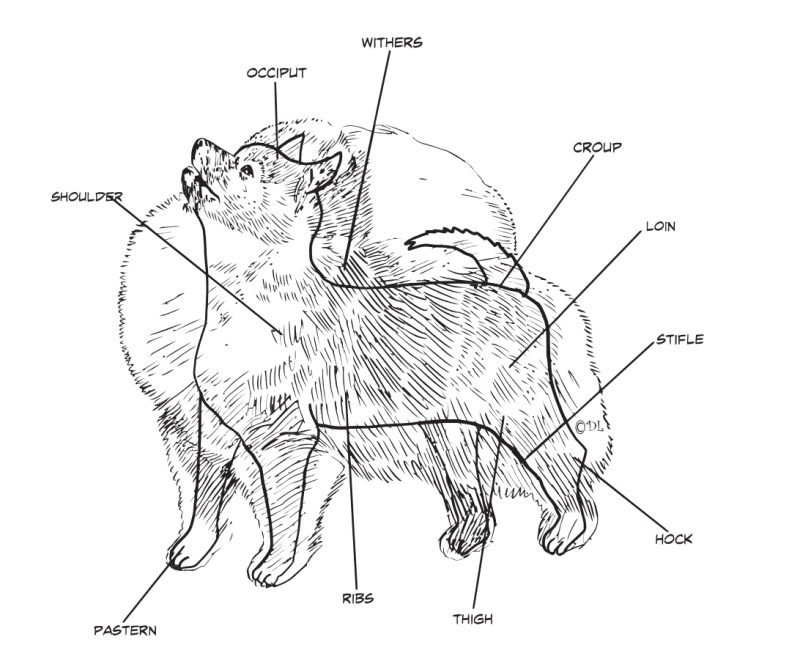
Let’s take a close look at what a Pomeranian looks like. The Pomeranian’s appearance is explained with drawings and pictures. The purebred Pomeranian is a Spitz breed that developed characteristics necessary for survival in the harsh arctic climate.
General Appearance:
The Pomeranian is a small, compact, dainty dog. He displays great glamour with his crowning glory —a dense, double coat of long, harsh, stand-off guard hairs and a soft, woolly undercoat. A Pomeranian has a short, compact body, fine-boned structure, a short neck, and neat, cat-like feet. The Pomeranian should move with soundness, grace, and style.

Why do Pomeranians Have a Dense Double Coat?
Pomeranians have a dense double coat to protect them from the elements. This coat helps protect their bodies and keeps them warm in cold environments or cool when they’re out in hot weather conditions.
The Pomeranian’s outer coat is straight and puffy. The dense, soft, and fluffy undercoat keeps it off his body and insulates him in extremely cold and warm weather. The Pomeranian has short hair on its face.
What Coat Colors Do Pomeranians Come In?
The Pomeranian can be born in various colors, including black, brown, or cream, but the most common color is orange.
Pomeranian puppy dog colors include Beaver, Black, Blue, Brown or Chocolate, Cream, Lavender, Orange, Red, Sable Pomeranians, White, Black and Tan, Brown and Tan, Blue and Tan, Brindle, Parti colors, and Merle Pomeranians.
How Big Does a Pomeranian Dog Get:
The Pomeranian ideally weighs between 4 and 5 pounds (1.8 and 2.5 kg), but its average size may range from 3 to 7 pounds. The female Pomeranian is generally preferred to be slightly larger than the male Pomeranian dog.
At What Age Do Pomeranians Stop Growing?
Pomeranian puppies typically stop growing around their first birthday, but they can continue to grow for an additional six months.
A Pom dog is officially classed as a Pomeranian adult at 12 months of age. Some Pomeranians reach their full adult size by one year, while others may not reach Their Full adult size until about 18 months.
Pomeranian Head:
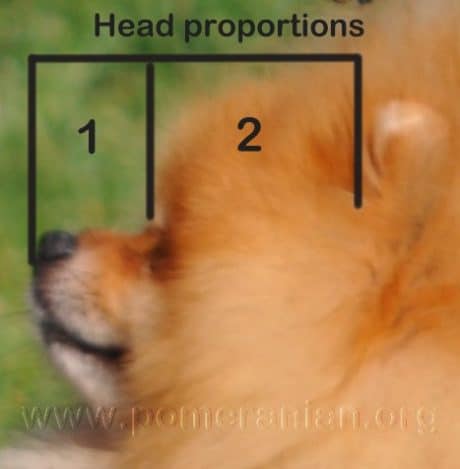
A correct Pomeranian head should be wide behind the jaw and come gradually to a fine muzzle. A lengthy muzzle results in losing the essential wedge, and the Pomeranian will have a shepherd-like look. If the jaw is too short, the Pomeranian will possess a muzzle like a Chihuahua.
The skull should not be round and domed in shape. Pomeranians with abundant head coat may often give the illusion of having a rounder-shaped head than desired. Run your fingers over the Pomeranian’s skull to determine the exact head shape if in doubt. The Pomeranian’s head must have a moderate stop.
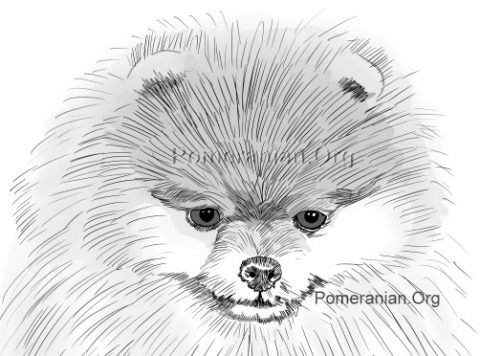
This Pomeranian’s head is full of character. Its eyes are bright and expressive. A correctly shaped Pomeranian head is a crucial aspect of the breed.
As a general guideline, the distance from the tip of the nose to the stop and from the stop to the back of the head typically measures 1:2 in most Pomeranians.
Pomeranian Ears: – Small, Neat, and Alert
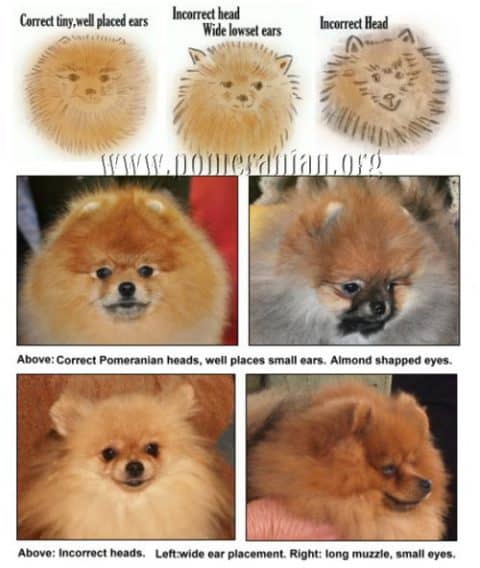
The Pomeranian’s ears must be as small as possible, carried high on the head, and set closely together. They should be absolutely erect, never dropping or flopping, and should sit well forward to contribute to the breed’s signature alert and intelligent expression.
The ears are covered with short, soft hair, which may be lightly trimmed for neatness and to enhance the dog’s overall appearance. Properly set ears are essential for maintaining the correct head proportions and for reinforcing that highly prized “foxy” expression unique to the breed.
When evaluating ears, size and placement are key factors. While it is rare to find a Pomeranian with ears that are too small, it is quite common to see ears that are either set too far apart, too large, or both. Such faults can dramatically alter the breed’s ideal expression and upset the balance of the head.
Small, correctly placed ears enhance the overall symmetry of the Pomeranian’s head and help create the bright, animated look that makes the breed so captivating.
Why Do Pomeranians Have Small Ears?
The breed standard specifies that Pomeranian dogs have small ears. This is because Pomeranians originated from parts of the Northern Hemisphere, which experience temperatures as low as -30 degrees Celsius during winter.
Poms have small ears because they need to survive in cold habitats and have low volume-to-surface area ratios. Pomeranian ancestors had to conserve every bit of heat possible while they fought to survive the harsh Arctic winter months.
Pomeranian Eyes: The Window to Expression
The eyes of the Pomeranian play a crucial role in defining the breed’s characteristic expression. They should be dark in colour, medium in size, and slightly oval in shape. Eyes that are too round or incorrectly placed can completely alter the expression, causing the dog to lose that alert, foxy look.
Importantly, eyes that are too large or too round are often associated with a muzzle that is shorter than desired. Eyes should not bulge, nor should they be full and prominent. Instead, they must convey an air of happiness, alertness, and intelligence, embodying the Pomeranian’s lively and engaging nature.
Pomeranian Teeth:
How many teeth do Pomeranians have? Puppies have 28 temporary teeth, which erupt at 3 to 4 weeks of age in most toy breeds. Poms should have 42 permanent teeth by the time they are 6 to 8 months of age.
The Pomeranian is required to have a scissor bite with the top incisors slightly in front of the bottom ones.
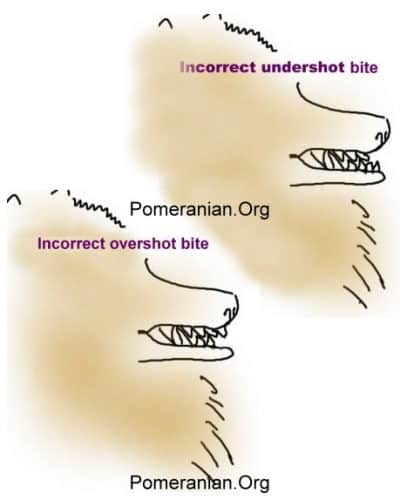
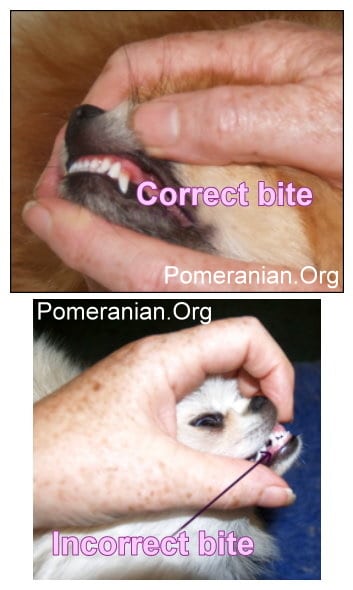
The USA Club Pomeranian Breed Standard on the bite: Bite – scissors, one tooth out of alignment is acceptable.
The Kennel Club Pomeranian Breed Standard on the bite “Jaws strong, with a perfect, regular and complete scissor bite, i.e., upper teeth closely overlapping lower teeth and set square to the jaws.”
Pomeranian Bite – What the FCI Breed Standard Requires: Jaws/Teeth: The jaws are normally developed and show a complete
scissor bite with 42 teeth, corresponding to the dental formula of the
dog, i. e. the upper incisors closely overlapping the lower ones and set
square to the jaws. Strong canines fitting exactly into each other. The
lack of a few premolars shall be tolerated in Toy Spitz/Pomeranian.
Pincer bite is permissible.
Pomeranian Tail:
Pictured above: Examples of Pomeranian dog tails.
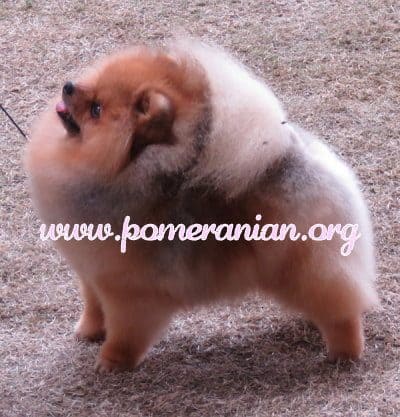
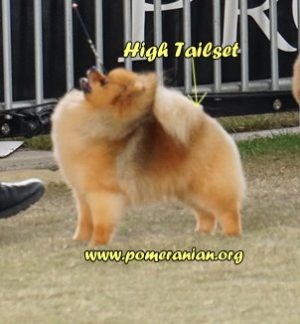
The Pomeranian tail, or plume, is a unique characteristic of the breed. It is profusely covered with long, harsh, straight hair and should be carried high and flat over the back.
The tail hair spreads out in a fan shape. Buttocks are well behind the root of the tail. If the tail is set high on the end of the backbone, it should not feel like a hard bone pressing into the palm when the palm is placed flat against the tail root.
If the tail root has a twist in the set, the tail will not lie flat but will fall over to one side, regardless of how high the set is, with the plume. A proper high tail set has no feel of boniness.
Why do Pomeranians Have Tails That Curl Over Their Backs?
Most of the tails of spitz-type northern dog breeds (e.g., Alaskan Malamute, Husky, Chow Chow) and Pomeranians curl over their backs. This breed feature helped warm their ancestors’ faces when they curled up to sleep in cold climates.
A Low Tail-Set Spoils The Outline Of The Pomeranian
Pom tails should not be curled or fall to one side. If the tail is set low, the bone will press into the palm when the test is made, and the root can be seen to protrude outward and upwards instead of disappearing into a flat plume up the back.
An extremely low tail set will cause the tail to circle upward in a “squirrel” tail. The tail should not be curled or fall to one side. A low tail set spoils the outline of the Pomeranian.
Pomeranian tails that are tightly curled or even kinked are a fault. Judges can be observed running fingers along Pomeranian tails during dog show examinations.
Pomeranian puppies may inadvertently damage their tail during rough play with other pups, so care must be taken not to allow any rough play with your Pup.
Pomeranian Movement:
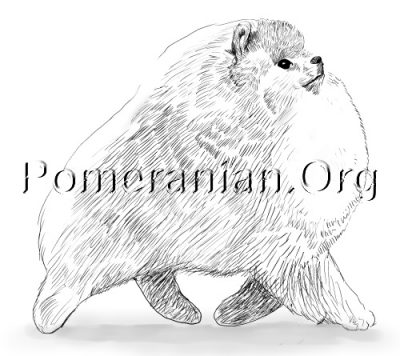
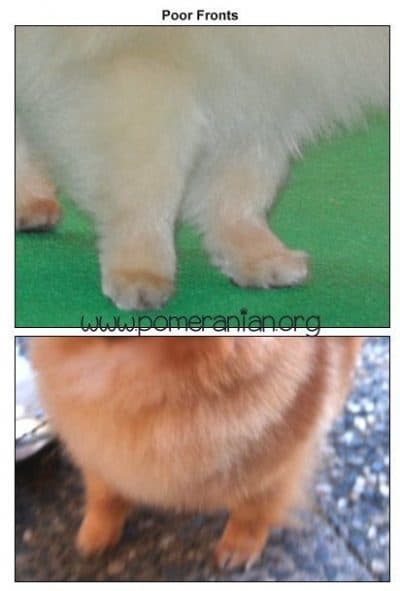
Pomeranian Fronts:
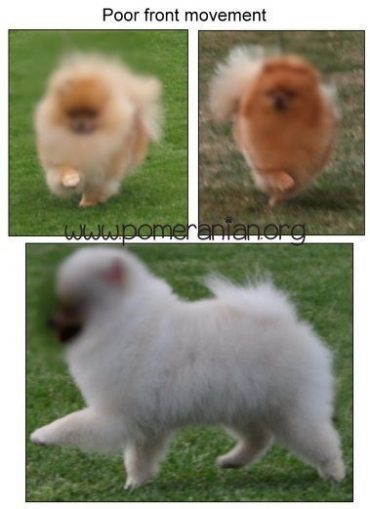
Correct and Incorrect Fronts and Pomeranian Action:
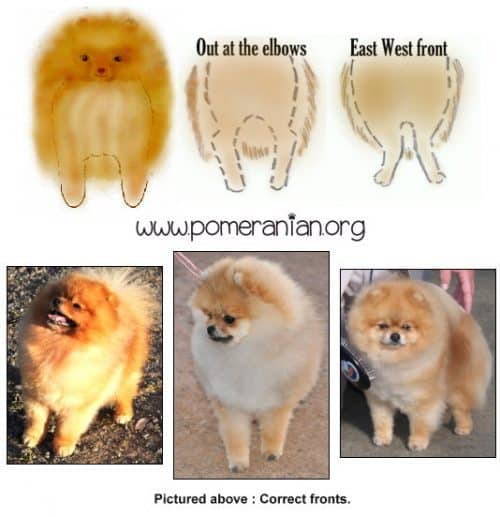
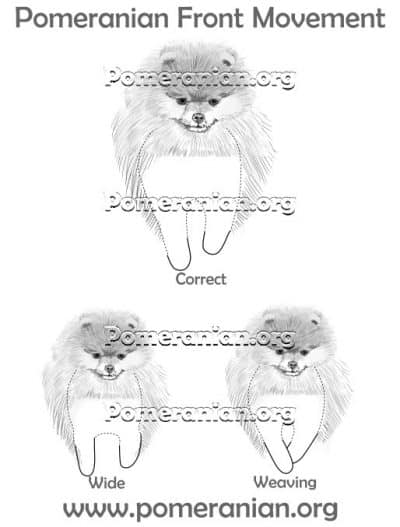
High-stepping, paddling in the front, and high-kicking rear legs are incorrect. Single tracking, characterized by very close or weaving front-to-back movement, usually indicates a lack of body control and is erroneous.
Pomeranian Front Movement:
Pomeranian Hindquarters:
Angulation of the hindquarters must balance with front angulation. Viewed from behind, the pom’s legs are straight and parallel.
Viewed from the side, his buttocks are well behind the base of the tail. Hocks are perpendicular to the ground.
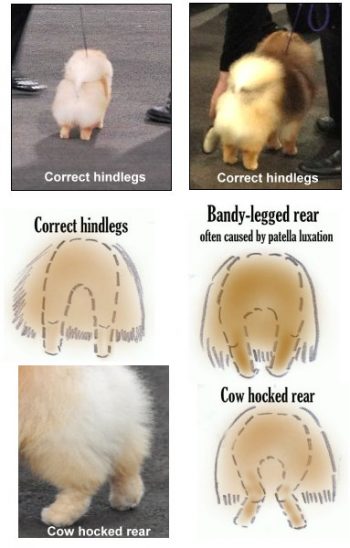
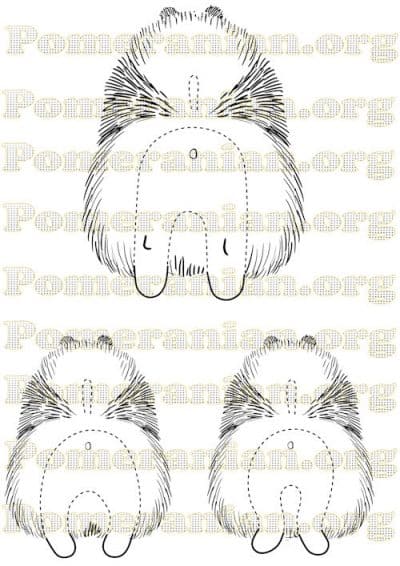
Pomeranian Rear Movement:
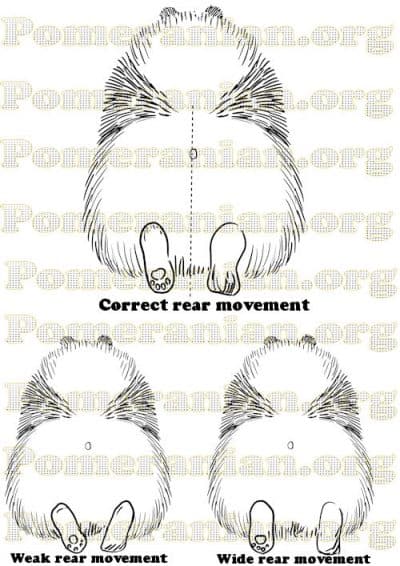
Pomeranian Feet:
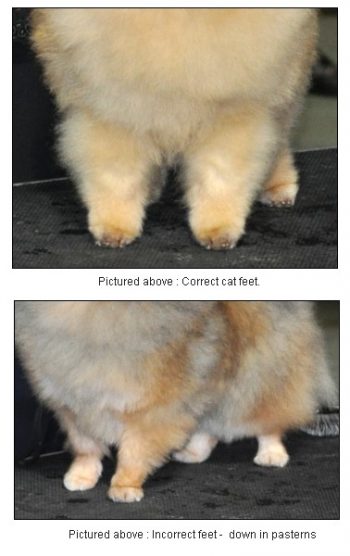
A Pomeranian’s feet must be small, compact, and resemble a cat’s paw with strong and straight pasterns. The feet are well arched, compact, and turn neither in nor out. He stands well up on his toes. Long, thin feet with spreading toes or down on pasterns are undesirable. When trimmed, the feet should appear as an extension of the legs, with only a slight definition.
Why do Pomeranian Paws Resemble Cat Paws?
Pomeranian paws needed to be small and compact to enable the ancestors of the present-day Pomeranian to move easily across snow-covered landscapes. A dog with flat feet would have had difficulty moving across the type of land inhabited by the Pomeranian’s ancestors.
Pomeranian Temperament:
The Pomeranian’s personality makes this dog a delightful family member. Although he may now come packaged in an extremely small parcel, he has not forgotten his heritage. Pomeranian behavior characteristics can be similar to those of an enormous husky dog.
Pomeranians, as pets, are loyal and devoted. Other Pomeranian traits include loving, mischievous, affectionate, and incredibly energetic.
Health Issues
Despite their small stature, Pomeranians can encounter various health problems that potential owners should be aware of. One common issue is patellar luxation, a condition in which the kneecap dislocates, causing discomfort and affecting the dog’s mobility.
Another significant concern is weight gain; even slight increases can impact the overall health and well-being of these small dogs due to their small size. Maintaining a balanced diet and engaging in regular exercise is crucial for preventing obesity and its associated health risks.
Responsible breeders play a crucial role in minimizing these health issues by adhering to breeding standards that promote genetic health. They also ensure that Pomeranians receive the proper care from the outset, which is critical in preventing severe health issues later on.
Coat issues, for instance, can become problematic if not managed properly from a young age. Regular grooming and care of their luxurious coats can help prevent matting and skin infections, contributing to the overall health and happiness of these charming dogs.
Exercise Requirements
Despite their tiny size, Pomeranians have exercise needs that might surprise many pet parents, especially those accustomed to numerous small dogs with lower activity levels. According to the AKC breed standard, Pomeranians are lively and spirited, often displaying higher energy levels than one might expect from such small dogs.
This energy needs to be channeled through physical and mental activities to prevent the development of behaviors such as separation anxiety or excessive barking. Short walks are typically sufficient to meet their physical exercise requirements, but these should be supplemented with playtime and training to ensure they remain engaged and happy.
Additionally, pet parents should be mindful of cold weather, as Pomeranians can be sensitive to lower temperatures due to their smaller body size.
For Pomeranians, mental stimulation is just as crucial as physical exercise. Such mental engagement can help mitigate potential behavior issues and provide the stimulation these intelligent dogs crave. Activities like puzzle toys, learning new tricks, or even agility training can offer the mental exercise that tiny pups like Pomeranians need.
This aspect of their care is particularly important for novice dog owners, who may need to realize just how much stimulation their new furry friend requires. Adequate exercise and mental engagement keep adult Pomeranians healthy and contribute significantly to shaping a well-rounded and well-behaved dog.
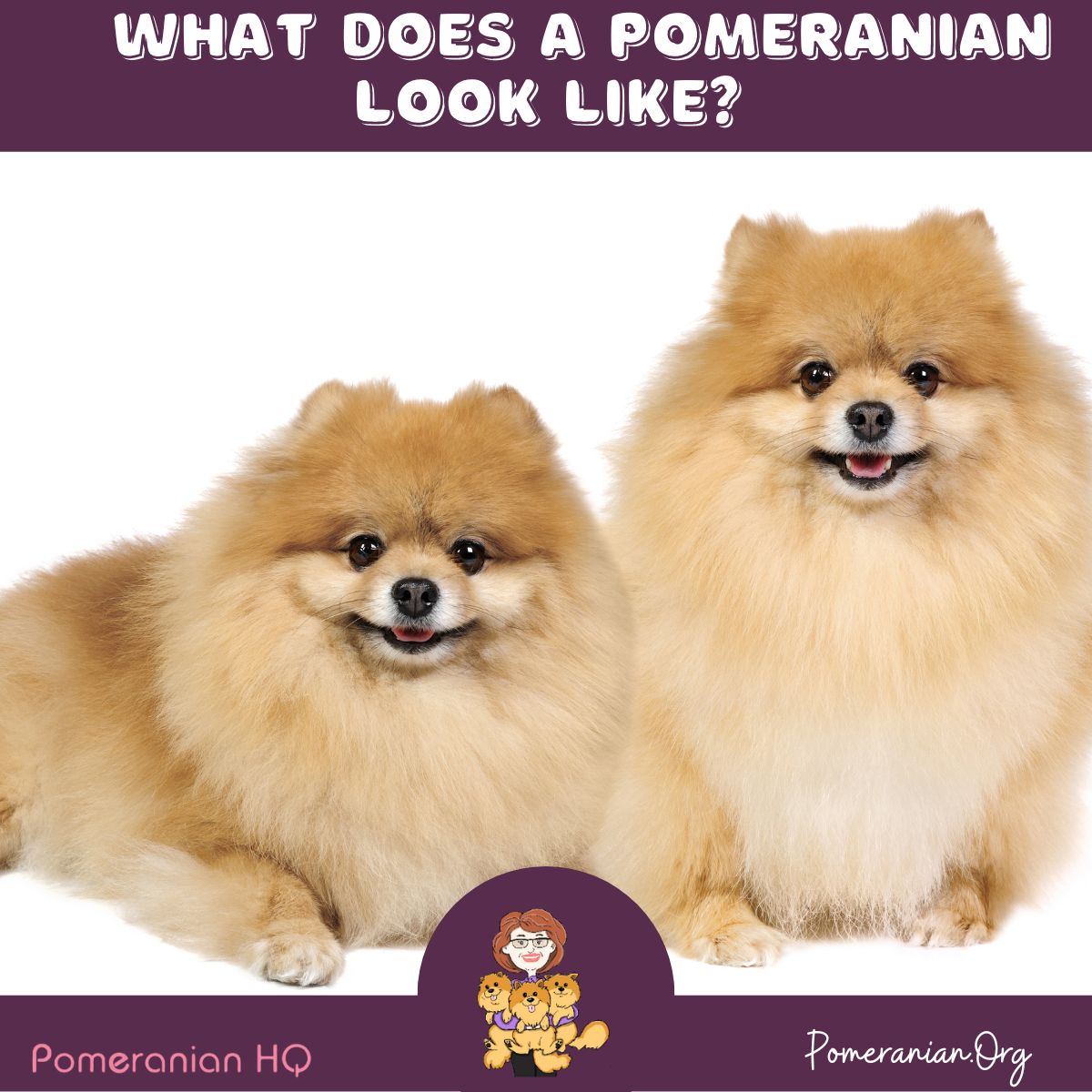
Conclusion: What Does a Pomeranian Dog Look Like?
In conclusion, the Pomeranian is a quintessential example of a small dog breed with a big personality. Known for their fox-like faces and fluffy double coats, which can range from white to reddish-brown in various colors, Pomeranians are often styled with a teddy bear cut that enhances their adorable, bear-like appearance.
Despite their smaller size, Pomeranians are high-energy and spirited animals. These tiny dogs thrive in environments where they can receive ample attention and interaction, making them ideal companions for families with small children or individuals seeking a lap dog.
Understanding the unique needs of Pomeranians is crucial for maintaining their well-being. These sensitive dogs may not thrive in loud environments or high temperatures, suggesting that a cooler, quieter setting would suit them better. Given their popularity, it’s common knowledge that these tiny dogs pack a vibrant spirit into a small package.
The American Pomeranian Club and other reputable breeders emphasize the importance of additional training and socialization from a young age to ensure these dogs develop a happy temperament. Whether cuddled on a lap or bouncing around in the yard, a well-cared-for Pomeranian is a happy pup, reflecting the joy and dynamic nature of one of the most beloved dog breeds in the United States and beyond.
This aspect of their care is particularly important for novice dog owners, who may need to realize just how much stimulation their new furry friend requires. Adequate exercise and mental engagement keep adult Pomeranians healthy and contribute significantly to shaping a well-rounded and well-behaved dog.
Copyright Pomeranian.org. All Rights Reserved.
References and Further Reading:
Official Standard of the Pomeranian (AKC). American Kennel Club, 2011.
English Kennel Club Pomeranian Breed Standard, 2017.
Denise Leo, The Pomeranian Handbook.
For more Pomeranian Information, Check Out My Book.